Bavaria or Dolomites?
Our verdict in twelve categories, each scored against the same fixed benchmark cities, and the climate month by month, so you can choose for your trip.
Choose Bavaria for
- live music and the arts
- culture and sights
- nightlife
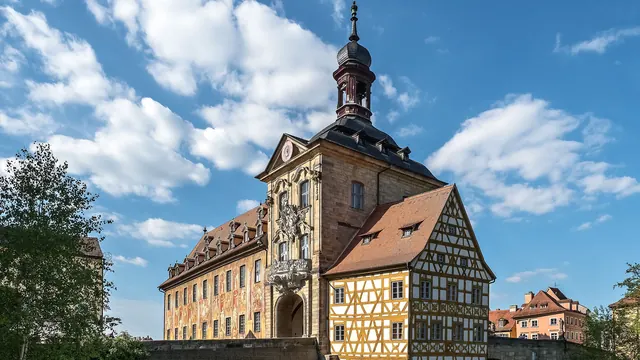
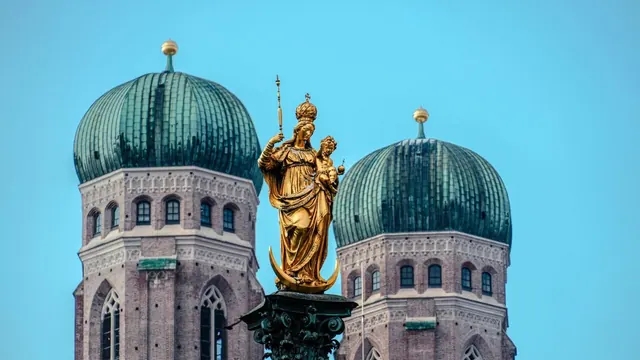
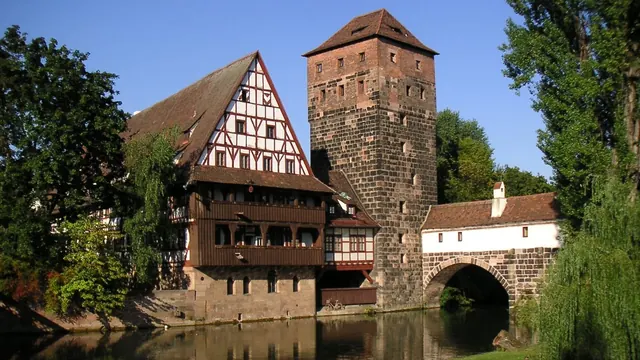
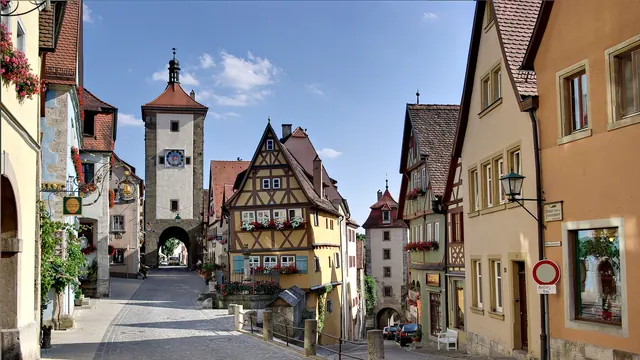
Bavaria suits a trip that mixes towns and countryside. Munich gives you great galleries, opera and beer halls, and Franconia adds Bamberg, Würzburg and the Romantic Road towns. There are spa towns for slow days and the Alps along the southern edge for walking. Trains link most of it, so you can change base without a car and still fill a week with variety.
Choose Dolomites for
- nature and the outdoors
- food and drink
The Dolomites are the better choice when the mountains themselves are the reason to travel. The pale rock towers, high pastures, via ferratas and the linked ski circuit beat anything on the German side of the Alps. In return you get quiet evenings, few cultural set pieces and higher prices in season. Pick one valley as a base and spend your days going uphill.
Scoreboard
Twelve categories on one fixed scale from 0 to 100. The shaded stretch is the gap between the two.
Your match
Pick a travel style or drag the sliders, and both match scores follow your weighting.
Wins on live music and the arts and culture and sights with your weighting.
Wins on nature and the outdoors and food and drink with your weighting.
What matters to you?
Category by category
What the scores mean for a trip.
Beaches & swimming
Neither region has a coast, but Bavaria's lakes are the better place to swim. The Starnberger See, Ammersee and Chiemsee all have jetties and lawns within reach of Munich, and in hot weather you can take a dip in the Isar in the middle of the city.
In the Dolomites, the famous high lakes such as Braies are too cold for most people. For real swimming you have to go down to Lake Caldaro or the north end of Garda.
Food & drink
The two are evenly matched at the table, but they eat and drink differently. Bavaria is built around beer: Munich's beer gardens, Bamberg's smoked beer and Franconian Silvaner, with roast pork and sausages to go with them.
The Dolomites mix Tyrolean and Italian cooking, with speck, canederli and a proper espresso. They also have wines from the slopes south of Bolzano, lunch on a hut terrace and a surprising number of serious kitchens in Alta Badia.
Culture & sights
Bavaria has far more heritage than the Dolomites. Munich has the Lenbachhaus's Blue Rider painters and the science collections of the Deutsches Museum, and Nuremberg adds its imperial castle and the Germanisches Nationalmuseum. Beyond them are Würzburg's Tiepolo ceiling, Rothenburg's full ring of walls and Ludwig II's castles. The catch is that seeing it well means moving between several bases.
In the Dolomites, the landscape is what UNESCO lists, and the buildings play a supporting role. Ötzi in Bolzano, the frescoed rooms of Trento's Castello del Buonconsiglio and the First World War tunnels on the passes will fill a rainy day, but they are not a reason to come.
Nightlife
Bavaria offers much more after dark, and not only in Munich. Students keep the pub streets of Bamberg, Würzburg and Regensburg busy, and Nuremberg has a modest bar scene. In the Alpine and lake resorts, though, an evening usually ends with dinner.
The whole of the Dolomites is closer to those Bavarian resorts. Bolzano and Trento have student and wine bars around their old centres, but neither stays up late. Winter après-ski in Selva and Canazei winds down in the early evening, and Cortina's dressier wine bars are about as smart as a night out gets here.
Nature & outdoors
Bavaria has good mountains: the Zugspitze above Garmisch, the Königssee in Berchtesgaden and hut walks in the Allgäu. Further north it adds gentler forest and river cycling.
Even so, the Dolomites are on another level. The limestone towers of the Sassolungo and Tre Cime rise straight out of meadows, and the Alpe di Siusi offers easy high walking. The Alta Via routes and the Sella Ronda ski circuit put world-class terrain within a lift ride of most villages.
Day trips
Bavaria is easier for outings. From Munich, Augsburg, Nuremberg, Regensburg and Salzburg are all quick by train, and Franconia works as a second hub for Bamberg and the Romantic Road.
In the Dolomites the best outings start from the Adige valley, with Merano, Trento and Verona all in reach. From the high villages every trip begins on a winding pass road, so many visitors split their stay.
Good for families
Bavaria works for families all year. It has beer gardens with playgrounds, zoos in Munich and Nuremberg, the Deutsches Museum's children's section and Legoland at Günzburg, so a wet day is easy to fill.
The Dolomites are excellent in summer, with flat paths across high pastures, huts with farm animals and family hotels with children's clubs. But there are no zoos or theme parks, so rain means the pool or a long drive.
Getting around
With a regional day ticket, much of Bavaria is within reach by train. Lines from Munich run to Nuremberg, Garmisch, Berchtesgaden and the lakes, so you don't need a car for the main towns. Delays do happen, though, and some lake shores and valleys depend on infrequent buses.
In the Dolomites, trains and buses serve the valleys, and lifts link the villages within a ski area. Crossing from one valley to another is the hard part: the hairpin passes are slow and crowded in summer, and Cortina has no station. Most visitors who want to see several areas hire a car.
Shopping & style
Bavaria has real city shopping. Maximilianstrasse and the streets around Marienplatz offer luxury and department stores, and there is Dirndl tailoring, Nuremberg toys and big Christmas markets on top.
The Dolomites are narrower. Woodcarving in Ortisei, loden under Bolzano's arcades, a short strip of boutiques in Cortina and Advent markets cover most of it, along with speck and wine to take home.
Affordability
Neither is cheap, but Bavaria is gentler on the budget. Munich is expensive, while Franconian towns, the Bavarian Forest and village guesthouses are moderate, and in beer gardens you can bring your own food.
In the Dolomites, Cortina, Alta Badia and Val Gardena are among Italy's costliest resorts in high season, and lift passes and guides add up. Fassa, Fiemme and the valley towns, or a visit in June or September, keep the cost down.
Live music & performing arts
Bavaria is the place for an evening in a concert hall or opera house. The Bavarian State Opera performs most nights in season, Munich has two orchestras of international rank and the rococo Cuvilliés Theatre, and Bayreuth's Wagner festival draws devotees every summer.
The Dolomites offer orchestras in Bolzano and Trento and memorable summer concerts on alpine meadows and in castles. For most of the year, though, there is little to book.
Wellness & relaxation
Bavaria has a public spa culture going back centuries. There are the colonnades of Bad Kissingen, the brine baths of Bad Reichenhall, Kneipp's water cure at Bad Wörishofen, Erding's vast thermal complex and the Art Nouveau Müller'sches Volksbad in Munich.
In the Dolomites, wellness mostly means a good hotel spa, with saunas facing rock walls and hay baths below the Schlern. Merano is the one real spa town, so choose your hotel carefully.
When should you go?
Pick your month. The climate figures are measured averages, not a forecast.
Bavaria in July
Dolomites in July
Daytime high, °C
Rainfall in the month, mm
Temperature and rainfall are climate normals, averaged over the years shown. Bavaria: 1991-2020 normals, München (1.9 km from centre). Dolomites: 1991-2020 normals, Dobbiaco (22.3 km from centre).
Both regions get most of their rain in summer, which is also when most people visit. In Bavaria, June to August is the warm stretch, with highs around 25°C, long sunny days and lakes warm enough for a swim. Showers are frequent, though, and June is the wettest month. May and September are good for walking around towns. From November to February it is cold and grey unless you have come for the Christmas markets or the snow.
The Dolomites are a few degrees cooler all year. In the valleys where most visitors stay, highs reach about 22°C in July and August, and the high ground is colder again. The wet season runs from June to August and peaks at around 130mm in July, so September, drier and still mild, is the best month for long hikes. Winter is colder than in Bavaria but much drier, with January highs around freezing, which suits a ski trip between late December and March.
Which traveller are you?
On a culture and arts trip, Bavaria is the clear choice. You get the Munich Pinakotheks and the Residenz, the Bavarian State Opera and two orchestras of international rank, and the UNESCO-listed old towns of Bamberg and Regensburg. The Dolomites offer a few valley-town museums.
On an outdoors trip, choose the Dolomites. Lifts climb from almost every village to the Sella, the Seceda ridge and the Tre Cime. The via ferrata network and long hut-to-hut routes go beyond what Bavaria's fine but smaller Alpine strip around Garmisch and Berchtesgaden can offer.
For a food and nightlife trip, Bavaria has the edge. Eating is about level, but Munich adds beer halls, cocktail bars in Glockenbach and a proper club scene, and Oktoberfest comes in autumn. In the Dolomites, villages fall quiet after dinner and the hut terrace at lunchtime is the high point of the day.
Before you go
| Measure | Bavaria | Dolomites |
|---|---|---|
| Official language | German | Italian |
| Currency | Euro (EUR) | Euro (EUR) |
| Sockets | CF230 V, 50 Hz | CFL230 V, 50 Hz |
| Driving side | Right | Right |
| Time zone | UTC+1, UTC+2 in summer | UTC+1, UTC+2 in summer |
| Emergency number | 112 | 112 |
| Main airport | Munich Airport (MUC)211 non-stop destinations | Venice Marco Polo Airport (VCE)103 non-stop destinations |
| Public holidays this year | 12 days | 13 days |
By the numbers
| Measure | Bavaria | Dolomites |
|---|---|---|
| Population | 13,038,724 | - |
Where else could you go?
Every comparison below shares a destination with this one, so you can follow Bavaria or Dolomites somewhere new.
- Austrian Alpsvs Bavaria
- Austrian Alpsvs Dolomites
- Lake Gardavs Dolomites
- Lake Comovs Dolomites
- Black Forestvs Bavaria
- Lake Comovs Bavaria