Brittany or Provence?
Our verdict in twelve categories, each scored against the same fixed benchmark cities, and the climate month by month, so you can choose for your trip.
Choose Brittany for
- families
- getting around
- wellness
Brittany suits families and anyone after a cooler, gentler seaside vacation: sandy bays with rock pools, sailing schools, gîtes and campsites, and towns close enough together that the days stay easy. It also costs less over the summer and has a real seawater spa tradition. Its fresh Atlantic summers suit walkers who wilt in the heat.
Choose Provence for
- shopping
- beaches
- nightlife
Provence is the choice for warmth, colour and depth. It has warm swimming in the calanques and off Porquerolles, Roman theatres and the papal palace at Avignon, markets, rosé and bouillabaisse, and hilltop villages within an hour of almost any base. It asks more of the budget and the driver, and July heat is hard on small children. For couples and travellers who come for food, culture or landscape, it gives more.
Scoreboard
Twelve categories on one fixed scale from 0 to 100. The shaded stretch is the gap between the two.
Your match
Pick a travel style or drag the sliders, and both match scores follow your weighting.
Wins on families and getting around with your weighting.
Wins on shopping and beaches with your weighting.
What matters to you?
Category by category
What the scores mean for a trip.
Beaches & swimming
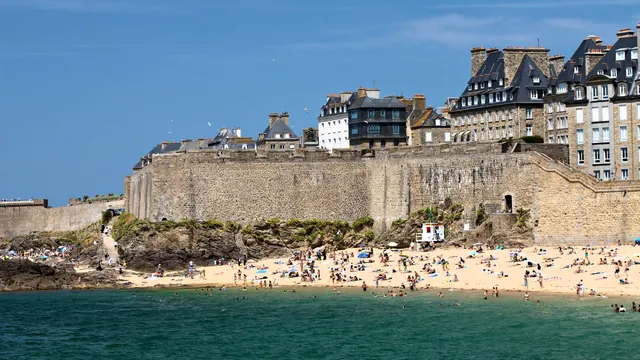
Both have long coastlines and proper beach towns, but the swimming is very different. Brittany's wide bays at Carnac, Quiberon and on the Crozon peninsula, and the pink granite coves of Ploumanac'h, are lovely places to spend a day. The Atlantic stays cool even in August, though, and the big tides move the waterline a long way.
Provence's water is warmer and clearer, and the swimming season is longer. You can choose between the fine sand of Pampelonne, the shallow pale bays of Porquerolles and the turquoise inlets of the calanques near Cassis. The drawbacks are the August crowds, the occasional mistral and the long drive to the sea if you stay in the Luberon.
Food & drink
Brittany eats from the sea and the dairy: Cancale oysters, shellfish platters in the harbour towns, buckwheat galettes with dry cider, and salted butter in almost everything. It is excellent at what it does, but the range is narrow.
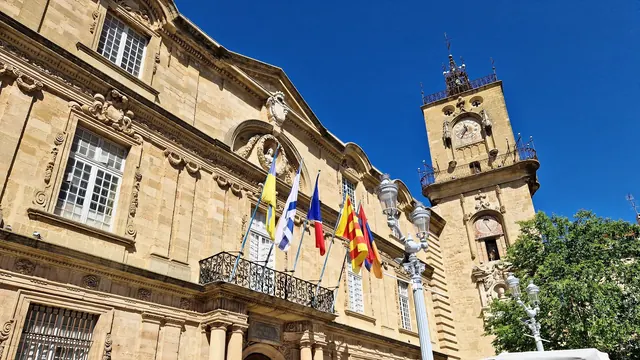
Provence offers more variety. Marseille has bouillabaisse and North African cooking, and inland there is daube, aïoli and winter truffles around Carpentras. The open-air markets of Aix, Apt and Saint-Rémy are worth planning a morning around, and the wine country from Bandol to Châteauneuf-du-Pape gives Provence something Brittany's cider cannot match.
Culture & sights
Brittany's heritage is prehistoric and small-town. It has the long menhir rows of Carnac, the dolmens around the Gulf of Morbihan, walled Saint-Malo and Dinan, and the parish closes of Finistère. These sites have a strong regional character, but the museums are modest.
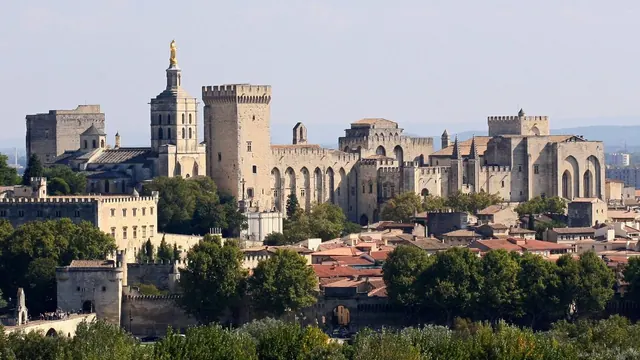
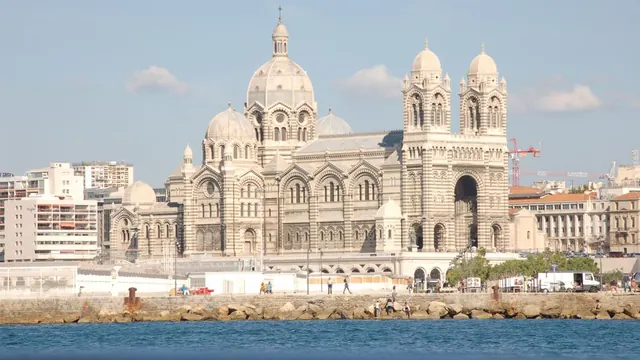
Provence has more weight. It has the Palais des Papes in Avignon, the Roman monuments of Arles and Orange, Cézanne's Aix and the MuCEM in Marseille, with Cistercian abbeys such as Sénanque out in the countryside. In both regions the sights are spread across many towns, so either way a car helps.
Nightlife
Neither region is built for big nights out, but Provence has more of them. Marseille's Cours Julien and La Plaine make up a real city scene with clubs open late, and Saint-Tropez adds a glossy summer circuit of beach clubs.
In Brittany, going out mostly means the student bars around Rue Saint-Michel in Rennes and a few harbour bars in Brest and Lorient. A fest-noz in a village hall, though, is a kind of evening Provence has nothing like.
Nature & outdoors
Brittany's outdoors is its coast. You can walk the GR34 past Cap Fréhel and Pointe du Raz, see gannets and puffins in the Sept-Îles reserve, kayak among the islands of the Gulf of Morbihan and surf in Finistère. Inland the country is low and gentle.
Provence has more variety and more drama. Its landscapes range from the Gorges du Verdon, up to 700m deep, and the white cliffs of the Calanques to bare Mont Ventoux, the flamingos of the Camargue and the lavender fields of Valensole. The catch is high summer, when heat and fire-risk closures shut some massifs, while Brittany's mild weather keeps its paths walkable.
Day trips
Both regions make good bases for day trips, but Provence has more within easy reach. Brittany's best outings are island crossings to Belle-Île, Bréhat, Ouessant and the islands of the Gulf of Morbihan, and Mont-Saint-Michel is about an hour from Saint-Malo.
From the Luberon or Avignon, Provence puts a dozen outings within an hour. You can reach Gordes and Roussillon, Saint-Rémy and Les Baux, the wine villages of Châteauneuf-du-Pape, and Nîmes and the Pont du Gard across the Rhône. Almost all of them need a car, while many of Brittany's best trips start on a ferry.
Good for families
Brittany is the easier region with children. Rock pools at low tide, sailing schools, crêpes, gîtes and campsites, short distances and Océanopolis in Brest for wet days make it simple, as long as an adult keeps an eye on the tides and the cool water.
Provence works best for families who rent a house with a pool and have older children who will canoe in the Verdon or ride horses in the Camargue. The July heat, long drives and steep villages are hard on toddlers, though the shallow beaches around Hyères suit them well.
Getting around
Brittany is a little simpler to get around. Fast trains run from Paris to Rennes in about an hour and a half and continue to Saint-Malo, Quimper and Brest, and the toll-free dual carriageways are easy driving.
Provence also has good trains between Marseille, Aix, Avignon and Arles. The villages, gorges and abbeys need a car, though, and narrow hill lanes, parking in perched villages and the summer jams into Saint-Tropez all test your patience. In both regions, a car and one well-chosen base is the realistic plan.
Shopping & style
Shopping in Brittany is mostly regional products and souvenirs: Quimper faience, striped sailor tops, salted caramels and the Saturday market at Place des Lices in Rennes. Provence gives shoppers more to do, with the antiques halls of L'Isle-sur-la-Sorgue, printed fabrics, Marseille soap and santons in the markets, fashion shops in the old streets of Aix and luxury boutiques in Saint-Tropez in summer.
Affordability
Neither region is cheap in high summer, but Brittany is easier on the budget. Campsites, gîtes and crêperies keep costs down, and prices only really climb in Saint-Malo, Dinard and the Morbihan resorts in July and August.
In Provence, villas in the Luberon, boutique hotels in the Alpilles and stays on the coast around Saint-Tropez are among the most expensive in France in summer. Marseille, Arles and the quieter Var villages are more reasonable, and in both regions spring and autumn bring prices down.
Live music & performing arts
There is little to choose between them overall, and both are at their best in summer, but the kind of performance differs. Brittany's is Celtic and communal: bagad pipe bands, fest-noz dances, the Festival Interceltique at Lorient and the rock of Les Vieilles Charrues at Carhaix, with the Transmusicales giving Rennes a draw in December.
Provence leans to theatre and opera. The Avignon festival fills the Cour d'honneur of the Palais des Papes and almost every hall in town, and opera is staged in the Archbishop's Palace courtyard at Aix and in the Roman theatre at Orange. Outside summer, both regions fall back on a regular programme in their larger towns.
Wellness & relaxation
Brittany is the better choice for a restorative stay because it has a genuine spa tradition. Thalassotherapy began at Roscoff, and seawater spas line the seafronts at Quiberon, Carnac, Dinard and Perros-Guirec. The mood is fresh and windy, and it is best in spring and autumn.
Provence relaxes you through its pace more than its treatments: market mornings, long lunches and an afternoon by a pool among the vines. It also has the old spa towns of Gréoux-les-Bains and Digne-les-Bains and the thermal spa at Aix, but its coast is anything but calm in high summer.
When should you go?
Pick your month. The climate figures are measured averages, not a forecast.
Brittany in July
Provence in July
Daytime high, °C
Rainfall in the month, mm
Where the figures come from
Brittany has no rain gauge within 25 km of the centre, so its rainfall comes from a gridded climate dataset read at the destination rather than from a gauge further away.
Brittany's sunshine is measured 89 km from the centre, at Rennes.
Provence has no rain gauge within 25 km of the centre, so its rainfall comes from a gridded climate dataset read at the destination rather than from a gauge further away.
Provence's sunshine is measured 53 km from the centre, at Nimes / Courbessac.
Temperature and rainfall are climate normals, averaged over the years shown. Brittany: 2004-2020 (sunshine 1991-2020, rainfall 1991-2020) normals, Vannes-Meucon (8.1 km from centre). Provence: 2005-2020 (sunshine 1981-2010, rainfall 1991-2020) normals, Avignon / Morières-lès-Avignon (11.9 km from centre).
Brittany is at its best from June to September. July highs reach about 24°C and the days are at their sunniest, but the sea only reaches 18°C in July and August, so swimming is brisk. Spring and early autumn are mild and good for walking the coast. The rain sets in from October and peaks at 121mm in November, and the winter days are grey and short.
Provence is much hotter and sunnier. With July highs around 32°C, midsummer is hard going for walking around towns, so June and September are the better months for the beach and for sightseeing. April, May and October suit walking. Autumn brings the heaviest rain, about 102mm in October, yet even in winter Provence gets far more sunshine than Brittany. In high summer the roles swap, and Brittany is the comfortable one.
Which traveller are you?
On a family trip with young children, Brittany keeps the days simple. A morning on the sand at Dinard, a boat to car-free Île de Bréhat or a walk on Saint-Malo's ramparts is never far away, and summers stay mild.
For a beach and sun trip, Provence is the clear choice. You can swim for hours off Porquerolles, walk down to a calanque near Cassis and count on long sunny days, while Brittany's Atlantic stays bracing even in August.
On a relaxing and wellness trip, Brittany has the edge. Book a few days of seawater treatments at Quiberon or Perros-Guirec, walk the coastal path between sessions, then cross to Belle-Île for a day. May and October suit it best.
Before you go
| Measure | Brittany | Provence |
|---|---|---|
| Official language | French | French |
| Currency | Euro (EUR) | Euro (EUR) |
| Sockets | CE230 V, 50 Hz | CE230 V, 50 Hz |
| Driving side | Right | Right |
| Time zone | UTC+1, UTC+2 in summer | UTC+1, UTC+2 in summer |
| Emergency number | 112 | 112 |
| Main airport | Nantes Atlantique Airport (NTE)97 non-stop destinations | Marseille Provence Airport (MRS)126 non-stop destinations |
| Public holidays this year | 11 days | 11 days |
By the numbers
| Measure | Brittany | Provence |
|---|---|---|
| Population | 4,687,381 | - |
| Swim season, months above 21 °C | None | - |
Where else could you go?
Every comparison below shares a destination with this one, so you can follow Brittany or Provence somewhere new.
- French Rivieravs Provence
- Normandyvs Brittany
- French Alpsvs Provence
- Loire Valleyvs Brittany
- Costa Bravavs Provence
- Devonvs Brittany