Iceland
Reykjavik
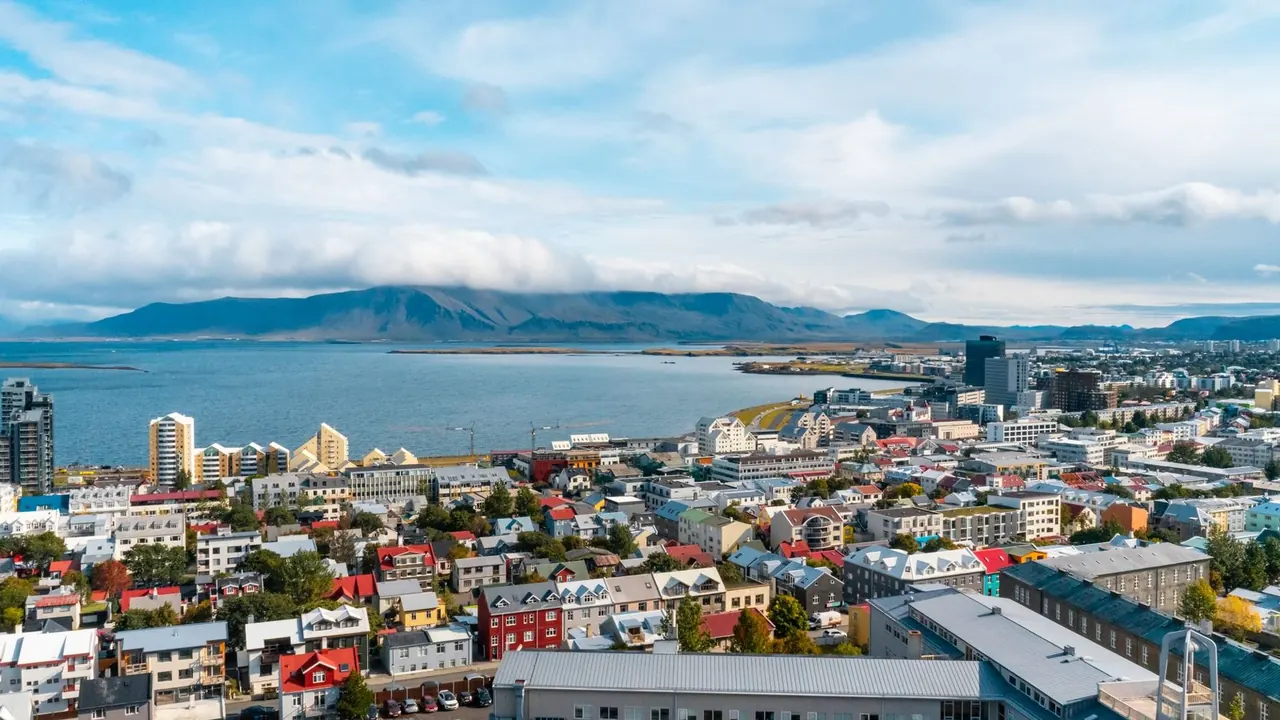
The city from Hallgrímskirkja
- Nature & outdoors92
- Wellness & relaxation88
- Families55
Photo: Atlantic Ambience, Pexels License
Match
44
Every category weighted equally
- Beach & sun43
- Culture & arts41
- Food & nightlife41
- Family trip43
- Outdoors48
- Relax & unwind49
- Shopping & style42
- On a budget40
Reykjavik in twelve categories
Our verdict on each, scored 0 to 100 against the same fixed benchmark cities, so a score means the same thing on every page.
Beaches & swimming. Scores 12 out of 100.
Food & drink. Scores 42 out of 100.
Culture & sights. Scores 25 out of 100.
Nightlife. Scores 45 out of 100.
Nature & outdoors. Scores 92 out of 100.
Day trips. Scores 35 out of 100.
Good for families. Scores 55 out of 100.
Getting around. Scores 55 out of 100.
Shopping & style. Scores 25 out of 100.
Affordability. Scores 6 out of 100.
Live music & performing arts. Scores 45 out of 100.
Wellness & relaxation. Scores 88 out of 100.
Reykjavik category by category
Beaches & swimming
12Reykjavik is on the sea but nobody comes here for the beach. In the height of summer the North Atlantic rarely gets above about 12°C, the shore is mostly rock, black sand and harbour wall, and the weather can turn cold on any day of the year.
The exception is Nauthólsvík, a small golden-sand cove near the domestic airport where geothermal water warms a shallow lagoon behind a sea wall. Locals take a quick plunge in the open sea and then warm up in the hot tub. It is a fun hour, not a beach vacation. For real swimming, visitors go to the city's heated outdoor pools.
Food & drink
42Eating in Reykjavik is built on very good raw materials: cod, haddock, Arctic char and langoustine landed nearby, free-range lamb, skyr and dairy, and vegetables grown in geothermal greenhouses. The best kitchens cook this in a pared-back New Nordic style, and a bowl of lamb soup or plokkfiskur, a mash of fish and potato, makes a good simple lunch. Lamb hot dogs from harbour-side stands are a local habit.
The scene is small, though. The centre around Laugavegur and the Old Harbour has a fair number of cafés, bakeries, bistros and craft-beer bars, but the range thins out quickly, and fermented shark and similar dishes are curiosities rather than daily food. Eating out is expensive at every level, and many visitors cook some meals for themselves.
Culture & sights
25Reykjavik's sights fit easily into a day or two. Hallgrímskirkja, the concrete church whose stepped tower looks like basalt columns, stands over the city and has a viewing platform at the top. Harpa, the glass concert hall on the harbour, is the other modern landmark. The Sun Voyager sculpture on the seafront completes the short list.
The museums are small but worth seeing: the National Museum for Iceland's history from settlement onwards, the Settlement Exhibition built around a Viking-age longhouse found under the old centre, and the three branches of the Reykjavik Art Museum. The old town of painted, corrugated-iron houses around Tjörnin lake is pleasant to walk. Few people come for the city's sights, though. They use it as a base for the country around it.
Nightlife
45Reykjavik goes out hard but only on certain nights. On Friday and Saturday the centre fills up for the runtur, a crawl along Laugavegur, Bankastræti and the side streets near Austurvöllur, moving between small bars that turn into dance floors after midnight and stay busy until the early hours. In midsummer the sky never gets properly dark, and walking out of a bar at 3am into daylight is part of the experience.
The rest of the week is quiet, with happy hours, craft-beer and cocktail bars and not much more. Because alcohol is heavily taxed, many locals drink at home before heading out late. The whole scene fits into a few blocks, which keeps it friendly and easy, but there is not much variety.
Nature & outdoors
92Landscape is the reason most people come. Within an hour or two of the city are the rift valley at Þingvellir, where the tectonic plates pull apart, the Strokkur geyser, which erupts every few minutes, and the waterfall at Gullfoss. Further along the south coast are Seljalandsfoss, Skógafoss and the glacier tongue at Sólheimajökull, where guided ice walks start. The Reykjanes peninsula, close to the airport, is a bare country of moss-covered lava fields, bubbling mud pools and sulphur-streaked hillsides at Krýsuvík, and sea cliffs loud with birds. Closer to town, Mount Esja makes a demanding half-day hike, and whale-watching and puffin boats leave from the Old Harbour.
The seasons change everything. Summer brings near-constant daylight, open highland tracks and the best hiking. Winter has only a few hours of light, ice caves, snowmobiling and trips out of the city to look for the northern lights. The weather is wild in any month, and visitors have to accept that it will shape every plan.
Day trips
35Iceland has very few towns, so trips out of Reykjavik are mostly about landscape rather than places. The great exception is Þingvellir, about an hour away, where the Viking-age parliament met in the open air from 930. It is the country's most important historic site. The Golden Circle loop adds Skálholt, the old bishopric and seat of learning.
Towards the north, Borgarnes has a settlement centre built around the sagas, and nearby Reykholt was the home of the medieval writer Snorri Sturluson. To the south-east, the greenhouse town of Hveragerði and the old trading villages of Eyrarbakki and Stokkseyri, with their wooden merchant houses, make a quiet afternoon. These are pleasant stops along a scenic drive, not destinations in their own right.
Good for families
55Reykjavik is one of the easiest capitals to bring children to. The streets are safe, traffic is light, and Icelandic family life is relaxed and welcoming. The big daily treat is the public swimming pools, open in all weathers, with warm shallow pools, water slides and hot tubs where children splash about outdoors even in snow. Laugardalur has the largest pool, plus a small park with farm animals and fairground rides.
Perlan, on its hill above the city, has an indoor ice cave and exhibits on glaciers and volcanoes that work well for older children. Whale-watching boats and short trips to geysers and waterfalls usually go down well too. The downsides are long coach days on Golden Circle and south-coast trips, weather that can be harsh at any time of year, and the cost of feeding a family.
Getting around
55Central Reykjavik is small, and almost everything a visitor wants to see lies within a half-hour walk: Hallgrímskirkja, Laugavegur, Tjörnin lake, Harpa and the Old Harbour. The yellow city buses reach the pools, Perlan and the outer districts. They are reliable but not frequent, and there is no tram, metro or train.
Outside the city it changes completely. Keflavík airport is about 45 minutes away by airport coach, and the Golden Circle, the south coast and Reykjanes are reached by hire car or organised tour. Many visitors drive themselves. In winter, wind, ice and dark afternoons make even short walks harder, and country roads need care.
Shopping & style
25Shopping in Reykjavik mostly means Laugavegur and the streets around Skólavörðustígur, which runs up to Hallgrímskirkja. The best buy is a hand-knitted lopapeysa, the round-yoked wool sweater, along with Icelandic outdoor clothing, design shops selling ceramics, jewellery and homeware made from lava stone and fish leather, and record shops stocked with local music.
The selection is small and prices are high, with no luxury district or department-store shopping to speak of. The weekend flea market in the old harbour warehouse adds some local colour, with second-hand wool and dried fish. For most visitors, shopping fills an afternoon rather than a whole trip.
Affordability
6Reykjavik is one of the most expensive places in the world to visit. Hotel rooms, even simple guesthouses, cost more than in most European capitals. A plain restaurant meal costs what a smart dinner would elsewhere, alcohol is heavily taxed, and guided tours, car hire and fuel add up fast.
There are ways to keep costs down. The public swimming pools are cheap and excellent, supermarkets and bakeries are much cheaper than restaurants, tap water is superb, and self-catering apartments help a lot. Still, a visitor has to plan for high prices from the start.
Live music & performing arts
45Reykjavik has a serious musical life for a city of its size. Harpa, the glass concert hall on the harbour, is home to the Iceland Symphony Orchestra and also stages opera, and its main hall has excellent acoustics. The National Theatre and the City Theatre stage a full season, though almost always in Icelandic. Visitors will find English-language and music-led shows easier to follow.
The city is best known for its alternative and electronic music, and small bars and venues in the centre host local bands most weekends. In late autumn the long-running Iceland Airwaves festival fills these venues with new acts, and the Reykjavik Arts Festival brings performance in spring. Outside the festivals, a visitor will usually find something on, but not much to choose from.
Wellness & relaxation
88Bathing is where Reykjavik really excels. Every neighbourhood has a geothermally heated outdoor pool with a row of hot tubs at different temperatures, a cold plunge and often a steam room. Locals come early in the morning and after work to soak and chat, in sleet or under the northern lights. Laugardalslaug is the largest, and Vesturbæjarlaug in the west end is the neighbourhood favourite. Visitors are expected to shower thoroughly without a swimsuit before getting in.
Beyond the city, the milky-blue Blue Lagoon in the lava fields of Reykjanes is the famous geothermal spa, about 45 minutes away and convenient on the way to or from the airport. Quieter natural hot springs and lagoons lie along the Golden Circle. Conventional spas are fewer, but in this city a long soak in hot water is part of daily life.
When should you go?
Pick a month to see what it is like. The climate figures are measured averages, not a forecast.
Reykjavik in July
Daytime high, °C
Rainfall in the month, mm
The whole year
Shaded against this city’s own year: the deepest cell is its best month for that figure and the palest its weakest.
Temperature and rainfall are climate normals, averaged over the years shown. Reykjavik: 1991-2020 normals, Reykjavik (2.3 km from centre).
Before you go
| Measure | Reykjavik |
|---|---|
| Official language | Icelandic |
| Currency | Iceland Krona (ISK) |
| Sockets | CF230 V, 50 Hz |
| Driving side | Right |
| Time zone | UTC |
| Emergency number | 112 |
| Elevation | 8 m |
| Main airport | Keflavik International Airport (KEF)37 km from centre88 non-stop destinations |
| Public holidays this year | 16 days |
By the numbers
| Measure | Reykjavik |
|---|---|
| City population | 138,772 |
| People per km² | 569 |
| Museums within 10 km | 23 |
| UNESCO World Heritage sites within 50 km | 1 |
| Swim season, months above 21 °C | None |
Compare Reykjavik with
Every comparison with a written verdict behind it.