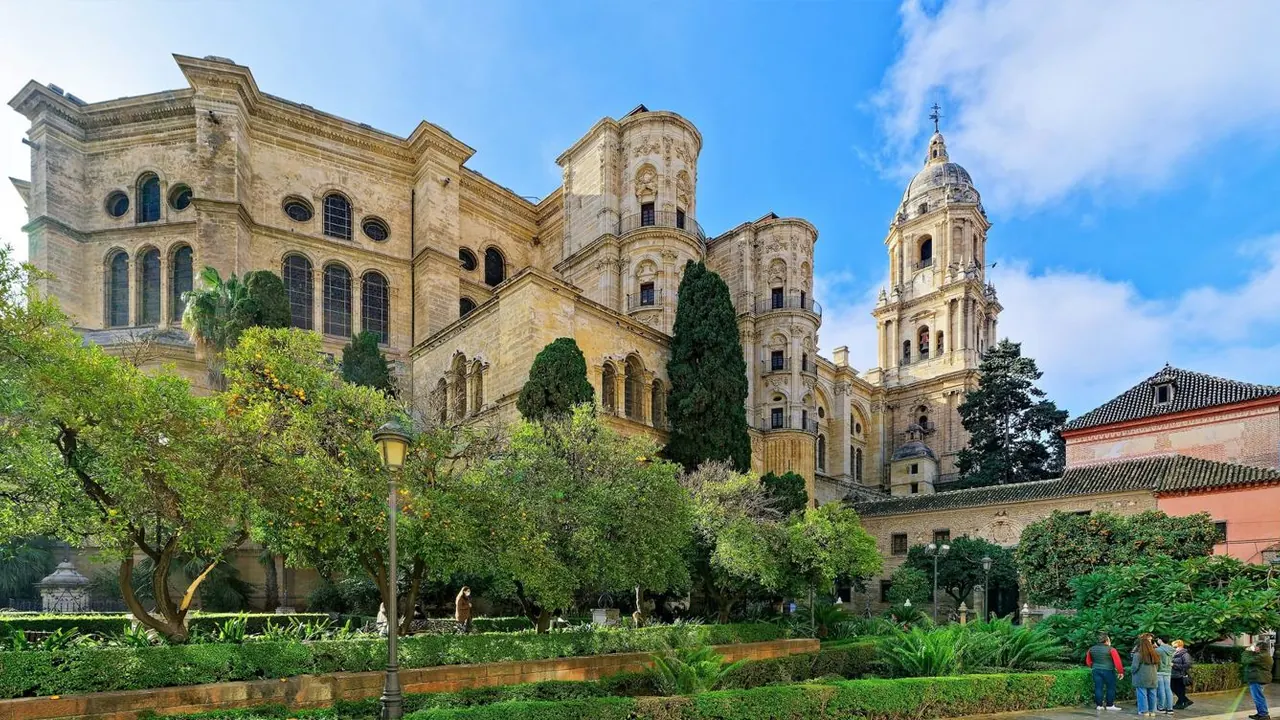
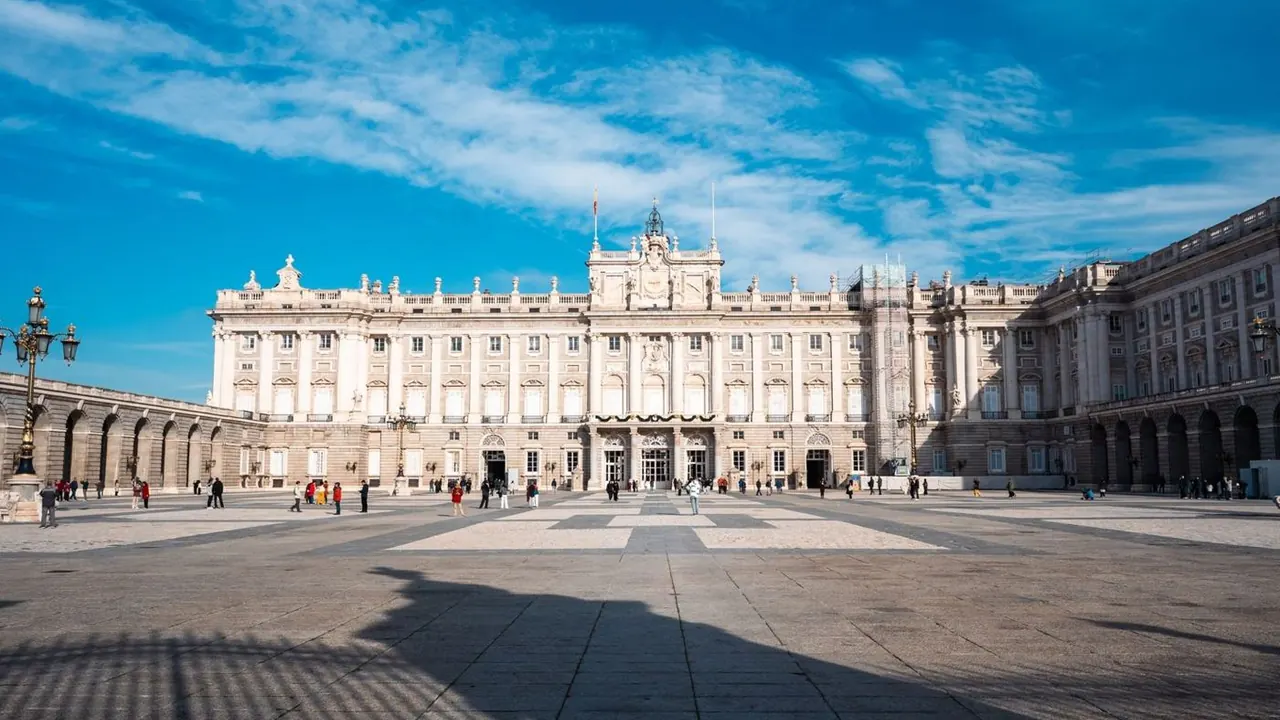
Photos: Malaga by Holger Uwe Schmitt, CC BY-SA 4.0, cropped; Madrid by Mert Ocak, Pexels License.
Malaga or Madrid?
Our verdict in twelve categories, each scored against the same fixed benchmark cities, and the climate month by month, so you can choose for your trip.
Choose Malaga for
- beaches
- nature and the outdoors
- wellness
For sun, sea and a slower pace, Malaga is the better pick. The beach is a short walk from the cathedral, winters stay mild, and hills, gorges and coves are close by. Its old town is smaller and can be seen in a couple of days, but Granada, Córdoba and Ronda make easy days out, so it suits travellers who want to mix sightseeing with time on the sand.
Choose Madrid for
- live music and the arts
- nightlife
- culture and sights
Madrid is the choice for a city trip built around art, food and late nights. The Prado, the Reina Sofía and the Thyssen are a short walk apart, the tapas counters of La Latina and Lavapiés keep you fed until midnight, and the bars and clubs run until dawn. It is also the better base for opera, flamenco and shopping, as long as you accept that the sea is out of reach.
Scoreboard
Twelve categories on one fixed scale from 0 to 100. The shaded stretch is the gap between the two.
Your match
Pick a travel style or drag the sliders, and both match scores follow your weighting.
Too close to call, 2 points apart
Wins on beaches and nature and the outdoors with your weighting.
Wins on live music and the arts and nightlife with your weighting.
What matters to you?
Category by category
What the scores mean for a trip.
Beaches & swimming
This is the widest gap between the two cities. Madrid sits on the plateau far from any coast, and in summer the locals make do with municipal pools and the reservoirs below the Sierra de Guadarrama.
Malaga has sand within walking distance of the cathedral. The old fishing quarters of Pedregalejo and El Palo are good for a long afternoon with grilled sardines, and the resort beaches of Torremolinos and Fuengirola are on the suburban train. The sand is ordinary and the Alboran Sea a little cool, but the coves at Nerja, about an hour east, have prettier water.
Food & drink
Both cities eat the Spanish way, at counters and late in the evening, but Madrid has more depth. As the capital it brings together Galician seafood, Basque grills and a serious tier of tasting menus alongside its own cocido and callos, and its market halls and the Cava Baja tapas crawl add plenty of range.
Malaga's food is narrower and closer to the sea: espetos of sardines on the beach, plates of fried fish in El Palo, sweet wine poured from the barrel and ajoblanco in summer. It is excellent casual eating, with fewer ambitious restaurants.
Culture & sights
Madrid is the stronger choice for sightseeing, above all for painting. The Prado, the Reina Sofía and the Thyssen could fill a week between them, and the Royal Palace, Plaza Mayor and Gran Vía give the city its grand capital setting. The older history, though, lies outside the city.
Malaga has the age Madrid lacks: a Roman theatre below the Moorish Alcazaba, with Gibralfaro castle above, and the Picasso Museum in the city where he was born. It is a compact city for two days rather than one to explore for a week.
Nightlife
Madrid has one of the latest and fullest nights out in Europe, and each district has its own character. Malasaña has rock bars, Chueca has the gay scene, La Latina has terraces, and the big clubs around Gran Vía run past dawn.
Malaga keeps the same late hours on a smaller scale. A night out means terraces and small bars around Plaza de la Merced and beach bars at Pedregalejo, with a mixed-age crowd that is sociable rather than wild. For serious clubbing or a gay scene, you take the train to Torremolinos.
Nature & outdoors
Malaga has the outdoors closer to hand. The pine hills of the Montes de Malaga start at the edge of the city. Within an hour or two you can reach the Caminito del Rey gorge walk, the limestone stacks of El Torcal, kayaking under the Maro cliffs and, further off, the Sierra Nevada.
Madrid's green space is mostly parkland: the Retiro, Casa de Campo and Madrid Río. The real hiking is an hour north in the granite of the Sierra de Guadarrama, at La Pedriza and Peñalara. It offers one mountain range rather than Malaga's mix of mountains and sea.
Day trips
Both are excellent bases, and the difference is which part of Spain you see. From Madrid, fast trains reach the historic cities of Castile: Toledo and Segovia in about half an hour, then walled Ávila, Salamanca and Cuenca a little further out.
Malaga opens up Andalucía instead, with Córdoba's Mezquita, Granada's Alhambra, the gorge at Ronda and coastal towns such as Nerja and Marbella. The white villages and the inland gorges are much easier with a car.
Good for families
Families are equally welcome in both, and children out late in the plazas are normal. Madrid has more made for children inside the city, with rowing boats and puppet shows in the Retiro and the zoo, aquarium, cable car and funfair in Casa de Campo.
Malaga's advantage is the gently shelving beach on the doorstep, and its zoo, aquarium and dolphin park are a short train ride along the coast. In both cities, July and August are hard work in the heat.
Getting around
Madrid is easier to get around, even though it is a much bigger city. Its large, air-conditioned metro reaches the airport and every district, and Atocha and Chamartín stations connect straight to the high-speed network, so you need no car even for day trips.
Malaga's centre is small enough that you rarely need transport, and the suburban train reaches the airport in about ten minutes. Away from the coast line, though, buses are sparse, and a car helps for the villages, El Torcal and the Caminito del Rey.
Shopping & style
Madrid offers far more choice. Calle Serrano in the Salamanca district has the luxury houses, and Gran Vía and Preciados have the flagship stores and department stores. Malasaña and Chueca have independent and vintage shops, and on Sunday mornings El Rastro flea market fills the streets below La Latina.
Malaga's shopping centres on the marble-paved Calle Larios and the chain stores around it, with a few independent shops in Soho. Its best buys are things to eat and drink, such as olive oil, almonds and sweet wine from the Atarazanas market. For luxury shopping you go to Puerto Banús, about an hour away.
Affordability
Costs are much the same in both cities, and in both eating out is good value, with tapas, a drink and a set lunch keeping food costs modest. The difference is where the money goes. Madrid's hotels charge what you would expect in a major capital and rise during big events, though its great museums have free hours.
In Malaga the pressure is on rooms in the old town and near the beach from spring to autumn. Coming in winter or staying a little outside the centre makes a real difference.
Live music & performing arts
Madrid has a much fuller stage life. Opera at the Teatro Real, the national orchestra at the Auditorio Nacional, zarzuela, the Gran Vía musicals and serious flamenco tablaos give you a choice on any night, with jazz clubs and Malasaña's indie venues besides.
In Malaga the main stage is the Teatro Cervantes, home of the Malaga Philharmonic, and flamenco is in the tablaos and the more genuine peñas. Its biggest show is Semana Santa in the streets. For opera or a deep theatre season, Madrid is the place to go.
Wellness & relaxation
Neither city is a spa destination, and in both the choice is an Arab-style bathhouse in the old town rather than a bathing tradition of their own. Malaga is slightly easier for unwinding, thanks to the resort spas along the coast towards Marbella, the siesta rhythm and evening walks on the Paseo Marítimo.
Madrid is louder and later by nature. Rest there means a long lunch or a slow afternoon in the Retiro or the Botanical Garden.
When should you go?
Pick your month. The climate figures are measured averages, not a forecast.
Malaga in July
Madrid in July
Daytime high, °C
Rainfall in the month, mm
Temperature and rainfall are climate normals, averaged over the years shown. Malaga: 1991-2020 normals, Malaga / Aeropuerto (8.2 km from centre). Madrid: 1991-2020 normals, Madrid (1.7 km from centre).
Madrid has the climate of a high inland plateau. Winters are cold for Spain, with daytime highs around 10°C in December and January. July and August reach about 33°C, which makes long afternoon walks between districts hard going. The best months for the streets are April, May, late September and early October, though the rain picks up in October. Summer is very dry and very sunny.
Malaga is milder all year. January still reaches about 17°C with plenty of sunshine, so winter is pleasant for walking. November and December are the wettest months, with around 88mm in December. The sea warms to about 22°C by July, and swimming is comfortable from June to October. High summer is as hot as Madrid, so in July and August the beach is a better place to be than the streets.
Which traveller are you?
On a beach and sun trip, Malaga is the clear answer. La Malagueta is a short walk from the old town, the suburban train runs along the Costa del Sol, and the coves at Nerja and Maro have clearer water. Madrid has only pools and reservoirs.
For a culture and arts trip, Madrid is well ahead. The Prado, the Reina Sofía and the Thyssen hold days of painting, and in the evenings there is opera at the Teatro Real, orchestras at the Auditorio Nacional and serious flamenco. Malaga fills two good days.
On a food and nightlife trip, Madrid is the stronger choice. It has cooking from every Spanish region, market halls and the tapas crawl along Cava Baja, then bars that fill after midnight and clubs that run past dawn. Malaga's evenings are sociable but smaller.
Before you go
| Measure | Malaga | Madrid |
|---|---|---|
| Official language | Spanish | Spanish |
| Currency | Euro (EUR) | Euro (EUR) |
| Sockets | CF230 V, 50 Hz | CF230 V, 50 Hz |
| Driving side | Right | Right |
| Time zone | UTC+1, UTC+2 in summer | UTC+1, UTC+2 in summer |
| Emergency number | 112 | 112 |
| Elevation | 18 m | 663 m |
| Main airport | Málaga-Costa del Sol Airport (AGP)8 km from centre165 non-stop destinations | Adolfo Suárez Madrid–Barajas Airport (MAD)14 km from centre241 non-stop destinations |
| Public holidays this year | 12 days | 12 days |
By the numbers
| Measure | Malaga | Madrid |
|---|---|---|
| City population | 599,063 | 3,506,730 |
| People per km² | 1,517 | 5,801 |
| Museums within 10 km | 32 | 88 |
| UNESCO World Heritage sites within 50 km | 1 | 4 |
| Swim season, months above 21 °C | 3 months | - |
Where else could you go?
Every comparison below shares a destination with this one, so you can follow Malaga or Madrid somewhere new.