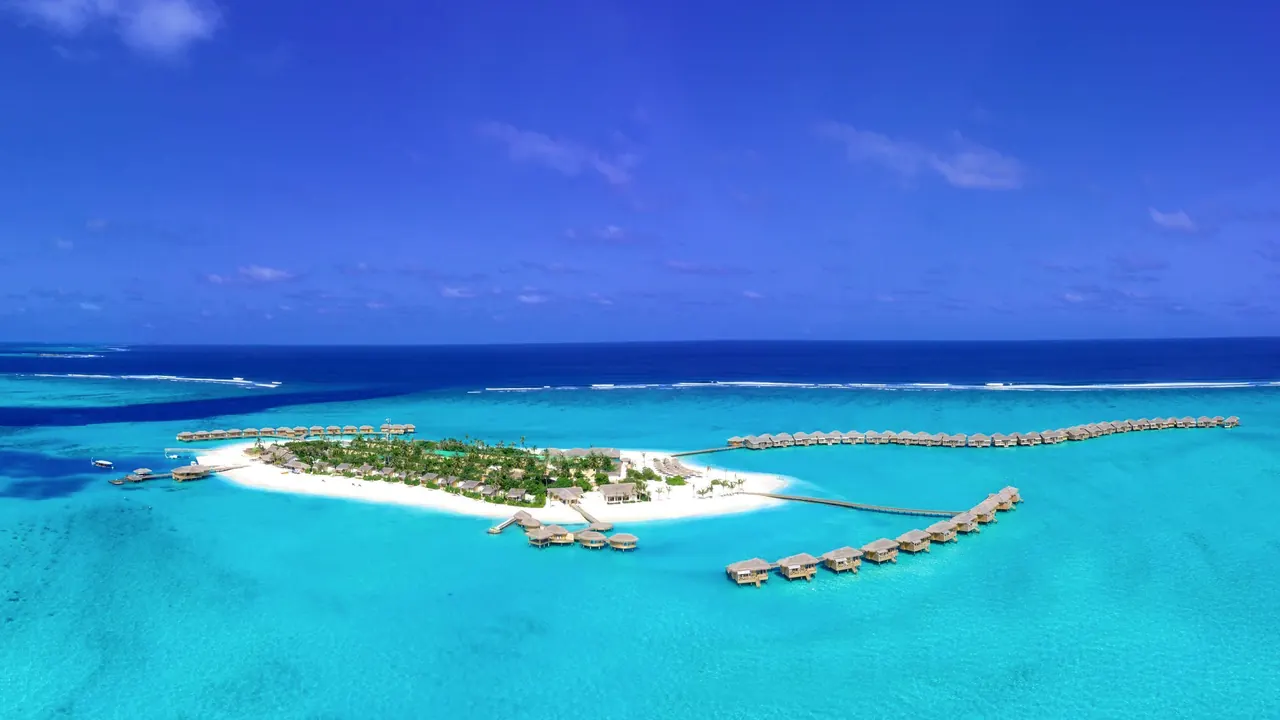
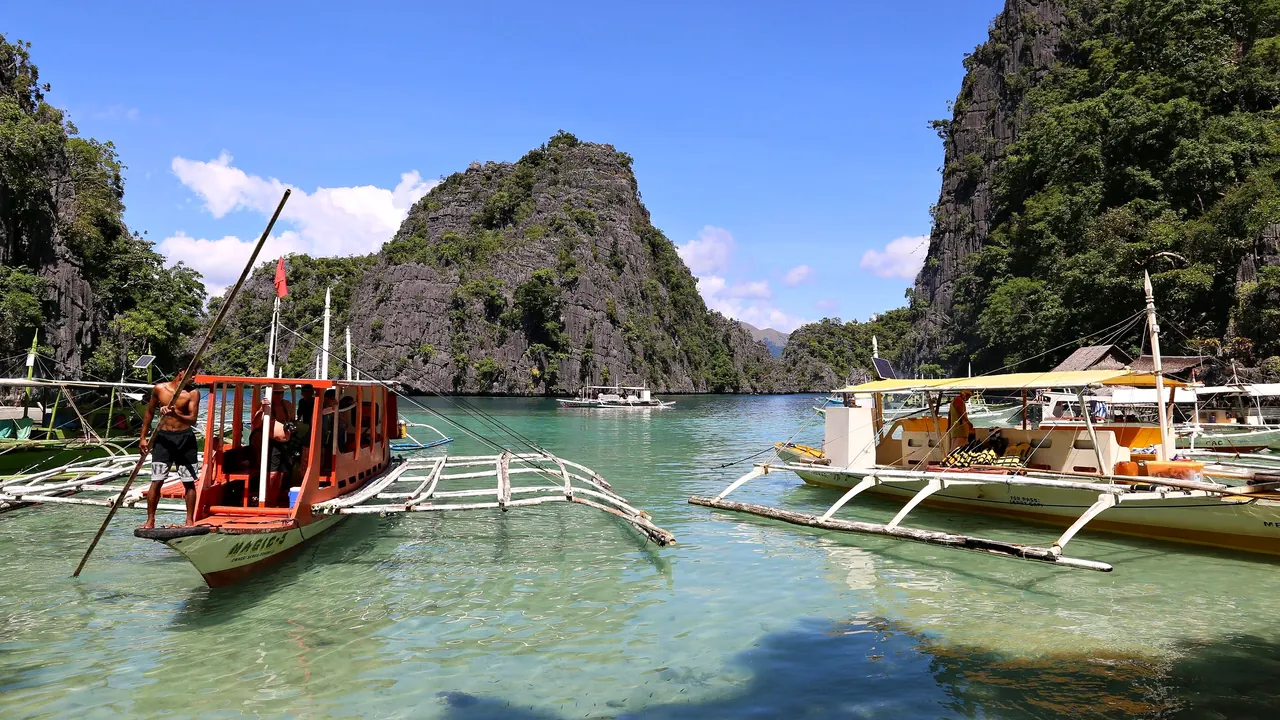
Photos: Maldives by Asad Photo Maldives, Pexels License; Palawan by Sailko, CC BY 3.0, cropped.
Maldives or Palawan?
Our verdict in twelve categories, each scored against the same fixed benchmark cities, and the climate month by month, so you can choose for your trip.
Choose Maldives for
- wellness
- getting around
- beaches
Choose the Maldives for a trip where you arrive, settle on one island and stop moving. The lagoon, the house reef and the resort spa are all a barefoot walk away, transfers are arranged for you, and the calm is close to total. It suits honeymooners, couples and anyone who wants rest with a reef at the door, as long as the budget can carry resort prices.
Choose Palawan for
- prices
- nightlife
- day trips
Palawan rewards travellers who want to keep moving and spend less. The limestone islands of Bacuit Bay, Coron's lakes and wrecks and the Underground River give it a more varied landscape. El Nido has a sociable bar strip after dark, and guesthouses and group boat tours keep costs modest. In return you face long van rides and ferry crossings between bases.
Scoreboard
Twelve categories on one fixed scale from 0 to 100. The shaded stretch is the gap between the two.
Your match
Pick a travel style or drag the sliders, and both match scores follow your weighting.
Wins on wellness and getting around with your weighting.
Wins on prices and nightlife with your weighting.
What matters to you?
Category by category
What the scores mean for a trip.
Beaches & swimming
Both are first-rate beach destinations with water around 28°C. The difference is how you reach the sand. In the Maldives the beach is the stay itself: a resort island ringed with fine white sand and a shallow lagoon, often with a house reef you can swim out to from the shore. On guesthouse islands such as Maafushi, swimwear is limited to marked bikini beaches.
Palawan's best sand is mostly a banca ride away, in the coves and lagoons of Bacuit Bay off El Nido and on the islets around Coron. Nacpan and Duli are long, open beaches you can reach from the mainland. The town waterfronts are not for swimming, so a beach day in Palawan is usually an outing rather than something on your doorstep.
Where in Maldives: North Malé Atoll, Ari Atoll, Baa Atoll, South Malé Atoll
Food & drink
Neither is worth travelling to for the food, but they fall short in different ways. Eating in the Maldives mostly means resort dining, with grilled reef fish and international menus. The local tuna, coconut and chilli cooking, such as mas huni and garudhiya, is found in Malé's teashops, and alcohol is served only on resorts and boats.
Palawan gives you more freedom to wander out for a meal. There is seafood grilled on the beach during island-hopping days, chao long and tamilok in Puerto Princesa, and simple Filipino eateries alongside the traveller cafés of El Nido and Coron.
Where in Maldives: Malé, North Malé Atoll, South Malé Atoll
Culture & sights
Culture is a side note in both. The Maldives keeps its heritage in a few blocks of Malé: the coral-stone Old Friday Mosque from 1658, the National Museum in Sultan Park and the domed Islamic Centre. You can see them all in half a day.
Palawan's sights are spread out instead. The Tabon Caves on the southwest coast are a long trip for mostly empty chambers. Puerto Princesa's cathedral and Plaza Cuartel, and the old leper colony museum on Culion near Coron, are easier to fit into a trip.
Where in Maldives: Malé
Nightlife
Palawan has a modest night scene, and the Maldives has almost none. In El Nido, a short strip of bars along the town beach and back streets fills with travellers in the dry season, with reggae, acoustic sets and the odd beach party past midnight. There are no clubs, though.
In the Maldives the inhabited islands are dry. An evening means a sunset drink at the resort bar and perhaps a DJ on the sand once a week. That suits couples who want quiet nights, but not anyone hoping to go out.
Where in Maldives: North Malé Atoll, South Malé Atoll
Nature & outdoors
Both are superb under water, but Palawan also has plenty to see above it. On land and around the coast there are the sheer limestone islands of Bacuit Bay, Kayangan and Barracuda lakes between Coron's cliffs, the Underground River near Puerto Princesa and rainforest treks on Cleopatra's Needle. At sea there are the 1944 wrecks off Coron and Tubbataha Reef, reached by liveaboard.
The Maldives is all about the reef: feeding mantas at Hanifaru Bay in Baa Atoll, whale sharks in South Ari, sharks and eagle rays in the channels and tiger sharks off Fuvahmulah. On land the islands are flat and small, with nothing to hike or climb.
Where in Maldives: Baa Atoll, Ari Atoll, North Malé Atoll, Fuvahmulah
Day trips
The Maldives has one real outing, a half-day boat trip to Malé from a resort near the airport or from Maafushi, to see the Old Friday Mosque, the fish and produce market and the National Museum in Sultan Park. Beyond that, the trips on offer are snorkelling, sandbank picnics and the odd visit to a village island. The atolls are too far apart to hop between for the day.
Palawan gives you a little more range. From El Nido, banca tours through Bacuit Bay fill whole days, and Taytay, a fishing village with an old Spanish fort, is a couple of hours away by road. Most travellers still move on to Port Barton or Coron rather than return to one base each night.
Where in Maldives: Malé, Maafushi
Good for families
Both work better for families with older children who swim well than for toddlers, and neither has much built for kids. In the Maldives a family trip means choosing the right resort, ideally in North or South Malé Atoll with a kids' club and a shallow lagoon. Some resorts do not take young children at all.
Palawan is warm towards children and has calm lagoons for kayaking, plus the crocodile conservation centre and Honda Bay near Puerto Princesa. Long winding van rides, open boats and basic medical care outside the city make it harder going with little ones.
Where in Maldives: North Malé Atoll, South Malé Atoll, Baa Atoll
Getting around
The Maldives is simpler because most visitors hardly move. The resort collects you at the airport by speedboat or seaplane, and after that you walk the island barefoot. Splitting a stay between islands is the slow and awkward part.
Palawan is a trip built around transfers. From Puerto Princesa it is five to six hours by shared van on a winding road to El Nido, and the ferry on to Coron takes about four hours, with crossings cancelled in rough weather. Tricycles, scooters and banca boats cover the short hops.
Where in Maldives: North Malé Atoll, South Malé Atoll, Malé
Shopping & style
In the Maldives, Malé's market for fish, fruit and dried tuna and its traditional lacquered wooden boxes are about all there is to buy. Puerto Princesa has more to take home, with cashew nuts, woven baskets and South Sea pearl jewellery.
Away from those two towns, both places sell only beach basics. Maldivian resort boutiques stock swimwear and sun cream, and the shops of El Nido and Coron sell sarongs and souvenirs, so pack what you need.
Where in Maldives: Malé
Affordability
Palawan is far cheaper day to day. Simple guesthouses, local meals, shared vans and group island-hopping tours keep a frugal trip comfortable. Rooms in El Nido cost more in the dry season, and conservation fees, private boats and internal flights add to the bill.
The Maldives sits at the top end. Overwater villas, resort meals, seaplane transfers and dives are all priced for guests who cannot go elsewhere. Guesthouse islands such as Maafushi, Thoddoo and Dhigurah bring down the cost of a bed, but excursions and speedboats stay expensive and almost everything is imported.
Where in Maldives: Maafushi, Thoddoo, Dhigurah
Live music & performing arts
There is little to plan an evening around in either place. The Maldives has bodu beru, the traditional big-drum music played at resort evenings and Malé festivals, which builds to a fast, chanted climax. Palawan has guitarists in El Nido's beach bars and the occasional folk dance show in Puerto Princesa. Neither has a theatre or a concert hall.
Where in Maldives: Malé
Wellness & relaxation
The Maldives is built for rest in a way Palawan is not. Almost every resort has a spa, many over the lagoon, with yoga pavilions and retreat programmes, and Baa Atoll suits the most secluded stays. With no traffic and no sightseeing to do, the pace slows within hours.
Palawan's offer is simpler: hilot and oil massage in open huts in El Nido, Coron and Puerto Princesa. It also has a natural bathing spot the Maldives lacks, the Maquinit hot spring near Coron, which is best after dark. Full spas are found only at the private-island resorts, and El Nido town is too noisy to unwind in.
Where in Maldives: North Malé Atoll, Baa Atoll, South Malé Atoll, Ari Atoll
When should you go?
Pick your month, and for a country the place in it. The climate figures are measured averages, not a forecast.
Malé (Maldives) in July
Palawan in July
Daytime high, °C
Rainfall in the month, mm
Where the figures come from
Palawan has no weather station within reach, so its figures come from a gridded climate model rather than a measured record, and read a broad area rather than one spot.
Temperature and rainfall are climate normals, averaged over the years shown. Malé (Maldives): 1991-2020 normals, Male (3.9 km from centre). Palawan: 2001-2020 normals, NASA POWER reanalysis grid, no weather station within 90 km.
Neither place has a cold season. Daytime highs stay around 30°C all year in both, and the sea is warm enough to swim in every month. Rain is what sets them apart. The Maldives climate figures are measured at Malé, which is driest and sunniest from January to March, with February and March down to around 44mm of rain. The showers return from April, and October is the wettest month at 216mm, although swimming carries on throughout.
Palawan follows a similar pattern. February to April is its driest stretch and suits boat days in Bacuit Bay and around Coron, and May is still fairly settled before the rains build. From June to October most months get more than 200mm, and choppy seas can cancel boat trips. November and December stay wet but ease towards the new year. For either place, February to April is the safest time to go.
Which traveller are you?
On a trip on a tight budget, Palawan is the clear choice. Guesthouses, local meals, shared vans and group island-hopping tours keep costs low. In the Maldives even guesthouse islands such as Maafushi leave diving, excursions and speedboats expensive.
For a relaxing and wellness trip, the Maldives is the stronger pick. Almost every resort has a spa, often over the lagoon, with yoga and retreat programmes, and nothing breaks the quiet. Palawan's massage huts and Maquinit hot spring are pleasant extras, not the point of the trip.
On a food and nightlife trip, Palawan gives evenings more life. El Nido has its beach bars and sunset drinks at Las Cabanas, and Puerto Princesa has chao long. In the Maldives the inhabited islands are dry, and nights end at the resort bar.
More comparisons
Each shares a side with Maldives or Palawan.
 Bali vs Maldives
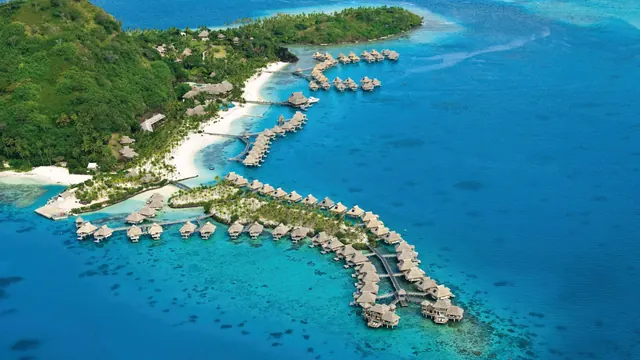 Bora Bora vs Maldives
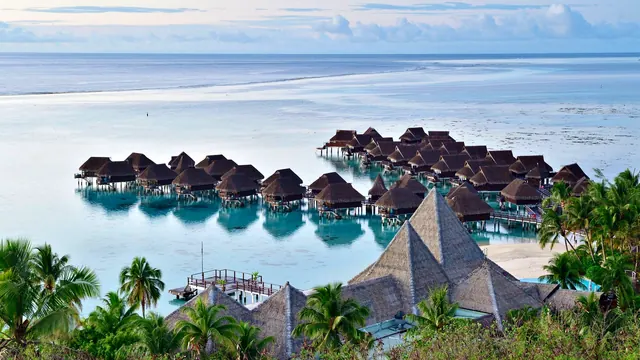 French Polynesia vs Maldives
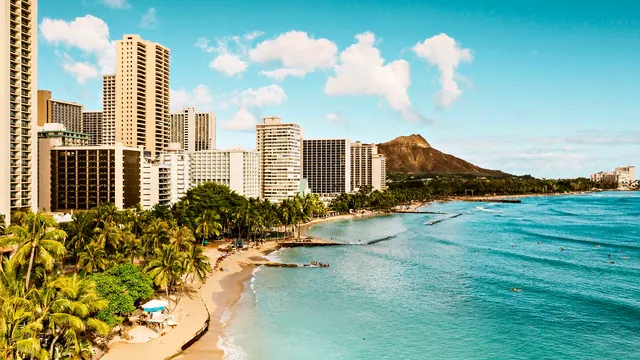 Hawaii vs Maldives
 India vs Maldives
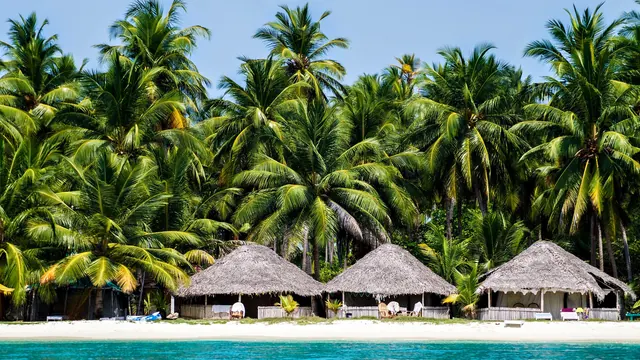 Lakshadweep vs Maldives
 Maldives vs Fiji
 Maldives vs Malaysia
 Maldives vs Seychelles
 Maldives vs Singapore
 Maldives vs Tahiti
 Maldives vs Thailand
 Maldives vs Turks and Caicos
 Mauritius vs Maldives
 Palau vs Maldives
 Palau vs Palawan
 Philippines vs Maldives
 Sri Lanka vs Maldives
 The Bahamas vs Maldives
 Zanzibar vs Maldives
Where else could you go?
Set Maldives against any other country.