Malé
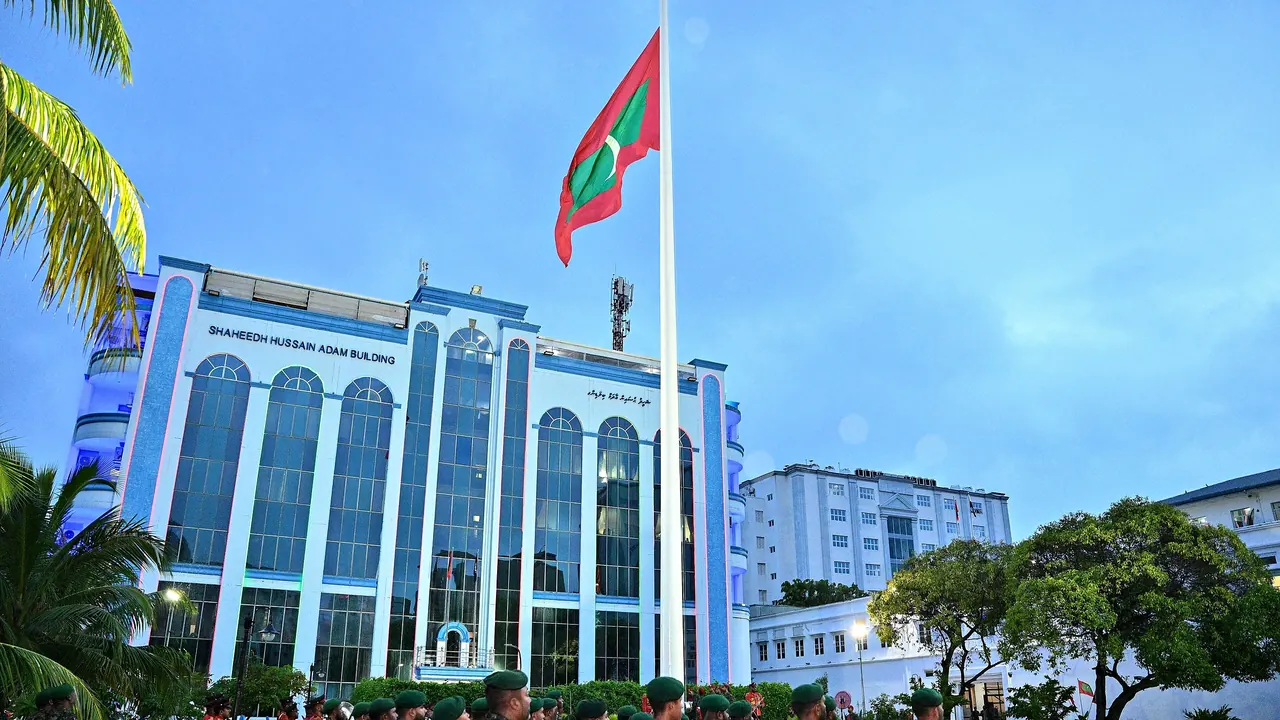
The flag raised over Republic Square in Malé
- Nature & outdoors66
- Beaches62
- Getting around52
Photo: The President's Office of the Republic of Maldives, CC BY 4.0, cropped
Match
34
Every category weighted equally
- Beach & sun38
- Culture & arts31
- Food & nightlife29
- Family trip41
- Outdoors41
- Relax & unwind38
- Shopping & style30
- On a budget36
Malé in twelve categories
Our verdict on each, scored 0 to 100 against the same fixed benchmark cities, so a score means the same thing on every page.
Beaches & swimming. Scores 62 out of 100.
Food & drink. Scores 34 out of 100.
Culture & sights. Scores 30 out of 100.
Nightlife. Scores 6 out of 100.
Nature & outdoors. Scores 66 out of 100.
Day trips. Scores 33 out of 100.
Good for families. Scores 28 out of 100.
Getting around. Scores 52 out of 100.
Shopping & style. Scores 16 out of 100.
Affordability. Scores 50 out of 100.
Live music & performing arts. Scores 6 out of 100.
Wellness & relaxation. Scores 22 out of 100.
Malé category by category
Beaches & swimming
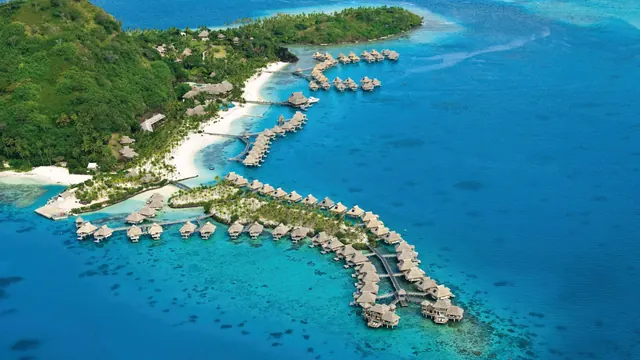
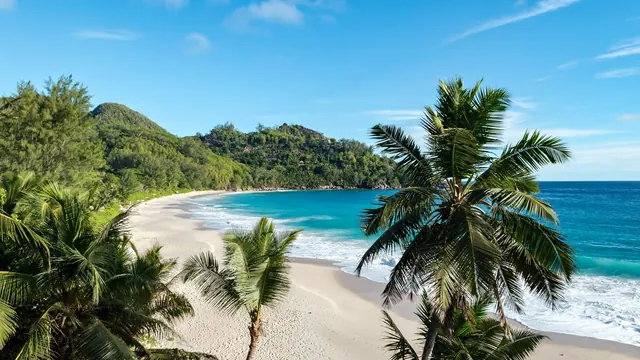
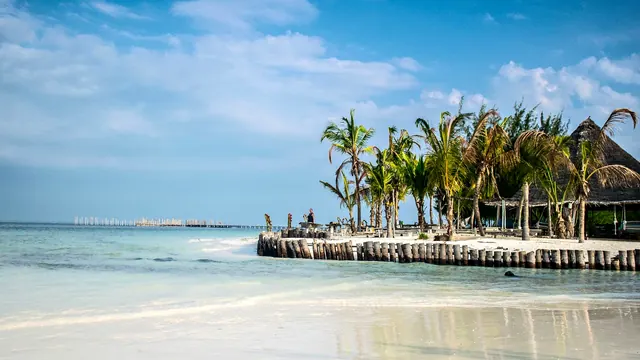
62Malé is a crowded coral island built to its edges, so the city itself has little sand: a small artificial beach on the eastern shore where locals swim in the evening, and a surf break off the seawall. The real beaches are a short hop away. Hulhumalé, across the bridge, has a long white strand on the lagoon, and Villimalé, a few minutes by ferry, has a quieter shore. The sea is about 28°C to 29°C all year and very clear.
On inhabited islands, including Hulhumalé, swimming is done modestly dressed. For bikinis and sandbanks, travellers take a speedboat to guesthouse islands such as Maafushi, with designated tourist beaches, or buy a resort day pass. Beach life is excellent within reach but rarely sits at the centre of a stay in the capital.
Food & drink
34Eating in Malé means Maldivian food: tuna in every form, from mas huni (shredded smoked fish with coconut and chilli) eaten with roshi flatbread at breakfast to garudhiya fish broth with rice and lime. The best introduction is the local tea shops, where glass cabinets hold hedhikaa, the fried and baked short eats that come with sweet black tea. The fish market on the northern waterfront, where the day's skipjack and yellowfin are landed and cut, is worth a visit even if you are not cooking.
Beyond that the choice is limited: Sri Lankan, Indian and Thai cooking, some seafood grills and plenty of coffee. The whole city is dry, so wine, beer and cocktails only exist at the resorts and on the airport hotel island.
Culture & sights
30Malé's sights fit into a morning's walk. The highlight is the Old Friday Mosque, Hukuru Miskiy, built in the seventeenth century from carved coral stone with lacquered wood inside, next to a round minaret and a graveyard of carved headstones. Nearby are the blue-roofed Mulee-aage palace, Sultan Park, and the National Museum, which has royal objects, Buddhist-era stone carvings and pieces from the islands' pre-Islamic past. The golden dome of the Grand Friday Mosque is the skyline landmark.
The rest of the city is dense, functional concrete. Visitors see the heritage in an afternoon and then head to the water.
Nightlife
6Alcohol is not served anywhere in Malé, so the city has no bars or clubs. Evenings are spent at cafés and juice bars that stay open late, at the shisha-free tea shops, or walking along the waterfront when the heat drops. Families and young people crowd the promenade and the artificial beach after dark. That is pleasant, but if you want a drink or a party, you have to go to a resort or a liveaboard boat.
Nature & outdoors
66On land there is nothing to hike: Malé is a flat, fully built coral island, and the landscape is entirely sea. Under the water it is a different place. The reefs of North and South Malé atolls are within a short boat ride and include famous dive sites: channel drifts with grey reef sharks and eagle rays, manta cleaning stations, wrecks and coral gardens. Dive centres in Malé and Hulhumalé run day trips, and snorkelling excursions to house reefs and sandbanks are easy to arrange.
Dolphin-watching cruises at sunset, surfing on the outer reefs from roughly March to October, kayaking and paddleboarding fill out the offer. The northeast monsoon brings calmer, clearer seas from about December to April, and the southwest monsoon brings rougher water and more rain.
Day trips
33Day trips from Malé are by boat, to other islands. Hulhumalé and Villimalé are close and quiet, with a different pace to the capital. Further out, local islands such as Maafushi, Guraidhoo, Huraa and Thulusdhoo show village life: sandy lanes, small mosques, fishing boats and guesthouses, reached in under an hour by speedboat or longer on the slow public ferry. Many resorts sell day passes.
The islands are pleasant but very alike, and there are no historic towns, heritage sites or other cities within reach. What draws people out is the water, not the places.
Good for families
28Maldivians are warm towards children and the city feels safe, but Malé is hard work with young ones. Its narrow streets are packed with scooters, the pavements are narrow or blocked, there is little shade, and there are almost no attractions made for children beyond small playgrounds, Sultan Park and the artificial beach. Hulhumalé is easier, with wider streets, parks and a calm lagoon for paddling.
Most families pass through Malé on the way to a resort with a kids' club and a house reef, and that is a better use of a family trip.
Getting around
52Malé is about two kilometres across, so everything in the city is in walking distance. The walking itself is not easy: streets are narrow, pavements are cramped and often blocked by parked scooters, and the traffic of motorbikes is constant. Taxis are plentiful and charge flat fares within the city. A bridge links Malé to the airport island and Hulhumalé, with buses along it, and frequent ferries cross to Villimalé.
Beyond that, travel between islands means public ferries, which are slow and do not run every day on every route, or speedboat transfers, which are faster but must be booked. A car is never needed.
Shopping & style
16Shopping in Malé is practical. Majeedhee Magu, the main street, sells clothes, electronics and household goods to locals, and the produce market near the harbour has coconuts, chillies, betel leaves and jars of smoked tuna paste to take home. Souvenir shops on the waterfront sell sarongs, model dhonis and T-shirts, much of it imported. Genuine local crafts, such as lacquered wooden boxes and woven grass mats, take some looking for. Nobody comes here to shop.
Affordability
50Malé is the affordable side of a costly country. Tea-shop meals, city taxis and public ferries cost little, and city hotels and Hulhumalé guesthouses are far cheaper than the resorts, though they give modest comfort for the price. The costs come as soon as you go on the water: speedboat transfers, diving, snorkelling trips and resort day passes are expensive, and most imported goods cost more than they would at home. A stay built on the city and local islands is moderately priced. One built on excursions is not.
Live music & performing arts
6There is almost no performance life for a visitor in Malé. Bodu beru, the traditional big-drum music and dance, is the one local tradition, and you hear it mainly at national celebrations and Eid, or performed for guests at resorts. There is no theatre, concert hall or live-music venue with a regular programme.
Wellness & relaxation
22Malé is one of the most densely packed cities anywhere, and it is not a place to slow down. Scooters run through the night, there is little green space, and there is no local tradition of public bathing or spa culture. A few small day spas in the city and in Hulhumalé offer massages. For real rest, visitors book a resort spa day or move on to a quieter island, where the pace is completely different.
When should you go?
Pick a month to see what it is like. The climate figures are measured averages, not a forecast.
Malé in July
Daytime high, °C
Rainfall in the month, mm
The whole year
Shaded against this destination’s own year: the deepest cell is its best month for that figure and the palest its weakest.
Temperature and rainfall are climate normals, averaged over the years shown. Malé: 1991-2020 normals, Male (3.9 km from centre).
Before you go
| Measure | Malé |
|---|---|
| Official language | Maldivian |
| Currency | Rufiyaa (MVR) |
| Sockets | ACGJKL230 V, 50 Hz |
| Driving side | Left |
| Time zone | UTC+5 |
| Emergency number | Police 119, ambulance 102, fire 118 |
| Elevation | 2 m |
| Main airport | Velana International Airport (MLE)3 km from centre50 non-stop destinations |
By the numbers
| Measure | Malé |
|---|---|
| Population | 133,019 |
| People per km² | 22,934 |
| Museums within 10 km | 1 |
| UNESCO World Heritage sites within 50 km | 0 |
| Swim season, months above 21 °C | 12 months |
Compare Malé with
Every comparison with a written verdict behind it.