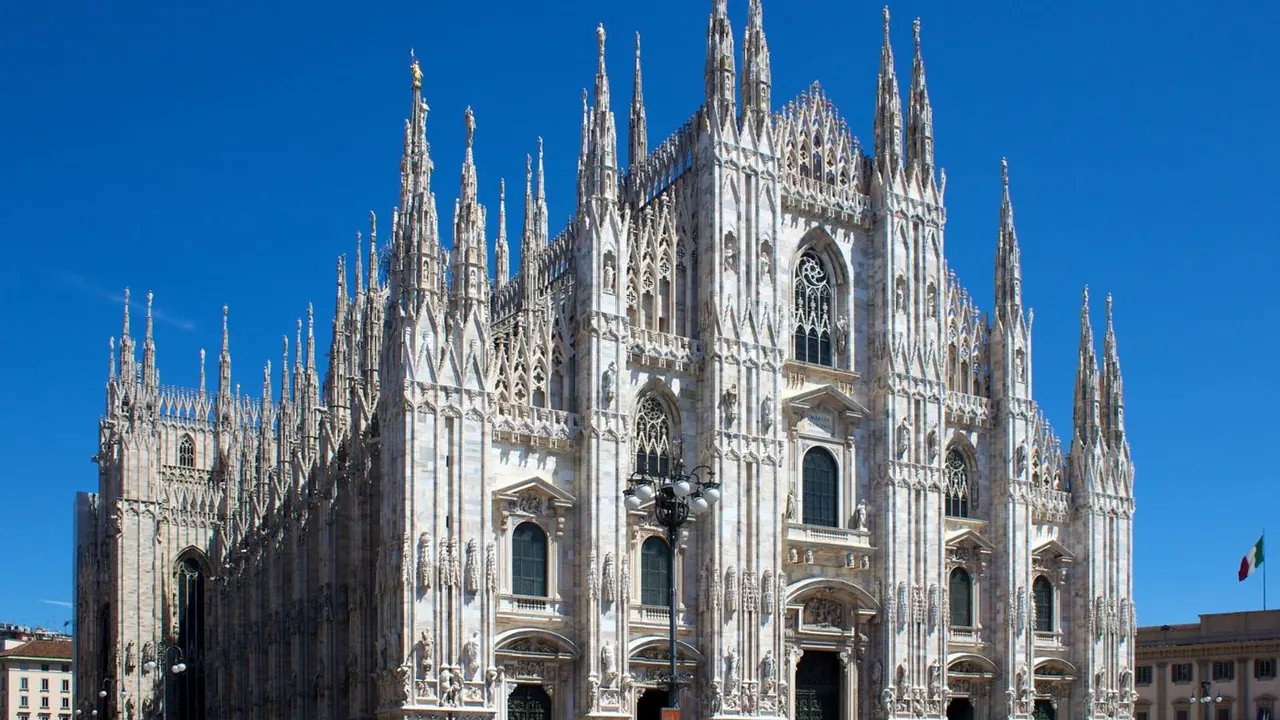
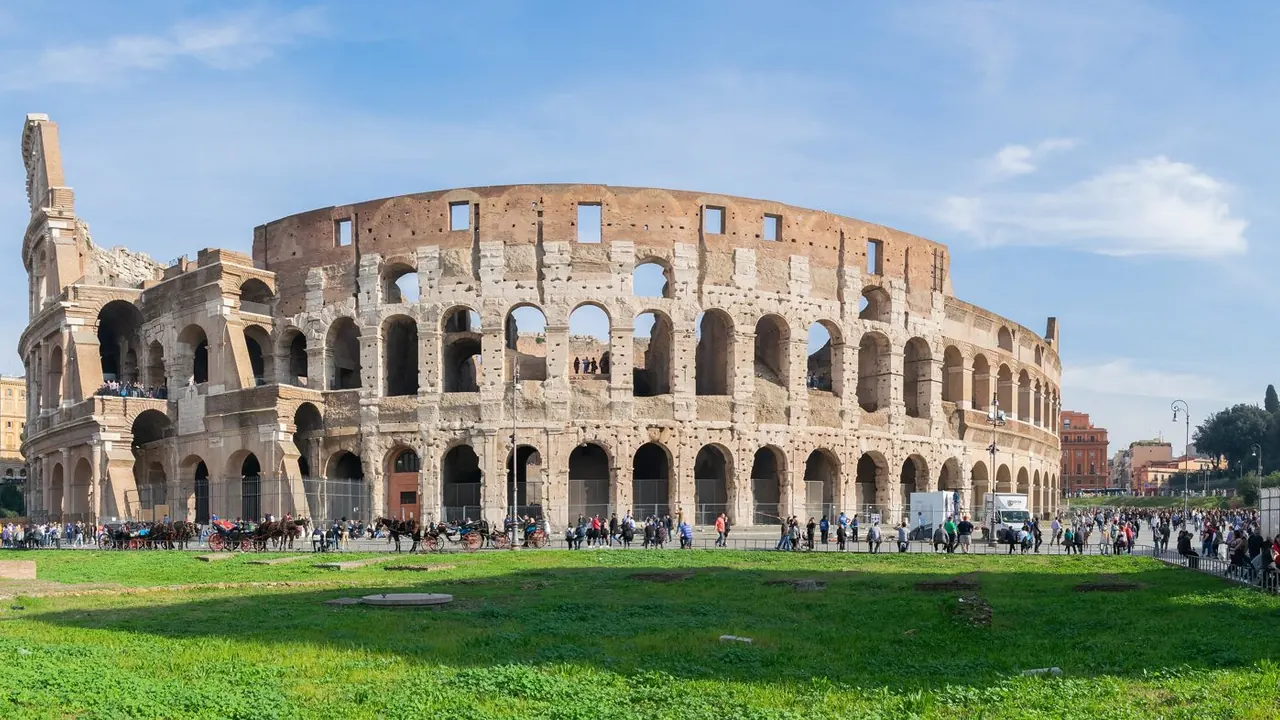
Photos: Milan by Jiuguang Wang, CC BY-SA 3.0, cropped; Rome by Tournasol7, CC BY-SA 4.0, cropped.
Milan or Rome?
Our verdict in twelve categories, each scored against the same fixed benchmark cities, and the climate month by month, so you can choose for your trip.
Choose Milan for
- shopping
- getting around
- live music and the arts
Milan suits a traveller who likes things polished and well connected. Base yourself here for serious fashion and design shopping, a night at La Scala, aperitivo along the Navigli and easy trains to the lakes and mountains. The headline sights are few, so the city works best on a shorter stay, or as a hub for days out in the north.
Choose Rome for
- beaches
- culture and sights
- prices
Rome is the choice when history is the reason for the trip. The ancient city, the Vatican and the Baroque churches hold more than any single visit can cover, and the trattoria cooking, milder winters and a sea within reach by suburban train add to it. Expect to see the city on foot, because public transport barely reaches the old centre.
Scoreboard
Twelve categories on one fixed scale from 0 to 100. The shaded stretch is the gap between the two.
Your match
Pick a travel style or drag the sliders, and both match scores follow your weighting.
Too close to call, 1 point apart
Wins on shopping and getting around with your weighting.
Wins on beaches and culture and sights with your weighting.
What matters to you?
Category by category
What the scores mean for a trip.
Beaches & swimming
Neither city is a beach destination, but Rome at least has the sea within reach. Ostia's long dark volcanic sand is about half an hour away by suburban train and Fregene is calmer, though the water is rarely clear and Romans fill the lidos at weekends.
Milan has no coast at all. In summer you swim at the Idroscalo basin near Linate or in the open-air city pools, or take the train to the pebbly lidos and swimming platforms of Lake Como and Lake Maggiore, which are more scenic but always a planned outing.
Food & drink
Both are excellent places to eat, but the food is very different. Milan cooks with butter: saffron risotto, ossobuco, cotoletta. It also does well what Rome does less of, namely the cooking of other regions, from Neapolitan pizza to Sicilian pastry, plus a strong fine-dining scene and an aperitivo ritual where the snacks can replace dinner.
Rome is more about the street and the trattoria. There are the four classic pastas, fried artichokes in the Ghetto and offal in Testaccio, and pizza al taglio and supplì are easy to find on any walk, where Milan's street food is much thinner. In both cities the places near the main sights are the weak spot, so head to Navigli or Isola in Milan, or to Trastevere, Monti or Testaccio in Rome.
Culture & sights
Milan's sights are few but of real quality: the marble Duomo with its rooftop terraces, the Last Supper, the paintings at Brera and Michelangelo's Rondanini Pietà in the Castello. They sit in clusters inside a modern business city, and two or three days covers them well.
Rome is on another scale. The Colosseum, the Forum and the Pantheon stand in the middle of town, then come the Vatican Museums and the Sistine Chapel, the Borghese, early Christian mosaics and Bernini's piazzas. Even the walks between sights pass obelisks and aqueduct arches, so the hard part is choosing what to leave out.
Nightlife
Both cities start the evening with aperitivo, but Milan has more to offer later on. Bars on the Navigli spill onto the towpaths, Porta Venezia is the centre of the gay scene, and clubs run from dressy Corso Como venues with strict doors to warehouse nights on the edge of town. The catch is August, when much of the city leaves.
Rome's night is spent outdoors in the piazzas and lanes, with Trastevere the busiest, Monti for cocktail and wine bars, and San Lorenzo and Pigneto for students and arty crowds. Clubbing in Testaccio and Ostiense is limited, so Rome suits a long dinner and a late glass more than dancing.
Nature & outdoors
Milan itself is flat and often hazy, with Parco Sempione and canal towpaths that lead cyclists out into the rice fields. Its real advantage lies an hour north: the steep wooded shores of Como and Maggiore with sailing and windsurfing, via ferrata on the Grigne above Lecco, and skiing in the Valtellina and Aosta valleys in winter.
Rome has better green space inside the city. The villa parks are large, and the cycle ride down the Appian Way past tombs and aqueducts is remarkable. Further out it has the Alban Hills crater lakes and the Apennines about ninety minutes away, but the mountains are less close and less dramatic, and summer heat rules out midday activity.
Day trips
Both are outstanding bases for days out, and the choice depends on what you want to see. From Milan the trips are northern: the lake villages of Bellagio and Varenna, Bergamo's upper town, Verona and Turin by fast train, the Certosa di Pavia, the Borromean Islands and even Lugano across the Swiss border.
From Rome the trips are mostly about the ancient world and hill towns: Ostia Antica, Hadrian's Villa and Villa d'Este at Tivoli, the Etruscan tombs of Tarquinia, cliff-top Orvieto and Civita di Bagnoregio. Fast trains reach Florence and Naples in about ninety minutes.
Good for families
Neither city is built around children, and in both the main sights appeal mostly to adults. Milan is the easier city to get around, with a flat centre, simple trams and the science museum's submarine and trains for a wet day. Its biggest draws for older children are the theme parks, Leolandia and Gardaland, outside the city.
Rome offers more stories to catch a child's interest, from gladiators and catacombs to the Mouth of Truth, and Villa Borghese has the zoo and rowing boats. Cobbles, traffic and long queues make it harder going with a pushchair, and both cities are hot in summer.
Getting around
Milan is much easier to get around. Its compact centre is walkable, and five colour-coded metro lines with contactless gates, plus a dense tram network, cover the rest. Trains to the lakes leave from three central stations. The main drawback is the long transfer from Malpensa.
In Rome you walk. The route from the Colosseum to the Pantheon and across to Trastevere is a pleasure, but the metro hardly enters the historic core, buses get stuck in traffic, and cobbles and scooters make a long day on foot tiring.
Shopping & style
Milan is a major fashion capital and shopping is a reason in itself to go. The Quadrilatero around Via Montenapoleone holds the flagships of houses that started in the city, La Rinascente and the Galleria sit by the Duomo, and furniture and lighting showrooms make design a second strength. Brera, Porta Ticinese and Corso Buenos Aires cover the boutiques and the everyday.
Rome does luxury well too, on Via Condotti below the Spanish Steps, and Monti has good independents. Its best buys are craft items such as leather, handmade shoes and paper, along with the Sunday hunt at Porta Portese, but it has little department-store shopping and a lot of souvenir stock on the main routes.
Affordability
Neither is a cheap city, but Rome comes out slightly cheaper overall, and the two differ in where the money goes. Milan is expensive across the board. Hotel rooms are dear all year and very hard to find at sensible rates during the trade fairs and fashion weeks, and restaurants in the centre and Brera and drinks in stylish bars cost about as much. The main relief comes from aperitivo snacks that can stand in for a light supper and the weekday lunch menus aimed at office workers.
Rome's costs come mostly from two things: small, costly rooms in the historic centre, hardest to find in spring and autumn, and the entry fees at the Vatican Museums, the Colosseum and the Borghese. Day to day it is easier on the wallet than Milan. Espresso at the counter, pizza al taglio and trattoria lunches are fair value, water from the street fountains is free, and you can walk into churches full of masterpieces without paying. In both cities, staying outside the centre near good transport saves the most.
Live music & performing arts
Milan has La Scala, one of the world's great opera houses, with a season that opens each December. Gallery seats put it within reach. The Piccolo Teatro, a symphony orchestra at the Auditorium and big stadium concerts at San Siro add depth, though opera quietens in summer.
Rome works the other way round. Its best moment is summer, when the Teatro dell'Opera moves outdoors to the Baths of Caracalla. The rest of the year there are Santa Cecilia concerts at Renzo Piano's Auditorium and frequent sacred music in churches, but theatre is largely in Italian.
Wellness & relaxation
Milan has its thermal water inside the city, at a spa complex in the south of the centre with outdoor pools and saunas, and in summer the restored 1930s Bagni Misteriosi pools sit beside a historic theatre. For real rest, the quiet lakeside villas are an hour away.
Rome's thermal water lies outside: the sulphurous pools at Bagni di Tivoli, or the free open-air hot springs around Viterbo. In the city its ancient baths are ruins, so a spa day means a hotel spa or a hammam, and the quiet places to stop are the Aventine and the villa gardens.
When should you go?
Pick your month. The climate figures are measured averages, not a forecast.
Milan in July
Rome in July
Daytime high, °C
Rainfall in the month, mm
Where the figures come from
Milan's sunshine is measured 41 km from the centre, at Novara / Cameri.
Rome's sunshine is measured 31 km from the centre, at Vigna Di Valle.
Temperature and rainfall are climate normals, averaged over the years shown. Milan: 1991-2020 (rainfall 1971-2000) normals, Milano / Linate (8 km from centre). Rome: 1991-2020 normals, Roma / Ciampino (15.1 km from centre).
Milan has the harsher year. Winter afternoons stay around 7°C and the Po plain is often grey, while July and August are hot and humid, which makes the metro and midday walks hard work. Rain is spread through the year but heaviest from September to November, peaking at 75mm. May and June, and early September before the autumn rain sets in, are the best months for walking the city and heading to the lakes.
Rome is warmer and sunnier in every month. Winter highs of about 12°C still allow comfortable sightseeing, and summer is drier and fiercer than Milan's, reaching 31°C in July and August with little rain. Those same months bring the sea at Ostia to around 25°C, so swimming is good from late June to September. Spring and October are the gentlest months for exploring, and the wet season runs from October to December.
Which traveller are you?
On a culture and arts trip, Rome is the clear pick. The Forum, the Vatican Museums, the Borghese and Caravaggios hanging in ordinary churches give more than a week can hold. Milan has La Scala and the Last Supper, but far fewer great sights.
For a shopping trip, Milan is the stronger choice. Italian fashion is made here rather than only sold, so a dedicated shopper finds the widest range in one city, from the great houses to vintage and everyday streets. Rome is better for craft buys.
On a beach and sun trip, Rome is the better of the two. Its summers are hotter, drier and sunnier, and Ostia's volcanic sand is about half an hour away by suburban train. From landlocked Milan, a swim means taking the train to the lakes.
Before you go
| Measure | Milan | Rome |
|---|---|---|
| Official language | Italian | Italian |
| Currency | Euro (EUR) | Euro (EUR) |
| Sockets | CFL230 V, 50 Hz | CFL230 V, 50 Hz |
| Driving side | Right | Right |
| Time zone | UTC+1, UTC+2 in summer | UTC+1, UTC+2 in summer |
| Emergency number | 112 | 112 |
| Elevation | 138 m | 21 m |
| Main airport | Milan Malpensa International Airport (MXP)40 km from centre208 non-stop destinations | Rome–Fiumicino Leonardo da Vinci International Airport (FCO)23 km from centre242 non-stop destinations |
| Public holidays this year | 13 days | 13 days |
By the numbers
| Measure | Milan | Rome |
|---|---|---|
| City population | 1,354,196 | 2,748,109 |
| People per km² | 7,453 | 2,135 |
| Museums within 10 km | 88 | 178 |
| UNESCO World Heritage sites within 50 km | 4 | 8 |
| Swim season, months above 21 °C | - | 5 months |
Where else could you go?
Every comparison below shares a destination with this one, so you can follow Milan or Rome somewhere new.