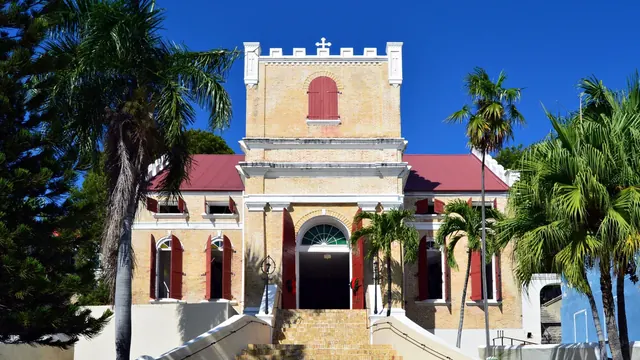
Photos: US Virgin Islands by Navin75, CC BY-SA 2.0, cropped; Puerto Rico by Mariordo (Mario Roberto Durán Ortiz), CC BY-SA 4.0, cropped.
US Virgin Islands or Puerto Rico?
Our verdict in twelve categories, each scored against the same fixed benchmark cities, and the climate month by month, so you can choose for your trip.
Choose US Virgin Islands for
- beaches
- wellness
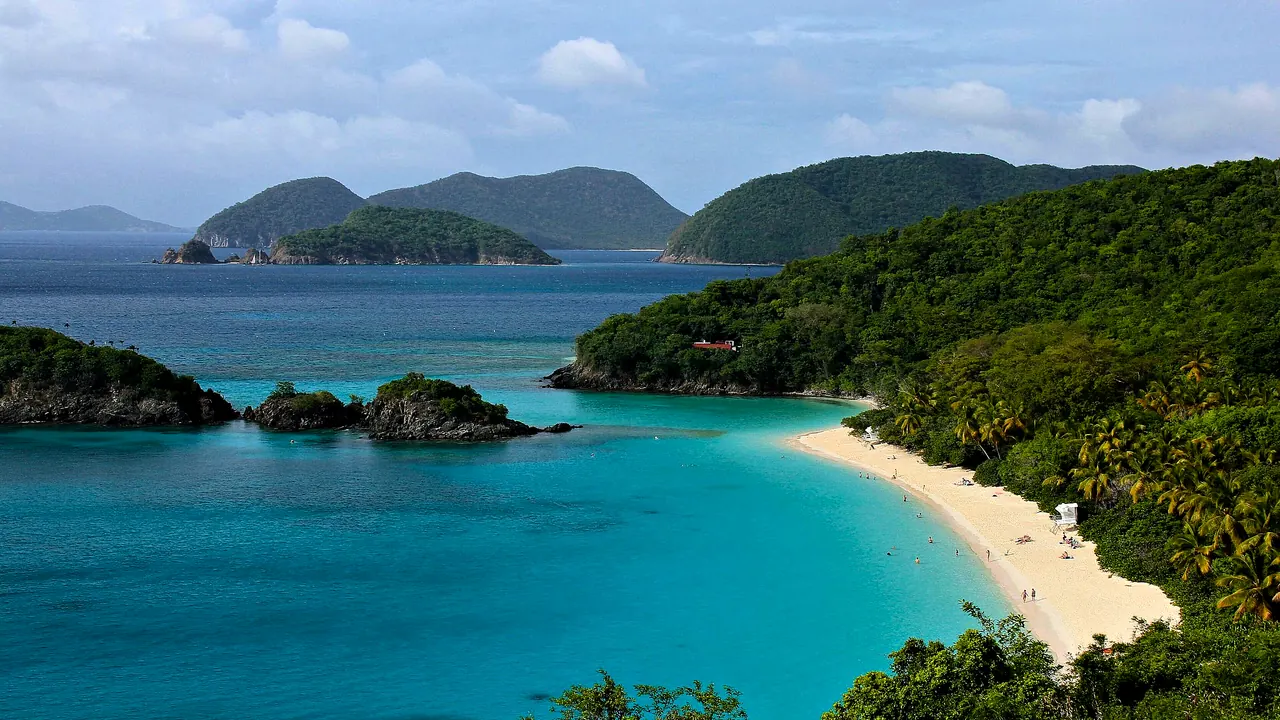
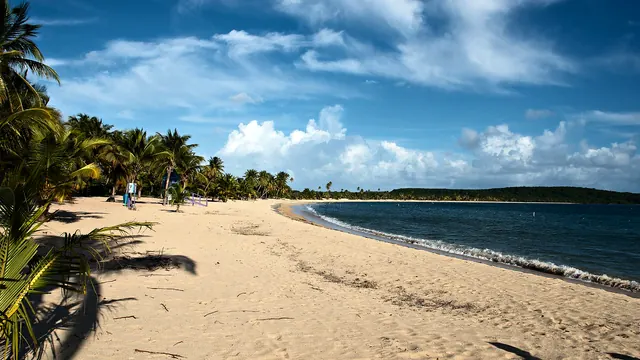
When the beach is the whole point, the US Virgin Islands are the better pick. St John's national park shore, with calm bays and reef a few strokes out, is the stronger base for swimming and snorkelling, and life on St John and St Croix moves slowly by design. Expect to pay more and to find less for evenings or rainy days. The towns, food and nightlife are modest, so the islands suit people who are happy with sea, sailing and shade.
Choose Puerto Rico for
- nightlife
- live music and the arts
- food and drink
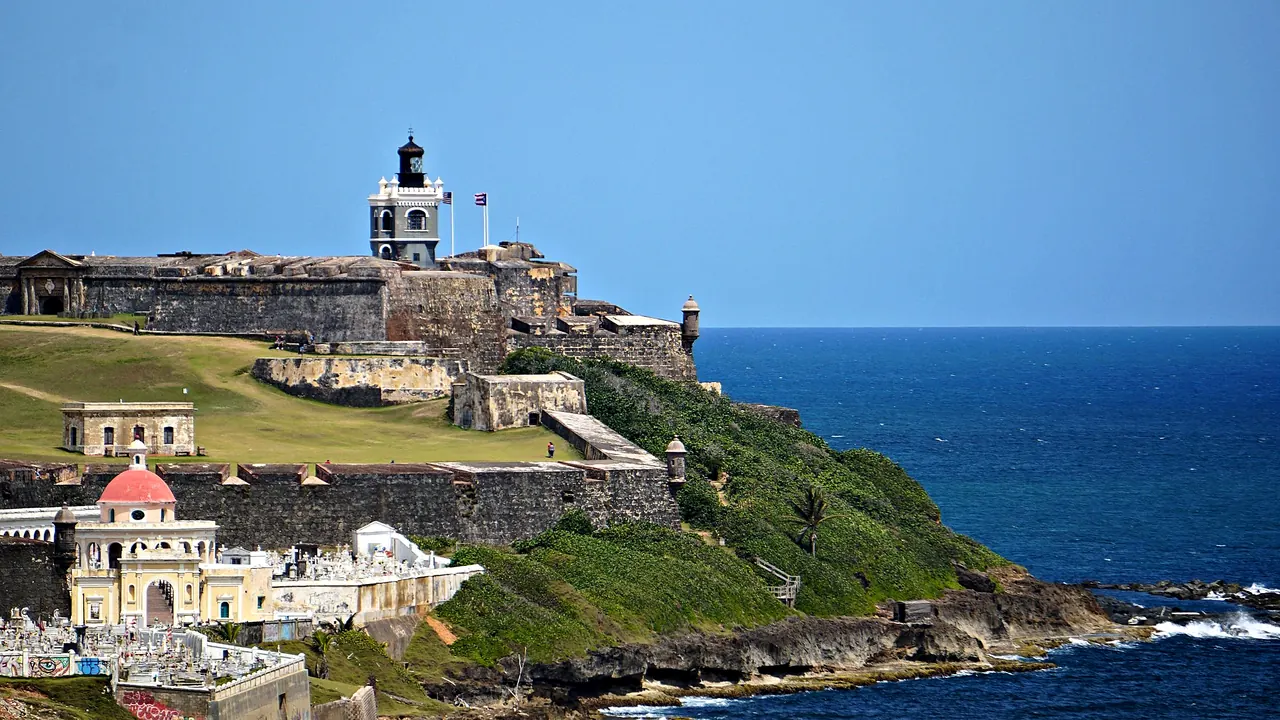
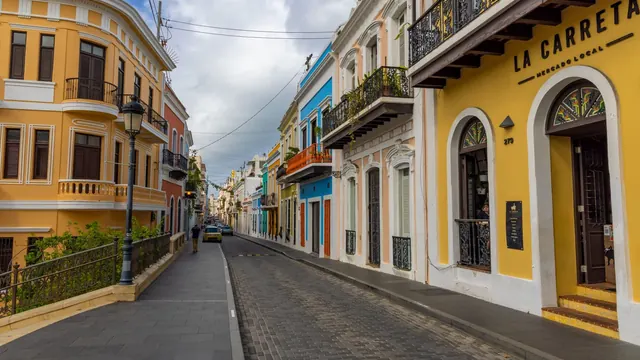
Puerto Rico suits travellers who want an island with a real capital attached. You get the walled old town of San Juan, late nights around La Placita and roast pork at the roadside in Guavate, with a rainforest and a glowing bay within reach by car. You will need a hire car and some driving, and some of its beaches face rough Atlantic surf. In return it gives you far more to do away from the sand, and it is the less expensive of the two.
Scoreboard
Twelve categories on one fixed scale from 0 to 100. The shaded stretch is the gap between the two.
Your match
Pick a travel style or drag the sliders, and both match scores follow your weighting.
Wins on beaches and wellness with your weighting.
Wins on nightlife and live music and the arts with your weighting.
What matters to you?
Category by category
What the scores mean for a trip.
Beaches & swimming
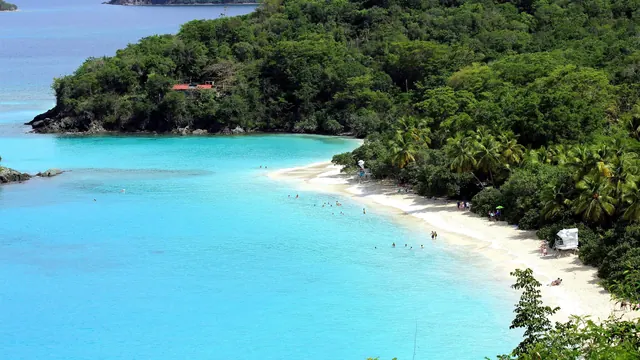
The sea is warm all year at both, but the Virgin Islands have the edge for a pure beach trip. On St John's north shore, Trunk, Cinnamon, Maho and Hawksnest have calm turquoise water inside a national park with reef just offshore. On St Thomas, Magens Bay and Coki Point add sheltered swimming and snorkelling straight from the sand.
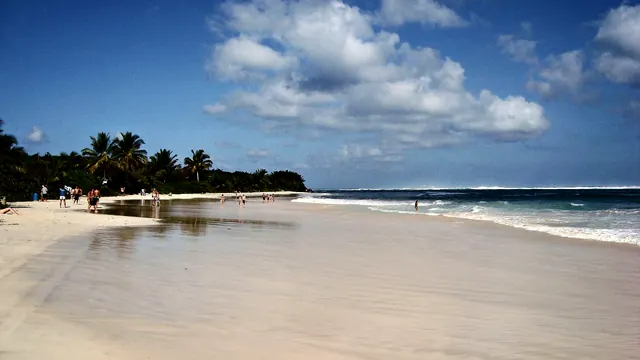
Puerto Rico has more coast and more variety. There are city beaches at Condado and Isla Verde in San Juan, the calm, palm-backed bay at Luquillo and the white horseshoe of Flamenco on Culebra. Much of its north coast faces open Atlantic surf, though, so swimmers need to choose their stretch more carefully than on St John.
Food & drink
Puerto Rico is by far the better place to eat. Mofongo, arroz con gandules and whole roast pig at the Guavate lechoneras make up a cuisine worth travelling for. San Juan adds the creative kitchens of Santurce, the market square at La Placita and coffee from the mountains.
The Virgin Islands have honest West Indian cooking, such as kallaloo, fungi, johnnycakes and pates, and it is at its best on St Croix. Most ingredients are imported, though, and visitor menus on St Thomas and St John lean American. You eat well enough there, while in Puerto Rico the food can shape the whole trip.
Culture & sights
Old San Juan gives Puerto Rico a real cultural centre: a walled Spanish colonial town whose forts, El Morro and San Cristóbal, are part of a UNESCO site. Beyond it are the art museums in Santurce and Ponce and the Taíno ball courts at Caguana and Tibes.
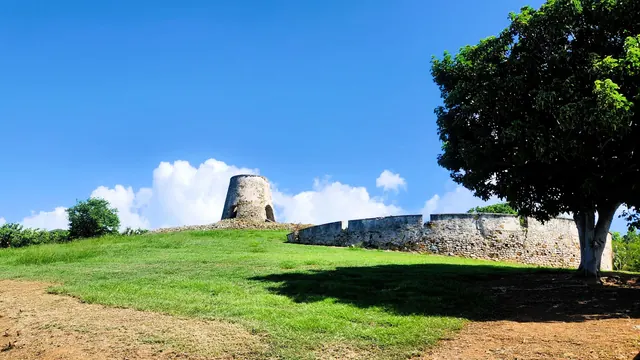
The Virgin Islands' heritage is Danish rather than Spanish. It is best seen in the arcades of Christiansted and Fort Christiansvaern, the synagogue in Charlotte Amalie with its sand floor, and the Annaberg and Whim plantations. It is worth seeing, but it fills a few half-days rather than the slow day or two that Old San Juan alone deserves.
Nightlife
San Juan gives Puerto Rico a proper night out. On weekends crowds drink in the street at La Placita, the salsa and reggaeton bars on Calle San Sebastián start late and run into the small hours, and the Condado adds casinos and clubs.
Nights in the Virgin Islands mean open-air rum bars in Red Hook, Cruz Bay and along the Christiansted boardwalk, full of charter sailors, and most nights end early. The late nights come only with carnival on St Thomas and the Crucian Christmas festival.
Nature & outdoors
Puerto Rico has the wider range of landscape. It has the El Yunque rainforest under an hour from San Juan, the karst hills and Río Camuy caves, the coffee country of the Cordillera Central, three bioluminescent bays and serious winter surf at Rincón.
The Virgin Islands are smaller in scale but strong on the water. St John's park trails, such as Reef Bay, and the underwater snorkelling trail at Buck Island are lovely, and the sheltered sailing water is some of the easiest in the Caribbean. Keen hikers will run out of trails within a few days.
Day trips
Neither is a great base for days out, but Puerto Rico has more variety. You can visit Ponce's plaza and art museum, the rum distilleries at Cataño, the coffee haciendas and the old church town of San Germán, while Culebra and Vieques are better with a night or two.
From St Thomas the outings are almost all islands and beaches: St John by short ferry, tiny Water Island, and the British Virgin Islands if you have a passport. The days out start to feel alike.
Good for families
Both suit families who are happy on beaches and in the water, and neither has much built for children. Puerto Rico has more to do on land, with waterfall trails in El Yunque, the guided route through the Camuy caves and kite-flying on the lawns of the old forts. It also means more driving and keeping away from the rough north-coast beaches.
The Virgin Islands are smaller, and their bays are calmer for children. Young snorkellers can swim near turtles at Maho Bay, and Coki Point has touch pools, though steep roads and hilly resort grounds tire small legs.
Getting around
Both are hard to explore without a car or taxi, but the problems differ. Puerto Rico is a road trip on good highways, with heavy traffic around San Juan, slow mountain roads and ferries to Culebra and Vieques that often sell out or run late.
The Virgin Islands have short distances but steep, narrow roads where traffic keeps left. Shared safari taxis run on St Thomas and St John, and the Red Hook ferry links those two easily, while St Croix needs a flight or a long ferry ride.
Shopping & style
Neither is a shopping destination, so the difference is in what you buy. Puerto Rico has crafts with a story: carved santos, vejigante masks from Loíza and Ponce, guayabera shirts, mountain coffee and aged rum, plus large American malls in Hato Rey. In the Virgin Islands the draw is duty-free watches and jewellery in the old warehouses along Main Street in Charlotte Amalie, with island-made pieces such as the St Croix hook bracelet in Cruz Bay and Christiansted.
Affordability
Puerto Rico costs roughly what the mainland US does, and the Virgin Islands cost more again. On Puerto Rico, food is where you save, at roadside lechoneras, beach kiosks and local fondas. Guesthouses in Rincón and on the west coast cost less than hotels in San Juan, although a hire car adds to the bill.
In the Virgin Islands the extra cost shows up everywhere: in resorts and villas on St John, in groceries shipped in from elsewhere and in shared taxis that charge per person. The best of the islands is free or close to it, since the beaches and park trails cost little, and St Croix and the campgrounds on St John are the cheaper places to stay.
Live music & performing arts
Puerto Rico has both living street music and a formal stage. Bomba in Loíza and Piñones, plena around La Placita and salsa dance nights sit alongside the Centro de Bellas Artes, home to the symphony orchestra, as well as Teatro Tapia and the long-running Casals Festival.
The Virgin Islands have their own traditions in quelbe, steel pan and the mocko jumbie stilt dancers. You mostly hear and see them by catching a festival or a band at a beach bar, though, and there is no regular programme of concerts or theatre.
Wellness & relaxation
Neither has a real bathing culture, and both rely on resort spas for pampering. Puerto Rico adds the old hot springs at Coamo and the yoga and easy surf-town pace of Rincón, but San Juan itself is loud and full of traffic.
In the Virgin Islands, rest comes from the slow pace: hammocks, little traffic noise and early evenings on St John and the east end of St Croix. That quiet is closer at hand than Puerto Rico's own restful corners on Vieques and Culebra.
When should you go?
Pick your month. The climate figures are measured averages, not a forecast.
US Virgin Islands in July
Puerto Rico in July
Daytime high, °C
Rainfall in the month, mm
Temperature and rainfall are climate normals, averaged over the years shown. US Virgin Islands: 1991-2020 normals, C. Amalie / St. Thomas Airport (5.6 km from centre). Puerto Rico: 1991-2020 normals, San Juan / Int., Puerto Rico (8.3 km from centre).
Both are warm all year. Daytime highs are around 29°C from December to March and 32°C from June to October, and the sea stays above 26°C, so every month works for the beach. Rain is the real difference. Puerto Rico is the wetter of the two. February and March are its driest months, and March is also its sunniest. Showers build from April, and July to November are all fairly wet. The US Virgin Islands stay noticeably drier from January to July, with about 50mm a month in late winter, so winter and spring are their best stretch.
From June to October both are hot and sticky for walking around towns, so explore early or late in the day. Late summer and autumn are the wettest time on both and overlap with hurricane season. Rain in Puerto Rico peaks in November at 178mm, while the Virgin Islands are wettest in October and November.
Which traveller are you?
On a beach and sun trip, the US Virgin Islands are the better choice. The bays in St John's national park have calm, clear water with reef a few strokes out, and Magens Bay and Coki Point add easy snorkelling, without the Atlantic surf that limits swimming on Puerto Rico's north coast.
For a food and nightlife trip, Puerto Rico wins comfortably. Roast pig at Guavate, mofongo and the creative kitchens of Santurce make eating a pleasure. Later, La Placita and Calle San Sebastián dance to salsa into the small hours, while most Virgin Islands bars close early.
On a culture and arts trip, choose Puerto Rico. Old San Juan's forts and walled streets, the art museums in Santurce and Ponce, and bomba and plena in the streets fill both days and evenings. The Virgin Islands' Danish towns fill only a few half-days.
Before you go
| Measure | US Virgin Islands | Puerto Rico |
|---|---|---|
| Official language | English | Spanish, English |
| Currency | US Dollar (USD) | US Dollar (USD) |
| Sockets | - | AB120 V, 60 Hz |
| Driving side | Left | Right |
| Time zone | UTC-4 | UTC-4 |
| Emergency number | 911 | 911 |
| Main airport | Cyril E. King Airport (STT)26 non-stop destinations | Luis Munoz Marin International Airport (SJU)59 non-stop destinations |
| Public holidays this year | 18 days | 21 days |
By the numbers
| Measure | US Virgin Islands | Puerto Rico |
|---|---|---|
| Population | 87,146 | 3,285,874 |
| People per km² | 252 | 361 |
| Swim season, months above 21 °C | 12 months | 12 months |
Where else could you go?
Every comparison below shares a destination with this one, so you can follow US Virgin Islands or Puerto Rico somewhere new.
- British Virgin Islandsvs US Virgin Islands
- Culebravs US Virgin Islands
- Viequesvs US Virgin Islands
- St Thomasvs Puerto Rico
- St Johnvs Puerto Rico
- British Virgin Islandsvs Puerto Rico