Andalusia or Costa Brava?
Our verdict in twelve categories, each scored against the same fixed benchmark cities, and the climate month by month, so you can choose for your trip.
Choose Andalusia for
- live music and the arts
- culture and sights
- getting around
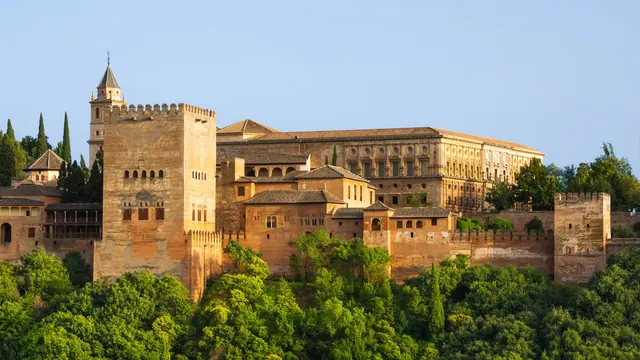
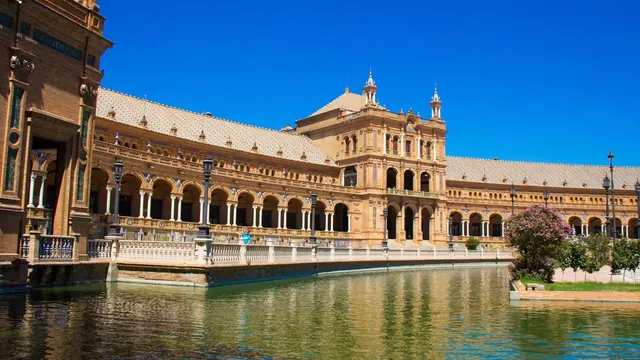
Choose Andalusia if the trip is about seeing great places and moving between them. The Alhambra, the Mezquita and Seville's cathedral and Alcázar are joined by fast trains, and flamenco, late street nights and cheap tapas fill the evenings. It suits a touring trip of several cities, perhaps with a few days on one of its two very different coasts at the end. It costs less too, as long as you avoid the peak weeks.
Choose Costa Brava for
Costa Brava does not lead in any category we score.
The Costa Brava is the better pick for a slower vacation on one stretch of coast. You get pine-backed coves, the Camí de Ronda path between fishing villages, snorkelling off the Medes Islands and serious Empordà cooking, with Girona, the Dalí sights and Barcelona close enough for days out. Its summers are milder than inland Andalusia's. It is also smaller, so a hire car and one well-chosen base will cover it. What you give up is the first-rank monuments, the late nights and the lower bills.
Scoreboard
Twelve categories on one fixed scale from 0 to 100. The shaded stretch is the gap between the two.
Your match
Pick a travel style or drag the sliders, and both match scores follow your weighting.
Wins on live music and the arts and culture and sights with your weighting.
Has no clear advantage with the weighting you have chosen.
What matters to you?
Category by category
What the scores mean for a trip.
Beaches & swimming
Both coasts are excellent for a beach trip, but they offer different things. Andalusia has two seas: the warm, calm Mediterranean on the Costa del Sol and around Cabo de Gata, where the sand is often grey and the shore heavily built up, and the Atlantic Costa de la Luz, with wide golden beaches backed by dunes at Bolonia and Zahara, cooler water and the gusty levante.
The Costa Brava is mostly small coves of clear green water under pine cliffs, at their best around Begur and Calella de Palafrugell. For open sand there is the Bay of Roses and the dunes at Pals. The coves are prettier than anything on the Costa del Sol, but they fill early in high summer, and the tramontana can spoil the northern beaches for days at a time.
Food & drink
In Andalusia you graze. You stand at a tapas bar in Triana or Granada with a small plate and a glass, move on to the next bar, and drink cold fino and manzanilla in the sherry towns of Jerez and Sanlúcar. The cooking is traditional, and there are fewer creative restaurants than bars.
On the Costa Brava you sit down to a meal. Empordà dishes pair seafood with meat, the red prawns come from Palamós, and the Girona area has a long fine-dining reputation that draws people who travel to eat. The weak spot is the big resorts, where menus are aimed at package tourists.
Culture & sights
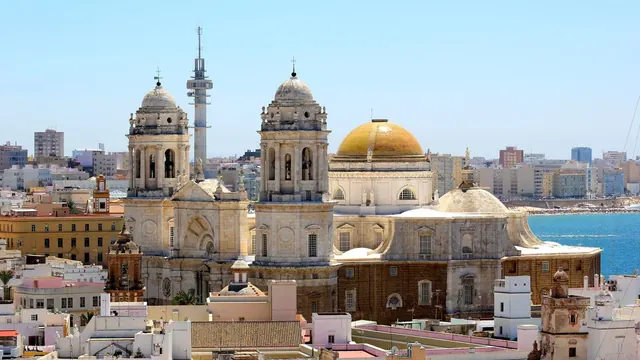
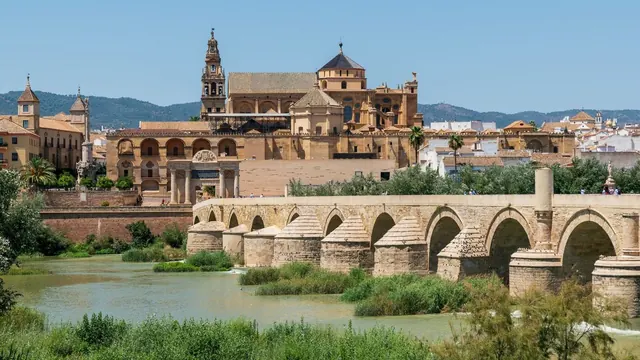
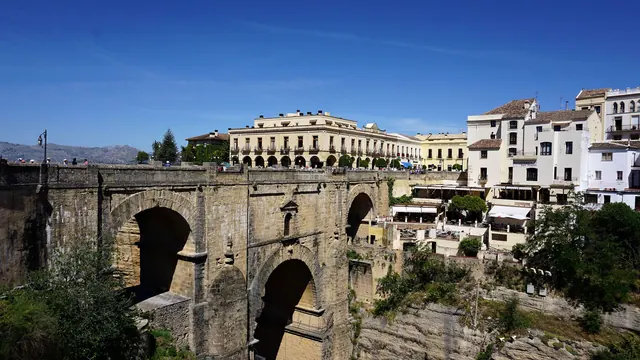
Andalusia is in another league for sights. The Alhambra above the Albaicín, the striped arches of Córdoba's Mezquita and Seville's cathedral and Alcázar would each justify a trip alone, and Ronda, Cádiz and the Renaissance towns of Úbeda and Baeza add more. Seeing it well means travelling between several cities.
The Costa Brava has rewarding sights on a smaller scale. There is the Dalí Theatre-Museum in Figueres with his house at Portlligat, Girona's cathedral steps and Jewish quarter, and the Greek and Roman ruins at Empúries beside the sea. Together they make a good few days rather than the reason for the trip.
Nightlife
Andalusia gives you more to do after dark, and most of it happens on the street. In Seville people fill the terraces of the Alameda de Hércules and Triana long after a ten o'clock dinner, Granada's student bars are crowded and cheap, and in summer Marbella, Puerto Banús and Torremolinos supply the clubs.
On the Costa Brava, nightlife is concentrated in a couple of places. Lloret de Mar and Platja d'Aro are summer party resorts for a young crowd, and elsewhere the evening means a long dinner and a drink in the square, with villages like Cadaqués quiet by midnight.
Nature & outdoors
Andalusia has the wider range of landscapes. The Sierra Nevada rises to nearly 3,500m above Granada, the Caminito del Rey runs through a gorge, the Doñana marshes are home to flamingos and the Iberian lynx, and Tarifa is a world centre for kitesurfing. Inland summers are too hot for much of this, so it is spring and autumn country.
The Costa Brava's outdoors is mostly the shore itself. The Camí de Ronda between the coves is some of the finest coastal walking in the Mediterranean, the Medes Islands are excellent for snorkelling and diving, and Cap de Creus is a bare, wind-carved headland. The Garrotxa volcanoes and the Pyrenees are within reach inland.
Day trips
Wherever you base yourself in Andalusia, there is a long list of days out. From Seville you can reach the Roman ruins of Itálica, Carmona and Jerez, Málaga is handy for Ronda and Antequera, and from Tarifa a ferry crosses to Tangier in about an hour, which adds a second continent to the trip.
The Costa Brava has a shorter list, though Barcelona is within easy reach and is one of the best day trips anywhere. Across the French border are Collioure and Perpignan, and inland are Besalú's Romanesque bridge and the Empordà wine villages. Most of these need a car.
Good for families
Andalusia gives children more organised days out. On the Costa del Sol there are the zoo at Fuengirola, the aquarium at Benalmádena and resort hotels geared to families, and Granada's hands-on science museum makes a good change from the beach. The catch is the heat, since inland cities in July and August are hard going with small children.
On the Costa Brava, family vacations mean simple seaside summers. Families stay at campsites behind the shallow, sandy bays of Roses, Pals and L'Estartit and take glass-bottom boats out to the Medes Islands. The steep steps down to the prettier coves suit older children better, and Lloret's party strip is best avoided as a base.
Getting around
Andalusia is much easier to tour without a car. High-speed trains link Seville, Córdoba, Málaga and Granada, Seville and Málaga have trams and metro lines, and a coastal train runs along the Costa del Sol. You still want a car for the white villages, the mountains and the Costa de la Luz.
On the Costa Brava a car is close to essential. The rail line runs inland through Girona and Figueres and no beach town has a station, coastal buses are sparse, and in high summer the narrow roads down to the coves near Begur and Cadaqués jam up. Once you have parked, the villages and coastal paths are easy to walk.
Shopping & style
Andalusia has more to buy, and much of it is made locally. There are ceramics from the Triana workshops and flamenco dresses, shawls and fans sold for real use on Seville's Calle Sierpes, Ubrique leather, Málaga's Calle Larios and the luxury boutiques of Marbella.
The Costa Brava offers less: pottery in La Bisbal d'Empordà, weekly markets with cheese, sausages and oil, and Girona's independent shops. Anyone who wants serious shopping goes to Barcelona for the day.
Affordability
Andalusia is the cheaper of the two, especially for eating and drinking. Granada and Jaén give a free tapa with every drink, lunch menus are generous and regional trains are modestly priced. Prices jump in Seville during Holy Week and the spring fair and on the Costa del Sol in high summer.
The Costa Brava charges average Western European rates in summer, when nearly everyone visits. Begur and Cadaqués are at the expensive end, while Lloret de Mar and the big campsites are the budget options. The hire car and coastal parking add to the cost too.
Live music & performing arts
Andalusia is the home of flamenco, and that alone puts it far ahead. You can see shows every night in small venues in Santa Cruz and Triana, at the peñas of Jerez and the zambra in the Sacromonte caves, and Seville stages the Bienal every other autumn. Seville's Teatro de la Maestranza and Granada's summer festival in the Alhambra add opera and concerts.
On the Costa Brava, live performance mostly happens in July and August. That means opera and ballet at the castle of Peralada, big international acts in the cliff-top gardens at Cap Roig, and havaneres sea songs in the harbours, sung most famously on one early-July night at Calella de Palafrugell.
Wellness & relaxation
Neither is a classic spa destination, though Andalusia has a little more. Granada, Córdoba, Seville and Málaga have bathhouses modelled on the old Moorish baths, Lanjarón in the Alpujarras offers an old-fashioned thermal cure, and Marbella has large resort spas.
The Costa Brava's main option is the spa town of Caldes de Malavella near Girona, with its mineral springs, while elsewhere you rely on hotel spas around S'Agaró and Begur. The real rest here comes from Empordà farmhouses and quiet coves in June or September.
When should you go?
Pick your month. The climate figures are measured averages, not a forecast.
Andalusia in July
Costa Brava in July
Daytime high, °C
Rainfall in the month, mm
Temperature and rainfall are climate normals, averaged over the years shown. Andalusia: 1991-2020 (sunshine 1981-2010, rainfall 1981-2010) normals, Sevilla / San Pablo (8.1 km from centre). Costa Brava: 1991-2020 normals, Gerona / Costa Brava (23.2 km from centre).
Andalusia's figures describe a hot inland climate, and spring and autumn are the time for walking its streets. March and May are warm and mostly dry, while April and October are just as pleasant to walk in but bring some rain. July and August reach 36°C, too hot for sightseeing in the afternoon, though they are almost rainless and very sunny. Winter is mild but wetter, and November is the wettest month with about 122mm.
The Costa Brava runs several degrees cooler all year, so its summer is comfortable rather than punishing, with highs around 31°C in July and August. The sea is good for swimming from late June to September and is warmest in August at about 25°C. Rain is spread more evenly through the year, heaviest in September and October, and even summer has the odd storm. Winters are cool, cloudier than Andalusia's, and quiet along the coast.
Which traveller are you?
On a culture and arts trip, Andalusia is the clear choice. The Alhambra, Córdoba's Mezquita and Seville's Alcázar are among Europe's great monuments, and evenings bring flamenco in Triana, Jerez or the Sacromonte caves. The Costa Brava's Dalí sights and Girona make a much smaller programme.
On a trip on a tight budget, Andalusia stretches the money further. Granada's free tapa with each drink, good-value set lunches, modest train fares and cheap rooms in inland towns all help. The Costa Brava costs Western European summer rates, and a hire car is almost essential there.
For divers and snorkellers, the Costa Brava has the edge. The protected Medes Islands off L'Estartit offer some of Spain's best underwater life, and the clear coves around Begur are easy to explore by kayak. Andalusia's coasts are better known for sand, surf and kitesurfing than for diving.
Before you go
| Measure | Andalusia | Costa Brava |
|---|---|---|
| Official language | Spanish | Spanish |
| Currency | Euro (EUR) | Euro (EUR) |
| Sockets | CF230 V, 50 Hz | CF230 V, 50 Hz |
| Driving side | Right | Right |
| Time zone | UTC+1, UTC+2 in summer | UTC+1, UTC+2 in summer |
| Emergency number | 112 | 112 |
| Main airport | Seville Airport (SVQ)96 non-stop destinations | Girona-Costa Brava Airport (GRO)18 non-stop destinations |
| Public holidays this year | 12 days | 14 days |
By the numbers
| Measure | Andalusia | Costa Brava |
|---|---|---|
| Population | 8,619,616 | - |
| Swim season, months above 21 °C | - | 3 months |
Where else could you go?
Every comparison below shares a destination with this one, so you can follow Andalusia or Costa Brava somewhere new.
- Algarvevs Andalusia
- Menorcavs Costa Brava
- Mallorcavs Costa Brava
- Provencevs Costa Brava
- Ibizavs Costa Brava
- Formenteravs Costa Brava