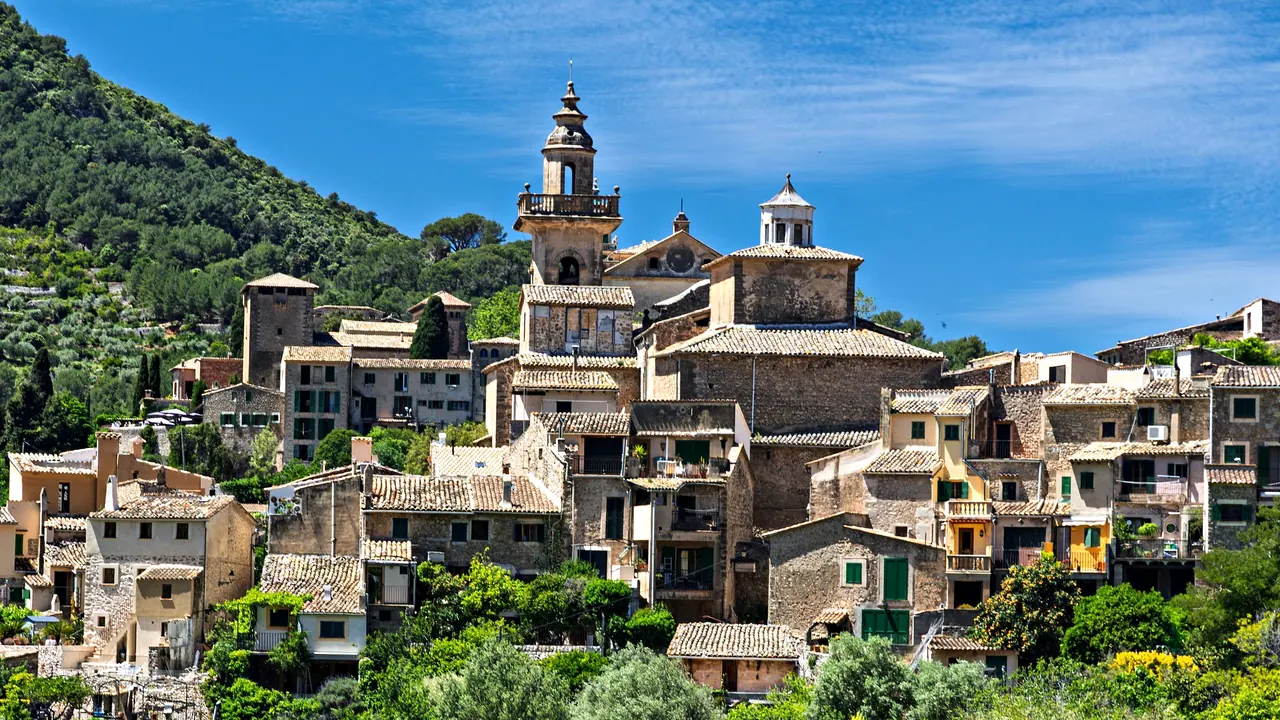
Photos: Mallorca by Guerrero De la Luz, Pexels License.
Andalusia or Mallorca?
Our verdict in twelve categories, each scored against the same fixed benchmark cities, and the climate month by month, so you can choose for your trip.
Choose Andalusia for
- live music and the arts
- culture and sights
- prices
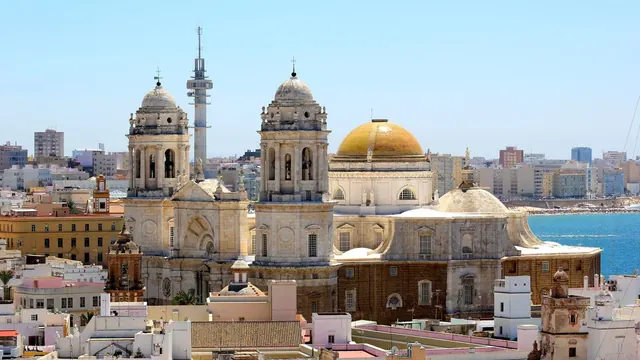
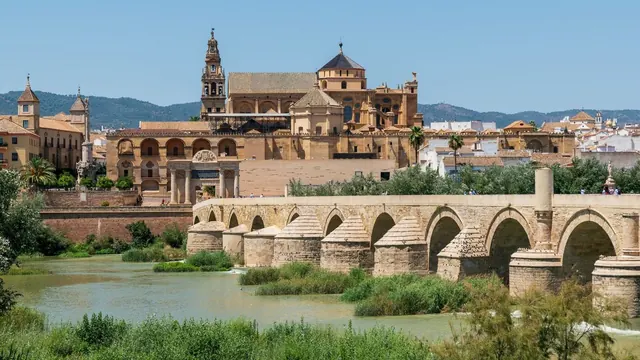
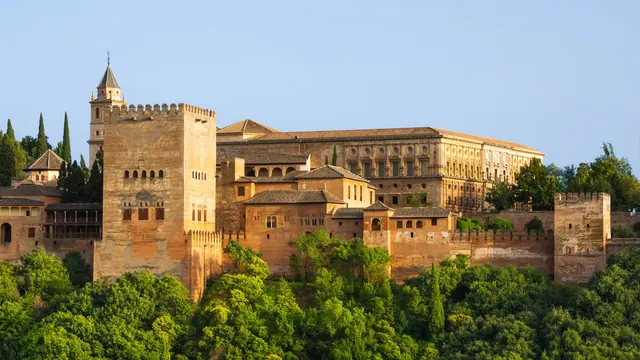
Andalusia suits a trip that moves from town to town. The Alhambra, Córdoba's Mezquita and Seville's cathedral and Alcázar are among the great sights of Europe, flamenco fills the evenings and a tapas bar is never far away. Fast trains link the main cities. You eat and drink better and for less than on Mallorca, and there are plenty of days out: sherry country, the white villages, even Tangier. What you give up is the ease of one hotel and one beach, plus inland heat that makes high summer hard work.
Choose Mallorca for
- families
- beaches
Travellers who want to unpack once and spend their days by the sea will find Mallorca simpler. The calas of the southeast and the shallow bays of Alcúdia and Pollença make some of the easiest family beach days in Europe. The Tramuntana gives walkers and road cyclists a mountain range close by, and Palma covers the city side in a day or two. It costs more in summer, and its culture and music are thinner, but everything is within an hour and a half's drive.
Scoreboard
Twelve categories on one fixed scale from 0 to 100. The shaded stretch is the gap between the two.
Your match
Pick a travel style or drag the sliders, and both match scores follow your weighting.
Wins on live music and the arts and culture and sights with your weighting.
Wins on families and beaches with your weighting.
What matters to you?
Category by category
What the scores mean for a trip.
Beaches & swimming
Mallorca has slightly the easier beaches. The white-sand calas of the southeast have turquoise water between the pines, Es Trenc is an undeveloped dune beach, and the shallow northern bays are good for long days, all in warmer water. The pebble coves under the Tramuntana suit snorkellers more than sunbathers.
Andalusia offers more coastline and two very different coasts. On the Costa de la Luz, Bolonia and Zahara have wide golden sand backed by dunes, though the Atlantic water is cooler and the levante wind can blow hard. The Costa del Sol is convenient, with long promenades, but its sand is greyer and the shore is heavily built up.
Food & drink
Andalusia is the better place to eat and drink, mainly because of its bar culture. You can work your way along the tapas counters of Triana, get a free tapa with each drink in Granada, eat fried fish on the coast and drink cold fino in the bodegas of Jerez and Sanlúcar. Dishes change from Córdoba's oxtail to Huelva's jamón, which rewards a trip that moves around.
Mallorca's kitchen of sobrassada, pa amb oli and ensaïmadas is good but narrower. You have to look for it in Palma's markets and in the old cellers of Inca and Sineu, because the resort strips mostly serve international menus. Wines from Binissalem make a pleasant local counterpart to sherry.
Culture & sights
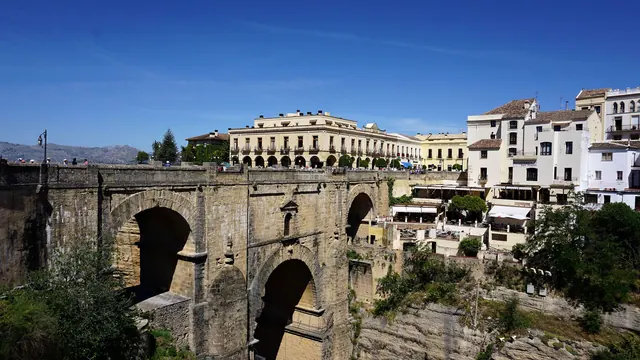
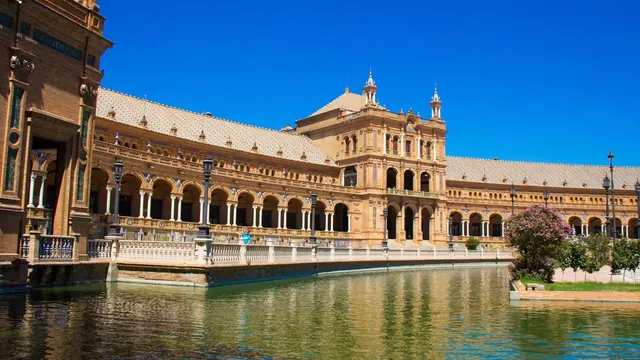
The gap here is wide. Andalusia has the Alhambra, the Mezquita, and Seville's cathedral and Real Alcázar. Behind them come Úbeda, Baeza, Ronda and Cádiz, with Roman, Moorish and Christian layers, and a week barely covers it.
Mallorca's heritage is concentrated in Palma. La Seu over the sea wall, the Almudaina and round Bellver Castle fill a good day, with the Miró studios and Chopin's charterhouse at Valldemossa beyond. They add to a beach stay but are not a reason to come on their own.
Nightlife
Andalusia's nights are longer and more local. People fill the terraces on the Alameda de Hércules and in Triana after a ten o'clock dinner, Granada has cheap student bars and Málaga's old town stays up late, while Marbella and Torremolinos supply the clubs in summer.
On Mallorca, going out splits more sharply. Palma has cocktail bars and clubs on the Paseo Marítimo, while Magaluf and Playa de Palma are mass party resorts. The rest of the island goes quiet after dinner, and outside summer only Palma keeps going.
Nature & outdoors
For the outdoors the two are equally strong, but the landscapes differ. Andalusia works on a bigger scale: the Sierra Nevada near 3,500m with winter skiing, the Caminito del Rey gorge, the lynx and birds of Doñana, and kitesurfing at Tarifa.
Mallorca's offer is more compact. The Tramuntana drops straight to the sea, the GR221 runs from village to village, and the island adds the Torrent de Pareis gorge, road cycling up the Sa Calobra hairpins and climbing on sea cliffs. Spring and autumn suit both.
Day trips
Andalusia offers far more days out, and bigger ones: Roman Itálica, the Jerez bodegas, Ronda, the Antequera dolmens, the white villages of the Cádiz hills, Gibraltar, and a ferry from Tarifa to Tangier in another continent.
Mallorca's outings are pleasant but smaller in scale. They mostly circle stone villages such as Deià and Fornalutx, with the wooden train to Sóller, market days in Sineu and Santanyí, boats to Cabrera and a long day on Menorca as highlights.
Good for families
Mallorca makes the simpler family vacation. The north bays and Cala Millor shelve gently into calm water, resorts are built around children with pools and kids' clubs, and the boat ride across the Caves of Drach is a memorable outing. Drives are short and the summer heat is milder.
Andalusia works well on the Costa del Sol, with Fuengirola's zoo and Benalmádena's aquarium, and Granada's science museum is excellent. Its greatest sights, though, are in inland cities that are punishingly hot for small children in midsummer.
Getting around
Without a car, Andalusia is easier to get around. High-speed trains join Seville, Córdoba, Málaga and Granada, and Seville and Málaga have trams and metro lines. Mallorca's buses and few rail lines are enough for a stay in one resort, but the coves, the Tramuntana and the markets more or less require a hire car, with narrow mountain roads and full car parks in summer.
Andalusia's catch is distance. The white villages, the Costa de la Luz and the remote Almería coast also really need a car, and there is far more ground to cover than on an island you can cross in an hour and a half.
Shopping & style
Neither is a shopping destination, and both are best for things made locally. Andalusia has Triana tiles and ceramics, flamenco dresses and fans made to be worn, Ubrique leather and Marbella's luxury boutiques. Mallorca has Palma's Passeig des Born, Inca shoes and leather, Manacor pearls, and baskets and pottery at village markets such as Sineu.
Affordability
Andalusia is clearly the cheaper trip. Tapas and drinks cost little, especially with Granada's free tapa. Inland towns and the Almería coast keep rooms modest, except during Holy Week, the spring fair and high summer on the Costa del Sol.
In July and August Mallorca costs more than the mainland, as Palma's boutique hotels, Tramuntana estates, car hire and sunbeds add up. Package resorts in the north and east, and trips in May, June or late September, narrow the gap.
Live music & performing arts
Flamenco gives Andalusia a lead Mallorca cannot match. There are nightly shows in Seville's Santa Cruz and Triana, the peñas of Jerez, the zambra in the Sacromonte caves and the Bienal in Seville, backed by the Maestranza and Granada's festival in the Alhambra gardens.
Mallorca has a short opera season at Palma's Teatre Principal, a winter symphony season and summer concerts at Bellver Castle, Valldemossa and Pollença. On most nights, live music there means bar bands or resort shows.
Wellness & relaxation
For rest the two are about level, and neither has a living bathing culture. Andalusia has recreated Moorish bathhouses in Granada, Córdoba, Seville and Málaga, old spa towns such as Lanjarón, and Marbella's resort spas. Mallorca has only the small Font Santa spring and good hotel spas, and its calm comes mostly from country estates among almond and olive groves and yoga retreats in spring and autumn.
When should you go?
Pick your month. The climate figures are measured averages, not a forecast.
Andalusia in July
Mallorca in July
Daytime high, °C
Rainfall in the month, mm
Temperature and rainfall are climate normals, averaged over the years shown. Andalusia: 1991-2020 (sunshine 1981-2010, rainfall 1981-2010) normals, Sevilla / San Pablo (8.1 km from centre). Mallorca: 1991-2020 normals, Palma De Mallorca (3.6 km from centre).
Andalusia is at its best in spring and autumn. Around the inland cities where most visitors stay, July and August reach 36°C, too hot for walking the streets in the afternoon. May and late September are warm enough for the coast without that weight of heat. The rain comes back in October and is heaviest in November, at about 122mm, with a wet December. Winter days are mild and fairly sunny, which suits sightseeing.
Mallorca's summer is gentler. August peaks around 30°C and the sea reaches about 26°C, so beach days run comfortably from June into early October. Spring is drier there than on the mainland. Autumn turns wetter sooner, though, with rain building through September and October. The months either side of high summer suit walking and cycling on the island best.
Which traveller are you?
For a culture and arts trip, Andalusia wins easily. Its great Moorish and Gothic monuments are spread over several cities joined by fast trains, so the journey becomes a tour, and flamenco gives each evening a purpose. Mallorca's sights fill a day in Palma.
On a family trip with young children, Mallorca is the better choice. Small children want sand and a pool more than a cathedral, and the island's family resorts give them both from one hotel. Andalusia asks more of them: city days and longer journeys.
On a tight budget, Andalusia stretches the money further. Eating and drinking cost little across the whole region, and staying in an inland town rather than on the coast keeps rooms cheap. Mallorca only comes close as a package resort or outside high summer.
Before you go
| Measure | Andalusia | Mallorca |
|---|---|---|
| Official language | Spanish | Spanish |
| Currency | Euro (EUR) | Euro (EUR) |
| Sockets | CF230 V, 50 Hz | CF230 V, 50 Hz |
| Driving side | Right | Right |
| Time zone | UTC+1, UTC+2 in summer | UTC+1, UTC+2 in summer |
| Emergency number | 112 | 112 |
| Main airport | Seville Airport (SVQ)96 non-stop destinations | Palma de Mallorca Airport (PMI)201 non-stop destinations |
| Public holidays this year | 12 days | 13 days |
By the numbers
| Measure | Andalusia | Mallorca |
|---|---|---|
| Population | 8,619,616 | 949,047 |
| People per km² | - | 262 |
| Swim season, months above 21 °C | - | 5 months |
Where else could you go?
Every comparison below shares a destination with this one, so you can follow Andalusia or Mallorca somewhere new.
- Ibizavs Mallorca
- Formenteravs Mallorca
- Menorcavs Mallorca
- Algarvevs Andalusia
- Barcelonavs Mallorca
- Costa Bravavs Mallorca