Cyprus
Paphos
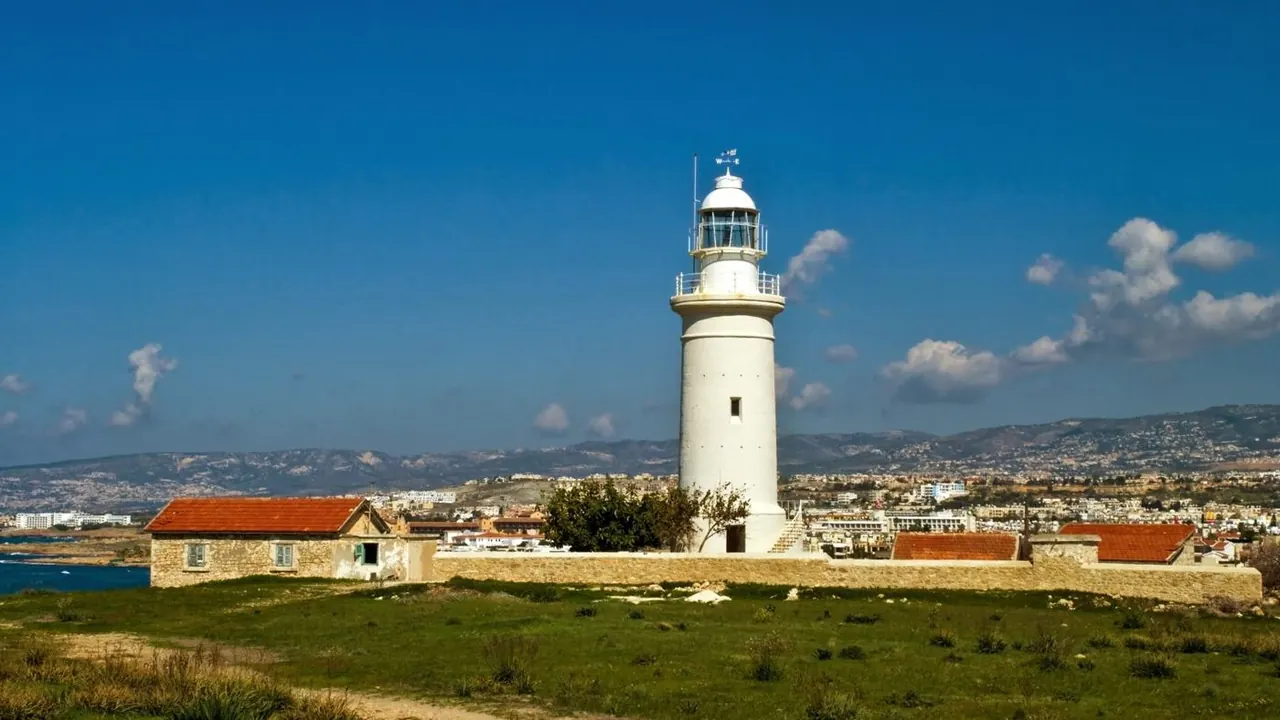
The lighthouse in the Paphos Archaeological Park
- Beaches76
- Nature & outdoors70
- Families68
Photo: Nikodem Nijaki, CC BY-SA 3.0, cropped
Match
50
Every category weighted equally
- Beach & sun54
- Culture & arts47
- Food & nightlife43
- Family trip57
- Outdoors57
- Relax & unwind53
- Shopping & style44
- On a budget51
Paphos in twelve categories
Our verdict on each, scored 0 to 100 against the same fixed benchmark cities, so a score means the same thing on every page.
Beaches & swimming. Scores 76 out of 100.
Food & drink. Scores 45 out of 100.
Culture & sights. Scores 62 out of 100.
Nightlife. Scores 38 out of 100.
Nature & outdoors. Scores 70 out of 100.
Day trips. Scores 64 out of 100.
Good for families. Scores 68 out of 100.
Getting around. Scores 40 out of 100.
Shopping & style. Scores 25 out of 100.
Affordability. Scores 52 out of 100.
Live music & performing arts. Scores 22 out of 100.
Wellness & relaxation. Scores 42 out of 100.
Paphos category by category
Beaches & swimming
76The sea is the main reason most people book Paphos. The water is clear and warm for a long season, reaching about 27°C in August and staying swimmable well into November. The beaches in town are modest, though: short strips of sand and shingle along the Kato Paphos promenade, often with rocky entries and breakwaters.
The better beaches are a short drive or bus ride away. Coral Bay, about 13km north, is the classic sandy crescent with shallow water, ideal for a full beach day. Lara Bay on the Akamas coast is wild and undeveloped. Aphrodite's Rock to the east is a pebble shore known for its legend more than for comfort. Expect sunbeds and crowds at the main spots in high summer.
Food & drink
45Cypriot food is generous and worth seeking out. The meze is the heart of it: a long run of small plates, from grilled halloumi, dips and village sausage to slow-baked kleftiko lamb and charcoal-grilled meats, or a fish meze by the sea. The best versions come from family tavernas in the old upper town of Ktima and in the hill villages behind Paphos, where local wines from the Laona and Kathikas area go with them.
Down by the harbour and along the resort strip, a lot of the cooking is aimed at package tourists, with English breakfasts and international menus. Go inland to eat well. Paphos has no fine-dining tier or street-food scene worth travelling for.
Culture & sights
62The ancient sites of Kato Paphos are inscribed on the UNESCO World Heritage List, and they are the reason to come here for history. The Paphos Archaeological Park by the harbour holds Roman villas whose floor mosaics are among the finest in the Mediterranean, above all in the House of Dionysus. The park also has an odeon, the ruins of a Byzantine fortress and wide views to the sea. A short walk north are the Tombs of the Kings, rock-cut Hellenistic burial chambers with columned courtyards sunk into the shore.
Nearer the harbour are the small medieval castle and the Chrysopolitissa church with St Paul's Pillar. Up in Ktima, the upper town, is the district archaeological museum. Two or three days covers it all. Away from the ancient sites, the modern resort town has little architecture worth seeing.
Nightlife
38Going out in Paphos mostly means the strip known as Bar Street in Kato Paphos. In summer it is packed with pubs, karaoke bars and a few clubs open into the small hours, and it suits groups on a sun-and-party week. Elsewhere evenings are slower: cocktails on the seafront, a long taverna dinner, a drink by the harbour. The scene follows the season, so from November to March much of it is shut or quiet.
Nature & outdoors
70The landscape around Paphos is varied and easy to reach by car. North of town the Akamas peninsula is protected, roadless coast and scrub, with trails to sea caves and headlands. Turtles nest on its beaches in summer. Avakas Gorge is a short, dramatic walk between limestone walls, and the Aphrodite and Adonis trails follow the ridges above the sea. Inland, the Paphos Forest shelters wild mouflon and the Cedar Valley. The Troodos mountains, about an hour and a half away, have pine-forest hiking and a little skiing in winter.
On the water there is good diving on local wrecks, plus snorkelling and kayaking. Spring and autumn are the seasons for walking, because midsummer heat makes most hikes hard going.
Day trips
64A car opens up most of western and southern Cyprus. Along the coast road east are the Sanctuary of Aphrodite at Kouklia, the cliff-top Greco-Roman site of Kourion above the sea, Kolossi castle, and Limassol with its old town and marina, all within about an hour. Inland, the wine villages around Omodos sit on the southern slopes of the Troodos. Higher up, the Byzantine painted churches are a UNESCO-listed set of frescoed mountain chapels.
Nicosia is about an hour and a half by motorway. It is a walled capital where you can walk across the line into the northern half. To the north, Polis and the fishing harbour at Latchi make a slower day out.
Good for families
68Paphos works well for a relaxed family beach vacation. Coral Bay's shallow sand is gentle for small children, resort hotels with pools and kids' clubs line the coast, and the seafront promenade makes for easy pushchair walks. For a change from the beach there is a large water park outside town, a private zoo near Peyia, boat trips along the coast, and the archaeological park, where the mosaics and tombs hold older children's interest.
Cypriot culture welcomes children in tavernas late into the evening, and the town feels safe. Midsummer heat is the main drawback, and almost everything beyond the hotel strip needs a car.
Getting around
40Kato Paphos, with the harbour, the archaeological park and the seafront hotels, is flat and pleasant to walk along the promenade. Local buses link it with the upper town of Ktima, a steep climb away, and with Coral Bay. Hotels spread far along the coast, though, and buses are of limited use for the villages, gorges and sites that make up much of a stay. Most visitors hire a car. Driving is on the left and the roads are good.
Shopping & style
25Shopping is limited. The old covered municipal market in Ktima sells produce, lace, baskets and souvenirs, and the streets around it have a few ordinary local shops. The seafront in Kato Paphos is mostly beachwear and gift shops. Better buys are found in the villages: lacework, pottery, honey, carob products and local wine sold close to where they are made.
Affordability
52Paphos costs about what you would expect in a Mediterranean resort in the eurozone. Village tavernas and meze dinners are fair value for the amount of food served, and buses and the archaeological sites are inexpensive. Seafront hotels in July and August cost much more, and car hire is close to essential, which adds to the total. Winter and the shoulder seasons are clearly cheaper.
Live music & performing arts
22For most of the year there is little to attend beyond Cypriot folk music and dancing at taverna nights. The highlight of the calendar is the Paphos Aphrodite Festival, a long-running open-air opera staged in front of the medieval harbour castle in early autumn. Occasional concerts and plays use the ancient odeon and the town's small theatres, but there is no regular programme to plan a trip around.
Wellness & relaxation
42Paphos has no bathing culture of its own. Wellness here means the spas of the large seafront resort hotels, with massage, treatment rooms and indoor pools. The pace does more of the work: long promenade walks, slow lunches and quiet villages a short drive inland. It is most restful outside the summer peak, when the coast empties and the light softens.
When should you go?
Pick a month to see what it is like. The climate figures are measured averages, not a forecast.
Paphos in July
Daytime high, °C
Rainfall in the month, mm
The whole year
Shaded against this city’s own year: the deepest cell is its best month for that figure and the palest its weakest.
Where the figures come from
Paphos has no rain gauge within 25 km of the centre, so its rainfall comes from a gridded climate dataset read at the city rather than from a gauge further away.
Temperature and rainfall are climate normals, averaged over the years shown. Paphos: 1991-2020 normals, Paphos Airport (8.4 km from centre).
Before you go
| Measure | Paphos |
|---|---|
| Official language | Turkish, Greek, Modern Greek |
| Currency | Euro (EUR) |
| Sockets | G240 V, 50 Hz |
| Driving side | Left |
| Time zone | UTC+2, UTC+3 in summer |
| Emergency number | 112 |
| Elevation | 72 m |
| Main airport | Paphos International Airport (PFO)8 km from centre59 non-stop destinations |
| Public holidays this year | 17 days |
By the numbers
| Measure | Paphos |
|---|---|
| City population | 35,961 |
| People per km² | 1,987 |
| Museums within 10 km | 4 |
| UNESCO World Heritage sites within 50 km | 2 |
| Swim season, months above 21 °C | 6 months |
Compare Paphos with
Every comparison with a written verdict behind it.