Egypt
Hurghada
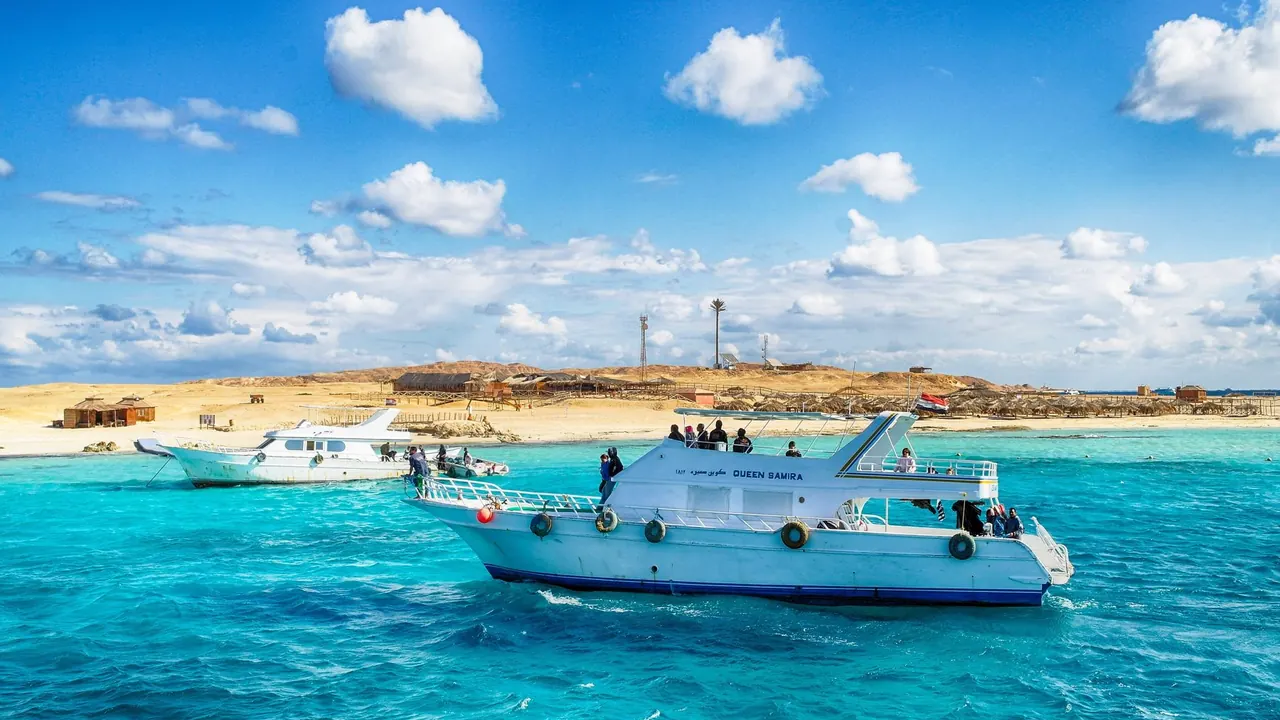
Turquoise water off Giftun Island
- Beaches84
- Affordable cities80
- Nature & outdoors72
Photo: Andrey Korchagin, CC BY-SA 2.0, cropped
Match
43
Every category weighted equally
- Beach & sun52
- Culture & arts32
- Food & nightlife35
- Family trip51
- Outdoors50
- Relax & unwind48
- Shopping & style35
- On a budget47
Hurghada in twelve categories
Our verdict on each, scored 0 to 100 against the same fixed benchmark cities, so a score means the same thing on every page.
Beaches & swimming. Scores 84 out of 100.
Food & drink. Scores 34 out of 100.
Culture & sights. Scores 14 out of 100.
Nightlife. Scores 40 out of 100.
Nature & outdoors. Scores 72 out of 100.
Day trips. Scores 30 out of 100.
Good for families. Scores 62 out of 100.
Getting around. Scores 22 out of 100.
Shopping & style. Scores 24 out of 100.
Affordability. Scores 80 out of 100.
Live music & performing arts. Scores 10 out of 100.
Wellness & relaxation. Scores 44 out of 100.
Hurghada category by category
Beaches & swimming
84Beach life is the reason people come to Hurghada. The coast runs for about 40km along the Red Sea, and the water is clear and warm, about 22°C in the coolest months and close to 29°C in late summer, so you can swim in almost any season. The north wind keeps the heat bearable but can make the sea choppy, especially in the afternoon.
Nearly all the sand belongs to the resorts. The beach you get depends on your hotel, and in the town centre it may be a small artificial bay. In front of many hotels, shallow reef flats mean you swim from a jetty. The best sand is out on the Giftun islands, a short boat ride away, and in the quieter resort bays south towards Makadi and Sahl Hasheesh.
Food & drink
34Most visitors eat in their hotel, and the all-inclusive buffet sets the tone. Outside the resorts there is more to find. In El Dahar, the older part of town, you can eat koshary, ful, taameya and grilled meats at simple local places. Around the fishing harbour there are fish restaurants where you choose your catch from ice and have it grilled or fried.
Sakkala and the marina have international menus aimed at tourists, which are fine but rarely memorable. Alcohol is mostly limited to hotels and tourist venues. Hurghada suits someone who is happy to eat simply and well a few times. It is not a place to come for its food.
Culture & sights
14Hurghada began as a small fishing village and grew into a resort, so there is little historic fabric. The Hurghada Museum gathers pharaonic pieces from the national collections and is worth a couple of hours. The large El Mina mosque by the harbour and the Coptic cathedral in El Dahar are the main landmarks. Wandering El Dahar's market streets shows the ordinary Egyptian town behind the hotel strip. For ancient Egypt you have to travel inland, and that means a long day out.
Nightlife
40Most evenings are spent in the hotels, with animation shows, pool bars and a hotel disco. Outside the resorts, going out centres on Sheraton Road in Sakkala and on the marina. There, a strip of bars, shisha lounges and large beach clubs stays busy late, with themed and foam parties in high season.
It is a resort-strip night out made for visitors. It is lively and runs into the small hours at weekends and in summer, but it has little local character. Alcohol is mostly limited to tourist venues, and the Egyptian town behind the hotel strip is quiet after dark.
Nature & outdoors
72Most of the nature in Hurghada is underwater. Coral reefs start just offshore, and the Giftun islands and the reefs around them are a short boat trip away. You can see reef fish, turtles and dolphins, and on some trips dugongs. Divers can reach wrecks and walls that are famous across the Red Sea. The steady north wind also makes this coast one of the best for kitesurfing and windsurfing, particularly around El Gouna and Soma Bay.
On land the scenery is stark. The bare, jagged Red Sea mountains rise behind the town. You can explore them on quad-bike and jeep trips into the desert, at Bedouin camps and by stargazing at night. There is almost no green, hiking is limited, and in summer the heat restricts outdoor activity to early morning and evening.
Day trips
30Within easy reach there is not much to see apart from the sea. El Gouna, a lagoon town about half an hour north, is pleasant for an afternoon stroll by its marina. Further south lie the quieter resort bays and the small port of Safaga. Deep in the eastern desert there are the remains of Roman granite quarries, which you can visit on a guided trip.
The outing everyone talks about is Luxor, with Karnak, the Valley of the Kings and the West Bank temples. These are first-rank sights, but the road takes about four hours each way. Tours usually leave before dawn and return late at night, so for many travellers an overnight stay is the better choice.
Good for families
62Hurghada works well for families as long as you stay within the resort. Many hotels are built around children, with water slides, splash pools, kids' clubs and shallow, sheltered beaches, and several large hotels have full water parks. Outside the hotels, children enjoy glass-bottom boat and semi-submarine trips over the reef, snorkelling in calm lagoons, dolphin-watching boats and a large aquarium in town. Many older children love the quad-bike trips into the desert.
The downsides are summer heat that is too much for young children around midday, traffic and broken pavements in town, and pushy sellers. Winter and spring are the most comfortable seasons with children.
Getting around
22Hurghada runs along a single coast road for tens of kilometres, and the hotels are spread out along it. You can walk around the marina and parts of Sakkala, but there are few pavements and crossing the main road can be stressful. Shared white minibuses run up and down the coast and are cheap once you know how they work. Taxis are plentiful, but you need to agree the fare before you get in, and hotels often offer shuttles into town. Excursions include transfers, which is why many visitors hardly travel on their own at all.
Shopping & style
24Most shopping is souvenir shopping. The market streets of El Dahar and the shops along Sheraton Road sell spices, papyrus, alabaster, perfume oils, shisha pipes, cotton clothing and galabeyas. Prices are agreed by haggling, and sellers can be insistent. A few malls on the main road offer everyday brands and supermarkets for self-caterers. If you want serious fashion, design or crafts, this is the wrong place.
Affordability
80Hurghada is one of the cheapest places in the world for a warm-water beach vacation. The all-inclusive packages are what keep costs down, since rooms, meals and many drinks are covered by one booking, and diving courses and boat trips cost much less than on most reef coasts. Local food, minibuses and taxis in town are cheap.
The main extra costs come from imported alcohol, tourist-facing restaurants at the marina, and excursions sold through hotels, which often cost far more than the same trip booked locally. It also pays to bargain hard in the bazaars.
Live music & performing arts
10Hurghada has no theatre or concert scene of its own. The performances you can see are put on for tourists: hotel animation shows, belly dancing, and tanoura dancers spinning in coloured skirts at Egyptian folklore evenings and desert-camp dinners. These are enjoyable for one evening, but anyone looking for real live music will not find it here.
Wellness & relaxation
44For most visitors in Hurghada, relaxing means a sunbed, a pool and nothing planned. Most of the larger resorts have a spa with a Turkish-style hammam, a steam room and massage, and treatments cost little by international standards. Some hotels offer Cleopatra-themed or Red Sea salt rituals.
There is no local bathing tradition, though, and no historic bathhouses to seek out. The spas are hotel facilities and vary a great deal in quality. Inside the resort the days are calm, while the town outside is noisy and hassled.
When should you go?
Pick a month to see what it is like. The climate figures are measured averages, not a forecast.
Hurghada in July
Daytime high, °C
Rainfall in the month, mm
The whole year
Shaded against this city’s own year: the deepest cell is its best month for that figure and the palest its weakest.
Temperature and rainfall are climate normals, averaged over the years shown. Hurghada: 1991-2020 normals, Hurguada (15.2 km from centre).
Before you go
| Measure | Hurghada |
|---|---|
| Official language | Arabic |
| Currency | Egyptian Pound (EGP) |
| Sockets | CF220 V, 50 Hz |
| Driving side | Right |
| Time zone | UTC+2, UTC+3 in summer |
| Emergency number | Police 122, ambulance 123, fire 180 |
| Elevation | 11 m |
| Main airport | Hurghada International Airport (HRG)9 km from centre111 non-stop destinations |
| Public holidays this year | 15 days |
By the numbers
| Measure | Hurghada |
|---|---|
| City population | 214,247 |
| Museums within 10 km | 1 |
| UNESCO World Heritage sites within 50 km | 0 |
| Swim season, months above 21 °C | 12 months |
Compare Hurghada with
Every comparison with a written verdict behind it.