Photos: Fiordland by Esther Grosscurt, Pexels License; North Island by Mitchell Henderson, Pexels License.
Fiordland or North Island?
Our verdict in twelve categories, each scored against the same fixed benchmark cities, and the climate month by month, so you can choose for your trip.
Choose Fiordland for
- nature and the outdoors
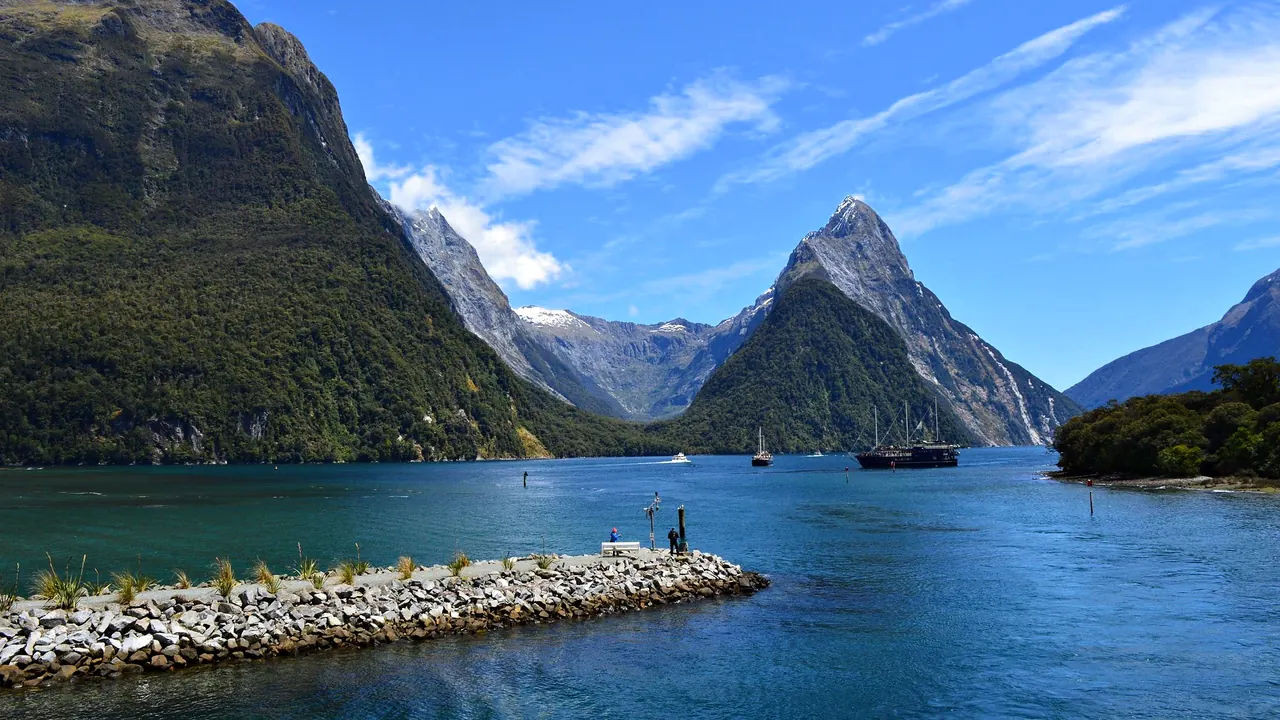
Fiordland is for travellers who want one of the wildest landscapes anywhere and little else. Come to walk the Milford, Kepler or Routeburn tracks, to cruise or kayak beneath the walls of Milford Sound, or to cross Lake Manapouri to the emptier reaches of Doubtful Sound. Expect rain, sandflies, simple food and quiet evenings in Te Anau. Most people give it two or three days on a South Island route rather than a whole vacation.
Choose North Island for
- beaches
- wellness
- culture and sights
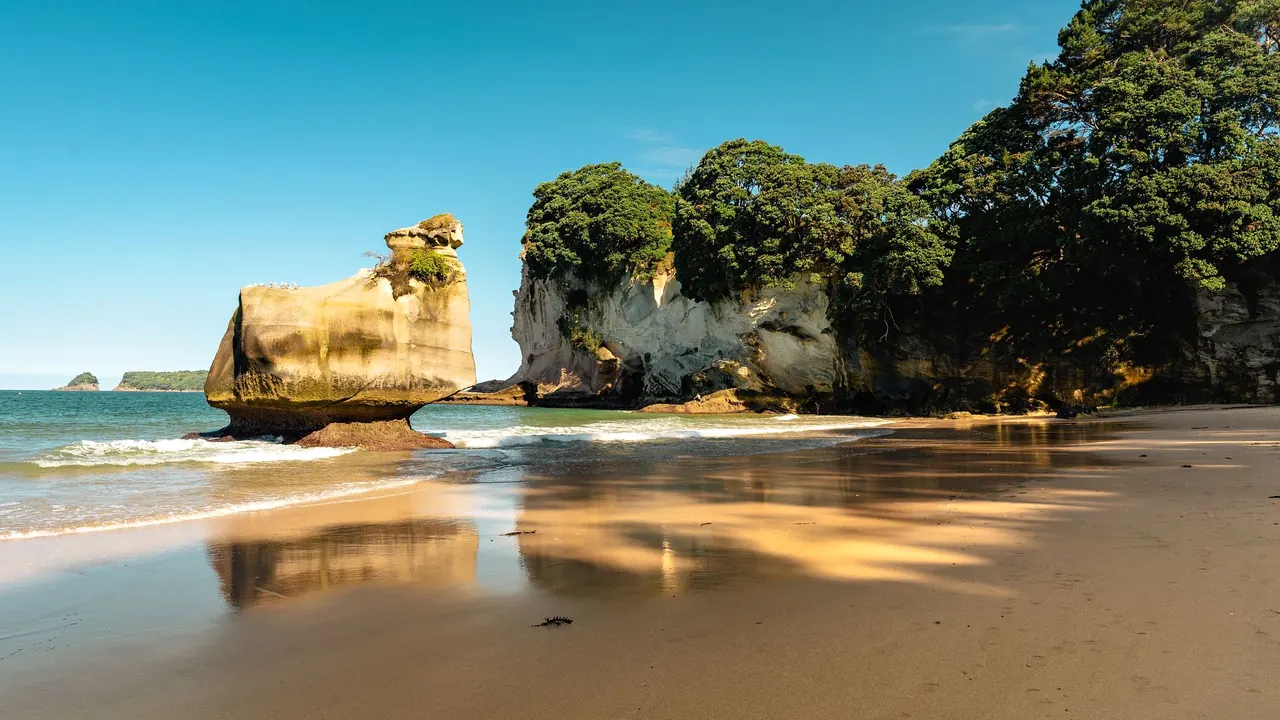
The North Island makes the better choice for a varied trip that mixes several kinds of day. Summer beaches on the Coromandel and in the Bay of Islands, geothermal pools around Rotorua and Taupo, Māori culture at Waitangi and Te Papa, wine in Hawke's Bay and evenings out in Auckland and Wellington all fit into one itinerary. Its volcanic scenery is very good, if less overwhelming than the fiords, and it is the easier and more rewarding island for families.
Scoreboard
Twelve categories on one fixed scale from 0 to 100. The shaded stretch is the gap between the two.
Your match
Pick a travel style or drag the sliders, and both match scores follow your weighting.
Wins on nature and the outdoors with your weighting.
Wins on beaches and wellness with your weighting.
What matters to you?
Category by category
What the scores mean for a trip.
Beaches & swimming
Fiordland has nothing for a beach vacation. Its coast is sheer fiord walls reached by boat, and the only swim is a brief, chilly summer dip from the shingle of Lake Te Anau or Lake Manapouri.
The North Island is a real beach destination from December to March. It has the clear, sheltered water of the Bay of Islands, the Coromandel's white sand, the town beach at Mount Maunganui, and black-sand surf west of Auckland for those who stay between the flags.
Food & drink
In Fiordland, eating means Te Anau's short main street of pies, big breakfasts and a few menus built on venison, Southland lamb and blue cod. Further out there is almost nothing, and walkers carry their own food.
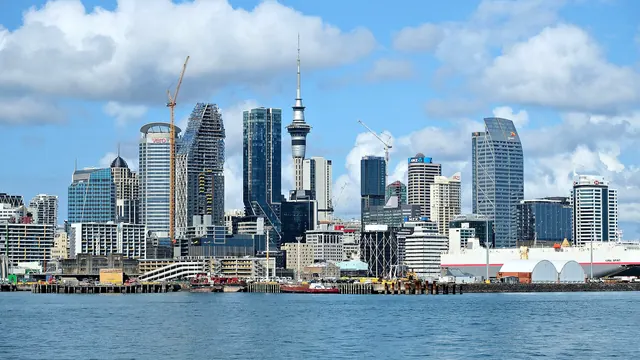
The North Island gives you far more choice. Auckland has dumpling houses on Dominion Road and Pacific markets, and Wellington has its cafés and craft beer around Cuba Street. Add Northland oysters, a Rotorua hangi and the reds of Hawke's Bay and Martinborough, and food becomes a reason to travel rather than fuel.
Culture & sights
Fiordland's culture is mostly the story of the land: the national park visitor centre, the hand-hewn Homer Tunnel and the hydro works at West Arm. There are no museums or historic quarters to fill a day.
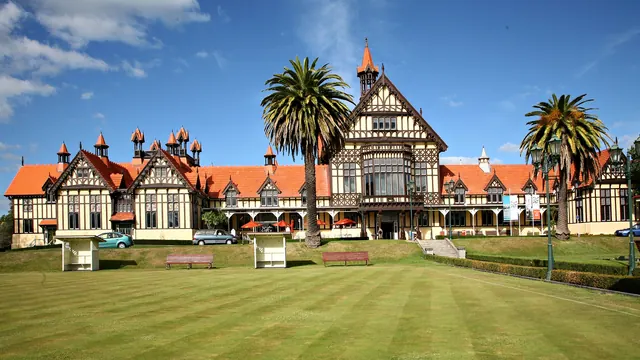
The North Island holds much of the country's history. You can stand where the treaty was signed at Waitangi, see the Māori collections at Te Papa and the Auckland War Memorial Museum, watch carving as a living craft at Whakarewarewa and walk Napier's Art Deco centre. The sights are spread out, but there are plenty of them.
Nightlife
A night out in Fiordland is a beer with other walkers in a Te Anau pub, then the lakefront and the southern stars before an early start.
The North Island has genuine evenings out, though only in its two cities. Auckland's Karangahape Road has late bars and small clubs, and Wellington's Cuba Street and Courtenay Place are busy at weekends. Neither runs very late, and the rest of the island goes quiet after dinner much as Te Anau does.
Nature & outdoors
Both are outstanding, but Fiordland is the more extraordinary. Glacier-cut fiords, waterfalls falling hundreds of metres, beech rainforest and some of the finest multi-day walks in the world make one vast, nearly roadless wilderness. Fur seals, dolphins and crested penguins add to the cruises.
The North Island's strength is variety rather than scale. It has the volcanoes and crater lakes of the Tongariro Alpine Crossing, the boiling mud around Rotorua, the glowworms of Waitomo, the kauri of Waipoua and diving at the Poor Knights. It suits a trip that wants several landscapes, where Fiordland gives you one overwhelming one.
Day trips
From Fiordland the great outings are into the landscape itself, Milford and Doubtful Sounds. The nearest towns, Queenstown and Arrowtown or Invercargill and Bluff, are a long drive away.
The North Island has many easy outings to towns and wine country. You can take the ferry from Auckland to Waiheke's vineyards, drive to Hobbiton, spend a day among Napier's Art Deco and the Hawke's Bay wineries, or cross from Wellington to Martinborough and Greytown. Few are major sights, but there are plenty of pleasant days out.
Good for families
Fiordland works for a short stop with older children. They will enjoy the sound cruises, the glowworm caves across Lake Te Anau and the takahē at the wildlife centre, but long drives, rain and sandflies soon wear thin.
The North Island can carry a whole family vacation. Rotorua has the luge, gondola, geysers and kiwi, Te Papa and Zealandia keep children busy in Wellington, and Auckland has its zoo, aquarium and calm harbour beaches. Motels and campgrounds with shared kitchens make the logistics simple.
Getting around
Fiordland is the harder region to get around. Te Anau is small enough to walk, but the sights lie along one slow mountain road to Milford that can close in winter, and reaching Doubtful Sound takes a boat, a bus and another boat. If you would rather not drive, coach tours from Te Anau and Queenstown cover the main trips, and shuttles and water taxis serve the trailheads.
The North Island is bigger and the drives are longer, with winding two-lane highways between widely spread highlights, so most visitors hire a car. Coaches link the towns, a scenic train runs between Auckland and Wellington, harbour ferries are useful in Auckland, and Wellington is easy to cover on foot.
Shopping & style
Fiordland's shopping comes down to a rain jacket, insect repellent and supplies for a walk, plus some merino or a pounamu piece from Te Anau.
The North Island offers modest but real shopping. Auckland has local designers at Britomart, Newmarket and Ponsonby Road, and Wellington has vintage and independent shops on Cuba Street. It also has a wider choice of carving, weaving, knitwear and regional wine to take home, ideally from recognised carvers around Rotorua.
Affordability
Neither is cheap, but Fiordland is harder on the budget. Lodging in Te Anau is scarce in summer, and the reasons to come are mostly paid: cruises, overnight boats, guided walks and scenic flights. Campervans and the free short walks along the Milford Road help.
On the North Island the free things go further. Beaches, national parks, the big museums and some of the thermal streams cost nothing. Self-catering cabins are everywhere, and the provincial towns are cheaper than Auckland or the Bay of Islands.
Live music & performing arts
Fiordland has no stage at all beyond a small cinema and the odd pub musician.
The North Island has the country's main companies: the national symphony orchestra and ballet in Wellington, and the national opera and the Civic Theatre in Auckland. It also has kapa haka, best seen at cultural evenings in Rotorua and at Waitangi, which Fiordland has no equivalent for.
Wellness & relaxation
Fiordland relaxes you through stillness rather than treatments. There is weak phone signal past the edge of town and calm evenings by the lakes, but no hot springs and little more than lodge hot tubs and a few massage rooms.
The North Island has a whole bathing culture to offer. Rotorua has been a spa town since the nineteenth century, with mineral pools and mud baths. Taupo's thermal streams are free, Waikite Valley has open-air pools, and at Hot Water Beach you dig your own pool in the sand at low tide.
When should you go?
Pick your month. The climate figures are measured averages, not a forecast.
Fiordland in July
North Island in July
Daytime high, °C
Rainfall in the month, mm
Where the figures come from
Fiordland has no weather station within reach, so its figures come from a gridded climate model rather than a measured record, and read a broad area rather than one spot.
Temperature and rainfall are climate normals, averaged over the years shown. Fiordland: 1991-2020 normals, TerraClimate 4 km grid at the town, no weather station within 90 km. North Island: 1961-1990 (sunshine 1981-2010, rainfall 1991-2020) normals, Auckland Aerodrome Aws (17.2 km from centre).
Around Te Anau, Fiordland is at its best from December to March, when daytime highs reach about 20°C and the walking tracks are in season. It is never a dry place: every month brings more than 100mm of rain, spread fairly evenly through the year. June is the wettest month at 170mm, and March and May come next, while August and the early summer months are slightly drier. Winter is cold rather than especially wet, and cold enough for snow to close the Milford Road at times. On a wet day, the waterfalls are in full flow.
Where most visitors stay on the North Island, summer is warmer and much drier. Highs reach about 24°C in January and February, and January is the sunniest month. The sea is warmest in February and March at around 21°C, which makes this the best time for the beach. From May to August the rain roughly doubles and the water is too cool for most swimmers, but mild days still suit walking around towns and soaking in hot pools. All year the North Island stays a few degrees warmer than Fiordland, and from mid-spring to the end of summer it is clearly the drier of the two.
Which traveller are you?
On an outdoors trip, Fiordland is the stronger pick. The fiords, the multi-day Milford, Kepler and Routeburn tracks and the boat trips among seals and dolphins are a wilderness on a scale that even Tongariro and the Bay of Islands cannot match.
For a beach and sun trip, choose the North Island. It has white sand at Hahei and Cathedral Cove, sheltered coves in the Bay of Islands and a late-summer sea warm enough to swim in. Fiordland has storm-beaten fiords and cold lake shingle.
On a relaxing and wellness trip, the North Island wins easily with its hot water: Rotorua's mineral pools and mud baths, free thermal streams around Taupo and pools dug in the sand at Hot Water Beach. Fiordland offers deep quiet but almost nothing to book.
Before you go
| Measure | Fiordland | North Island |
|---|---|---|
| Official language | English, New Zealand Sign Language, Māori | English, New Zealand Sign Language, Māori |
| Currency | New Zealand Dollar (NZD) | New Zealand Dollar (NZD) |
| Sockets | I230 V, 50 Hz | I230 V, 50 Hz |
| Driving side | Left | Left |
| Time zone | UTC+12, UTC+13 in summer | UTC+12, UTC+13 in summer |
| Emergency number | 111 | 111 |
| Main airport | Queenstown Airport (ZQN)7 non-stop destinations | Auckland International Airport (AKL)64 non-stop destinations |
| Public holidays this year | 12 days | 12 days |
By the numbers
| Measure | Fiordland | North Island |
|---|---|---|
| Population | - | 3,519,800 |
| Swim season, months above 21 °C | - | 1 month |
Where else could you go?
Every comparison below shares a destination with this one, so you can follow Fiordland or North Island somewhere new.
- Queenstownvs Fiordland
- Bay of Islandsvs North Island
- South Islandvs North Island
- Tasmaniavs North Island
- Patagoniavs Fiordland
- Lofotenvs Fiordland