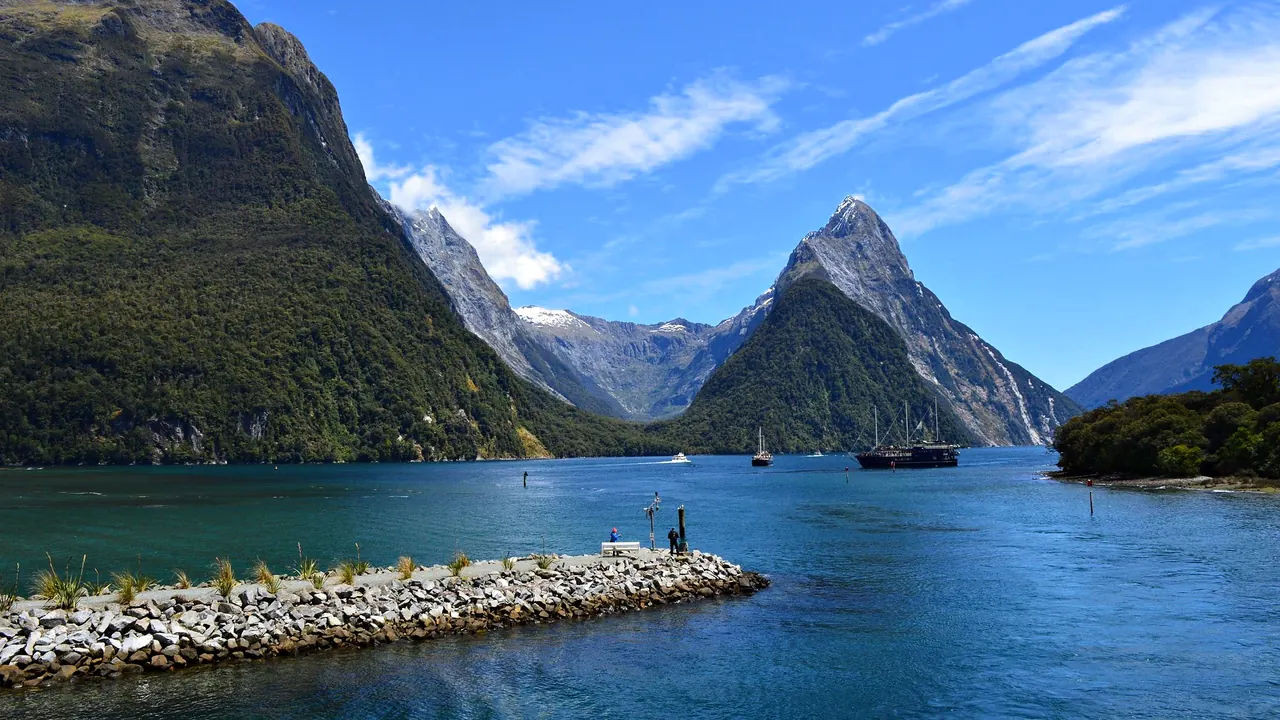
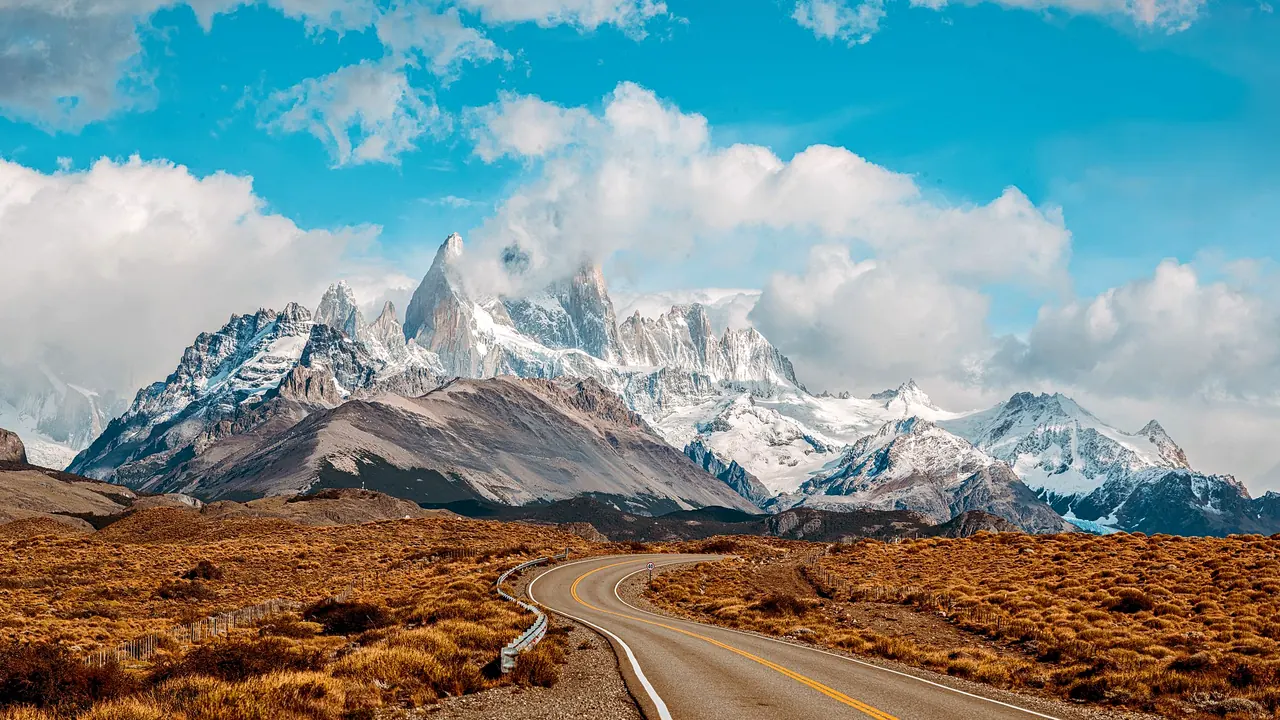
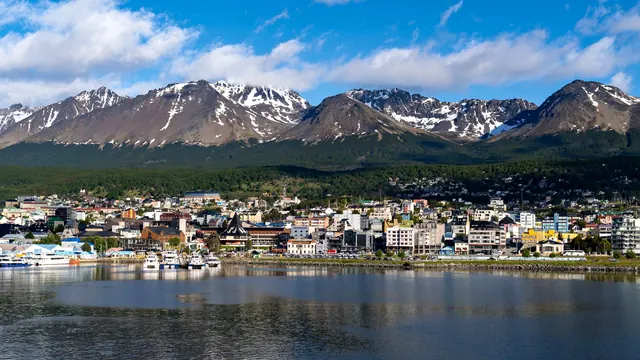
Photos: Fiordland by Esther Grosscurt, Pexels License; Patagonia by Ema Reynares, Pexels License.
Fiordland or Patagonia?
Our verdict in twelve categories, each scored against the same fixed benchmark cities, and the climate month by month, so you can choose for your trip.
Choose Fiordland for
- getting around
Fiordland suits walkers and boat-lovers who want one great wilderness close at hand. From the small lakeside town of Te Anau you can reach Milford and Doubtful Sounds and the starts of the Milford, Kepler and Routeburn tracks without ever changing base, so it works well as a few days on a wider South Island road trip. You have to accept rain, sandflies, plain food and quiet evenings, because there is little else to do.
Choose Patagonia for
- food and drink
- nightlife
- culture and sights
Patagonia is the better choice for a longer journey that takes in several different landscapes: the Perito Moreno glacier, the spires of Fitz Roy, whales off Península Valdés and the lakes around Bariloche. It also offers more off the trail, including fire-roasted lamb, a real night out in Bariloche, wildlife that families love and spa lodges by the water. The cost is distance, with flights or very long drives between each area.
Scoreboard
Twelve categories on one fixed scale from 0 to 100. The shaded stretch is the gap between the two.
Your match
Pick a travel style or drag the sliders, and both match scores follow your weighting.
Wins on getting around with your weighting.
Wins on food and drink and nightlife with your weighting.
What matters to you?
Category by category
What the scores mean for a trip.
Beaches & swimming
Neither is a beach destination, but Patagonia at least has one real option. Fiordland's coast is steep fiord walls and storm-beaten shore with almost no sand. A swim means a short, cold dip from the shingle of Lake Te Anau or Lake Manapouri on a warm January day.
Patagonia's Andean lakes around Bariloche are just as bracing. On the Gulf of San Matías, though, Las Grutas has shallow water that warms to around 22°C in high summer and a proper family beach scene. It lies far from the mountains, so it only fits a route along the Atlantic side.
Food & drink
In Fiordland, eating out means Te Anau's short main street of cafés, pubs and bakeries. The best plates use local venison, Southland lamb and blue cod, but beyond the town you carry your own food onto the tracks.
Patagonia has a real food identity. Lamb is split and roasted over an open fire on ranches and in parrillas, Bariloche has chocolate and craft beer, Ushuaia serves king crab and the Welsh villages of Chubut lay on lavish afternoon teas. Neuquén's cool-climate wines round it off, although menus in the smaller towns repeat themselves.
Culture & sights
Fiordland has almost nothing built to visit. The national park visitor centre in Te Anau, the hand-hewn Homer Tunnel and the hydro works at West Arm on the way to Doubtful Sound are about all there is.
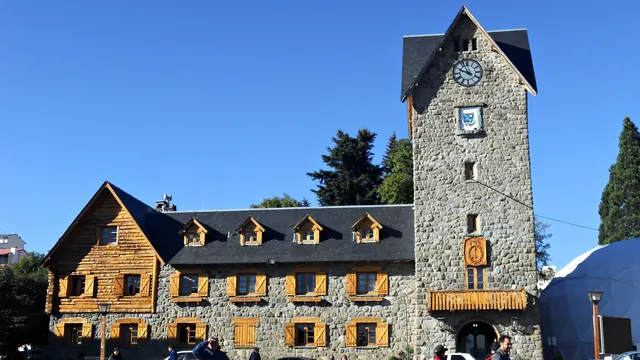
Patagonia's heritage is also small in scale, but it is more varied. It includes the painted stencilled hands of the Cueva de las Manos, the dinosaur museums of Trelew and Neuquén, the former penal colony at Ushuaia and the stone chapels of the Welsh settlers in Gaiman. It is still landscape country, but these sites can fill a few interesting half days.
Nightlife
A night out in Fiordland is a beer with other walkers in a Te Anau pub, followed by a stroll along the lakefront under the southern stars. The town is asleep well before midnight.
Patagonia has one real nightlife town. Bariloche has brewpubs, wine bars and large clubs that keep Argentine hours, plus an après crowd at Cerro Catedral in the ski season. Away from Bariloche, the hiker beer bars of El Chaltén and El Calafate are as lively as it gets.
Nature & outdoors
Both are world-class, and the difference is in kind. Fiordland is wet, green and compact, with glacier-cut fiords, waterfalls dropping into black water and beech rainforest. Milford and Doubtful Sounds and three superb multi-day tracks all lie off a single road.
Patagonia is drier, windier and enormous. It covers the Perito Moreno glacier, the granite towers of Fitz Roy and Cerro Torre, the forested Lakes District with skiing in winter, and the Valdés coast with right whales, elephant seals and the penguin colonies at Punta Tombo. Seeing more than one of these means flights between them.
Day trips
From Fiordland, the only towns within reach are a long day away: Queenstown and Arrowtown about two hours north, or Invercargill, Riverton and Bluff to the south. Most people simply move on to their next stop.
Patagonia has a little more to offer, mainly from Bariloche. Villa La Angostura, the Swiss hamlet of Colonia Suiza and El Bolsón with its craft market all make easy outings. Puerto Madryn pairs well with a half day in Trelew and Gaiman.
Good for families
Fiordland suits older children who enjoy boats and walks. The fiord cruises, the underground glowworm caves across Lake Te Anau and the takahē at the wildlife centre are highlights, but rain, sandflies and the long Milford drive mean a few days is enough.
Patagonia gives families more. Children can watch whales from the shore, snorkel with sea lions and walk among penguins around Puerto Madryn, and Bariloche has chairlifts, lake boats, chocolate shops and gentle slopes. Argentine restaurants welcome children even at late dinners, though the long journeys and the cold wind are hard on young ones.
Getting around
Both are hard work to get around, in different ways. Fiordland is one area off one road. The drive to Milford Sound takes about two hours each way through the Homer Tunnel, while Doubtful Sound needs a boat, a bus and another boat, and the walking tracks rely on shuttles.
Patagonia is several separate regions, each a domestic flight or days of empty, sometimes gravel road apart. Within each one a single base works with local buses or tours, and a hire car gives the most freedom in the Lakes District, despite the crosswinds.
Shopping & style
Shopping in Fiordland comes down to a forgotten rain jacket, insect repellent, a supermarket shop before a walk and perhaps some merino clothing or a pounamu pendant.
Patagonia has more to browse, though it is still modest. Bariloche's main street sells chocolate, knitwear and leather. El Bolsón's craft fair has wood, ceramics and weaving, and Ushuaia adds duty-free shops and outdoor gear.
Affordability
Neither is cheap, but Fiordland costs more for what you get. Beds in Te Anau are few and fill up in summer, meals out are costly, and the paid cruises, flights and guided walks are the reason to come. A campervan and self-catering are the main ways to save.
Patagonia also adds up quickly, with domestic flights, glacier boats, park entry and lodges at international rates. Independent hikers fare better here, though: the trails around El Chaltén are free, and every town has hostels, campsites and simple parrillas.
Live music & performing arts
Fiordland has nothing to book beyond a small cinema in Te Anau and the odd musician in a pub.
Patagonia offers a little more, although you would not plan a trip around it. Bariloche has a respected chamber music tradition with summer concerts, folk nights with guitar and chacarera turn up in towns across the region, and the Welsh communities of Chubut keep up choral singing and an eisteddfod.
Wellness & relaxation
Fiordland's restfulness is simply its stillness. Phone signal fades outside town and evenings by the lakes are calm, but there are no hot springs and little beyond a lodge hot tub or a massage.
Patagonia gives you more ways to unwind. There are spas with lake views at lodges around Bariloche and Villa La Angostura, and estancia stays with horse rides and long meals. The volcanic thermal pools and mud treatments at Copahue in northern Neuquén are open in summer, if you can make the long journey there.
When should you go?
Pick your month. The climate figures are measured averages, not a forecast.
Fiordland in July
Patagonia in July
Daytime high, °C
Rainfall in the month, mm
Where the figures come from
Fiordland has no weather station within reach, so its figures come from a gridded climate model rather than a measured record, and read a broad area rather than one spot.
Temperature and rainfall are climate normals, averaged over the years shown. Fiordland: 1991-2020 normals, TerraClimate 4 km grid at the town, no weather station within 90 km. Patagonia: 1991-2020 normals, Bariloche Aerodrome (12.2 km from centre).
Around Te Anau, Fiordland is never dry. Rain tops 100mm in every month of the year and peaks in early winter. The walking and cruising season runs from November to April, when daytime highs reach about 20°C in January and February: comfortable for hiking, but never warm enough for beach weather. From May the days turn cold and grey, and in midwinter the Milford Road can close for snow.
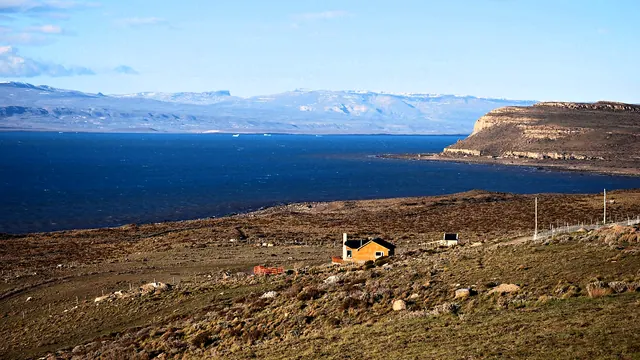
Patagonia's figures come from its main lakeside base, and they follow a very different pattern. The summer there is dry and bright, with highs of about 23°C in January, only about 25mm of rain and more than 300 hours of sunshine. That makes December to February the clear best time for hiking and touring, though the wind never stops. From May to August it turns cold and wet, which suits skiers on Cerro Catedral rather than walkers. Spring and autumn are reasonable in both places, but Patagonia's summer is the more reliable of the two.
Which traveller are you?
On a food and nightlife trip, Fiordland offers little beyond venison or blue cod in Te Anau and a pub that empties early. Patagonia is far ahead, with fire-roasted lamb, Neuquén wines and Bariloche's brewpubs and clubs running late.
On a family trip with children, Fiordland suits older ones for two or three days, since rain, sandflies and long drives soon tire small children. Patagonia welcomes children of every age and suits a longer stay, provided you keep to one base.
On an outdoors trip, both are among the finest anywhere, so choose by time and weather. Fiordland packs fiords, waterfalls and three great tracks into one wet area. Patagonia needs weeks and flights, but adds glaciers, granite spires and drier summers.
Before you go
| Measure | Fiordland | Patagonia |
|---|---|---|
| Official language | English, New Zealand Sign Language, Māori | Spanish |
| Currency | New Zealand Dollar (NZD) | Argentine Peso (ARS) |
| Sockets | I230 V, 50 Hz | CI220 V, 50 Hz |
| Driving side | Left | Left |
| Time zone | UTC+12, UTC+13 in summer | UTC-3 |
| Emergency number | 111 | 117 or 911 |
| Main airport | Queenstown Airport (ZQN)7 non-stop destinations | Teniente Luis Candelaria International Airport (BRC)17 non-stop destinations |
| Public holidays this year | 12 days | 16 days |
Where else could you go?
Every comparison below shares a destination with this one, so you can follow Fiordland or Patagonia somewhere new.
- Queenstownvs Fiordland
- North Islandvs Fiordland
- South Islandvs Patagonia
- Canadian Rockiesvs Patagonia
- Swiss Alpsvs Patagonia
- Alaskavs Patagonia