New Zealand
Auckland
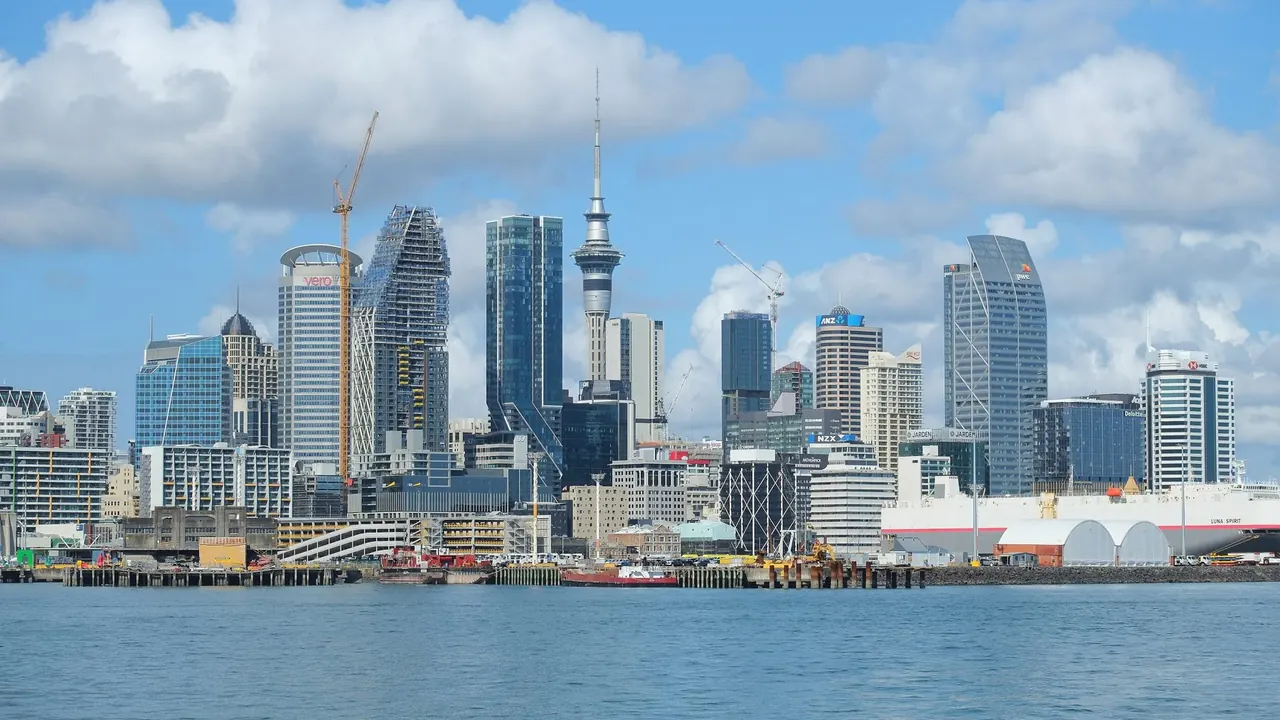
The Auckland skyline and Sky Tower from the Waitematā Harbour
- Nature & outdoors83
- Families70
- Beaches68
Match
53
Every category weighted equally
- Beach & sun55
- Culture & arts49
- Food & nightlife49
- Family trip56
- Outdoors58
- Relax & unwind55
- Shopping & style50
- On a budget50
Auckland in twelve categories
Our verdict on each, scored 0 to 100 against the same fixed benchmark cities, so a score means the same thing on every page.
Beaches & swimming. Scores 68 out of 100.
Food & drink. Scores 62 out of 100.
Culture & sights. Scores 44 out of 100.
Nightlife. Scores 42 out of 100.
Nature & outdoors. Scores 83 out of 100.
Day trips. Scores 55 out of 100.
Good for families. Scores 70 out of 100.
Getting around. Scores 42 out of 100.
Shopping & style. Scores 45 out of 100.
Affordability. Scores 32 out of 100.
Live music & performing arts. Scores 45 out of 100.
Wellness & relaxation. Scores 45 out of 100.
Auckland category by category
Beaches & swimming
68Auckland sits on two harbours, and the eastern side of the city is lined with sheltered, sandy bays. Mission Bay, Kohimarama and St Heliers run along Tamaki Drive, while Takapuna, Cheltenham and Long Bay face the Hauraki Gulf on the North Shore. The water is calm and safe for children, reaching about 20°C to 22°C in late summer, though it is cool outside January to March. Locals swim, picnic and paddleboard here on any warm evening.
The west coast is a different world: black-sand Piha and Muriwai take the full force of the Tasman Sea, with heavy surf and strong rips, so swim only between the flags. Waiheke Island, a ferry ride away, adds quieter white-sand bays such as Onetangi and Palm Beach.
Food & drink
62Eating in Auckland is shaped by who lives here. Dominion Road and the suburbs to the south and east are lined with regional Chinese, Korean, Malaysian and Indian restaurants, and the Pacific Island communities bring their own cooking to markets and food stalls. Seafood is the local strength: green-lipped mussels, Bluff oysters in season, snapper and fish and chips eaten on the beach.
Ponsonby, Britomart and the waterfront hold the more polished restaurants, and the city's flat-white café culture is serious. Waiheke Island and the vineyards to the north and west make wine an easy part of a stay. What it lacks is a single distinctive cuisine; Māori hāngī appears mostly at cultural events rather than everyday menus.
Culture & sights
44Auckland is a young city and its sights are few but worthwhile. The Auckland War Memorial Museum, a neoclassical building on the crest of the Domain, holds one of the finest collections of Māori and Pacific Island treasures anywhere, including a carved meeting house and a war canoe. The Auckland Art Gallery has strong New Zealand and Māori portrait collections, and the Maritime Museum tells the story of Polynesian voyaging and settlement.
Beyond that, the Sky Tower dominates the skyline, the volcanic cones of Maungawhau and Maungakiekie carry the earthworks of Māori pā, and Devonport keeps Victorian villas. There is little historic streetscape, and most visitors cover the city's sights in two days.
Nightlife
42Going out in Auckland is spread across a handful of strips rather than one centre. Ponsonby Road has the wine bars and polished cocktail places, Karangahape Road is the alternative quarter with late bars, small clubs and the city's queer scene, and the Viaduct and Britomart by the harbour draw an after-work and weekend crowd. Friday and Saturday can run late on K Road, but much of the city is quiet by midnight during the week.
It is a relaxed, sociable scene suited to a long evening of drinks rather than a big club night, and the distances between areas mean a taxi is often part of the plan.
Nature & outdoors
83Auckland is built across a field of some fifty volcanoes, and many of the cones, such as Maungawhau and Maungakiekie, are grassy parks with views over both harbours. Rangitoto, the youngest volcano, rises from the gulf a short ferry ride away, its lava fields and pōhutukawa forest climbed in a morning. Tiritiri Matangi is a predator-free island where rare native birds like takahē and saddlebacks feed in the open.
West of the city, the Waitākere Ranges hold kauri rainforest, waterfalls and cliff tracks down to the wild Tasman coast, with a gannet colony at Muriwai. The Hauraki Gulf is among the great sailing waters, and kayaking, whale and dolphin watching and coastal walks fill the summer. Winters are mild but wet.
Day trips
55The best day out from Auckland is Waiheke Island, about forty minutes by ferry, with hillside vineyards, olive groves, small villages and beaches. Closer still, Devonport is a short crossing to a Victorian harbourside village. North of the city, the Matakana area combines wineries, a weekend farmers' market and the coast around Leigh, and the Mahurangi coast has small historic settlements.
To the south, the Hobbiton film set near Matamata is about two hours away and makes a long but popular day. Beyond that the list thins: Rotorua's geothermal and Māori heritage sites, the Waitomo glowworm caves and the Coromandel towns are better as overnight trips than as day trips.
Good for families
70Auckland is an easy, outdoorsy city for children. Auckland Zoo has a large native wildlife section, the underwater aquarium on Tamaki Drive tunnels beneath sharks and rays and keeps penguins, and MOTAT, the transport and technology museum, has trams, planes and hands-on displays. The Auckland Museum has a children's discovery centre, and Rainbow's End in the south is a modest theme park.
The calm east-coast beaches, volcanic cones to run up, short ferry rides and well-kept playgrounds fill the rest of the days. The culture is relaxed and welcoming to families, and the climate is mild. The main drawback is getting around, which often means driving between attractions.
Getting around
42The city centre around Queen Street, Britomart and the waterfront is compact and walkable, though hilly. Harbour ferries are the pleasure of Auckland transport, linking the downtown terminal with Devonport, Waiheke, Rangitoto and other gulf destinations. Buses and a limited suburban train network run on one tap-on card and reach Ponsonby, Newmarket, Mission Bay and the museum.
Beyond that, Auckland is a low-density, car-shaped city, and traffic on the motorways is heavy at peak times. The west-coast beaches, the Waitākere Ranges and the wineries in the north are hard to reach without a car or a tour, so many visitors hire one for at least part of a stay.
Shopping & style
45Auckland shopping is about New Zealand fashion and design rather than international luxury. Ponsonby Road and Newmarket hold local designer labels, homeware and boutiques, Britomart has a handful of upmarket stores in restored warehouses, and Queen Street runs through the mainstream chains. Large malls serve the suburbs.
For something to take home, look for merino and possum-wool knitwear, pounamu (greenstone) carvings and Pacific art, ideally from reputable makers rather than souvenir shops. The weekend farmers' and craft markets, along with the Ōtara market in the south with its Pacific flavour, add character, but this is not a city people travel to for shopping.
Affordability
32Auckland is an expensive city to visit. Hotel rooms in the centre and on the waterfront cost a lot, especially in summer, eating out and drinking are pricey, and wine on Waiheke or in a city bar adds up quickly. Ferries, tours and car hire are further costs on most itineraries.
The saving grace is that many of the best things are free: the volcanic cones, the beaches, the Domain and the coastal walks. Asian food courts and suburban noodle and dumpling places offer cheaper meals, and self-catering apartments help families and longer stays.
Live music & performing arts
45Auckland has a steady, modest arts calendar. The Auckland Philharmonia plays at the Aotea Centre and the Auckland Town Hall, which has fine acoustics, and New Zealand Opera stages seasons in the city. The Civic, an ornate 1929 atmospheric theatre with a starry ceiling, hosts touring musicals and shows, and local theatre companies perform at the waterfront theatre and smaller venues.
The annual Auckland Arts Festival and the Pasifika Festival, with Pacific Island music and dance, are the highlights of the year, and Māori kapa haka performances can be seen at cultural events. Gigs on Karangahape Road keep a small live-music circuit going.
Wellness & relaxation
45Auckland has no bathing tradition of its own, but it is an unhurried city where it is easy to slow down. Thermal pools at Parakai, about an hour northwest, are fed by natural hot springs and suit a relaxed half day. In the city there are good day spas and hotel spas, and yoga studios are easy to find in Ponsonby and the inner suburbs.
Waiheke Island has a slower rhythm and several retreats. For serious geothermal bathing, visitors travel on to Rotorua, which is better as an overnight trip.
When should you go?
Pick a month to see what it is like. The climate figures are measured averages, not a forecast.
Auckland in July
Daytime high, °C
Rainfall in the month, mm
The whole year
Shaded against this city’s own year: the deepest cell is its best month for that figure and the palest its weakest.
Where the figures come from
Auckland's station stands 189 m below the city centre, so the centre is likely a little cooler than the figures say.
Temperature and rainfall are climate normals, averaged over the years shown. Auckland: 1961-1990 normals, Auckland Aerodrome Aws (17 km from centre).
Before you go
| Measure | Auckland |
|---|---|
| Official language | English, New Zealand Sign Language, Māori |
| Currency | New Zealand Dollar (NZD) |
| Sockets | I230 V, 50 Hz |
| Driving side | Left |
| Time zone | UTC+12, UTC+13 in summer |
| Emergency number | 111 |
| Elevation | 196 m |
| Main airport | Auckland International Airport (AKL)18 km from centre63 non-stop destinations |
| Public holidays this year | 12 days |
By the numbers
| Measure | Auckland |
|---|---|
| City population | 1,470,100 |
| People per km² | 2,630 |
| Museums within 10 km | 15 |
| UNESCO World Heritage sites within 50 km | 0 |
| Swim season, months above 21 °C | 1 month |
Compare Auckland with
Every comparison with a written verdict behind it.