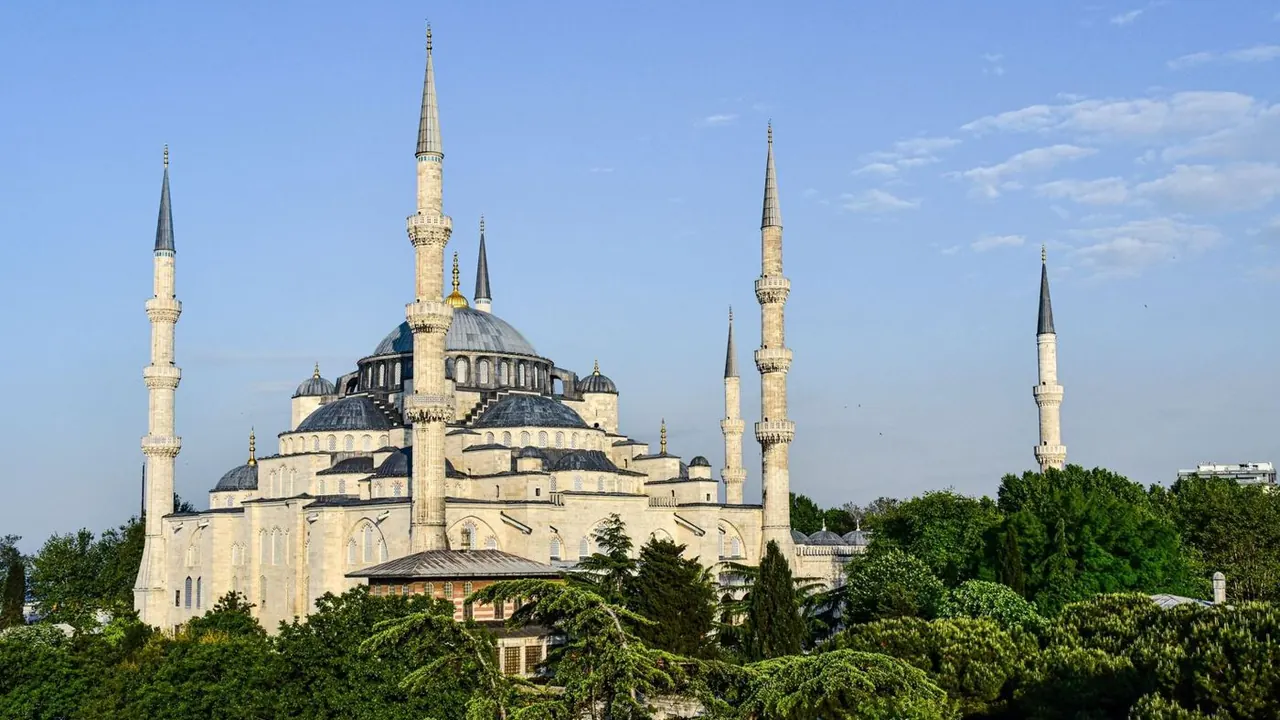
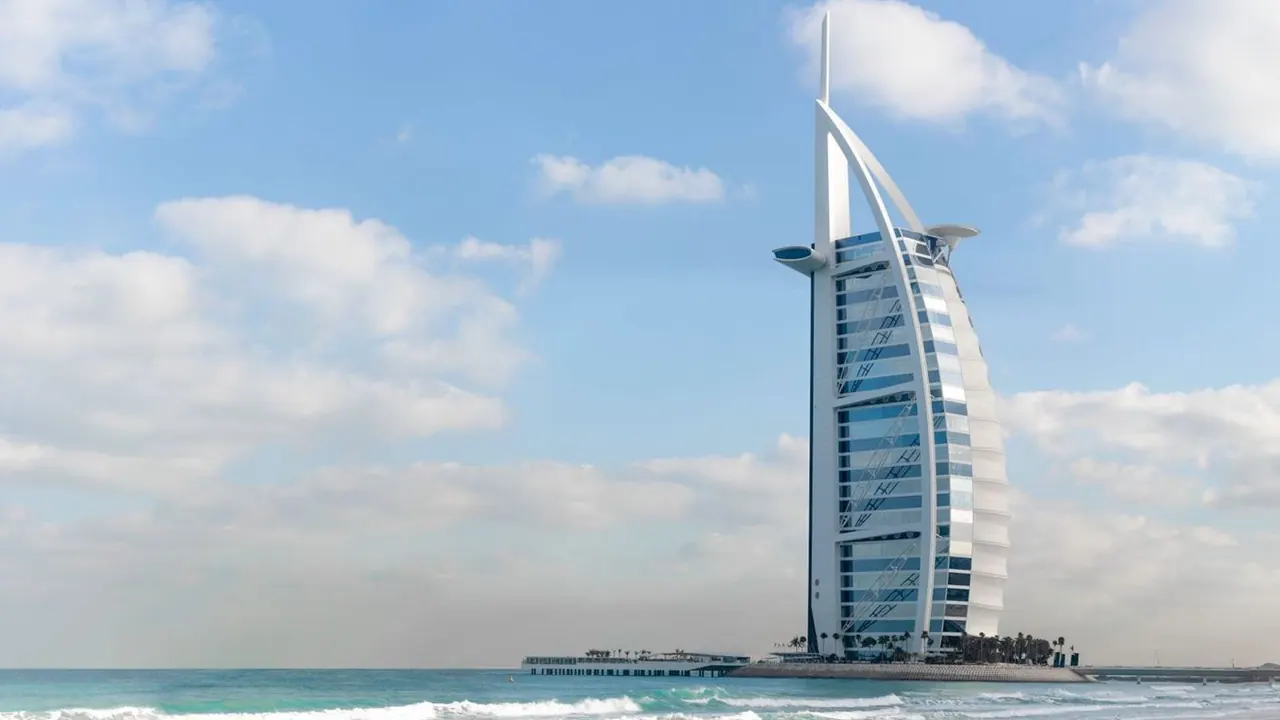
Photos: Istanbul by AXP Photography, Pexels License; Dubai by Aleksandar Pasaric, Pexels License.
Istanbul or Dubai?
Our verdict in twelve categories, each scored against the same fixed benchmark cities, and the climate month by month, so you can choose for your trip.
Choose Istanbul for
- culture and sights
- wellness
- prices
Istanbul is the richer city to explore. Choose it for imperial monuments, food with real regional depth, long evenings in meyhanes and an afternoon in a Sinan hammam. You get around by tram, ferry and on foot, and the money goes considerably further. Its sea is for looking at rather than swimming in, and the hills and crowds take more energy.
Choose Dubai for
- beaches
- families
Dubai suits a winter sun break built around a resort beach, a shopping list and children who want water parks, aquariums and indoor snow. It is easy, very safe and polished, and asks little of you beyond choosing which pool to lie by. Its sights, though, run out within a few days.
Scoreboard
Twelve categories on one fixed scale from 0 to 100. The shaded stretch is the gap between the two.
Your match
Pick a travel style or drag the sliders, and both match scores follow your weighting.
Wins on culture and sights and wellness with your weighting.
Wins on beaches and families with your weighting.
What matters to you?
Category by category
What the scores mean for a trip.
Beaches & swimming
Of the two, Dubai is the beach city. Its shore is a continuous run of pale sand on calm, shallow water, stretching from Jumeirah and Kite Beach to JBR and Umm Suqeim. The resort hotels on Palm Jumeirah make the beach the centre of the stay. In midsummer the water is bath-warm and the sand too hot by mid-morning, so swimming moves to the early and late hours.
Istanbul lives beside the water rather than in it. The proper beaches, at Kilyos and Sile, are about an hour north on the Black Sea. They are sandy but known for undertow, and only warm enough in high summer. The pebbly coves of the Princes' Islands make a pleasant half day, not a beach vacation.
Food & drink
Both cities eat well, but Istanbul's cooking belongs to the place. Turkish food arrives from every region, alongside Ottoman palace dishes, lokanta trays at lunch and nights of meze and rakı in the meyhanes of Beyoglu and Kumkapi. Kadikoy's market streets are made for grazing.
Dubai's strength is the food of the people who live there: Keralan curry, Pakistani karahi and Iranian kebabs in Deira and Karama, with chef-led dining rooms and Friday brunch in the towers. Emirati cooking is hard to find, and wine with dinner means a licensed hotel venue.
Culture & sights
This is where the two cities are furthest apart. On Istanbul's historic peninsula, Hagia Sophia, Topkapi Palace, the Blue Mosque and the Basilica Cistern are a short walk from each other. Beyond them lie Süleymaniye, the Chora church, the Theodosian walls and the Bosphorus palaces, and the city's long run as an imperial capital rewards a week or more.
Dubai offers modern spectacle instead, with the Burj Khalifa and the Museum of the Future. Its older layer along the Creek is small: the wind-tower houses of Al Fahidi, Al Shindagha and the Deira souks. Two or three days covers it.
Nightlife
Istanbul's nights are looser and more varied. Beyoglu mixes rooftop bars with small bars and meyhanes that end in singing, while Kadikoy and Moda are younger and cheaper. In summer the clubs on the Bosphorus shore at Ortakoy keep going until dawn.
In Dubai, going out happens inside hotels and licensed venues: big-name DJ clubs, rooftops above Sheikh Zayed Road, beach clubs on the Palm and the long weekend brunch. It is polished and runs late, but there are no bar streets and no casual end to the night.
Nature & outdoors
Neither is a wilderness city, but Istanbul has more green within reach. You can walk the wooded Bosphorus shore at Bebek and Rumeli Hisari, see the April tulips in Emirgan, follow the trails in Belgrad Forest or cycle on the car-free Princes' Islands.
Dubai's outdoors is desert. There are dune drives and camel rides at Al Marmoom an hour inland, kitesurfing at Kite Beach and the Hajar mountains at Hatta, about ninety minutes away. From May to September the heat rules out most of it except at dawn.
Day trips
Istanbul has the edge, largely because so many of its outings go by water. Ferries reach the Princes' Islands and Anadolu Kavagi on the upper Bosphorus, and Bursa's Green Mosque and silk market fill a day. Edirne and Iznik make long days, and Gallipoli needs a night.
From Dubai, three outings stand out: the Grand Mosque and the Louvre in Abu Dhabi, Sharjah's heritage quarter and museums next door, and the oases and forts of Al Ain. Beyond those it is mostly desert and road.
Good for families
Dubai is built around families who want attractions laid on. Theme and water parks, resort kids' clubs and air-conditioned everything make long days easy for parents. The drawbacks are that most outings need a taxi and the summer heat keeps everyone indoors.
Istanbul gives children the warmer welcome on the street, with waiters fussing over babies and families out late on summer evenings. The Rahmi M. Koç Museum's submarine and Miniaturk are good outings. Steep cobbles, crowds at the main sights and pavements that defeat pushchairs are the cost.
Getting around
Istanbul is the easier city to move through as a visitor. One card covers the metro, the T1 tram through the old city, the Marmaray tunnel under the Bosphorus and the ferries. The historic core, Galata and Beyoglu can be walked if you can manage the hills. Rush-hour crowds and slow taxis are the price.
Dubai's driverless metro is clean and simple along Sheikh Zayed Road and around the Creek, but the city stretches some 50km and was laid out for cars. Palm Jumeirah, the beaches and the theme parks mean taxis, and the heat makes walking between stations tiring.
Shopping & style
Both are serious shopping cities, and the difference is the setting. Dubai shops indoors and at scale, in the Dubai Mall and the Mall of the Emirates, with great depth in luxury brands, watches and jewellery. The Gold Souk and the spice and perfume souks of Deira are its older side.
In Istanbul more happens at street level and more is handmade. The Grand Bazaar and the Spice Bazaar, with haggling and streets grouped by craft, sit beside designer Nisantasi, the antique shops of Cukurcuma and the flea markets of Kadikoy. Carpets, kilims, tiles and towels are the classic finds.
Affordability
Your money goes considerably further in Istanbul. Lokanta lunches, simit, fish sandwiches and cheap ferries keep everyday costs low, although hotels in Sultanahmet, fees at the big monuments and heavily taxed alcohol push the total up.
Dubai is expensive in the winter high season, when resort rates, observation decks, theme parks and alcohol are all dear. Eating in Deira and Karama and riding the metro help. In summer hotel rates fall sharply for anyone who can take the heat.
Live music & performing arts
Istanbul has a resident scene of its own, which Dubai lacks. The state opera and ballet perform at the Ataturk Cultural Centre, and summer festivals put jazz in historic courtyards. Between Sema ceremonies, fasil musicians in the meyhanes and the small venues of Beyoglu and Kadikoy, you can find music without planning, though most theatre is in Turkish.
Dubai Opera brings strong touring ballet, musicals and orchestras in the cooler months, and big tours fill the arena. Dubai is a place to book a particular show, not one where you come across music by chance.
Wellness & relaxation
Istanbul has a living bathing tradition. Sinan's sixteenth-century hammams, such as the Cemberlitas, Haseki Hürrem and Kilic Ali Pasa, still scrub visitors on heated marble under domes pierced with star-shaped skylights. A slow ferry or a tea in Kandilli brings the rest of the calm.
Dubai's version is the resort spa: high in standard, air-conditioned and comfortable in any season, with hammam rituals borrowed from elsewhere. Resting there means staying put at the hotel, or going to a desert retreat inland for real silence.
When should you go?
Pick your month. The climate figures are measured averages, not a forecast.
Istanbul in July
Dubai in July
Daytime high, °C
Rainfall in the month, mm
Temperature and rainfall are climate normals, averaged over the years shown. Istanbul: 1991-2020 normals, Istanbul / Goztepe (9.9 km from centre). Dubai: 1991-2020 normals, Dubai International Airport (3.3 km from centre).
Dubai is a winter destination. From November to March the days are warm rather than hot, around 25°C in midwinter, and rain is rare. The Gulf, at about 23°C, is ideal for swimming. From May to September the highs reach 42°C at the peak, so beach and street life shrink to early mornings and evenings and everything else moves indoors.
Istanbul works the other way round. Late spring and early autumn, from May to June and from September into early October, are best for walking the old city: warm, sunny and not yet heavy. July and August are hot and long on sunshine, and they are the only months when the Black Sea beaches are worth the trip, with the water at about 24°C. From November to March the city is cold, wet and dull, and December is the rainiest month with 101mm. The two cities hardly compete for the same weeks.
Which traveller are you?
On a beach and sun trip, Dubai is the clear choice. Its pale sand and calm, shallow Gulf water work through the winter, when Istanbul is cold, and resort hotels give you a private beach. In Istanbul, swimming means an hour's trip to a Black Sea strand with strong currents.
For a culture and arts trip, Istanbul is in another league. Hagia Sophia, Topkapi, Süleymaniye and the Chora mosaics fill the days, and the state opera, summer jazz festivals and Sema ceremonies fill the evenings. Dubai's skyline and Creek heritage take two or three days.
On a family trip with young children, Dubai makes life easier. Legoland, the water parks, the Dubai Mall aquarium and indoor snow keep children busy, and the resorts run kids' clubs. Istanbul welcomes children warmly, but its hills, crowds and stairs tire them quickly.
Before you go
| Measure | Istanbul | Dubai |
|---|---|---|
| Official language | Turkish | Arabic |
| Currency | Turkish Lira (TRY) | UAE Dirham (AED) |
| Sockets | CF230 V, 50 Hz | CG220 V, 50 Hz |
| Driving side | Right | Right |
| Time zone | UTC+3 | UTC+4 |
| Emergency number | 112 | 112 |
| Elevation | 100 m | 0 m |
| Main airport | İstanbul Airport (IST)36 km from centre343 non-stop destinations | Dubai International Airport (DXB)7 km from centre293 non-stop destinations |
| Public holidays this year | 14 days | - |
By the numbers
| Measure | Istanbul | Dubai |
|---|---|---|
| City population | 15,655,924 | 3,944,751 |
| People per km² | 2,930 | - |
| Museums within 10 km | 75 | 14 |
| UNESCO World Heritage sites within 50 km | 1 | 0 |
| Swim season, months above 21 °C | 3 months | 12 months |
Where else could you go?
Every comparison below shares a destination with this one, so you can follow Istanbul or Dubai somewhere new.
- Abu Dhabivs Dubai
- Burgasvs Istanbul
- Varnavs Istanbul
- Izmirvs Istanbul
- Ankaravs Istanbul
- Plovdivvs Istanbul