Provence or Swiss Alps?
Our verdict in twelve categories, each scored against the same fixed benchmark cities, and the climate month by month, so you can choose for your trip.
Choose Provence for
- beaches
- culture and sights
- prices
Provence suits a traveller who wants warmth, a sea to swim in and a table to linger at. Beaches from Porquerolles to the calanques, Roman Arles and Orange, the papal palace in Avignon and the weekly village markets all sit within reach of one another. It costs noticeably less than the mountains, though seeing it properly takes a car.
Choose Swiss Alps for
- getting around
- wellness
- nature and the outdoors
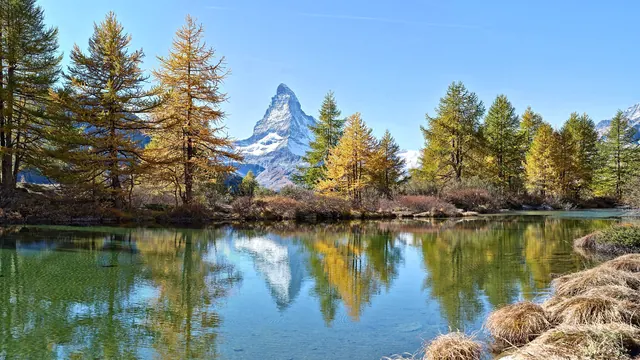
Choose the Swiss Alps for the mountains themselves: glaciers, the Matterhorn, high trails reached by cable car and, in winter, some of the finest skiing anywhere. Trains and postbuses do the driving, thermal villages such as Leukerbad and Vals make rest easy, and children do well in the car-free resorts. The price is very high, and there is far less to eat, see or do in the evening.
Scoreboard
Twelve categories on one fixed scale from 0 to 100. The shaded stretch is the gap between the two.
Your match
Pick a travel style or drag the sliders, and both match scores follow your weighting.
Wins on beaches and culture and sights with your weighting.
Wins on getting around and wellness with your weighting.
What matters to you?
Category by category
What the scores mean for a trip.
Beaches & swimming
Provence has a real seaside. There is the long sand of Pampelonne, the clear shallows of Porquerolles and the Hyères peninsula, and the turquoise calanques near Cassis, with swimming from June into early October. Stay on the coast, though, because the Luberon is a long drive from it.
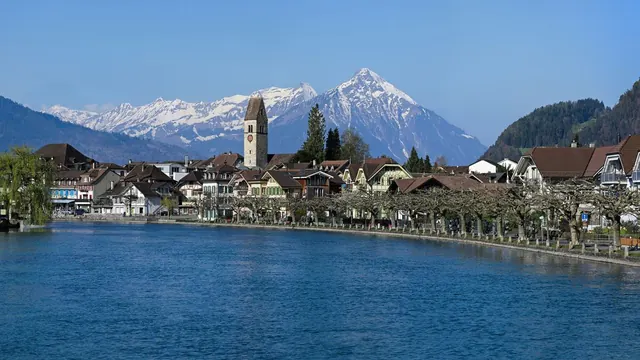
The Swiss Alps offer lake bathing instead, from tidy lidos on Lake Thun and Lake Brienz to the Caumasee near Flims, in clean but cool water. Ticino's lakes are warmer, but even there a swim is a break between hikes rather than the point of the trip.
Food & drink
Provence is one of France's great places to eat. It has bouillabaisse in Marseille, daube and aïoli inland, truffles around Carpentras and the weekly markets of Aix, Apt and Saint-Rémy, with rosé, Bandol and Châteauneuf-du-Pape to drink. Outside Marseille, though, there is little besides French and Provençal cooking.
In the Swiss Alps the pleasure is fondue, raclette and rösti on a hut terrace at the top of a lift, with unusual Valais wines such as Petite Arvine. Beyond that the choice narrows to hotel dining rooms and very costly cooking in the smart resorts, and there is no market life at all.
Culture & sights
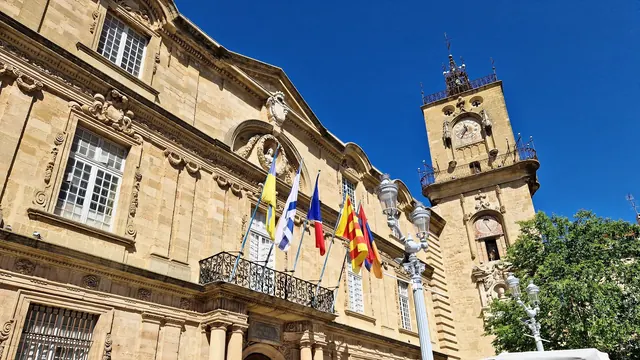
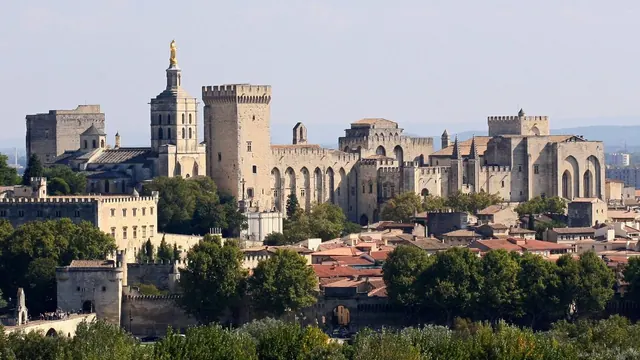
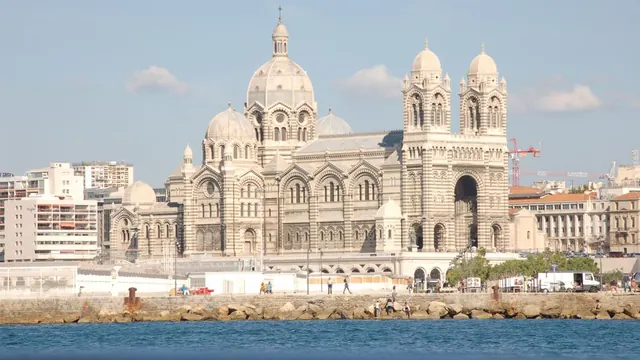
For sightseeing, Provence is far richer. Roman Arles and Orange, the papal palace and walls of Avignon, Cézanne's Aix, the MuCEM in Marseille and the Cistercian abbeys of Sénanque and Le Thoronet add up to a trip in their own right, spread over several towns.
The Alps' heritage is quieter and part of the scenery. There are sgraffito houses in Guarda, the castles of Sion and Bellinzona, the frescoes at Müstair and the World Heritage Albula and Bernina railway lines. It rounds out a mountain stay but would not justify one.
Nightlife
Neither is a party destination, but Provence has more places to go out and nightlife at more times of year. Marseille's Cours Julien and La Plaine give it a real year-round city scene, Aix has student bars and Saint-Tropez has a glossy circuit of summer beach clubs.
In the Alps, evenings depend on the snow. Verbier and Zermatt have lively après-ski and a few late clubs in winter, and St Moritz and Gstaad have smart hotel bars. In summer the hiking bases go to sleep early.
Nature & outdoors
Provence has fine landscapes for a warm region, from the deep Gorges du Verdon and the white cliffs of the Calanques to the Camargue's flamingos and the bare summit of Mont Ventoux. Summer heat and fire closures, though, push serious walking into spring and autumn.
The Swiss Alps are in another league. They have the Eiger and Jungfrau above Lauterbrunnen, the Matterhorn, the Aletsch Glacier and the Swiss National Park, with thousands of kilometres of trails starting at cable-car stations. Add winter skiing at Zermatt, Verbier or St Moritz and summer via ferratas and guided glacier tours, and nowhere in Provence compares.
Day trips
Provence is made for days out. From a base in the Luberon or Avignon, Gordes, Roussillon, Les Baux, Châteauneuf-du-Pape, the Pont du Gard and Nîmes are all within an hour or so, though most of them need a car.
The Alps have fewer outings of that quality, but they are easy by train: Bern, Thun and Lucerne from the Bernese Oberland, Gruyères and Chillon further west, and Bellinzona and Lugano from the southern side.
Good for families
Children are easier to please in the Alps. Ski schools and nursery slopes at Grindelwald or Saas-Fee, summer toboggan runs, lake steamers, cogwheel trains and car-free villages such as Wengen make every day an outing with no need for a theme park. Altitude does call for care with babies.
Provence works best for families as a villa with a pool or a campsite near the shallow beaches of Hyères and Porquerolles. July heat, long drives and steep villages that are hard going with pushchairs make it tougher with small children, though older ones enjoy canoeing in the Verdon and the arenas of Arles and Nîmes.
Getting around
This is the clearest practical difference between them. Trains link Provence's main towns, but the villages, abbeys, vineyards and gorges largely need a car. Expect narrow hill lanes, scarce parking in perched villages and summer jams on the road to Saint-Tropez.
In the Swiss Alps, trains, postbuses, steamers and cable cars run on linked timetables to almost every village, and Zermatt and Mürren ban cars outright. The catch is that crossing between the big regions takes a long day, so one or two bases work better than a tour.
Shopping & style
Provence gives shoppers far more to browse. Its weekly markets sell printed fabrics, lavender and olive wood, L'Isle-sur-la-Sorgue has its antiques dealers, and there is Moustiers faience and santons to look for, plus a proper mix of town-centre shops in Aix.
Alpine shopping is narrower. It is mostly luxury boutiques in St Moritz and Gstaad, watch and outdoor-gear shops in Zermatt and Interlaken, and things to eat, such as cheese from the dairy and Graubünden air-dried meat.
Affordability
Provence is expensive in summer, especially Saint-Tropez and the villas of the Luberon. Marseille, Arles and the quieter Var villages are reasonable, though, and set lunches, market food and local wine keep daily spending in check. Spring and autumn are cheaper still.
The Swiss Alps cost a great deal more on every count: hotels, simple mountain meals and above all the lifts and railways. Self-catering, picnics, travel passes and quieter valleys such as Goms or the Ticino side all help, but there is no budget version of this trip.
Live music & performing arts
Both are places for summer festivals, and Provence's are the bigger draw. The Avignon theatre festival fills the town with its huge fringe in July, and there is opera in the Archbishop's Palace courtyard at Aix and in Orange's Roman theatre. Marseille and Aix keep a regular programme going for the rest of the year.
The Alps answer with classical music, as the Verbier Festival and the Menuhin Festival around Gstaad bring fine soloists to tents and village churches. Outside summer there is little beyond brass bands and alphorn evenings, and there is no resident opera or theatre.
Wellness & relaxation
For rest and bathing, the Alps are far stronger. Leukerbad's open-air hot pools under the cliffs, the stone thermal bath at Vals, Bad Ragaz and Scuol make taking the waters a reason to come in its own right, and the car-free villages and quiet nights do the rest.
Provence relaxes you through its pace rather than its spas. Think market mornings, long lunches and a pool in the Luberon, lavender treatments in country hotels, and the thermal baths of Aix and Gréoux-les-Bains. The coast in high summer, however, is anything but calm.
When should you go?
Pick your month. The climate figures are measured averages, not a forecast.
Provence in July
Swiss Alps in July
Daytime high, °C
Rainfall in the month, mm
Where the figures come from
Provence has no rain gauge within 25 km of the centre, so its rainfall comes from a gridded climate dataset read at the destination rather than from a gauge further away.
Provence's sunshine is measured 53 km from the centre, at Nimes / Courbessac.
Swiss Alps has no rain gauge within 25 km of the centre, so its rainfall comes from a gridded climate dataset read at the destination rather than from a gauge further away.
Swiss Alps's sunshine is measured 66 km from the centre, at Sion.
Temperature and rainfall are climate normals, averaged over the years shown. Provence: 2005-2020 (sunshine 1981-2010, rainfall 1991-2020) normals, Avignon / Morières-lès-Avignon (11.9 km from centre). Swiss Alps: 2005-2020 (sunshine 1961-1990, rainfall 1991-2020) normals, Meiringen / Unterbach (19.5 km from centre).
Provence is a warm-weather destination. From June to September the coast is made for the beach, and July reaches about 32°C with very long sunny days. That heat makes walking towns and trails hard in high summer, so May and late September are the comfortable months for sightseeing. The rain comes in autumn and peaks in October at around 102mm, and winters are cool but mild compared with the mountains.
The Swiss Alps run on a different calendar. In the main resort valleys, summer highs settle near 24°C, which is ideal for hiking, but June to August is also the wettest stretch, at about 127mm a month, so expect to plan around rainy days. Winter is cold, around 3°C by day in January, and that is the season for the ski resorts. Provence has much more sunshine than the Alps all year, and the gap is widest in winter.
Which traveller are you?
For a beach and sun trip, Provence is the obvious choice. It has hot, dry summers, a real Mediterranean coast from Pampelonne to the calanques and rosé on a terrace afterwards, while the Alps can offer only cool lake lidos.
On a relaxing and wellness trip, the Swiss Alps are clearly better. Thermal villages such as Leukerbad and Vals, serious hotel spas and car-free resorts with clean air and quiet nights make slowing down easy, which Provence's crowded summer coast cannot match.
For skiers, only the Swiss Alps will do. Zermatt, Verbier, St Moritz and Davos are among the best ski areas anywhere, with nursery slopes for beginners and après-ski in the evening, whereas Provence's winter is a quiet season of truffles and markets.
Before you go
| Measure | Provence | Swiss Alps |
|---|---|---|
| Official language | French | French, German, Italian, Romansh |
| Currency | Euro (EUR) | Swiss Franc (CHF) |
| Sockets | CE230 V, 50 Hz | CJ230 V, 50 Hz |
| Driving side | Right | Right |
| Time zone | UTC+1, UTC+2 in summer | UTC+1, UTC+2 in summer |
| Emergency number | 112 | 112 |
| Main airport | Marseille Provence Airport (MRS)126 non-stop destinations | Zürich Airport (ZRH)226 non-stop destinations |
| Public holidays this year | 11 days | 10 days |
Where else could you go?
Every comparison below shares a destination with this one, so you can follow Provence or Swiss Alps somewhere new.
- French Alpsvs Swiss Alps
- Lake Comovs Swiss Alps
- Black Forestvs Swiss Alps
- French Rivieravs Provence
- Lake Gardavs Swiss Alps
- French Alpsvs Provence