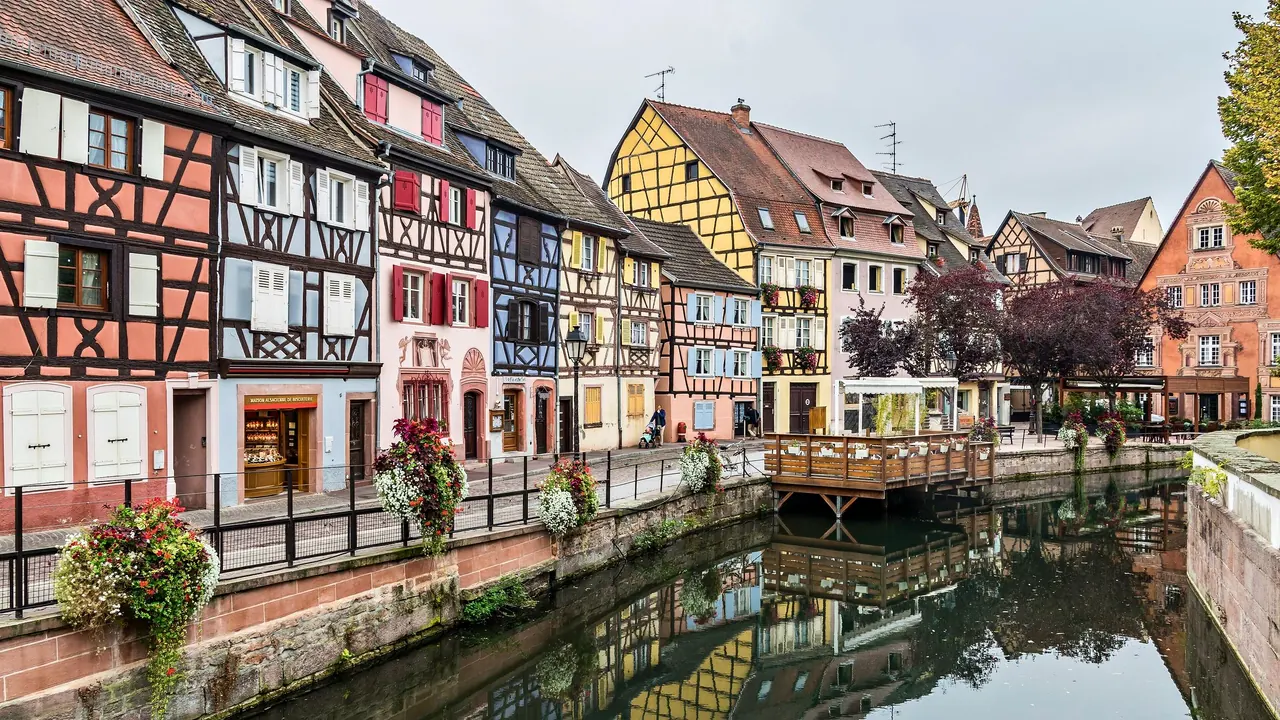
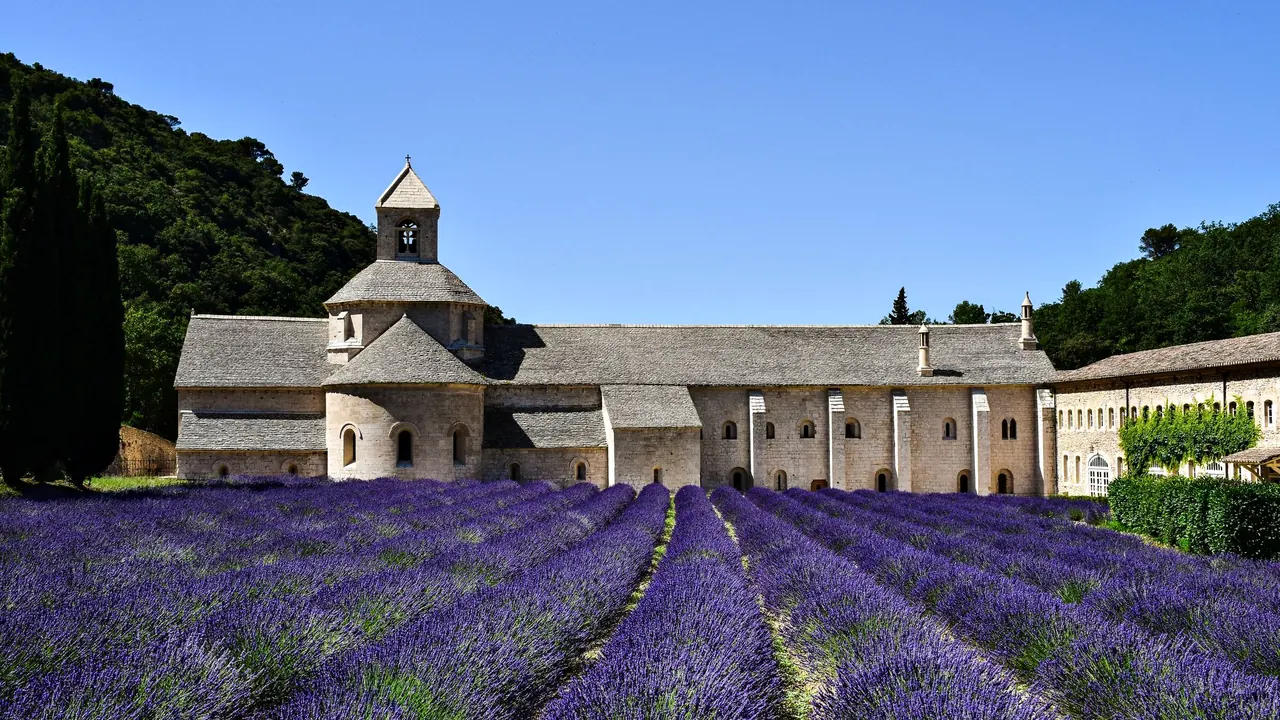
Photos: Alsace by Krzysztof Golik, CC BY-SA 4.0, cropped; Provence by AXP Photography, Pexels License.
Alsace or Provence?
Our verdict in twelve categories, each scored against the same fixed benchmark cities, and the climate month by month, so you can choose for your trip.
Choose Alsace for
- families
- getting around
- prices
Alsace suits travellers who want an easy, compact trip built around wine, food and old towns. Trains link Strasbourg, Colmar and Mulhouse, the wine villages sit a few kilometres apart, and there is a lot laid on for children, from Europa-Park across the Rhine to the monkey and eagle parks near Kintzheim. It is the better pick for families, for anyone who would rather not depend on a car, and for a cooler-weather trip with Riesling tastings and winstub dinners.
Choose Provence for
- beaches
- nightlife
- nature and the outdoors
Provence is the trip for sun, sea and big landscapes. It has real beaches on the Var coast and in the calanques, the Gorges du Verdon and Mont Ventoux for the outdoors, and Roman and papal monuments spread across Avignon, Arles and Orange. Go if you are happy to drive between hilltop villages and market towns, and plan around the summer heat and the higher cost of the season.
Scoreboard
Twelve categories on one fixed scale from 0 to 100. The shaded stretch is the gap between the two.
Your match
Pick a travel style or drag the sliders, and both match scores follow your weighting.
Wins on families and getting around with your weighting.
Wins on beaches and nightlife with your weighting.
What matters to you?
Category by category
What the scores mean for a trip.
Beaches & swimming
On beaches the two are worlds apart. Alsace is several hundred kilometres from the sea. Swimming means flooded gravel pits on the Rhine plain, cold lakes in the Vosges and outdoor pools in the towns. They are fine on a hot afternoon but not worth planning a trip around.
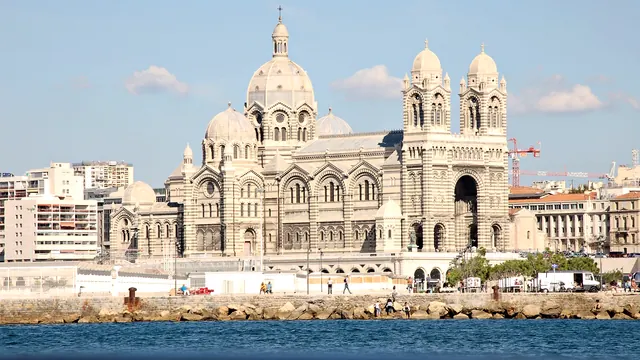
Provence has a real Mediterranean coast: the long sandy beach at Pampelonne, the pale, almost tropical shallows of Porquerolles, and the turquoise inlets of the calanques between Marseille and Cassis. These beaches lie on the Var coast and around Marseille, a long drive from the Luberon and the Alpilles, so for a beach trip you need to stay by the sea.
Food & drink
Both regions eat very well. The difference is in what you eat. Alsace is hearty and northern, with choucroute, baeckeoffe and flammekueche in wood-panelled winstubs, white wines tasted at the growers' cellars along the Route des Vins, and plenty of local beer.
Provence cooks with olive oil, herbs and the sea: bouillabaisse in Marseille, aïoli and daube inland, and in winter truffles around Carpentras. Its weekly markets in Aix, Apt and Saint-Rémy are part of the trip, and rosé and Châteauneuf-du-Pape take the place of Riesling. Away from the big cities, neither region offers much international food.
Culture & sights
The two are about equal for sights, but they are laid out very differently. In Alsace the heritage is close together. Strasbourg's sandstone cathedral and UNESCO-listed island centre and the Isenheim Altarpiece in Colmar are half an hour apart by train, with walled wine villages in between.
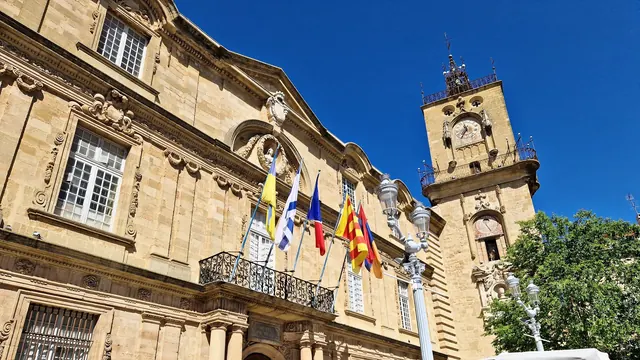
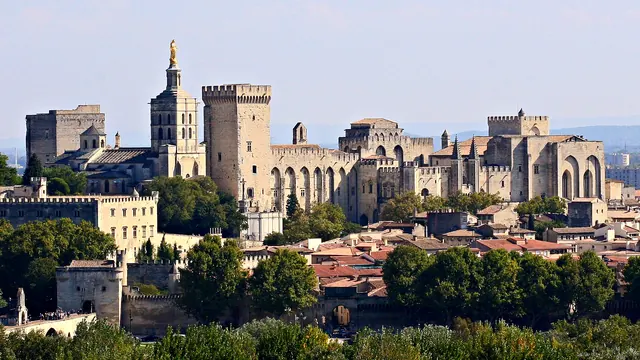
Provence spreads its history over many towns and many centuries: the Palais des Papes in Avignon, the Roman arena at Arles and the Roman theatre at Orange, Cézanne's Aix, and Cistercian abbeys such as Sénanque out in the country. The range is wider, but you will need several bases or a car.
Nightlife
Provence offers more after dark, mainly thanks to Marseille. Its bars and late clubs around Cours Julien and La Plaine make a proper city scene, and in summer Saint-Tropez adds its famous beach clubs.
In Alsace, going out mostly means Strasbourg: beer and wine bars in the student quarter of Krutenau and on the quays, with only a few clubs. In the villages of both regions, the evening ends with a long dinner.
Nature & outdoors
Provence has the more dramatic landscapes. The Gorges du Verdon cut a limestone canyon up to 700m deep, white cliffs fall to the sea in the Calanques, Mont Ventoux rises bare above the plain, and the Camargue is a flat land of lagoons and flamingos. The catch is summer, when the heat is fierce and fire risk can close the massifs.
Alsace is softer and greener. The forested ballons of the Vosges, the Route des Crêtes with its views to the Black Forest, and a dense network of marked trails make for steady walking. The flat Rhine plain is easy cycling country, and the Vosges add a little skiing in winter.
Day trips
Provence has the slight edge on day trips, simply because there are so many. From Avignon or the Luberon you can reach Gordes, the ochre cliffs at Roussillon, Les Baux, Châteauneuf-du-Pape and the Pont du Gard, all within an hour. Most of them need a car, though.
Alsace is easier to string together. Kaysersberg, Riquewihr and Eguisheim sit so close that one day covers several, and the railway line runs on to Colmar, Sélestat and Mulhouse. It also has the advantage of its borders, with Basel, Freiburg and Baden-Baden all within easy reach.
Good for families
Alsace is the easier region for children. Europa-Park is within an hour across the Rhine, and the monkey forest and eagle shows near Kintzheim fill a day. Mulhouse adds its zoo and its railway and car museums, and the boat trips through Petite France suit younger children.
In Provence, families mostly come for a rented house with a pool and the shallow beaches around Hyères, with canoeing on the Sorgue for older children. July heat, long drives and steep perched villages that are hard with a pushchair make it harder going.
Getting around
Alsace is much easier without a car. Frequent trains run the length of the plain, and Strasbourg has trams and one of France's best cycle networks. You only need a car for the wine villages and the Vosges, and the distances there are short.
In Provence, trains link Marseille, Aix, Avignon and Arles, but the abbeys, gorges and hill villages are out of reach without a car. In summer, the jammed road into Saint-Tropez and the narrow lanes up to the perched villages test your patience.
Shopping & style
Provence offers more interesting shopping for most of the year. You can browse antiques in the dealers' halls at L'Isle-sur-la-Sorgue, buy printed fabrics and olive wood at the weekly markets, find Moustiers faience and santons, shop for fashion in Aix and visit the luxury boutiques of Saint-Tropez in summer.
Alsace has the bigger town-centre shops around Place Kléber in Strasbourg and its own crafts, such as Betschdorf stoneware and Soufflenheim baking moulds. Its real shopping season is December, when the Christmas markets fill the squares.
Affordability
Neither region is cheap, but Alsace is somewhat easier on the budget. It gets expensive in Strasbourg during the Christmas markets and European Parliament sessions, while guesthouses in the wine villages and wine bought from the growers keep costs reasonable.
Provence is at its priciest in July and August, especially villas in the Luberon and anywhere near Saint-Tropez. Marseille, Arles and the quieter villages of Haute-Provence, along with spring or autumn dates, bring costs down.
Live music & performing arts
The two are about equal here, but the timing is opposite. Provence is at its best in summer. The Avignon theatre festival fills the town in July, Aix stages world-class opera in the courtyard of the Archbishop's Palace, and Orange puts on opera in its Roman theatre.
Alsace offers steadier, year-round culture in Strasbourg, with the Opéra national du Rhin, the Philharmonic and the Théâtre National de Strasbourg, plus jazz and contemporary music festivals in autumn. Outside the summer festivals, Strasbourg is the more reliable place to catch an evening performance.
Wellness & relaxation
Both regions are restful in much the same unhurried, rural way. The spa offer differs a little. Alsace has thermal waters at Niederbronn-les-Bains in the north, and the great baths of Baden-Baden are just over the Rhine.
Provence has the thermal spa in Aix, the old spa towns of Gréoux-les-Bains and Digne-les-Bains, and country hotels with lavender treatments. For calm, avoid Strasbourg in December and the Provençal coast in high summer.
When should you go?
Pick your month. The climate figures are measured averages, not a forecast.
Alsace in July
Provence in July
Daytime high, °C
Rainfall in the month, mm
Where the figures come from
Provence has no rain gauge within 25 km of the centre, so its rainfall comes from a gridded climate dataset read at the destination rather than from a gauge further away.
Provence's sunshine is measured 53 km from the centre, at Nimes / Courbessac.
Temperature and rainfall are climate normals, averaged over the years shown. Alsace: 1991-2020 normals, Ihringen (20.8 km from centre). Provence: 2005-2020 (sunshine 1981-2010, rainfall 1991-2020) normals, Avignon / Morières-lès-Avignon (11.9 km from centre).
Alsace is a summer and early-autumn destination. From June to August the plain warms to about 27°C, warm enough for the lakes and long evenings in the vineyards. Late spring and summer bring the most rain, with May the wettest month at 87mm, usually as showers between sunny spells. September is still mild and good for walking. Winter is cold and grey, with highs of about 6°C and little sunshine.
Provence, measured inland where most visitors stay, runs hotter and much sunnier all year. July reaches about 32°C, which suits a lazy beach day better than walking around Arles at midday, so May, June and September are the best months for both towns and trails. The beach season runs from June into September. Rain comes in autumn and peaks in October at 102mm, while winter stays mild and bright compared with the grey months in Alsace.
Which traveller are you?
For a beach and sun trip, Alsace cannot compete, being far from any sea and with cloudier summers. Provence offers months of sunshine, warm Mediterranean water and a choice of sandy bays or rocky inlets, as long as you stay on the coast.
On a family trip with children, Alsace is the easier choice. Journeys are short, summers are mild, and theme parks and animal parks are close at hand. Provence suits families happy to stay put at a rented house with a pool, because sightseeing there means long, hot drives.
For an outdoors trip, Provence has the edge. Alsace offers gentle walking in green hills and easy, flat cycling. Provence adds wilder and more varied country, from canyon to sea cliff to wetland, though summer heat and fire closures make spring and autumn better.
Before you go
| Measure | Alsace | Provence |
|---|---|---|
| Official language | French | French |
| Currency | Euro (EUR) | Euro (EUR) |
| Sockets | CE230 V, 50 Hz | CE230 V, 50 Hz |
| Driving side | Right | Right |
| Time zone | UTC+1, UTC+2 in summer | UTC+1, UTC+2 in summer |
| Emergency number | 112 | 112 |
| Main airport | Strasbourg Airport (SXB)43 non-stop destinations | Marseille Provence Airport (MRS)126 non-stop destinations |
| Public holidays this year | 11 days | 11 days |
Where else could you go?
Every comparison below shares a destination with this one, so you can follow Alsace or Provence somewhere new.
- Black Forestvs Alsace
- Swiss Alpsvs Alsace
- French Rivieravs Provence
- Burgundyvs Alsace
- French Alpsvs Alsace
- Piedmontvs Provence