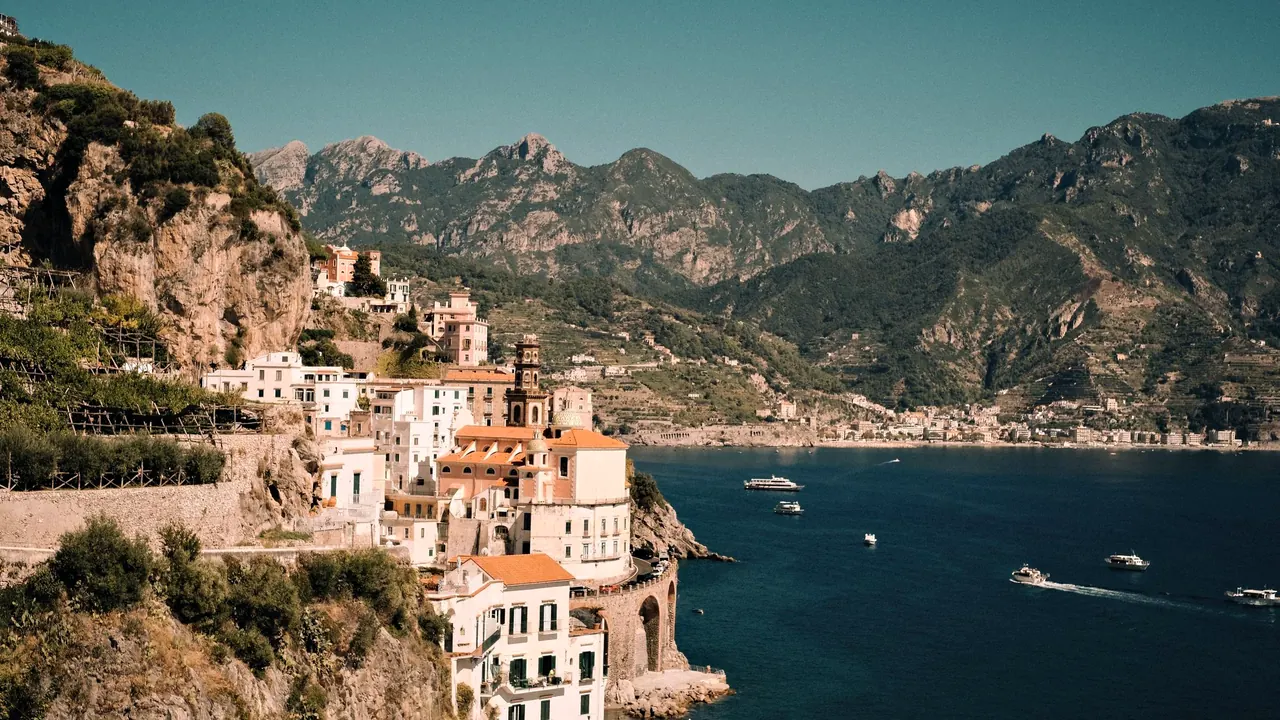
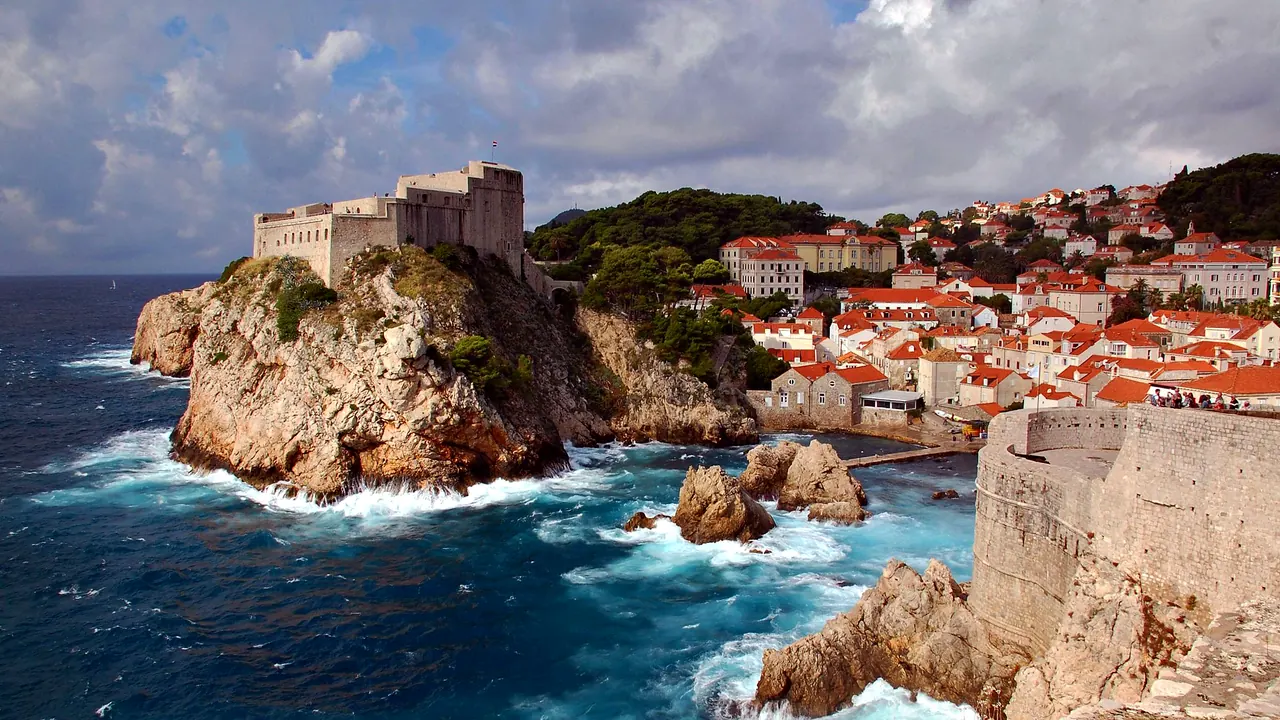
Photos: Amalfi Coast by Alina Chernii, Pexels License; Dalmatia by Edwardwexler at English Wikipedia, CC BY-SA 3.0, cropped.
Amalfi Coast or Dalmatia?
Our verdict in twelve categories, each scored against the same fixed benchmark cities, and the climate month by month, so you can choose for your trip.
Choose Amalfi Coast for
- shopping
- day trips
- wellness
The Amalfi Coast suits couples who want one dramatic stretch of cliffs and to stay put on it: long terrace dinners, Ravello's gardens, quiet evenings, and Pompeii, Capri and Naples all within a day's reach. It is the smaller, steeper and more expensive of the two. Expect stairs, crowded buses and pebble coves rather than beaches you can spread out on.
Choose Dalmatia for
- nightlife
- prices
- families
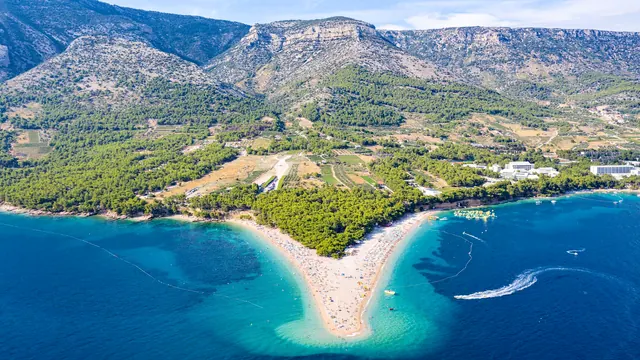
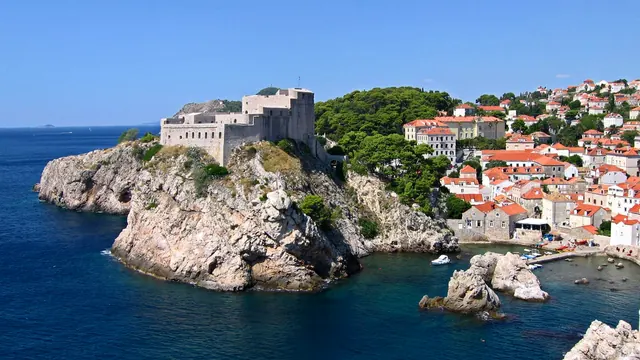
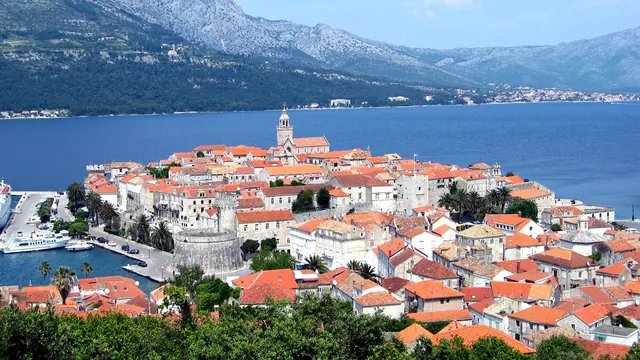
Dalmatia is the better pick for a trip that moves around. The coast is longer and the beaches better, and you can travel by ferry between walled towns like Split, Dubrovnik and Trogir. Families, groups who want a night out and travellers watching their spending will all do better here. The trade-off is long distances, and the food and shopping are less refined.
Scoreboard
Twelve categories on one fixed scale from 0 to 100. The shaded stretch is the gap between the two.
Your match
Pick a travel style or drag the sliders, and both match scores follow your weighting.
Wins on shopping and day trips with your weighting.
Wins on nightlife and prices with your weighting.
What matters to you?
Category by category
What the scores mean for a trip.
Beaches & swimming
On both coasts the water is clear and the beaches are mostly pebble, but Dalmatia has far more places to swim. You get the long pine-backed run of the Makarska Riviera, the shingle spit of Zlatni Rat on Brač, quiet coves on Vis and the Pakleni islands, and real sand at Nin and on Lopud.
The Amalfi Coast offers small grey-pebble coves wedged between cliffs, often filled with hired sunbeds, and many can only be reached by boat or long stairways. Maiori is the exception, with room to spread out. Elsewhere the best swimming here is from a hired boat anchored below the rocks.
Food & drink
The Amalfi Coast eats slightly better, with a more distinctive local larder: scialatielli with clams, fish baked in lemon leaves, Cetara's anchovies and colatura, Sfusato lemons in everything and the sfogliatella of Conca dei Marini. Its range also runs higher, up to elaborate dining on the terraces of the grand hotels.
Dalmatian cooking is plainer: grilled fish, black risotto, pašticada and peka cooked in a family konoba. Its wine is the stronger draw, with Plavac Mali from Hvar and Pelješac and Pošip from Korčula, plus the oysters of Ston. On both coasts the busiest waterfronts serve tired food, and the fix is the same: walk away from the harbour.
Culture & sights
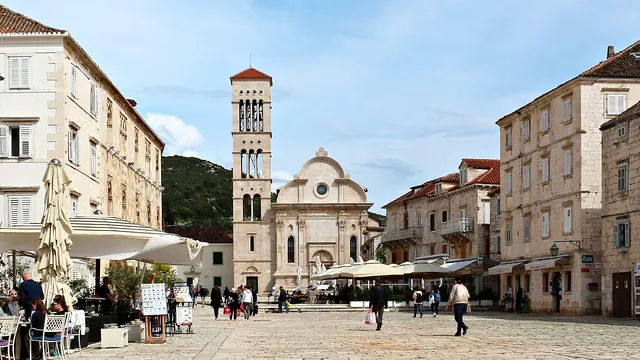
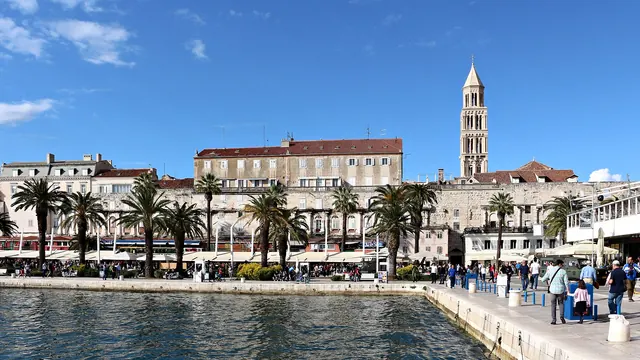
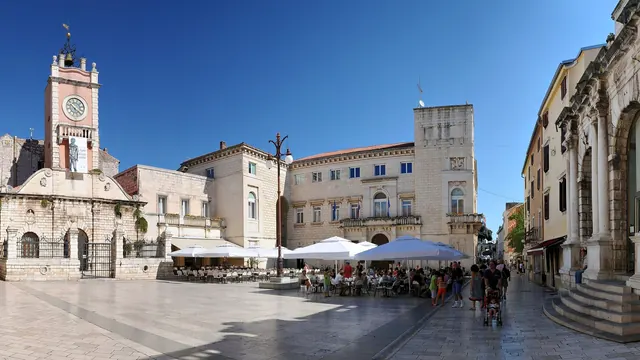
Dalmatia has more and grander heritage. In Split, daily life still runs through Diocletian's Palace, and Dubrovnik is a complete walled city with the Rector's Palace at its heart. Trogir, Šibenik's stone cathedral, Zadar's Roman forum and the ruins of Salona fill out a coast of first-rank towns, though seeing them means travelling between them.
The Amalfi Coast has one fine cathedral and cloister in Amalfi, the villas and gardens of Ravello and a Roman villa at Minori. Its real sight is the UNESCO-listed landscape of pastel towns stacked on the cliffs. Neither coast has major museums, but the Amalfi side relies more on Naples and Pompeii for depth.
Nightlife
Dalmatia is the place to go out. Hvar town has harbourside cocktail bars and beach clubs on the islets reached by water taxi, Split's palace lanes fill with small crowded bars, and Makarska and Bol have resort strips. All of this runs from June to mid September.
On the Amalfi Coast, evenings mean an aperitivo with a view, a long dinner and a stroll. You might add a cocktail in Positano or a café table in Amalfi's cathedral square until around midnight. It suits honeymooners, not party crowds.
Nature & outdoors
The two are equally strong outdoors, but in different ways. The Amalfi Coast is all one vertical landscape: the Lattari mountains plunge into the sea, the Path of the Gods runs high above Positano, mule tracks link lemon terraces and the Valle delle Ferriere climbs a gorge with waterfalls. On the water, it means sea caves, the Grotta dello Smeraldo and snorkelling around Li Galli.
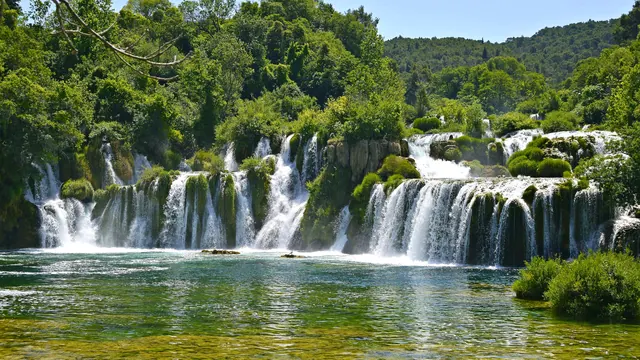
Dalmatia offers more variety over a much larger area. It is one of Europe's great sailing coasts, with the bare Kornati islands and Mljet's saltwater lakes. Inland there are the Krka falls, rafting in the Cetina gorge, Biokovo rising behind Makarska and serious climbing at Paklenica.
Day trips
The Amalfi Coast has the more famous places within easy reach. Pompeii and Herculaneum are close by road, ferries run to Capri in season, Paestum's Greek temples are south of Salerno and Naples makes a full day. Because the roads are slow, the boat is often the best way out.
Dalmatia's days out are more about hopping between islands and towns. From Split there are Hvar's harbours, Bol and Komiža on Vis. From Dubrovnik you can reach the Elaphiti islands, Ston and Pelješac, and Kotor across the border. Mostar is a long day from either end of the coast.
Good for families
Dalmatia is much easier with children. The sea is tideless and calm, many bays are shallow, and in resort towns like Makarska, Baška Voda and Bol the shore is a short walk away. Restaurants are relaxed about children staying up late. You will need water shoes for the pebbles, and Dubrovnik's stepped streets are still hard work with a pushchair.
The Amalfi Coast is built for couples. Its towns are hundreds of steps high, and the coast road often has no pavement. Families should base themselves in flatter Maiori or Minori and plan their days around boat trips and the emerald grotto.
Getting around
Dalmatia is easier to travel around, though it covers longer distances. A good motorway runs behind the coast, buses link the main towns reliably, and Split, Zadar and Dubrovnik each have ferries and catamarans to their islands. Driving from Zadar to Dubrovnik takes a full morning, and ferry queues in high season call for planning.
On the Amalfi Coast everything depends on one narrow cliff road that jams for hours in summer, with packed buses and almost no parking. From spring to autumn the ferries between Positano, Amalfi, Minori, Maiori and Salerno are the sensible alternative, and they double as sightseeing.
Shopping & style
The Amalfi Coast gives shoppers more to look for. Positano's boutiques sell bright linen and cotton clothing, and its sandal makers will fit a pair while you wait. Amalfi sells paper from its old mills, and Vietri sul Mare is the place for hand-painted majolica, from single tiles to whole dinner services.
In Dalmatia, the things worth buying are food and craft: olive oil, wine, dried figs, Hvar lavender, Pag lace and Brač stone carving, bought from markets and cellars. Split's streets and green market are the best of it, and Dubrovnik's old town is mostly coral and souvenir shops.
Affordability
Dalmatia is the cheaper coast, though not a cheap one. Dubrovnik's old town and Hvar town are expensive in summer, but private rooms in smaller towns, mainland resorts and the northern coast around Zadar and Šibenik bring costs down a long way.
The Amalfi Coast is among the most expensive coasts in Europe. Sea-view rooms, sunbeds, private boats and even a simple lunch by the water all cost a lot. Staying in Maiori, Minori, Atrani or Agerola and travelling by bus and ferry helps, but the savings are smaller than in Dalmatia.
Live music & performing arts
The two are broadly level, and both come alive in summer. The Amalfi Coast's music centres on Ravello: orchestras play on a stage built out over the cliff in Villa Rufolo's gardens, and chamber concerts fill its churches on many evenings. Beyond Ravello there is little but feast-day bands.
Dalmatia spreads things wider. Theatre and classical concerts are staged in Dubrovnik's palace courtyards and opera in Split's Peristyle, and Split's Croatian National Theatre carries on through the rest of the year. Klapa, unaccompanied close-harmony singing, is a sound you will not hear on the Amalfi side.
Wellness & relaxation
Neither coast has its own bathing tradition, but the Amalfi Coast is a little more restful. Its luxury cliffside hotels have seawater pools and treatment rooms looking over the gulf, and Ravello's gardens, Praiano and Conca dei Marini are calm bases. The thermal parks of Ischia are a long ferry day away.
In Dalmatia, rest is a matter of fjaka, the drowsy summer idleness, practised best on the car-free Elaphiti islands, Vis or Lastovo. Its spas are mostly in big resort hotels. On both coasts, the quiet comes from avoiding the busiest towns in August.
When should you go?
Pick your month. The climate figures are measured averages, not a forecast.
Amalfi Coast in July
Dalmatia in July
Daytime high, °C
Rainfall in the month, mm
Where the figures come from
Amalfi Coast's temperatures are measured 65 km from the centre, at Grazzanise.
Amalfi Coast has no rain gauge within 25 km of the centre, so its rainfall comes from a gridded climate dataset read at the destination rather than from a gauge further away.
Dalmatia's temperatures are measured 53 km from the centre, at Split / Marjan.
Dalmatia has no rain gauge within 25 km of the centre, so its rainfall comes from a gridded climate dataset read at the destination rather than from a gauge further away.
Dalmatia's sunshine is measured 53 km from the centre, at Split / Marjan.
Temperature and rainfall are climate normals, averaged over the years shown. Amalfi Coast: 1991-2020 normals, Grazzanise (64.7 km from centre). Dalmatia: 1991-2020 (sunshine 1971-2000) normals, Split / Marjan (53.2 km from centre).
Through the year the two coasts are much alike. Summers are hot and dry, with highs around 31°C in July and August, and the sea is warm enough for swimming from June into early October. On the Amalfi side the water is a little warmer, reaching about 26°C in August, and September stays hotter there too, at about 28°C against 25°C around Dalmatia's main resorts. That makes the Amalfi Coast slightly better for a late-season swim. Dalmatia gets a bit more summer sunshine. On both coasts the midsummer heat makes steep streets and trails hard going by midday.
The rain comes back in September on both coasts. On the Amalfi side autumn and winter are clearly wetter, with about 143mm in November, though its winter days are a few degrees milder. For walking and sightseeing, April to early June and late September to October are the best times on either coast. Dalmatia is the slightly drier choice if you travel in the colder months.
Which traveller are you?
On a family trip with young children, choose Dalmatia. It has calm, shallow bays, sand near Nin and flat resort towns like Makarska and Bol where the sea is a short walk away. The Amalfi Coast's endless stairs and pavement-less cliff road are hard work with small children.
For a shopping trip, the Amalfi Coast wins. Positano's lanes sell linen clothing and sandals made to fit while you wait, Amalfi has paper from its old mills and Vietri has painted majolica. Dalmatia offers mostly olive oil, lavender and lace, alongside souvenir stalls.
On a tight budget, choose Dalmatia. It is not cheap in summer, but private rooms in smaller towns, the coast around Zadar and Šibenik and inland konobas keep costs well below the Amalfi Coast. There, sea-view rooms and waterfront lunches cost a lot, even with a base in Maiori or Agerola.
Before you go
| Measure | Amalfi Coast | Dalmatia |
|---|---|---|
| Official language | Italian | Croatian |
| Currency | Euro (EUR) | Euro (EUR) |
| Sockets | CFL230 V, 50 Hz | CF230 V, 50 Hz |
| Driving side | Right | Right |
| Time zone | UTC+1, UTC+2 in summer | UTC+1, UTC+2 in summer |
| Emergency number | 112 | 112 |
| Main airport | Naples International Airport (NAP)131 non-stop destinations | Split Saint Jerome Airport (SPU)69 non-stop destinations |
| Public holidays this year | 13 days | 14 days |
By the numbers
| Measure | Amalfi Coast | Dalmatia |
|---|---|---|
| Population | - | 852,068 |
| People per km² | - | 70 |
| Swim season, months above 21 °C | 5 months | 4 months |
Where else could you go?
Every comparison below shares a destination with this one, so you can follow Amalfi Coast or Dalmatia somewhere new.
- Caprivs Amalfi Coast
- Naplesvs Amalfi Coast
- Procidavs Amalfi Coast
- Ischiavs Amalfi Coast
- Kotorvs Dalmatia
- Plitvice Lakesvs Dalmatia