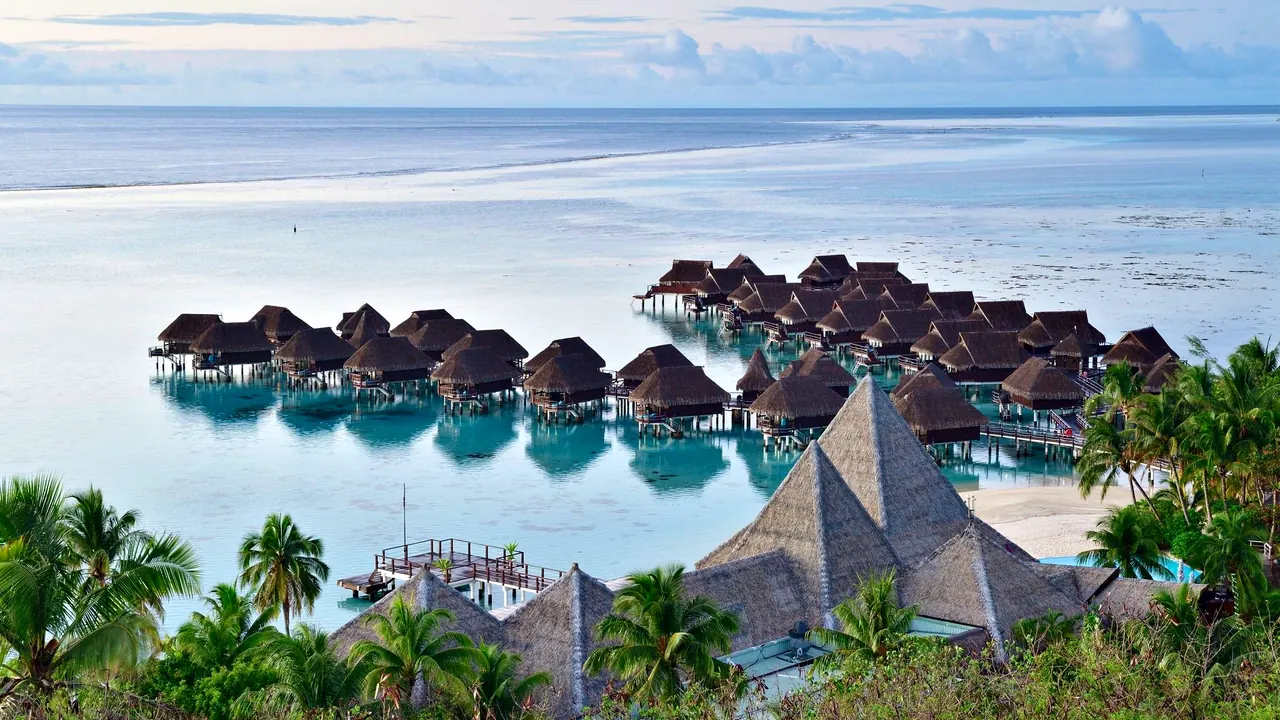
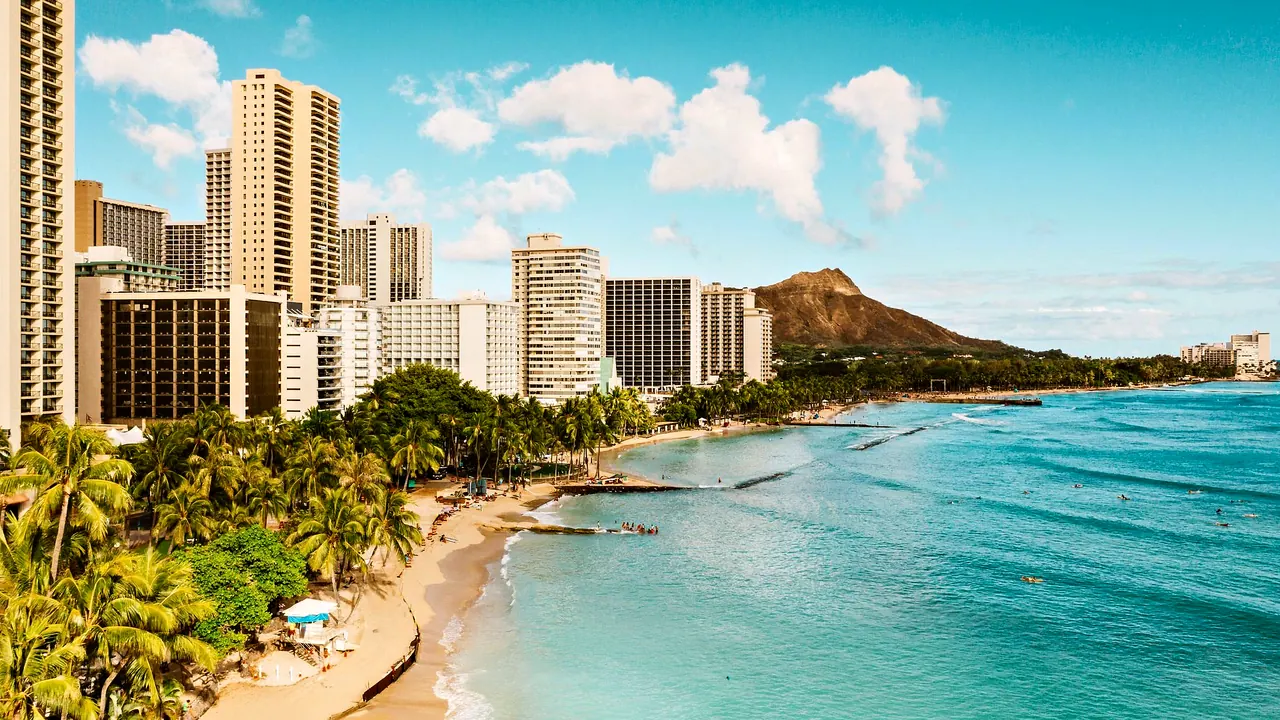
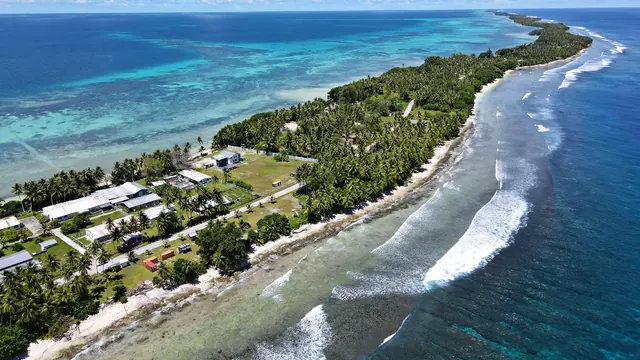
Photos: French Polynesia by Colon Freld, Pexels License; Hawaii by Jess Loiterton, Pexels License.
French Polynesia or Hawaii?
Our verdict in twelve categories, each scored against the same fixed benchmark cities, and the climate month by month, so you can choose for your trip.
Choose French Polynesia for
- nature and the outdoors
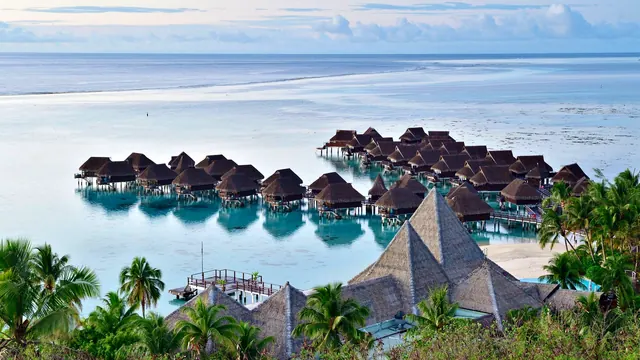
French Polynesia suits a trip built around the lagoon itself: a couple on honeymoon in a stilted bungalow on Bora Bora, a diver drifting through the shark-filled passes of Rangiroa and Fakarava, or anyone who wants green peaks, turquoise water and very little else to fill the evenings. It is remote, quiet and expensive, and its appeal lies in that stillness rather than in towns, food or sights.
Choose Hawaii for
- families
- culture and sights
- food and drink
Hawaii is the better all-round choice, and the stronger one for families and for anyone who wants more than water and scenery. Honolulu brings a real food scene, the Bishop Museum and Iolani Palace, some nights out and proper attractions for children, while Maui, Kauai and the Big Island match French Polynesia for landscape with volcanoes, canyons and sea cliffs. Moving around is simpler too, with short flights and a hire car taking the place of long island hops.
Scoreboard
Twelve categories on one fixed scale from 0 to 100. The shaded stretch is the gap between the two.
Your match
Pick a travel style or drag the sliders, and both match scores follow your weighting.
Wins on nature and the outdoors with your weighting.
Wins on families and culture and sights with your weighting.
What matters to you?
Category by category
What the scores mean for a trip.
Beaches & swimming
Both are superb for swimming, and Hawaii edges ahead on range: Waikiki's beginner surf, the quiet windward sand of Lanikai and Kailua, Maui's resort shores at Kaanapali and Wailea and the Big Island's Hapuna give a beach for every mood. Its catch is the swell, which turns north shores rough in winter and calls for lifeguarded spots on exposed coasts.
French Polynesia is a different kind of swim. Much of it happens off a pontoon or bungalow deck into calm, reef-sheltered lagoon, with Matira on Bora Bora and the pink and white motu of Tikehau as the sandy highlights, while Tahiti's own black-sand shores are mostly passed over.
Where in French Polynesia: Bora Bora, Tikehau, Maupiti, Moorea
Food & drink
Hawaii eats much better. Its Japanese, Korean, Chinese, Filipino and Native Hawaiian mix shows in poke counters, plate lunches and malasadas everywhere, and Honolulu adds real depth with ramen, izakaya and dim sum in Chinatown and Kapahulu.
French Polynesia has a few genuine pleasures, above all poisson cru, the evening roulottes on Papeete's waterfront and French bread and pastries. Away from Tahiti and Moorea, though, most meals are taken in hotel dining rooms with a short, largely imported menu.
Where in French Polynesia: Papeete, Moorea
Culture & sights
Hawaii offers far more to see. Honolulu alone holds Iolani Palace, the Bishop Museum's great Pacific collection and the Pearl Harbor memorials, and the Big Island adds the place of refuge at Puuhonua o Honaunau and heiau along the Kona coast.
French Polynesia's heritage is older in feel but thinner on the ground: the marae of Taputapuatea on Raiatea, the Museum of Tahiti and Its Islands, and the stone tiki of the Marquesas, which demand a separate long flight. A few days covers what most visitors will reach.
Where in French Polynesia: Raiatea, Tahiti, Marquesas Islands
Nightlife
Neither is a place for late nights, but Hawaii at least has Honolulu, where Waikiki's sunset lounges and the cocktail and dive bars around Chinatown make a decent evening out. In French Polynesia going out means a few Papeete bars at weekends; on Bora Bora or Moorea the night ends after dinner and perhaps a hotel dance show.
Where in French Polynesia: Papeete
Nature & outdoors
These two are evenly matched outdoors, and the difference is in what you look at. French Polynesia is the lagoon world: green peaks over reef-ringed water, Moorea's ridge trails and Belvedere view, rays and reef sharks in the shallows, and in the Tuamotu some of the finest diving anywhere, with Teahupo'o on Tahiti for serious surfers.
Hawaii is the land-based one, with live volcanic terrain at Kilauea, the Na Pali cliffs and Waimea Canyon on Kauai and Haleakala's crater on Maui. The whale seasons fall neatly apart: humpbacks calve off French Polynesia from July to October and off Maui from about December to April.
Where in French Polynesia: Moorea, Rangiroa and Fakarava, Bora Bora, Tahiti
Day trips
Hawaii has a little more to fill a day away from base, mostly small towns: Haleiwa and Kailua from Honolulu, Hilo and the ranching town of Waimea on the Big Island, Paia and Makawao upcountry on Maui and the ferry to Lanai.
French Polynesia has essentially two good outings, the fast ferry from Papeete to Moorea and the boat across from Raiatea to the vanilla and pearl farms of Taha'a. Beyond these, a day trip usually means a lagoon tour.
Good for families
Hawaii is much the easier choice with children. Sheltered bays on Maui's south shore and at Ko Olina, the aquarium and zoo in Honolulu, the Polynesian Cultural Center and resorts with kids' clubs give a family plenty beyond the beach, and volcanoes and whales suit older children.
French Polynesia offers calm, shallow lagoons and a relaxed, child-friendly welcome, best on Moorea and Tahiti, but no attractions made for children. Bora Bora's resorts are aimed at honeymooners, and the long flights and island hops wear small travellers out.
Getting around
Hawaii is simpler to move around. Waikiki can be walked and Oahu's buses reach most of the coast, so a car-free stay there works, and the other islands are a short flight away, though Maui, Kauai and the Big Island really need a hire car.
In French Polynesia the islands are scattered across a vast ocean, flights often loop back through Papeete and resort motu on Bora Bora are reached only by boat. Tahiti and Moorea, joined by frequent ferries, are the one easy pairing.
Shopping & style
Hawaii has much more choice. Kalakaua Avenue in Waikiki and the malls around Ala Moana carry the international brands, and aloha shirts, koa wood, Niihau shell lei and Kona coffee make good things to take home.
French Polynesia is all about one purchase, the Tahitian black pearl, best bought at the farms on Taha'a or from Papeete's dealers, plus monoi, pareos and Marquesan carvings at Papeete's central market. Beyond that the boutiques are few.
Where in French Polynesia: Tahiti, Taha'a, Marquesas Islands
Affordability
Both are among the most expensive places to vacation, with imported food, costly beach resorts and flights between islands pushing every budget up. Where they differ is in how to save.
In French Polynesia the answer is a family-run pension on Tahiti, Moorea or Huahine and suppers at the roulottes. Hawaii gives a careful traveller more room: plate lunches, poke counters and farmers markets, a condo with a kitchen, a Waikiki base rather than a resort, and cheap buses on Oahu.
Live music & performing arts
Hawaii has the fuller calendar. The Merrie Monarch Festival in Hilo each spring is the great hula event, slack-key guitar and ukulele play at sunset lounges, and Honolulu adds the Hawaii Theatre, a symphony and a small opera season.
French Polynesia's dance, the fast-hipped ori tahiti with its drums, is just as alive, and the Heiva i Tahiti in Papeete each July is the time to see it at its best. Outside that, it is mostly hotel shows and Sunday himene singing in church.
Where in French Polynesia: Papeete
Wellness & relaxation
Neither has a bathing tradition, so relaxing means a spa and a slow pace, and Hawaii offers more of both. Big resort spas line Wailea, Kapalua, the Kohala Coast and Poipu, lomilomi massage is offered nearly everywhere, and Kauai's north shore draws yoga and wellness retreats.
French Polynesia's spas are fewer and mostly confined to resorts on Bora Bora and Moorea, often over the water, with monoi oil and taurumi massage. The quiet of the smaller islands does much of the work.
When should you go?
Pick your month, and for a country the place in it. The climate figures are measured averages, not a forecast.
Where in French Polynesia
Tahiti (French Polynesia) in July
Hawaii in July
Daytime high, °C
Rainfall in the month, mm
Temperature and rainfall are climate normals, averaged over the years shown. Tahiti (French Polynesia): 1991-2020 normals, Tahiti-Faaa (5.3 km from centre). Hawaii: 1991-2020 (sunshine 1981-2010) normals, Honolulu International Airport (10 km from centre).
French Polynesia is hot all year, with daytime highs on Tahiti and Bora Bora staying close to 30°C, so the rain decides the season. May to October is the drier, sunnier half, with Tahiti getting only 43mm in July and August. That is the best time for lagoon days and the ridge walks on Moorea. The rains build from November and are heaviest around the turn of the year, when Tahiti's wettest month, December, brings 280mm and both islands see cloudier skies. The sea stays warm around Tahiti and Bora Bora in every month, so you can swim at any time of year.
Hawaii is drier and sunnier all year. Even its wettest stretch, November to March, brings only light rain compared with the Polynesian wet season. Summer is the brightest time, with long sunny days from May to August and highs reaching 32°C in August, which can feel hot for long walks away from the coast. Winter is a little cooler on land and in the sea. The water drops to 24°C from January to April, still comfortable for swimming but fresher than Polynesian water at the same time of year.
Which traveller are you?
On a family trip with children, Hawaii is the clear choice. It has days out made for young visitors, from sea life to Polynesian culture, and resorts planned around families. French Polynesia gives warm, calm lagoons but little else for children to do.
For a food and nightlife trip, Hawaii again comes out ahead. Honolulu's ramen counters, izakaya and Chinatown cocktail bars make for real evenings out. In French Polynesia the best eating is at the Papeete roulottes, and going out means a few weekend bars.
Scuba divers should choose French Polynesia. In the passes of Rangiroa and Fakarava in the Tuamotu you can drift past walls of grey sharks on some of the world's great dives. Hawaii's turtle reefs and manta night snorkels are lovely but no match for them.
More comparisons
Each shares a side with French Polynesia or Hawaii.
Where else could you go?
Set French Polynesia against any other country.