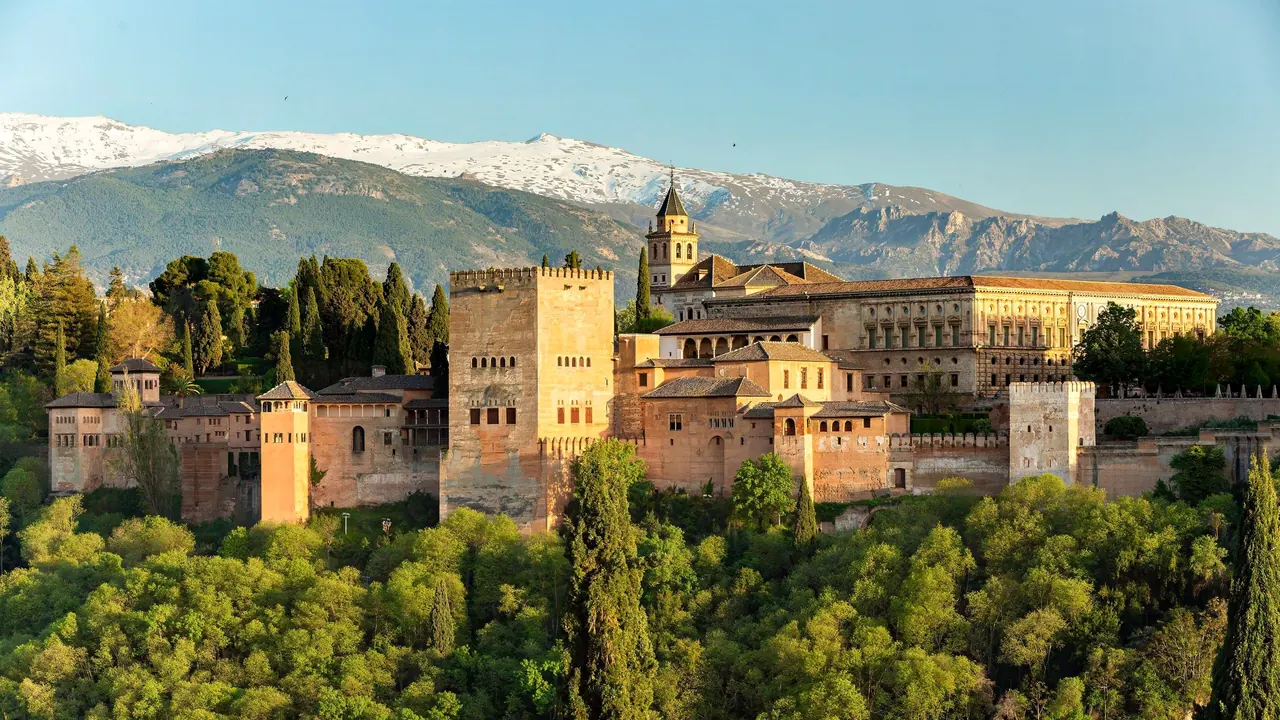
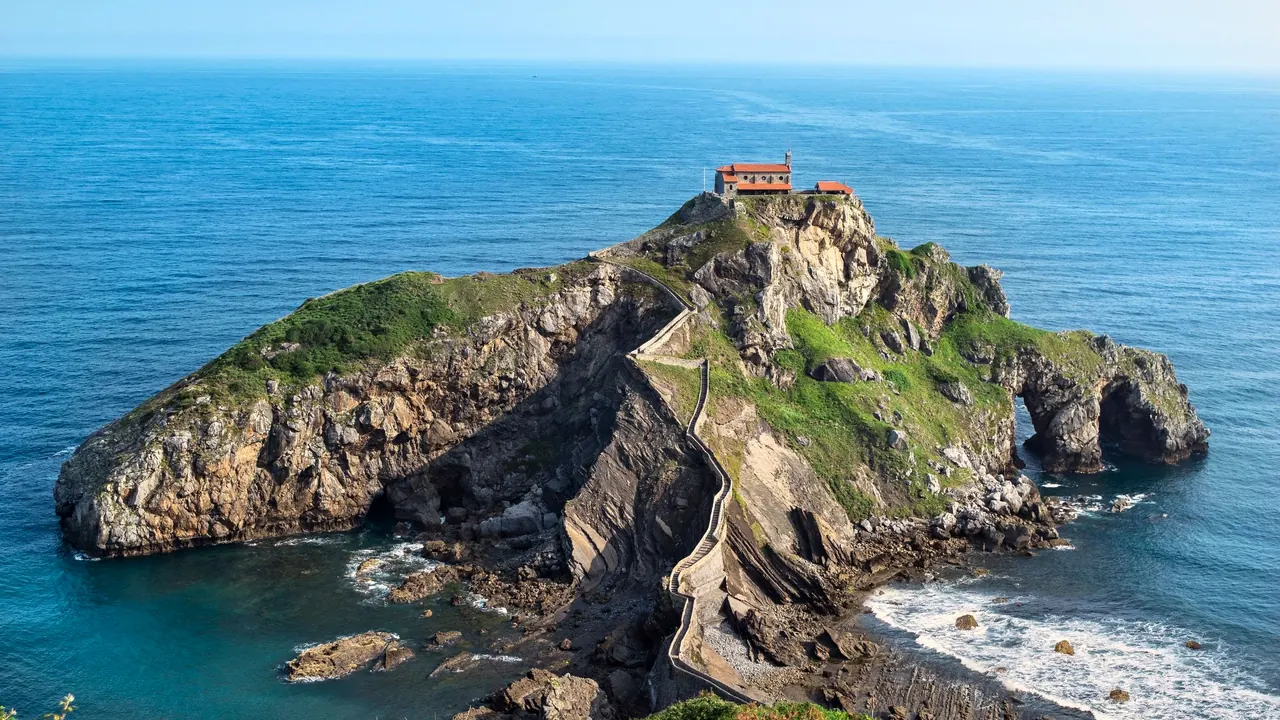
Photos: Andalusia by Diego Delso, CC BY-SA 4.0, cropped; Basque Country by Enrique, Pexels License.
Andalusia or Basque Country?
Our verdict in twelve categories, each scored against the same fixed benchmark cities, and the climate month by month, so you can choose for your trip.
Choose Andalusia for
- beaches
- prices
- live music and the arts
Andalusia is the better choice for a broad, sunlit trip that combines great monuments with time by the sea. It has the Alhambra, the Mezquita and Seville's cathedral, flamenco on any night of the week, two very different coasts and costs that stay gentle away from Marbella and the big festivals. It suits travellers happy to move between several cities, or to hire a car, and to plan around the fierce inland heat of high summer.
Choose Basque Country for
- food and drink
- getting around
For a trip built around the table, the Basque Country is the stronger pull. The pintxo round in San Sebastián and Bilbao, the celebrated restaurants in the hills and the cider houses and Rioja Alavesa wine make eating the centre of the stay. Add green cliffs and mountains, the Guggenheim and short distances between everything. It costs more and rains often, but it stays comfortable through summer, when much of Andalusia is too hot for walking.
Scoreboard
Twelve categories on one fixed scale from 0 to 100. The shaded stretch is the gap between the two.
Your match
Pick a travel style or drag the sliders, and both match scores follow your weighting.
Wins on beaches and prices with your weighting.
Wins on food and drink and getting around with your weighting.
What matters to you?
Category by category
What the scores mean for a trip.
Beaches & swimming
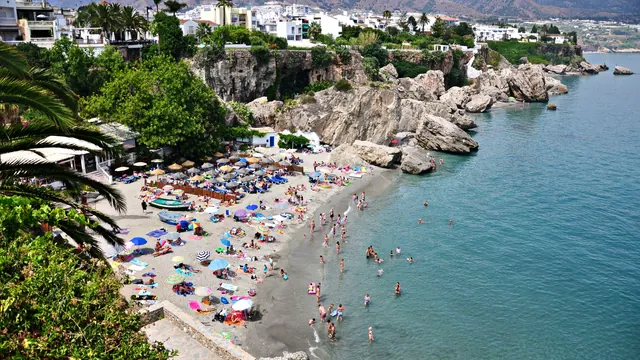
Andalusia has much more to offer for a beach vacation, with two seas to choose from. The Costa del Sol and the coves of Cabo de Gata have calm, warmer Mediterranean water, while the Costa de la Luz between Cádiz and Tarifa has wide golden sand backed by dunes and pine woods. The swimming season lasts from June into October.
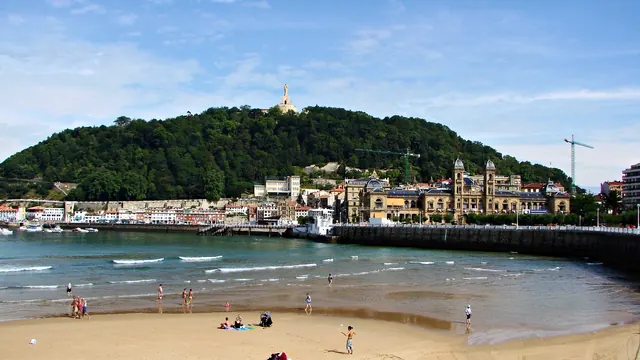
The Basque coast has fewer and smaller beaches, although La Concha in San Sebastián is one of the finest town beaches anywhere, and Zurriola and Zarautz are good for surfers. The Biscay water is cooler and grey days are common even in summer, so beach time here mostly happens in July and August.
Food & drink
In both regions people eat standing at a bar counter, but the Basque Country takes the idea further. Its pintxo bars in the Parte Vieja and Casco Viejo sit alongside an unusual concentration of celebrated restaurants around San Sebastián, the cider houses of Astigarraga open in season and the wines of Rioja Alavesa.
Andalusia eats well in its own way, with crowded tapas bars in Triana, a free tapa in Granada, fried fish on the coast and cold fino in the sherry bodegas of Jerez and Sanlúcar. The cooking is traditional, and there are fewer ambitious restaurants, so anyone planning meals worth booking will find more of them in the north.
Culture & sights
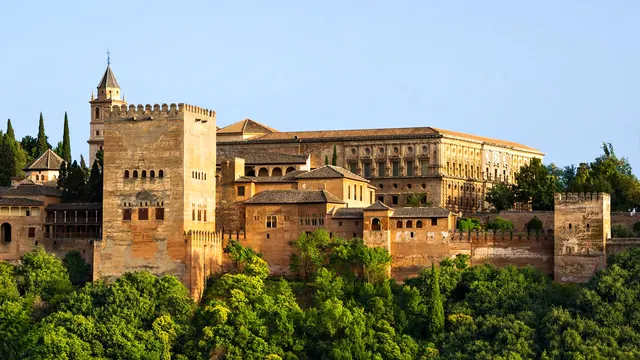
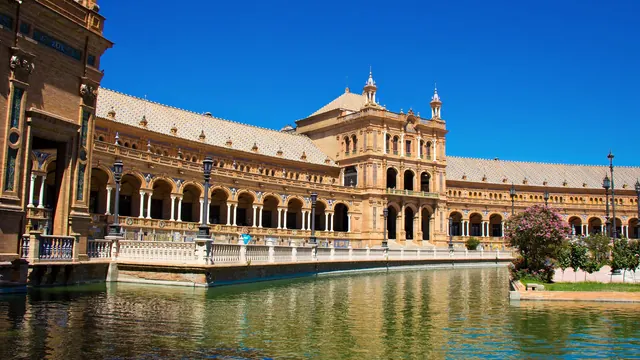
Andalusia has some of Europe's greatest monuments. The Alhambra, the Mezquita in Córdoba and Seville's cathedral and Alcázar head a list that continues through Ronda, Cádiz and the Renaissance towns of Úbeda and Baeza. Seeing it properly takes a tour of several cities.
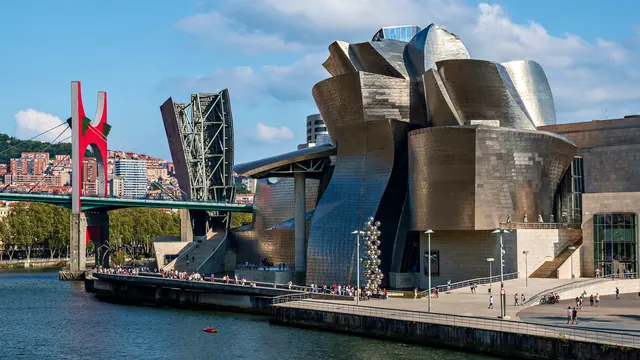
The Basque Country's heritage is more modern and spread more thinly. The Guggenheim in Bilbao is its landmark, and around it are Vitoria's medieval core, the Vizcaya Bridge, the Belle Époque seafront of San Sebastián and the symbolic oak at Gernika. It is varied and rewarding, but it does not have Andalusia's depth of Moorish and Gothic sights.
Nightlife
Andalusia has the bigger and later night out. Seville's terraces around the Alameda and in Triana stay full long after a ten o'clock dinner, and Granada's student bars are cheap and crowded. In summer the Costa del Sol adds beach clubs in Marbella and Puerto Banús and the long-established gay scene of Torremolinos.
In the Basque Country, going out grows out of the pintxo round and then moves on to cocktail bars and late pubs, mostly in Bilbao. There are only a few clubs. The August fiestas in Bilbao and San Sebastián bring the region fully to life, but midweek evenings the rest of the year are quiet.
Nature & outdoors
Both regions have fine landscapes, but of very different kinds. Andalusia's are big and contrasting: the Sierra Nevada, with skiing in winter, the dry volcanic coast of Cabo de Gata, the Doñana wetlands and the kitesurfing winds of Tarifa. Inland it is best in spring and autumn, because summer there is harsh.
The Basque Country is small, steep and green, with the flysch cliffs of the Geopark, the island hermitage of Gaztelugatxe and beech-forest ridges in Urkiola and Gorbeia that you can walk in any season. Mundaka's wave draws experienced surfers, and the coast's beaches are good places to learn.
Day trips
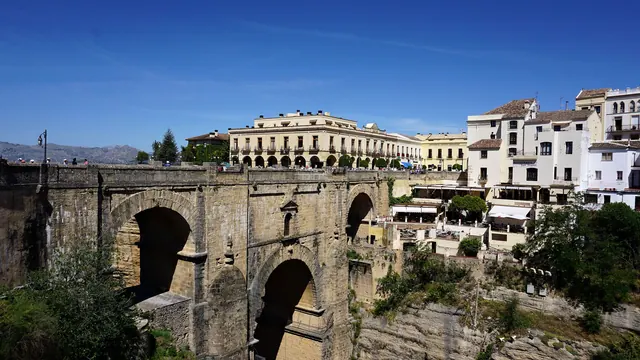
Distances set the two apart. From an Andalusian base the outings range further and wider: Roman Itálica near Seville, Ronda on its gorge, the white villages of the Cádiz hills, Gibraltar along the coast and the ferry from Tarifa that puts Tangier in Morocco within a day. Many of these work best by car.
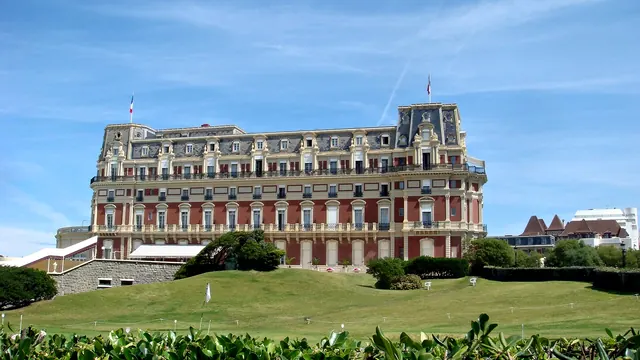
Basque outings are shorter hops, mostly an hour or less. Harbour towns such as Getaria and Hondarribia, the French Basque coast at Biarritz and Saint-Jean-de-Luz, the cellars of Laguardia in Rioja Alavesa and Pamplona make a varied list, if a slightly shorter one than the south offers.
Good for families
With children, the Costa del Sol makes the easier base. It has gentle beaches, water parks, a zoo at Fuengirola and an aquarium at Benalmádena, and Seville's theme park, Granada's science museum and the Western film sets in the Tabernas desert add variety. The catch is the inland heat in July and August.
San Sebastián works well for a family, with La Concha's calm water, an aquarium, the Eureka museum and the small fairground on Monte Igueldo. There is no large theme park or zoo, though, and the frequent rain means planning a few indoor days.
Getting around
Getting around is about equally easy in both, for different reasons. Andalusia covers long distances, but high-speed trains link Seville, Córdoba, Málaga and Granada. A car is close to essential for the white villages, the Costa de la Luz and the remote Almería coast.
The Basque Country is compact. Its three cities are about an hour apart by motorway or coach, Bilbao has a metro and Vitoria is easy to cycle. The Euskotren line is slow but scenic, and a car is mainly needed for the wine country and the hills.
Shopping & style
Craft is the main draw in the south, which gives Andalusia a slight edge. Look for tiles and ceramics in Triana, flamenco dresses and fans made to be worn rather than displayed, leather from Ubrique and the luxury boutiques of Marbella.
The best Basque buys are things to eat and drink: Idiazabal cheese, anchovies from Getaria and txakoli, along with striped Basque linen, the chain stores of Bilbao and San Sebastián's independent shops. Neither region is worth choosing for shopping alone.
Affordability
Andalusia is clearly the cheaper of the two. Tapas and drinks cost little, Granada and Jaén still serve a free tapa with each drink, and inland towns and quieter Atlantic villages are inexpensive places to stay. Costs only climb sharply for Seville's spring festivals and the Costa del Sol in high summer.
In the Basque Country, San Sebastián is the main expense, especially in July and August and at festival time, and its top restaurants are a serious outlay. A pintxo dinner and the set lunch menus keep daily eating reasonable. Sleeping in Bilbao or Vitoria and visiting San Sebastián for the day saves the most.
Live music & performing arts
Flamenco gives Andalusia a clear lead. There are nightly shows in Seville's small venues, the peñas of Jerez and the zambra in the caves of Sacromonte, and Seville's Bienal is the art's largest event. Granada's summer festival also brings concerts into the Alhambra itself.
The Basque Country's musical life is concentrated in summer, with Jazzaldia on the beach in San Sebastián, the Quincena Musical's orchestras and BBK Live above Bilbao. For the rest of the year, ABAO's opera season at the Euskalduna hall and regular concerts by the Bilbao Symphony and the Basque National Orchestra keep a solid classical programme going. Still, there is no nightly live tradition to compare with flamenco.
Wellness & relaxation
A Moorish bathing tradition, revived in modern bathhouses in Granada, Córdoba, Seville and Málaga, gives Andalusia the wider choice. Old spa towns such as Lanjarón and the large resort spas around Marbella add to it, and the long summer lunch and afternoon rest also slow the pace.
The Basque version relies more on sea air: the seawater pools in the old bathing pavilion on La Concha, the springs at Zestoa and hotel spas. Its restful side lies in quiet nights in Lekeitio or a farmhouse stay in the green interior.
When should you go?
Pick your month. The climate figures are measured averages, not a forecast.
Andalusia in July
Basque Country in July
Daytime high, °C
Rainfall in the month, mm
Where the figures come from
Basque Country's station stands 253 m above the place it is measured for, so that place is likely a little warmer than the figures say.
Temperature and rainfall are climate normals, averaged over the years shown. Andalusia: 1991-2020 (sunshine 1981-2010, rainfall 1981-2010) normals, Sevilla / San Pablo (8.1 km from centre). Basque Country: 1991-2020 normals, San Sebastian / Igueldo (10 km from centre).
Andalusia is at its best in spring and autumn. April, May and October bring warm, sunny days that suit both city walking and the first or last swims of the year. July and August reach 36°C where the figures are measured, which is too hot for sightseeing in the middle of the day, although it is ideal for the beach. The rain comes late in the year, peaking at 122mm in November. Winters are mild and still reasonably sunny.
The Basque Country is cooler, greener and wetter throughout the year. Summer is its high point, with daytime highs around 23°C and a sea that warms to 22°C in August, comfortable for walking and good enough for the beach on sunny days. Rain falls in every month and is heaviest in November at 203mm, and the winters are grey, with far fewer hours of sunshine than in the south. When Andalusia is baking in midsummer, the Basque coast is pleasant. From autumn to spring, the south is the warmer and drier choice.
Which traveller are you?
On a culture and arts trip, Andalusia wins easily. The Alhambra, Córdoba's Mezquita and Seville's Alcázar are monuments of the first rank, and flamenco is performed nightly in Seville, Jerez and Granada's Sacromonte caves, which the Basque Country cannot match.
For a food and nightlife trip, the Basque Country suits travellers whose evenings revolve around eating. The bar-to-bar pintxo round in San Sebastián and Bilbao is the night out, and it is backed by outstanding restaurants. Andalusia keeps going later, but its cooking is simpler.
On a trip on a tight budget, Andalusia stretches the money much further. Granada and Jaén give a free tapa with each drink, inland towns and the Almería coast are cheap to sleep in, and San Sebastián's summer hotel rooms are among the dearest in Spain.
Before you go
| Measure | Andalusia | Basque Country |
|---|---|---|
| Official language | Spanish | Spanish |
| Currency | Euro (EUR) | Euro (EUR) |
| Sockets | CF230 V, 50 Hz | CF230 V, 50 Hz |
| Driving side | Right | Right |
| Time zone | UTC+1, UTC+2 in summer | UTC+1, UTC+2 in summer |
| Emergency number | 112 | 112 |
| Main airport | Seville Airport (SVQ)96 non-stop destinations | Bilbao Airport (BIO)73 non-stop destinations |
| Public holidays this year | 12 days | 13 days |
By the numbers
| Measure | Andalusia | Basque Country |
|---|---|---|
| Population | 8,619,616 | 3,193,513 |
| Swim season, months above 21 °C | - | 2 months |
Where else could you go?
Every comparison below shares a destination with this one, so you can follow Andalusia or Basque Country somewhere new.
- Algarvevs Andalusia
- Bordeauxvs Basque Country
- Dordognevs Basque Country
- Costa Bravavs Basque Country
- Brittanyvs Basque Country
- Costa Blancavs Andalusia