Croatia
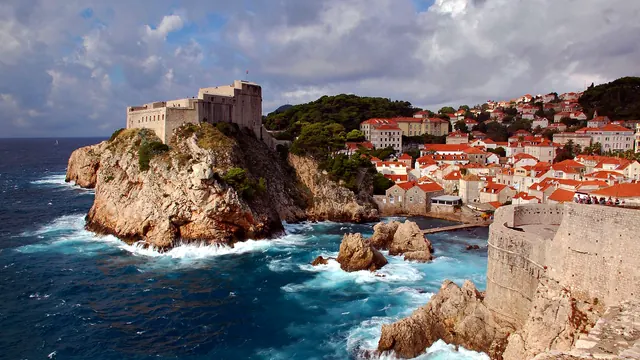
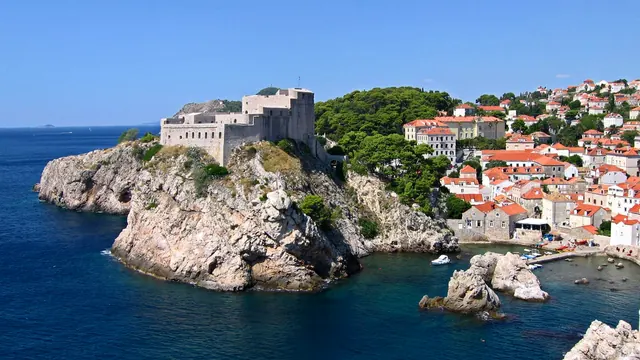
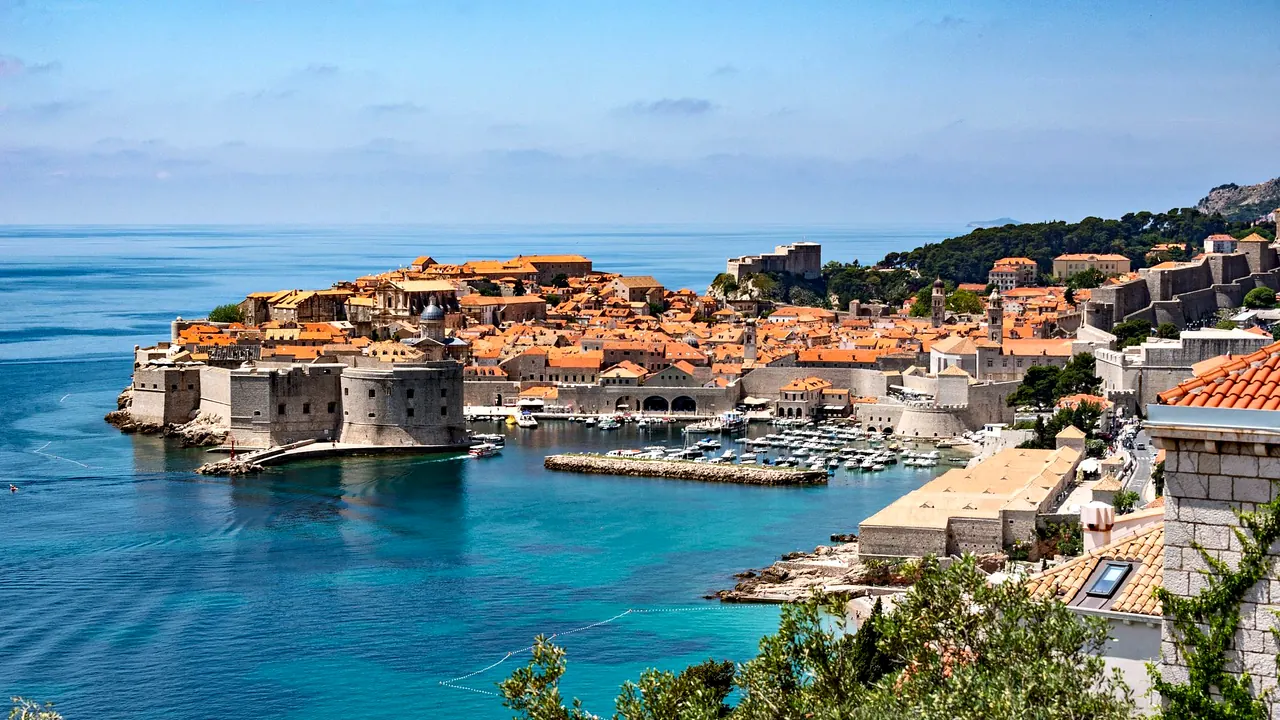
Dubrovnik's walled old town on the Adriatic
- Nature & outdoors83
- Beaches80
- Day trips80
Photo: Diego F. Parra, Pexels License
Match
62
Every category weighted equally
- Beach & sun64
- Culture & arts61
- Food & nightlife58
- Family trip65
- Outdoors68
- Relax & unwind63
- Shopping & style58
- On a budget60
Croatia in twelve categories
Our verdict on the country as a whole, scored 0 to 100 against the same fixed benchmark cities as every destination, so a score means the same thing on every page.
Beaches & swimming. Scores 80 out of 100.
Food & drink. Scores 62 out of 100.
Culture & sights. Scores 76 out of 100.
Nightlife. Scores 62 out of 100.
Nature & outdoors. Scores 83 out of 100.
Day trips. Scores 80 out of 100.
Good for families. Scores 65 out of 100.
Getting around. Scores 55 out of 100.
Shopping & style. Scores 40 out of 100.
Affordability. Scores 47 out of 100.
Live music & performing arts. Scores 42 out of 100.
Wellness & relaxation. Scores 52 out of 100.
Croatia category by category
Under each: where in Croatia it is best, and our destinations in Croatia that score highest on it.
Beaches & swimming
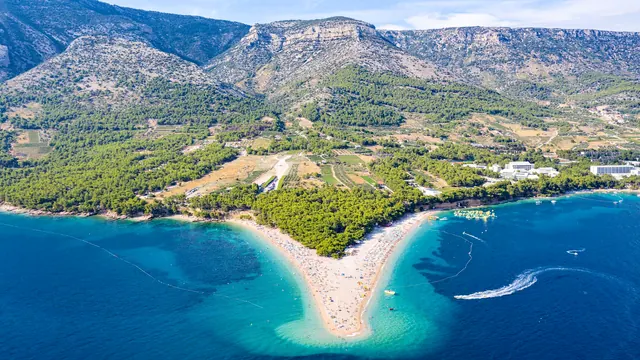
80Beach life is the main reason most people come, and the whole coast is built for it. The Adriatic is unusually clear and reaches about 25°C in high summer, swimmable from June into late September. Most shores are pebble, flat rock or concrete bathing platforms rather than sand, so water shoes help, but a swim is never far away.
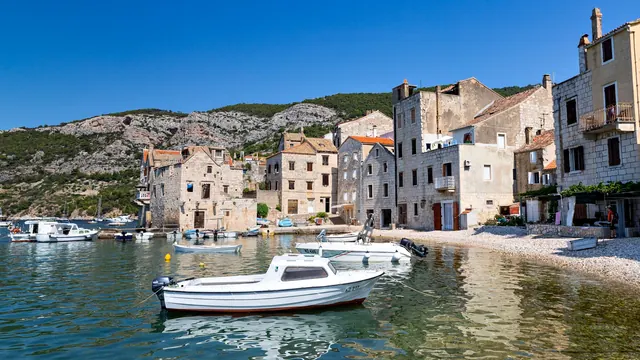
The central Dalmatian islands give the most choice: Zlatni Rat on Brač, the coves of Hvar and the Pakleni islands, and the quieter bays of Vis. The Makarska Riviera has long pebble beaches under the Biokovo cliffs. Off Dubrovnik, the car-free Elaphiti Islands have Lopud's sandy Šunj bay and quiet swimming spots on Koločep and Šipan. Istria offers pine-shaded rocks. July and August are crowded everywhere.
Where: Central Dalmatian islands, Makarska Riviera, Elaphiti Islands, Istria
Our top destinations in Croatia
Food & drink
62Croatian food splits by region. Istria is the strongest food destination: truffles from the Mirna valley forests, fresh pasta, prized olive oil and crisp Malvazija and Teran wines, best in the hill towns and farm taverns inland. Along the Dalmatian coast the cooking is simple and seafood-led, with grilled fish, black risotto and slow-cooked peka under an iron bell, served in family-run konobas, while the Pelješac peninsula adds oysters from Ston and big Plavac Mali reds.
Zagreb eats more like central Europe, with štrukli, coffee-house culture and the Dolac market. Variety beyond local cooking is thin, and the most visited old towns lean on repetitive tourist menus.
Where: Istria, Pelješac and Ston, Zagreb, Central Dalmatian islands
Our top destinations in Croatia
Culture & sights
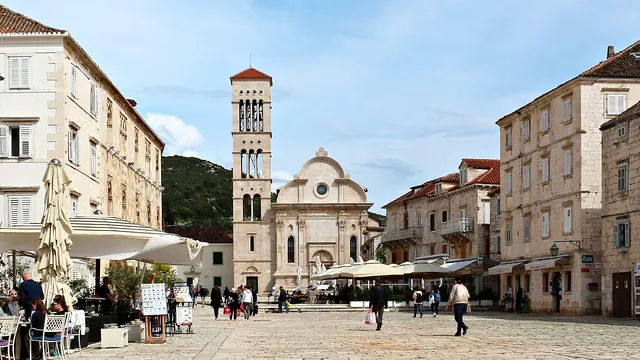
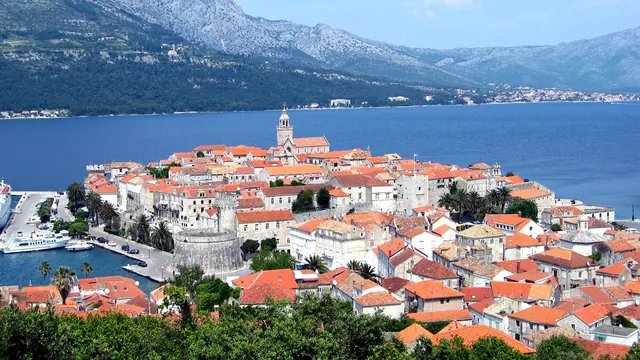
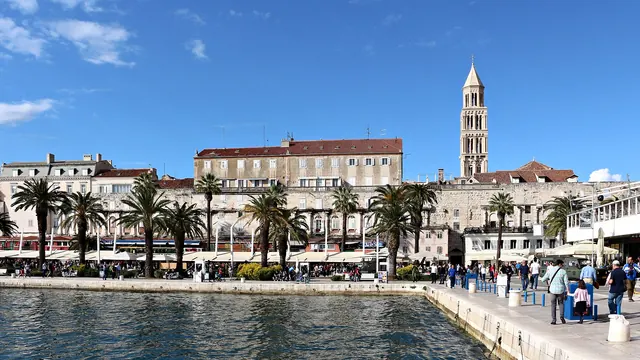
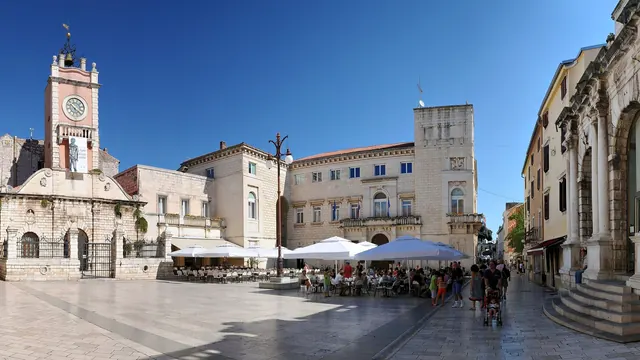
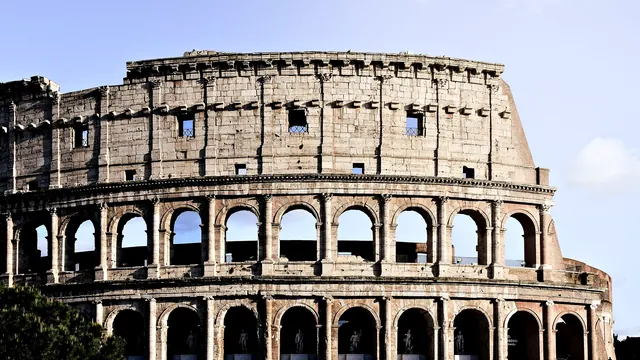
76The heritage lies along the coast, in a chain of walled stone towns shaped by Rome, Venice and the Habsburgs. Dubrovnik is the highlight: a complete medieval city ringed by walls you can walk all the way round. Split was built inside Diocletian's Roman palace, and people still live within its walls. Trogir, Šibenik with its stone cathedral, and Zadar with its Roman forum and Romanesque churches are all close by.
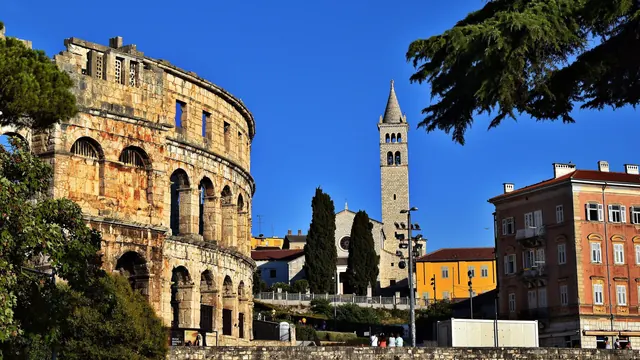
In Istria, Pula has one of the best-preserved Roman amphitheatres anywhere and Poreč has the Euphrasian Basilica with its Byzantine mosaics. Zagreb adds Austro-Hungarian streets and the main national museums. Museums are mostly small, so a trip is about townscapes rather than galleries.
Where: Dubrovnik, Split, Istria, Šibenik and Trogir
Our top destinations in Croatia
Nightlife
62Going out here follows the summer. Zrće beach on Pag has open-air clubs that run until dawn through July and August, and Hvar town is known for yacht-crowd bars and after-beach parties. Split has crowded bars in the lanes of the palace and along the waterfront, and Novalja, Zadar and Makarska fill up with young groups in high season.
Outside summer most coastal towns go quiet early. Zagreb is the place for year-round nights out, with café-bars on Tkalčićeva and a small club scene. Elsewhere, evenings usually mean a slow dinner and a drink on the harbour.
Where: Hvar, Pag, Split, Zagreb
Our top destinations in Croatia
Nature & outdoors
83The coast and its more than a thousand islands are the main landscape, and sailing between them is one of the finest ways to spend a week anywhere in the Mediterranean. The Kornati archipelago is bare and white, Mljet is green and has saltwater lakes, and sea kayaking around Dubrovnik and the Elaphiti Islands is easy and rewarding.
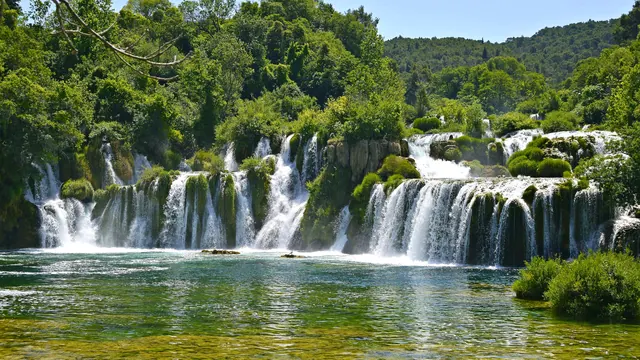
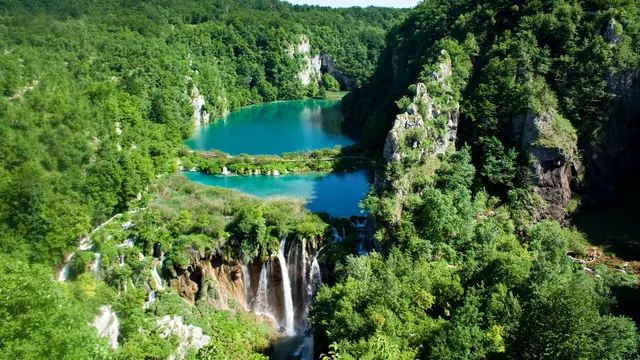
Inland, Plitvice Lakes has terraced turquoise lakes linked by waterfalls on wooden boardwalks, and Krka has river cascades near Šibenik. The Velebit range rises straight above the sea, with climbing in the Paklenica gorges, and Biokovo offers high limestone hikes above Makarska. Spring and autumn suit hiking and cycling better than the summer heat.
Where: Plitvice Lakes, Kornati and the Dalmatian islands, Velebit and Paklenica, Krka
Our top destinations in Croatia
Day trips
80Every main base has a good set of day trips, many of them by boat. From Split, ferries and catamarans go to Hvar town, Stari Grad and the villages of Brač, and Trogir and Šibenik are a short drive along the coast. From Dubrovnik, Cavtat, the Elaphiti Islands, Ston's walls and oyster beds, and Korčula's old town are all easy, and Kotor and Mostar are popular trips across the border.
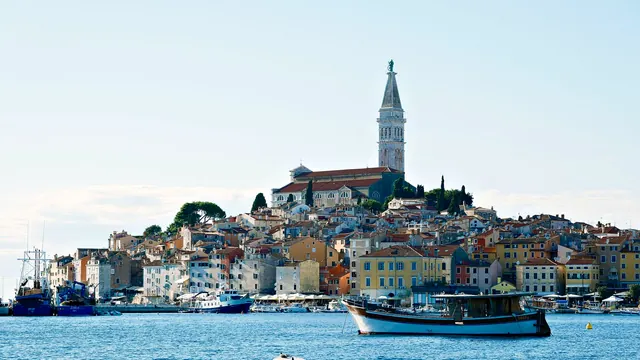
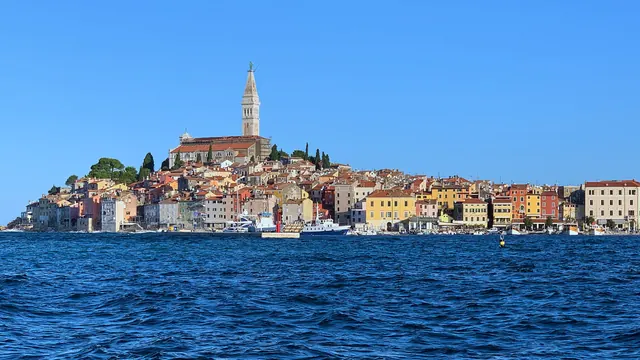
In Istria, Rovinj, Poreč and Pula are close together, inland hill towns such as Motovun and Grožnjan sit among vineyards, and Opatija and Rijeka are within reach. Zadar is the base for Nin and Šibenik, and Zagreb for the castles and towns of Zagorje and baroque Varaždin.
Where: Split, Dubrovnik, Istria, Zadar
Our top destinations in Croatia
Good for families
65Croatia works for a relaxed family beach vacation more than for one built around attractions. The sea is calm, clear and has no tides, and the towns are safe and easy to walk in the evening. Istria and Kvarner have large waterside campsites and resorts set up for children, with pools and play areas, and these coasts are greener and less hot than the far south.
The Makarska Riviera suits families who want everything close: long beaches that shelve gently, a seafront promenade in every resort town and apartments a short walk from the water. Plitvice's boardwalks and boat trips to the islands keep children busy, but there are few zoos, theme parks or science museums worth the trip. The midsummer heat and crowded old towns such as Dubrovnik take some managing with small children.
Where: Istria, Kvarner, Makarska Riviera, Plitvice Lakes
Our top destinations in Croatia
Getting around
55The old towns are small and largely car-free, so once you arrive everything is on foot. Getting between them is the work. Trains are slow and barely reach the coast, so travel runs on a good motorway from Zagreb to Split, frequent intercity coaches, and car and passenger ferries to the islands, which are busy in summer and much less frequent in winter. Split is the easiest hub, with its bus station, ferry port and airport close together.
A car makes Istria's hill towns, Plitvice and the quieter bays much easier. The main road south to Dubrovnik crosses the Pelješac Bridge and stays within Croatia, while the older coast road passes through a short stretch of Bosnia and Herzegovina at Neum. Many visitors fly into Zagreb or Split and out of Dubrovnik rather than travel the coast twice.
Where: Split, Zagreb, Dubrovnik, Istria
Our top destinations in Croatia
Shopping & style
40Shopping here means local produce and crafts rather than fashion. The best things to take home are Istrian olive oil, truffles and wine, Pag lace and cheese, lavender from Hvar, and coral and filigree jewellery from Dalmatian workshops. Istria's hill towns and farm shops are the place for oil and truffles. Zagreb has the widest choice, with Ilica's shops, small design boutiques in the upper and lower towns, and the open-air Dolac market.
Split is the best of the coast: the Pazar market spreads outside the palace walls with produce, lavender and household goods, and Marmontova and the old town lanes hold clothes and jewellery shops. Elsewhere in the coastal old towns, shops mostly sell souvenirs, and there is little luxury or flagship retail anywhere in the country.
Where: Zagreb, Istria, Split, Pag
Our top destinations in Croatia
Affordability
47Croatia costs about the same as southern Europe, and the price depends a lot on where and when you go. In July and August, rooms and seafood restaurants on the coast are priced like western Mediterranean resorts. Dubrovnik and Hvar town are the most expensive, and island ferries and fish sold by weight add up. June and September are noticeably cheaper everywhere.
Zagreb is the most relaxed on price, with reasonable hotels and inexpensive markets and bakeries. On the coast, Zadar and its surroundings cost less than Split or Dubrovnik, and the Makarska Riviera has a large supply of private apartments and simple grill taverns aimed at families. In Istria, Rovinj is pricey, but inland farm stays and taverns in the hill towns are fair for the quality of the food.
Where: Zagreb, Zadar, Makarska Riviera, Istria
Our top destinations in Croatia
Live music & performing arts
42On the coast, the stage is mostly a summer one. The Dubrovnik Summer Festival puts theatre and classical concerts in the old town's squares and fortresses, Split holds opera and drama in Diocletian's palace, and the Roman amphitheatre in Pula hosts concerts on summer nights. Large electronic music festivals fill the beaches and stadiums of Dalmatia in high season.
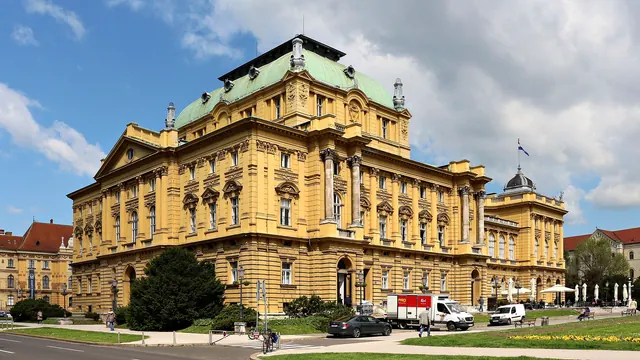
The most distinctive local tradition is klapa, unaccompanied harmony singing from Dalmatia, often heard in churches and squares. For opera, ballet and theatre all year round, the Croatian National Theatre in Zagreb is the main stage. Away from the capital and outside summer, there is little on.
Where: Zagreb, Dubrovnik, Split, Pula
Our top destinations in Croatia
Wellness & relaxation
52Croatia has a modest spa tradition. North of Zagreb, the Zagorje hills have thermal spa towns such as Krapinske, Stubičke and Tuheljske Toplice, and Varaždinske Toplice, whose springs were used by the Romans. These are mostly practical places with mineral pools rather than grand historic bathhouses.
On the coast, Opatija was a Habsburg-era seaside health resort and keeps its villas and seafront promenade, and Lošinj has long been known for its mild air and slow pace. The quieter islands outside high season, such as Vis, Lošinj and Mljet, are where the country feels most restful. In July and August, the busiest coast is anything but calm.
Where: Opatija, Lošinj, Zagorje, Vis
Our top destinations in Croatia
When should you go?
Croatia has no single climate. Its months are measured at Split, Istria and Zagreb; pick one to see it. The figures are measured averages, not a forecast.
Where in Croatia
Split in July
Daytime high, °C
Rainfall in the month, mm
Temperature and rainfall are climate normals, averaged over the years shown. Split: 1991-2020 (sunshine 1971-2000, rainfall 1981-2010) normals, Split / Marjan (0.9 km from centre).
Compare Croatia with
Every comparison with a written verdict behind it.
Our destinations in Croatia
Every place in Croatia with its own page: its twelve scores, its texts and its months.