Peru
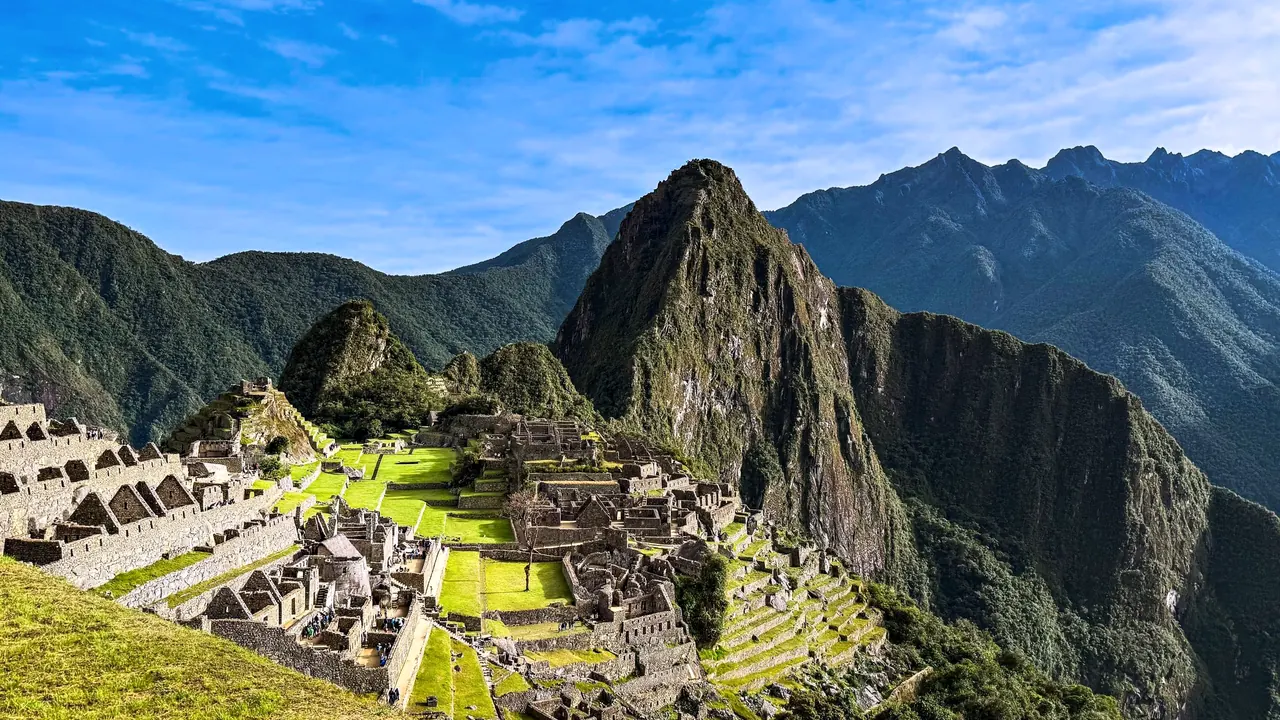
Machu Picchu below Huayna Picchu under a blue sky
- Nature & outdoors94
- Culture & sights88
- Food & drink84
Photo: WANG Jared, Pexels License
Match
59
Every category weighted equally
- Beach & sun58
- Culture & arts62
- Food & nightlife60
- Family trip59
- Outdoors66
- Relax & unwind60
- Shopping & style59
- On a budget61
Peru in twelve categories
Our verdict on the country as a whole, scored 0 to 100 against the same fixed benchmark cities as every destination, so a score means the same thing on every page.
Beaches & swimming. Scores 40 out of 100.
Food & drink. Scores 84 out of 100.
Culture & sights. Scores 88 out of 100.
Nightlife. Scores 50 out of 100.
Nature & outdoors. Scores 94 out of 100.
Day trips. Scores 72 out of 100.
Good for families. Scores 35 out of 100.
Getting around. Scores 40 out of 100.
Shopping & style. Scores 52 out of 100.
Affordability. Scores 70 out of 100.
Live music & performing arts. Scores 45 out of 100.
Wellness & relaxation. Scores 42 out of 100.
Peru category by category
Under each: where in Peru it is best, and our destinations in Peru that score highest on it.
Beaches & swimming
40Most of Peru's long Pacific coast is washed by the cold Humboldt Current, so the sea off Lima and the south rarely gets much above 19°C even in summer, and the coast there is desert cliff, grey sand and surf rather than a place to lie in the water. Lima's beaches along the Costa Verde and the stretch south towards Punta Hermosa fill up from January to March, but they are a local summer habit more than a draw.
The exception is the far north. Around Mancora, Punta Sal, Vichayito and Zorritos the water warms to about 24°C, the sun is reliable most of the year and there is a relaxed beach-town life built around surfing, seafood and hammocks. It is a separate trip, a flight to Piura or Tumbes and a drive, well away from Cusco and the Andes, and the beaches are pleasant rather than spectacular. Paracas has calm bays, but visitors go there for the wildlife, not to swim.
Where: Mancora, Punta Sal, Zorritos, Punta Hermosa
Our top destinations in Peru
Food & drink
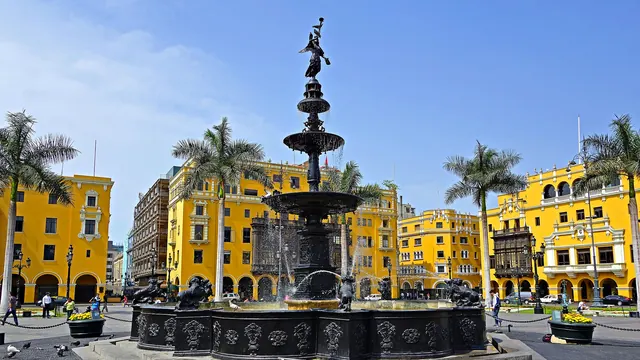
84Peru is one of the few countries a visitor can plan a trip around eating. Lima is the centre of it: ceviche at lunchtime cevicherias in Miraflores and Surquillo, Nikkei cooking born from Japanese immigration, chifa from the Chinese community, anticuchos grilled on street corners and a fine-dining tier built on ingredients from the coast, the Andes and the jungle. The Surquillo market shows the raw material, from dozens of potatoes to fruits with no English name.
Outside the capital the cooking changes with the land. Arequipa has its picanterias, serving rocoto relleno, chupe de camarones and chicha in long lunches. Cusco mixes Andean staples such as quinoa, alpaca and roast guinea pig with a good restaurant scene, and the north around Chiclayo and Trujillo is known for duck with rice and goat stews. Pisco is the national spirit, drunk as a sour, and coffee and cacao come from the eastern slopes. Small Andean towns are simpler.
Where: Lima, Arequipa, Cusco, Chiclayo
Our top destinations in Peru
Culture & sights
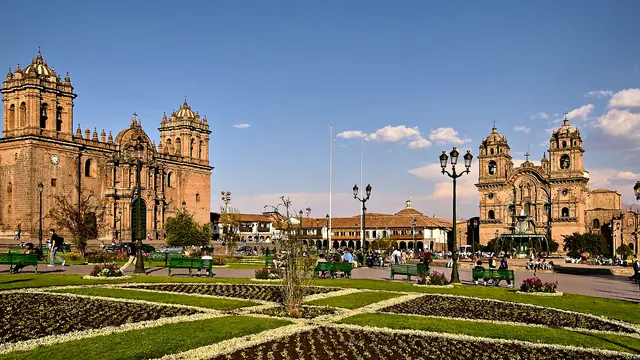
88Peru's heritage runs from some of the oldest cities in the Americas through the Inca empire to Spanish baroque, and at its centre is one of the world's great sights. Machu Picchu sits on its ridge above the Urubamba, terraces and temples set against sheer green peaks. Cusco, the old Inca capital, is a city of colonial churches and mansions built on fitted Inca stonework, with the Qorikancha temple in town and the huge walls of Sacsayhuaman above it. The Sacred Valley adds the terraced ruins of Pisac and Ollantaytambo.
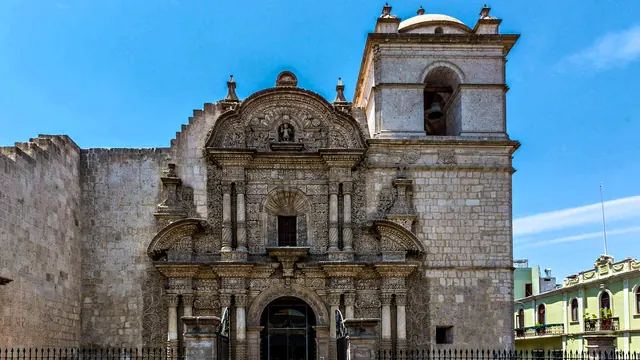
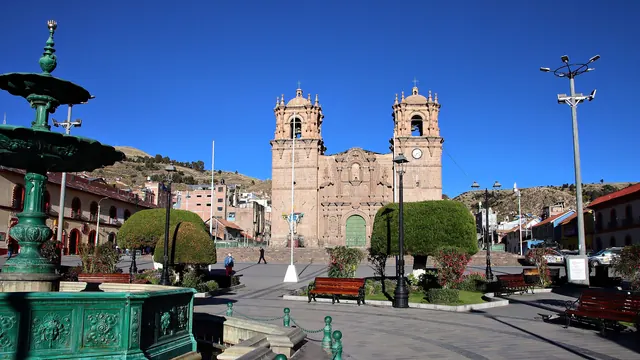
Arequipa is built of white volcanic stone around its cathedral square and the Santa Catalina convent, a walled town of painted cloisters within the city. Trujillo, on the north coast, has a colonial centre of pastel mansions and lies beside Chan Chan, the largest adobe city in the Americas, and the Moche temples of the Sun and Moon. Lima has a UNESCO-listed colonial centre and museums of ancient ceramics and gold, and the Nazca Lines and the cloud-forest fortress of Kuelap lie further out. These regions are long journeys apart, so most visitors choose one or two.
Where: Cusco, Machu Picchu, Arequipa, Trujillo
Our top destinations in Peru
Nightlife
50Going out in Peru means Lima first. Barranco, the old bohemian seaside district, has bars in colonial houses, pisco and craft-beer spots and clubs that run late at weekends, and Miraflores adds cocktail bars and larger clubs. Peruvians go out late and the scene is friendly, though it is a city scene rather than one people travel for.
Elsewhere it is smaller. Cusco has a lively cluster of bars and backpacker clubs around the Plaza de Armas, though altitude and early starts for treks keep many visitors in bed. Mancora on the north coast has beach-hostel parties in season, and Arequipa has a modest bar street. Most Andean towns are quiet by late evening.
Our top destinations in Peru
Nature & outdoors
94Peru is one of the great outdoor countries, and the variety is what sets it apart. Around Cusco the Inca Trail, Salkantay and Lares treks cross high passes to reach Machu Picchu and Andean villages, and the striped slopes of Vinicunca lie a long day away. Huaraz is the base for the Cordillera Blanca, the highest tropical range on earth, with turquoise glacial lakes such as Laguna 69, the Santa Cruz trek and serious mountaineering.
In the south, the Colca Canyon has condors riding the morning thermals, and Lake Titicaca sits at nearly 3,800m with reed islands and wide altiplano views. East of the Andes, Tambopata and Manu are among the richest rainforests anywhere, explored from river lodges, and the north has cloud forest and waterfalls around Chachapoyas. On the coast, the Paracas reserve and Ballestas Islands hold sea lions, penguins and huge seabird colonies. The dry season from May to September is best for the mountains; altitude takes a few days to adjust to.
Where: Cusco and the Sacred Valley, Cordillera Blanca, Tambopata and Manu, Colca Canyon
Our top destinations in Peru
Day trips
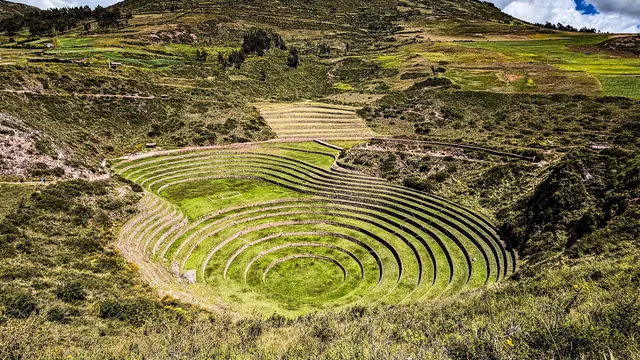
72Peru's day trips are best from regional bases rather than from Lima. From Cusco the Sacred Valley makes several days out: the market town and hilltop ruins of Pisac, the Inca town of Ollantaytambo still lived in on its original street plan, the weaving village of Chinchero, the terraced circles of Moray and the salt pans of Maras, with the southern valley's Tipon and Pikillacta on another day.
From Puno, boats reach the floating Uros islands and Taquile, with the burial towers of Sillustani on land. Trujillo has Chan Chan, the Moche temples of the Sun and Moon and the fishing village of Huanchaco close together, and Chiclayo has the Sipan museums, Tucume's pyramids and Lambayeque. From Lima the choice is narrower: the temple city of Pachacamac is close, while Caral and Paracas are long days.
Where: Cusco, Puno, Trujillo, Chiclayo
Our top destinations in Peru
Good for families
35Peru is a country of adventure more than of attractions for children, and it suits families with older, sturdy kids best. Peruvians are warm towards children and there is plenty to fascinate, but there are few theme parks or children's museums, and the classic circuit takes in long journeys and altitudes above 3,000m that can make young children unwell.
A family trip works best at lower altitude. Lima has the illuminated fountains of the Parque de la Reserva and clifftop parks and playgrounds in Miraflores. Paracas offers boat trips to sea lions and penguins, with sandboarding on the dunes at Huacachina nearby. An Amazon lodge in Tambopata, with canoe trips and night walks, is the most memorable choice for school-age children. For those who want Machu Picchu, the Sacred Valley is the gentler base: lower than Cusco, with riverside lodges, horse rides, the salt pans of Maras and the train to the ruins, though the thin air still needs careful pacing.
Where: Tambopata, Paracas, Lima, Sacred Valley
Our top destinations in Peru
Getting around
40Moving around Peru takes planning. There is no national rail network, only tourist trains from Cusco to Machu Picchu and to Puno, so the country is crossed by domestic flight, almost always through Lima, or by long-distance coach. The better coach companies are comfortable, with overnight sleeper seats, but Andean routes are long, winding and climb high, and road safety varies.
In the destinations themselves it is easier. The centres of Cusco and Arequipa are compact and walkable, Cusco's lanes steep and Arequipa's grid flat around its main square, and the Sacred Valley is linked by shared vans, colectivos and taxis between its towns. Lima is the hard part: a sprawling city with heavy traffic, where the metro does not reach Miraflores, Barranco or the historic centre and a rapid bus corridor is the main public link, so most visitors use taxis and ride-hailing between them.
Where: Cusco, Arequipa, Sacred Valley
Our top destinations in Peru
Shopping & style
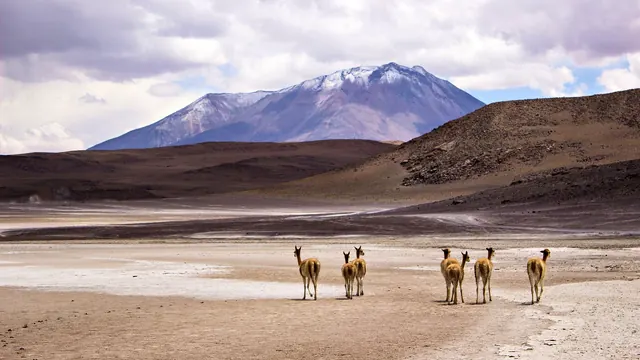
52Shopping in Peru is about craft. Andean textiles are the heart of it: alpaca and baby alpaca knitwear, rarer vicuna, and handwoven pieces from cooperatives around Chinchero and the Sacred Valley, where weavers still use natural dyes and backstrap looms. Cusco has the San Pedro market for food and everyday goods and many craft and textile shops in San Blas, and Pisac's market spills across its plaza.
Lima gathers the country's crafts in the Indian markets of Miraflores, with ceramics, silver, retablo boxes and gourds from every region, while Barranco has design and gallery shops. Arequipa is known for alpaca. Beyond that, fashion and luxury shopping is limited to Lima's malls, and much of what tourist markets sell is repetitive, so it pays to look for quality.
Where: Cusco, Sacred Valley, Lima, Arequipa
Our top destinations in Peru
Affordability
70Peru is good value for most of a trip. Set lunches in markets and local restaurants, colectivos, long-distance coaches and simple guesthouses cost little. Arequipa and Puno have comfortable hotels in old houses at modest prices, and Trujillo, less visited by foreigners, is cheaper still, with local seafood lunches and easy rooms near its colonial centre. Cusco has every level: hostels and family guesthouses in San Blas and cheap set menus around the San Pedro market, alongside boutique hotels and restaurants around the Plaza de Armas priced for visitors.
The big costs are the headline experiences. Reaching Machu Picchu means tourist trains, entry and often a guide, the Inca Trail must be booked with a licensed operator, and Amazon lodges are all-inclusive and not cheap. Lima's Miraflores and Barranco sit higher, and domestic flights add up on a trip covering several regions. A visitor who travels by bus and eats locally spends far less than one who books the classic circuit with comfort at every step.
Where: Arequipa, Puno, Trujillo, Cusco
Our top destinations in Peru
Live music & performing arts
45Peru's live culture is strongest in its own music and dance rather than in formal venues. In Lima, the peñas of Barranco host nights of música criolla and Afro-Peruvian music, with cajon, guitars and festejo and marinera dancing that audiences join in. The Gran Teatro Nacional and the Teatro Municipal stage the national symphony, ballet and folklore companies, and there is a modest theatre scene, but this is not a city of nightly opera.
In the Andes, Cusco has evening shows of regional dances and live Andean music in many restaurants, aimed at visitors but rooted in a living tradition. The real performances are the festivals: Inti Raymi in Cusco and above all the Virgen de la Candelaria in Puno, when thousands of costumed dancers and brass bands fill the streets.
Our top destinations in Peru
Wellness & relaxation
42Wellness in Peru comes from the volcanic Andes and the quiet of the valleys rather than from a spa tradition. Hot springs are scattered through the mountains: the pools of La Calera at Chivay after a day in the Colca Canyon, the riverside springs of Cocalmayo near Santa Teresa, Lares in its high valley and the Baños del Inca outside Cajamarca, where the Inca ruler is said to have bathed. Most are simple public pools, warm and scenic rather than polished.
The Sacred Valley is the place to slow down. Its lodges and retreats around Urubamba and Pisac offer yoga, massage and long quiet days between mountains and maize fields, at an altitude a little gentler than Cusco. Outside these places, the long journeys and thin air make Peru a demanding trip rather than a restful one.
Where: Sacred Valley, Colca Canyon, Cajamarca
Our top destinations in Peru
Where to go in Peru
Most first visits centre on the south, with Cusco as the hub. It is a walkable city of colonial churches on Inca walls, and Machu Picchu is reached from it by train or on foot along the Inca Trail. Below it, the Sacred Valley has terraced ruins, weaving villages and quiet riverside lodges. It sits lower than Cusco, so it is the gentler base for families and anyone who wants slow days, while Cusco has more restaurants and bars. Allow a few days to adjust to the altitude before trekking.
Arequipa and Puno turn this into a longer southern circuit, linked by coach or tourist train across the altiplano. Arequipa, a city of white volcanic stone with long picanteria lunches and good-value hotels in old houses, is the base for condors and hot springs in the Colca Canyon. Puno sits on Lake Titicaca, with boats to the reed islands and Taquile, and fills with dancers and brass bands for the Candelaria festival.
Nearly every trip starts in Lima, and it deserves a couple of days for the food alone: ceviche, Nikkei and chifa, then peñas and late bars in Barranco. Paracas, a few hours south, adds sea lions, penguins and dunes, and suits families. The Amazon is a separate leg: fly to Puerto Maldonado and go on by boat to a river lodge in Tambopata, the most memorable choice for school-age children, while Manu is more remote.
The north is a trip of its own, a flight away from the south. Trujillo and Chiclayo combine adobe cities, Moche temples, the Sipan museums and cheap seafood lunches. Huaraz is for serious walkers in the Cordillera Blanca, and Chachapoyas has Kuelap and cloud forest. Further up the coast, Mancora and Punta Sal have the only warm sea, with surfing and an easy beach-town pace.
When should you go?
Peru has no single climate. Its months are measured at Cusco, Lima, Arequipa and Puerto Maldonado; pick one to see it. The figures are measured averages, not a forecast.
Where in Peru
Cusco in July
Daytime high, °C
Rainfall in the month, mm
Where the figures come from
Cusco's station stands 151 m below the city centre, so the centre is likely a little cooler than the figures say.
Temperature and rainfall are climate normals, averaged over the years shown. Cusco: 1991-2020 normals, Cuzco (3.7 km from centre).
Compare Peru with
Every comparison with a written verdict behind it, and any other country below.
Our destinations in Peru
Every place in Peru with its own page: its twelve scores, its texts and its months.
Regions and islands
Cities and towns