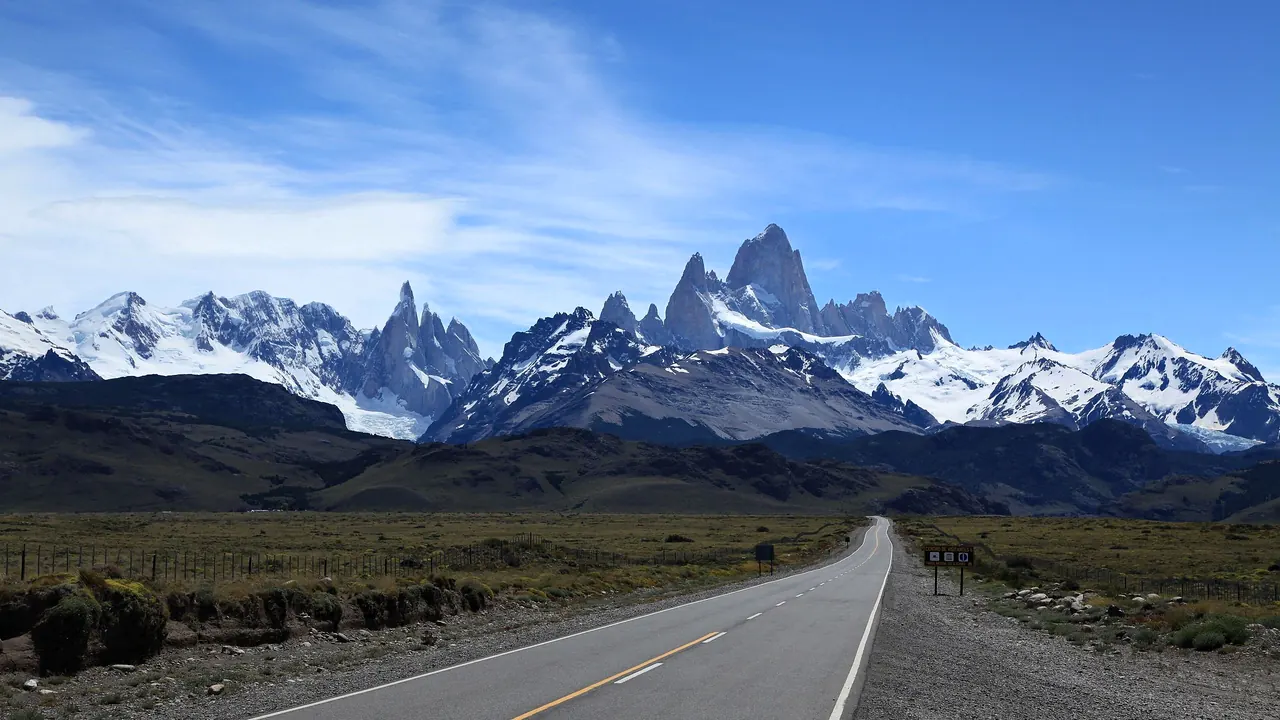
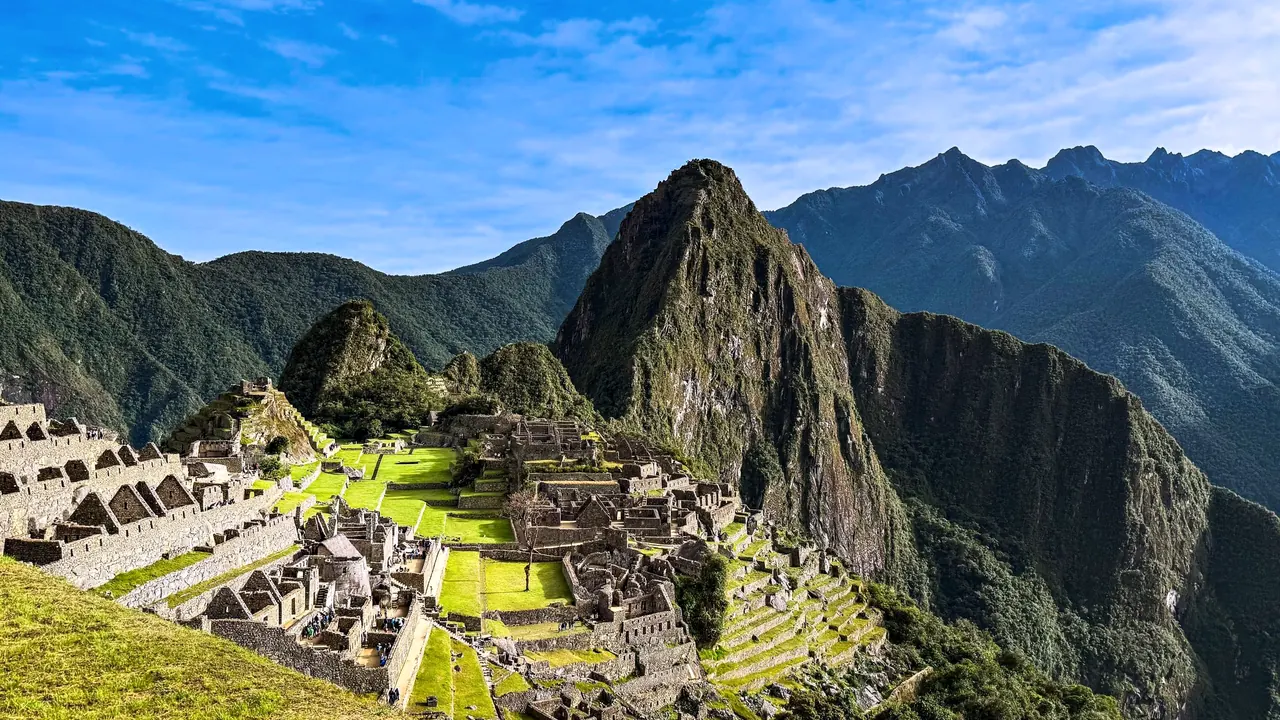
Photos: Argentina by Liam Quinn from Canada, CC BY-SA 2.0, cropped; Peru by WANG Jared, Pexels License.
Argentina or Peru?
Our verdict in twelve categories, each scored against the same fixed benchmark cities, and the climate month by month, so you can choose for your trip.
Choose Argentina for
- nightlife
- families
- live music and the arts
Argentina suits travellers who want long evenings and a strong city to base part of the trip in. Buenos Aires gives you late dinners, tango, the Teatro Colón and nights that run until daylight. Beyond the capital you get Patagonian glaciers, Mendoza's vineyards and Iguazú's rainforest. It is also the easier choice with children, because nature trips like whale watching and the glacier boats need no time at altitude.
Choose Peru for
- culture and sights
- prices
- food and drink
Peru is the better pick if the past and the plate matter most. Machu Picchu, Inca Cusco, white-stone Arequipa and the adobe city of Chan Chan give it far deeper heritage. Lima's ceviche, Nikkei and chifa cooking is reason enough to visit. Day to day it costs noticeably less. The price is altitude, long Andean journeys and a quieter scene after dark.
Scoreboard
Twelve categories on one fixed scale from 0 to 100. The shaded stretch is the gap between the two.
Your match
Pick a travel style or drag the sliders, and both match scores follow your weighting.
Wins on nightlife and families with your weighting.
Wins on culture and sights and prices with your weighting.
What matters to you?
Category by category
What the scores mean for a trip.
Beaches & swimming
Neither country is a beach destination, and both coasts mostly serve their own people in summer. The difference is the kind of beach. Argentina's Atlantic resorts, from high-rise Mar del Plata to the dune and pine towns of Pinamar, Cariló and Villa Gesell, are wide, sandy and sociable. The sea is cool and the wind blows often.
Peru's cold current keeps Lima's water chilly, but the far north around Máncora, Punta Sal and Zorritos has warmer water, reliable sun and a relaxed surf-town pace. It is a separate trip by flight, far from Cusco, much as Las Grutas sits on its own in Patagonia.
Where in Argentina: Mar del Plata, Pinamar and Cariló, Villa Gesell, Las Grutas
Where in Peru: Mancora, Punta Sal, Zorritos, Punta Hermosa
Food & drink
Both countries eat well, but Peru is the one you could plan a trip around for its food. Lima alone offers lunchtime ceviche, Nikkei and chifa kitchens, anticuchos on street corners and serious fine dining built on coast, mountain and jungle ingredients. Arequipa's picanterías and the duck and goat dishes of the north give each region its own cooking.
Argentina's strength is narrower: beef slow-cooked over embers at a parrilla or a long asado, Italian-rooted pizza and pasta in Buenos Aires, and Malbec lunches among the Mendoza vineyards. Salta's empanadas and Cafayate's Torrontés add variety, but away from these centres menus repeat.
Where in Argentina: Buenos Aires, Mendoza, Salta and Cafayate, Patagonia
Culture & sights
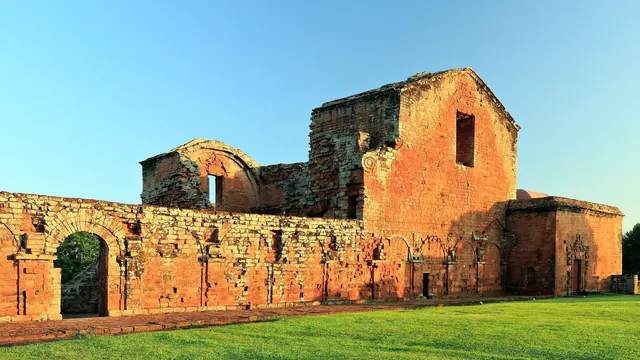
Argentina's heritage is mostly urban and fairly modern. Buenos Aires was built largely between the 1880s and 1930s on European models, so a culture day there means the grand avenues of Recoleta and Retiro, the marble mausoleums of the Recoleta Cemetery and the art collections of the MALBA and the Bellas Artes. Older layers survive in Córdoba's Jesuit Block, Salta's colonial centre and the adobe churches of the Quebrada de Humahuaca, but they play a supporting role.
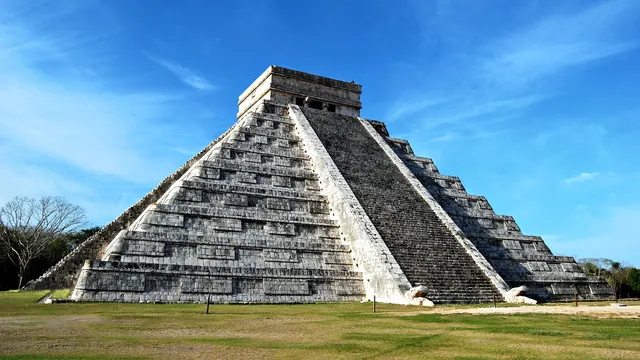
Peru's heritage reaches much further back and works on a different scale. The draw is ancient stone and earth: Inca walls under Cusco's colonial churches, the terraces of Pisac and Ollantaytambo, Machu Picchu on its ridge and the Moche temples beside Chan Chan. Spanish baroque sits on top, in Arequipa's white-stone Santa Catalina convent. Argentina rewards an unhurried look at a European-style capital, while Peru is for travellers who want to see what the Andes held before Spain arrived.
Where in Argentina: Buenos Aires, Córdoba, Salta, Quebrada de Humahuaca
Nightlife
Argentina wins clearly after dark. Clubs barely start before two and run until dawn, from Palermo's cocktail bars to tango milongas in the small hours. The habit carries on in student Córdoba, riverside Rosario and the summer resorts, so you can find a good night out in several cities.
Peru's nightlife is friendly but mostly in Lima, around Barranco's bars in old houses and Miraflores' clubs. Cusco's backpacker bars compete with early trek starts, and most Andean towns go quiet by late evening.
Where in Argentina: Buenos Aires, Córdoba, Rosario, Mar del Plata
Nature & outdoors
Both countries have world-class scenery, so the choice comes down to the kind of landscape. Argentina has ice and wildlife: walking on the Perito Moreno Glacier, trails under Fitz Roy, the lakes of Nahuel Huapi, whales off Península Valdés and the falls at Iguazú.
Peru has high-altitude trekking and rainforest. You can take the Inca Trail and Salkantay routes, the turquoise lakes of the Cordillera Blanca, condors over the Colca Canyon and river lodges in Tambopata and Manu. Argentina's best walking is easy on the lungs, while Peru's needs a few days to adjust to the height.
Where in Argentina: Los Glaciares National Park, Nahuel Huapi National Park, Iguazú Falls, Península Valdés
Where in Peru: Cusco and the Sacred Valley, Cordillera Blanca, Tambopata and Manu, Colca Canyon
Day trips
Peru has the richer days out, because its bases sit right beside major sights. From Cusco you can spend several days in the Sacred Valley at Pisac, Ollantaytambo, Moray and Maras. Puno has the Uros islands and Sillustani, and Trujillo and Chiclayo each have clusters of ancient sites nearby.
Argentina's outings are pleasant but more modest. From Buenos Aires you can take the ferry to Colonia, head to the Tigre delta or visit gaucho San Antonio de Areco. Mendoza has bodega days, and the Quebrada has short hops between villages.
Where in Argentina: Buenos Aires, Córdoba, Mendoza, Quebrada de Humahuaca
Good for families
Argentina is the easier country with children. Families are out in the plazas late, and the big sights are low and gentle: Iguazú's catwalks, Valdés penguins, glacier boats and Bariloche snow. Mar del Plata is built for family beach stays. Long distances and late dinners are the main drawbacks.
Peru suits older, sturdy children better. Altitude above 3,000m and long transfers weigh on young ones. A Tambopata lodge, Paracas sea lions or the lower Sacred Valley are the best bets.
Where in Argentina: Iguazú Falls, Península Valdés, Bariloche, Mar del Plata
Where in Peru: Tambopata, Paracas, Lima, Sacred Valley
Getting around
Both countries are crossed mainly by domestic flights through the capital, with sleeper coaches filling the gaps. Argentina is slightly easier once you arrive. Buenos Aires has a working subte, buses and walkable neighbourhoods, and flat Mendoza is easy on foot. Patagonia and the northwest still need a car or a tour.
In Peru, Cusco and Arequipa are compact once you are there, and colectivos link the Sacred Valley. Lima is harder: it sprawls, its metro misses Miraflores and Barranco, and taxis do most of the work. Andean roads are also long and winding.
Where in Argentina: Buenos Aires, Mendoza
Where in Peru: Cusco, Arequipa, Sacred Valley
Shopping & style
The two are broadly level, but the shopping is different. Argentina's best buys are leather and independent fashion in Palermo Soho, antiques at the Sunday San Telmo fair, and gaucho silver from San Antonio de Areco.
Peru's are Andean textiles, from baby alpaca knitwear to pieces woven on backstrap looms at Chinchero. Lima's craft markets gather work from every region.
Where in Argentina: Buenos Aires, Salta and Jujuy, San Antonio de Areco, Bariloche
Where in Peru: Cusco, Sacred Valley, Lima, Arequipa
Affordability
Peru is the cheaper country. Market set lunches, coaches and old-house hotels in Arequipa, Puno and Trujillo cost little. The big costs are the famous trips: the Machu Picchu trains, the Inca Trail and Amazon lodges.
Argentina sits in the middle, and its value changes with the currency. Salta, Jujuy and Córdoba are cheap, but Palermo restaurants and glacier excursions in Patagonia are not.
Where in Argentina: Salta and Jujuy, Córdoba, Mendoza, Buenos Aires
Live music & performing arts
Argentina has the stronger stage. The Teatro Colón is one of the world's great opera houses, Avenida Corrientes is lined with theatres, and tango runs from dinner shows to neighbourhood milongas. Outside the capital, Salta's peñas and the Cosquín folk festival carry the music on.
Peru's strength is in music and dance rather than formal venues. It has Afro-Peruvian and criollo nights in Barranco's peñas and Andean dance shows in Cusco. The biggest events are the street festivals, above all the Candelaria in Puno.
Where in Argentina: Buenos Aires, Salta, Cosquín, Mendoza
Wellness & relaxation
Argentina's wellness runs to proper thermal towns, while Peru's runs to simple pools high in the mountains. Argentines use their spa towns far more than foreign visitors do: classic Termas de Río Hondo, the large pool complexes of Federación and Colón within reach of Buenos Aires, and the Cacheuta springs in a gorge near Mendoza. For quiet days, the estancias of the pampas and the wine lodges of the Uco Valley or Cafayate add spa treatments among the vines.
Peru's hot springs, such as La Calera after a day in the Colca Canyon or the Baños del Inca near Cajamarca, are warm public pools that you go to for the setting rather than the facilities. Real rest means the Sacred Valley, with yoga and massage around Urubamba and Pisac, and the rest of the trip stays demanding.
Where in Argentina: Termas de Río Hondo, Entre Ríos thermal towns, Mendoza (Cacheuta and the Uco Valley), Copahue
Where in Peru: Sacred Valley, Colca Canyon, Cajamarca
When should you go?
Pick your month, and for a country the place in it. The climate figures are measured averages, not a forecast.
Where in Argentina
Where in Peru
Buenos Aires (Argentina) in July
Cusco (Peru) in July
Daytime high, °C
Rainfall in the month, mm
Where the figures come from
Cusco (Peru)'s station stands 151 m below the city centre, so the centre is likely a little cooler than the figures say.
Temperature and rainfall are climate normals, averaged over the years shown. Buenos Aires (Argentina): 1991-2020 normals, Aeroparque Bs. As. Aerodrome (4.9 km from centre). Cusco (Peru): 1991-2020 normals, Cuzco (3.7 km from centre).
The two countries peak at opposite ends of the year. Argentina's best months run from November to March. Bariloche is dry and around 23°C, the Patagonian trails are open, and the Atlantic resorts and Buenos Aires are warm enough for the beach. Mendoza is hot in midsummer. Bariloche takes its heavy rain in the southern winter, when the snow comes for skiing. Buenos Aires is cool then but still fine for walking, and Iguazú is a little drier in July than in the rest of the year. Ushuaia stays cool even in January.
Peru's Andes work the other way round. Cusco gets about 159mm of rain in January and barely 3mm in June, so May to September is the season for Machu Picchu, the treks and the Colca Canyon. Daytime warmth there hardly changes through the year. Lima is dry all year but overcast through the middle of the year, with only about 21 hours of sun in July. Its warm, bright months run from January to April, when the north coast is also at its best. The Amazon around Puerto Maldonado is hot all year and much drier from June to August. A June trip favours Peru, and a January trip favours Argentina.
Which traveller are you?
For a culture and arts trip, Argentina means a slow stay in Buenos Aires, with galleries by day and the Colón or a milonga at night. Peru is the stronger pick for the sights themselves, with days spent among Inca stonework, colonial cloisters and ancient ruins.
On a family trip with young children, Argentina is the gentler choice. Iguazú's catwalks, the Valdés penguins and the Temaikèn wildlife park involve no altitude, though late dinners and long hops between regions need planning. Peru's thin air and winding roads suit older children better.
On a tight budget, Argentina works if you keep to the northwest and Córdoba and leave out Patagonia, but the currency makes costs hard to predict. Peru goes further. You can travel overland, eat locally and save up for one big outing to Machu Picchu.
More comparisons
Each shares a side with Argentina or Peru.
Where else could you go?
Set Argentina or Peru against any other country.