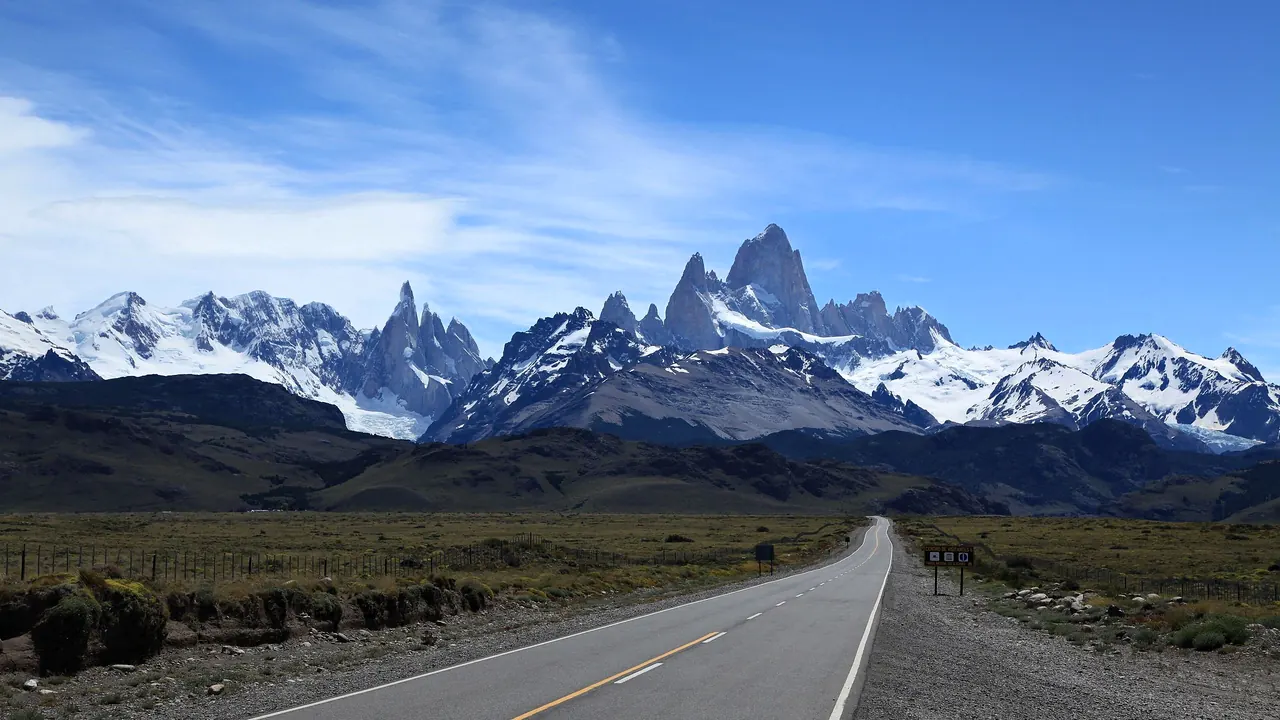
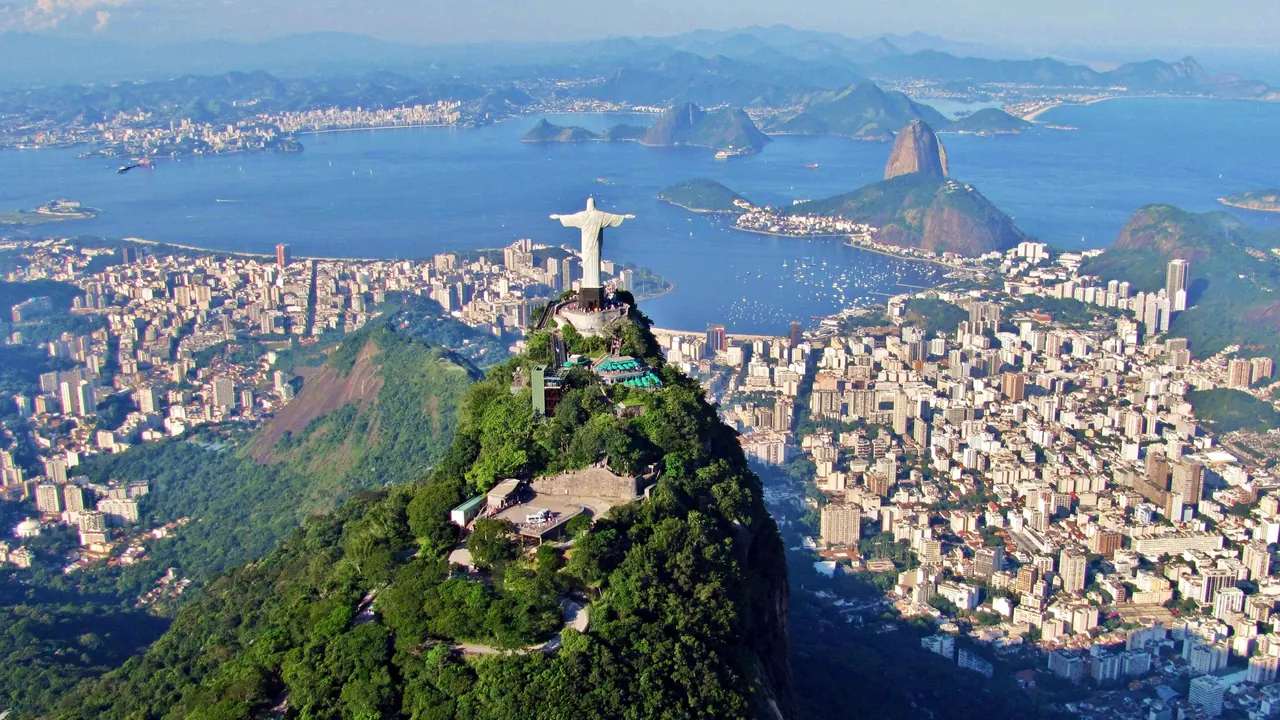
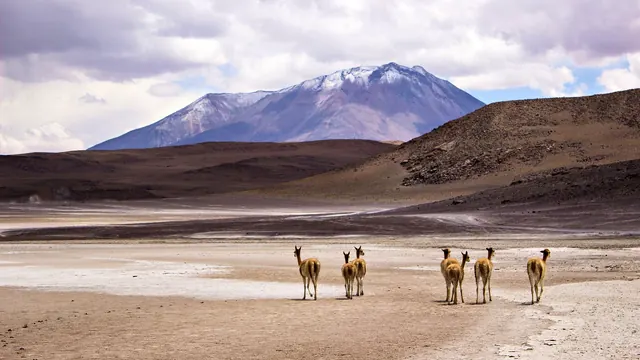
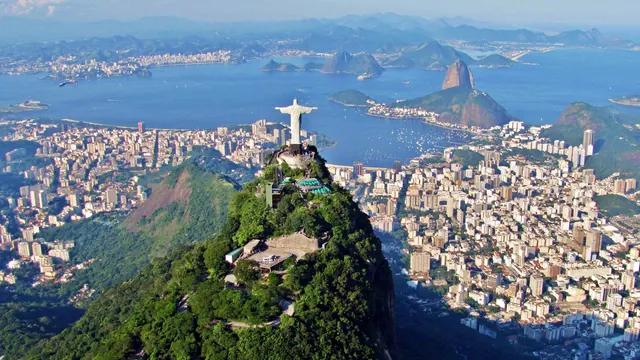
Photos: Argentina by Liam Quinn from Canada, CC BY-SA 2.0, cropped; Brazil by Rafael Rabello de Barros, CC BY-SA 3.0, cropped.
Argentina or Brazil?
Our verdict in twelve categories, each scored against the same fixed benchmark cities, and the climate month by month, so you can choose for your trip.
Choose Argentina for
- getting around
- nature and the outdoors
- day trips
Argentina suits travellers who come for mountains, ice and wide open country. You can walk on the Perito Moreno Glacier, trek beneath Fitz Roy from El Chaltén, paddle the forested lakes around Bariloche and watch whales off Península Valdés. Buenos Aires adds grand avenues, tango and very late dinners, and Mendoza adds Malbec vineyards under the Andes. A trip that combines mountains, wine and one great capital fits it well, as long as you are ready for the long flights between regions.
Choose Brazil for
- beaches
- prices
- culture and sights
If warm sea is part of the plan, Brazil is the clear choice. The Northeast coast from Bahia to Ceará has warm water all year, Rio puts Ipanema and Copacabana inside the city, and the reef pools at Porto de Galinhas are calm enough for children. Brazil also has more colonial heritage, in Salvador's Pelourinho and the gold towns of Minas Gerais, and jaguars and river lodges in the Pantanal and the Amazon. Everyday costs are somewhat lower too. It suits a trip built around beaches, music and street life.
Scoreboard
Twelve categories on one fixed scale from 0 to 100. The shaded stretch is the gap between the two.
Your match
Pick a travel style or drag the sliders, and both match scores follow your weighting.
Wins on getting around and nature and the outdoors with your weighting.
Wins on beaches and prices with your weighting.
What matters to you?
Category by category
What the scores mean for a trip.
Beaches & swimming
This is the widest gap between the two countries. Argentina's beaches are a summer pastime for Argentines: Mar del Plata's crowded balnearios and the dune and pine resorts of Pinamar, Cariló and Villa Gesell, all washed by a cool and often windy Atlantic. Las Grutas has warmer water but is far from everything else.
Brazil's whole coast lives around the beach. There are reef pools at Porto de Galinhas and Maragogi, red cliffs and dolphins at Pipa, dunes at Jericoacoara, and Ipanema right in Rio. Fernando de Noronha adds some of the clearest water in the South Atlantic. Here you can build a whole trip around the sea.
Where in Argentina: Mar del Plata, Pinamar and Cariló, Villa Gesell, Las Grutas
Where in Brazil: Porto de Galinhas, Rio de Janeiro, Pipa, Fernando de Noronha
Food & drink
Argentina's food runs deep in a few directions. Beef slow-cooked over embers at a parrilla or a long asado, Italian-influenced pizza and pasta in Buenos Aires, and Malbec lunches in Luján de Cuyo and the Uco Valley are the core, with empanadas salteñas, locro and Torrontés in the northwest.
Brazil has the edge for range, because its cooking changes so much by region. São Paulo's Japanese, Lebanese and Italian traditions sit alongside dendê-rich moqueca and acarajé in Salvador, tucupi and savoury açaí at Belém's Ver-o-Peso market and the country cooking of Minas Gerais. In both countries, food away from the main centres turns simple.
Where in Argentina: Buenos Aires, Mendoza, Salta and Cafayate, Patagonia
Culture & sights
Brazil offers more to see. Salvador's Pelourinho, with its gold-lined churches and Afro-Brazilian identity, and the baroque gold-rush town of Ouro Preto, with Aleijadinho's prophets nearby at Congonhas, are the high points. Niemeyer's Brasília, MASP in São Paulo and Inhotim's art among gardens add a modern layer.
Argentina's culture is concentrated in Buenos Aires: the Belle Époque palaces of Recoleta, its marble cemetery, the Plaza de Mayo and the old streets of San Telmo and La Boca. Beyond the capital you will find Córdoba's Jesuit Block, Salta's colonial centre and the adobe villages of the Quebrada de Humahuaca, along with ancient rock art at the Cueva de las Manos.
Where in Argentina: Buenos Aires, Córdoba, Salta, Quebrada de Humahuaca
Where in Brazil: Salvador, Ouro Preto, Rio de Janeiro, São Paulo
Nightlife
Both countries go out very late and do it well, but the style differs. In Argentina the night starts with dinner at ten and moves on to boliches that fill after two. Tango milongas in Buenos Aires add something you will not find elsewhere, and Córdoba keeps student hours in Nueva Córdoba and Güemes.
Brazil's nights happen more in the street. Crowds gather under the Lapa arches in Rio and around the Pelourinho in Salvador, and Belo Horizonte's countless plain bars are made for conversation. Carnival turns whole cities into a party that lasts for days.
Where in Argentina: Buenos Aires, Córdoba, Rosario, Mar del Plata
Where in Brazil: São Paulo, Rio de Janeiro, Salvador, Belo Horizonte
Nature & outdoors
Argentina comes out ahead for scenery. The Perito Moreno Glacier, the granite spires of Fitz Roy and Cerro Torre, the lakes of Nahuel Huapi, Aconcagua and the red gorges and salt flats of Jujuy make it a country for walkers and mountain lovers. Península Valdés adds whales, elephant seals and penguins.
Brazil's strength is wildlife and water: jaguars in the Pantanal, river lodges in the Amazon, snorkelling in Bonito's clear rivers and the lagoons between the dunes of Lençóis Maranhenses. Iguazú lies on the border, and both countries have a side of the falls.
Where in Argentina: Los Glaciares National Park, Nahuel Huapi National Park, Iguazú Falls, Península Valdés
Where in Brazil: Pantanal, Amazon (Manaus, Belém), Iguaçu Falls, Lençóis Maranhenses
Day trips
The two countries are much alike here: day trips depend on choosing the right base. From Buenos Aires, the ferry to cobbled Colonia del Sacramento in Uruguay, the Tigre delta and the gaucho town of San Antonio de Areco give the widest choice, and Mendoza adds winery days.
In Brazil the best base is Belo Horizonte, with Ouro Preto, Congonhas and Inhotim all within reach. Rio has Petrópolis up in the mountains, and Salvador has the islands of Itaparica across the bay.
Where in Argentina: Buenos Aires, Córdoba, Mendoza, Quebrada de Humahuaca
Where in Brazil: Belo Horizonte, Rio de Janeiro, Salvador, Recife
Good for families
Both countries welcome children warmly, but the trip has a different shape in each. Argentina's family highlights are about nature: the catwalks over Iguazú, penguins at Punta Tombo, boats by the glacier and July snow in Bariloche. The very late dinners can be hard on young children.
Brazil's family trips centre on the beach. The shallow, warm reef pools at Porto de Galinhas suit toddlers, Fortaleza has a large beachside water park and Rio adds the cable car up Sugarloaf. In the big cities you need to take more care with valuables.
Where in Argentina: Iguazú Falls, Península Valdés, Bariloche, Mar del Plata
Where in Brazil: Porto de Galinhas, Florianópolis, Fortaleza, Rio de Janeiro
Getting around
Argentina is somewhat easier to manage. Buenos Aires has a working subte and walkable neighbourhoods in Palermo, Recoleta and San Telmo, and in Mendoza you can cycle to the Maipú wineries. Even so, crossing the country means domestic flights, often back through the capital, and in the northwest and Patagonia you need gravel roads and a hire car.
Brazil spreads out further. Outside Rio's beach districts and São Paulo's metro, cities sprawl and visitors rely on ride-hailing apps. Places such as Jericoacoara, Lençóis and the Pantanal lodges sit at the end of long transfers, sometimes by four-wheel drive or boat.
Where in Argentina: Buenos Aires, Mendoza
Where in Brazil: São Paulo, Rio de Janeiro
Shopping & style
Shopping is a fair match between the two, and in both countries it is concentrated in the biggest city. In Buenos Aires, Palermo Soho's small labels and the city's leather goods stand out, along with the Sunday antiques fair in San Telmo. Away from the capital, you can find ponchos and silverwork in Salta and the Quebrada.
São Paulo has Brazilian fashion on Rua Oscar Freire and the wholesale crush of Rua 25 de Março. Rio is the place for beachwear, while Minas Gerais has gemstones and soapstone, and Salvador sells lace and drums.
Where in Argentina: Buenos Aires, Salta and Jujuy, San Antonio de Areco, Bariloche
Where in Brazil: São Paulo, Rio de Janeiro, Minas Gerais, Salvador
Affordability
Brazil is the cheaper of the two for most trips. Kilo restaurants, botecos and city buses keep daily costs low, and the colonial towns of Minas Gerais, Salvador's old town and the beaches around Fortaleza all have good-value rooms. Fernando de Noronha and the wildlife lodges are the main exceptions.
Argentina is mid-range, and its currency swings can make it cheaper or dearer from one year to the next. Salta, Jujuy and Córdoba are inexpensive, but Patagonian excursions, park fees and dining in Palermo push costs up. In both countries, domestic flights take a large share of the budget.
Where in Argentina: Salta and Jujuy, Córdoba, Mendoza, Buenos Aires
Where in Brazil: Minas Gerais, Salvador, Fortaleza
Live music & performing arts
The two are close, but they excel in opposite ways. Argentina is the stronger choice for formal stages: the Teatro Colón for opera and ballet, the theatres along Avenida Corrientes and tango you can watch or join at a milonga. Away from the capital, Salta's peñas and the Cosquín festival keep folk music alive.
Brazil's best music happens on the street. There are samba rodas in Rio's squares and samba school rehearsals before Carnival, along with Afro-Bahian drumming in the Pelourinho and frevo in Olinda. For formal concerts, São Paulo's Sala São Paulo is the place to go.
Where in Argentina: Buenos Aires, Salta, Cosquín, Mendoza
Where in Brazil: Rio de Janeiro, São Paulo, Salvador, Recife and Olinda
Wellness & relaxation
Neither country is a spa destination, and both have hot springs used mostly by locals. In Argentina, Termas de Río Hondo, the thermal towns of Entre Ríos and the Cacheuta springs in an Andean gorge are the places to go, and the quietest stays are at estancias and the wine lodges of the Uco Valley.
Brazil has the warm pools of Caldas Novas and the old bathhouses of Poços de Caldas. For most visitors, though, rest means hammock days in Trancoso and along the Bahia coast.
Where in Argentina: Termas de Río Hondo, Entre Ríos thermal towns, Mendoza (Cacheuta and the Uco Valley), Copahue
Where in Brazil: Caldas Novas, Poços de Caldas, São Lourenço, Trancoso
When should you go?
Pick your month, and for a country the place in it. The climate figures are measured averages, not a forecast.
Where in Argentina
Where in Brazil
Buenos Aires (Argentina) in July
Rio de Janeiro (Brazil) in July
Daytime high, °C
Rainfall in the month, mm
Where the figures come from
Rio de Janeiro (Brazil) has no weather station within reach, so its figures come from a gridded climate model rather than a measured record, and read a broad area rather than one spot.
Temperature and rainfall are climate normals, averaged over the years shown. Buenos Aires (Argentina): 1991-2020 normals, Aeroparque Bs. As. Aerodrome (4.9 km from centre). Rio de Janeiro (Brazil): 2001-2020 normals, NASA POWER reanalysis grid, no weather station within 90 km.
Argentina's year depends on how far south you go. Patagonia belongs to the southern summer, roughly November to March. Bariloche is dry and sunny then but takes 172mm of rain in June, and even in January Ushuaia only reaches about 14°C, so pack layers. Buenos Aires is hot and fairly wet in January, and it is most pleasant to walk in spring and autumn. Mendoza bakes at around 33°C in January and is at its best for vineyard visits from March to May and in October and November. Iguazú gets heavy rain in most months, with July and August the driest.
Brazil stays warm almost everywhere all year, so the question is rain rather than heat. Salvador's sea is around 28°C for much of the year, but April and May are very wet there, with April at 292mm, so the spring and summer months from September to March are better for Bahia. Rio and São Paulo are drier from May to September, when sightseeing is easiest, while Florianópolis is a summer beach place from December to March. The Amazon around Manaus is driest from June to September.
Which traveller are you?
On a beach and sun trip, choose Brazil. Its Northeast coast has warm, clear water all year, with reef pools, dunes and cliff-backed bays. Argentina's Atlantic resorts have cool, windy water and only suit a few days in high summer.
More comparisons
Each shares a side with Argentina or Brazil.
Where else could you go?
Set Argentina or Brazil against any other country.