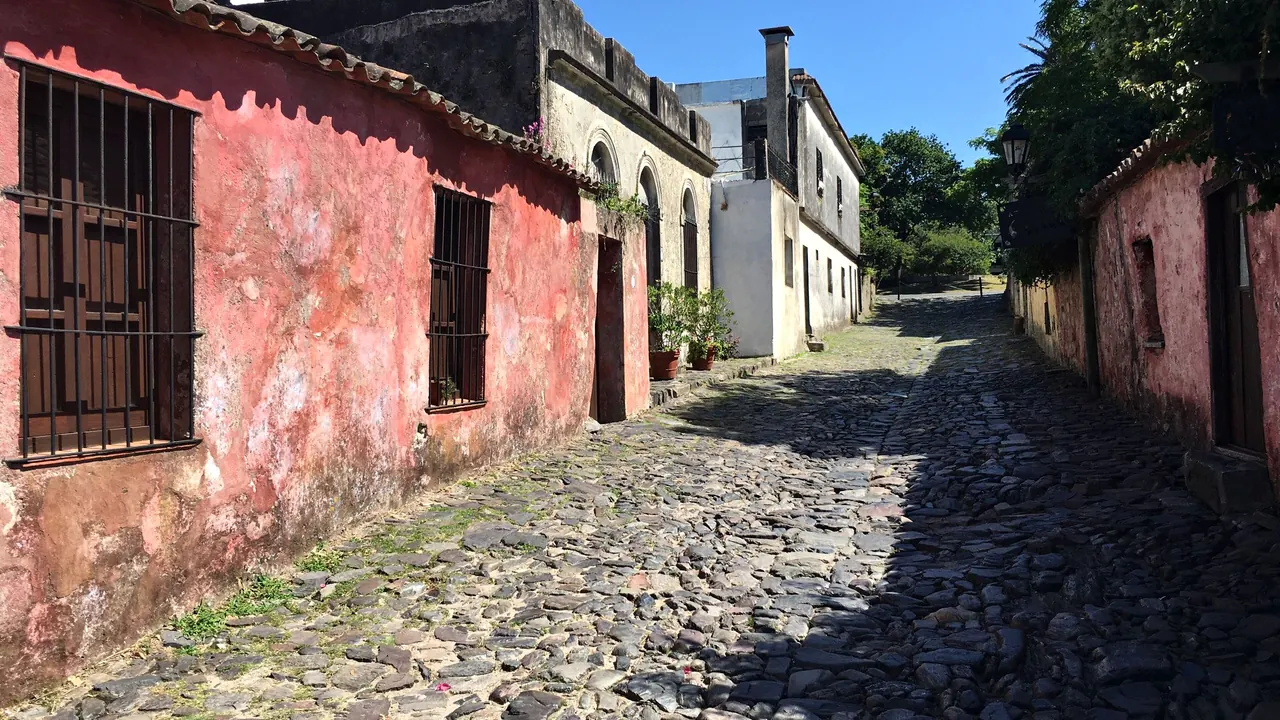
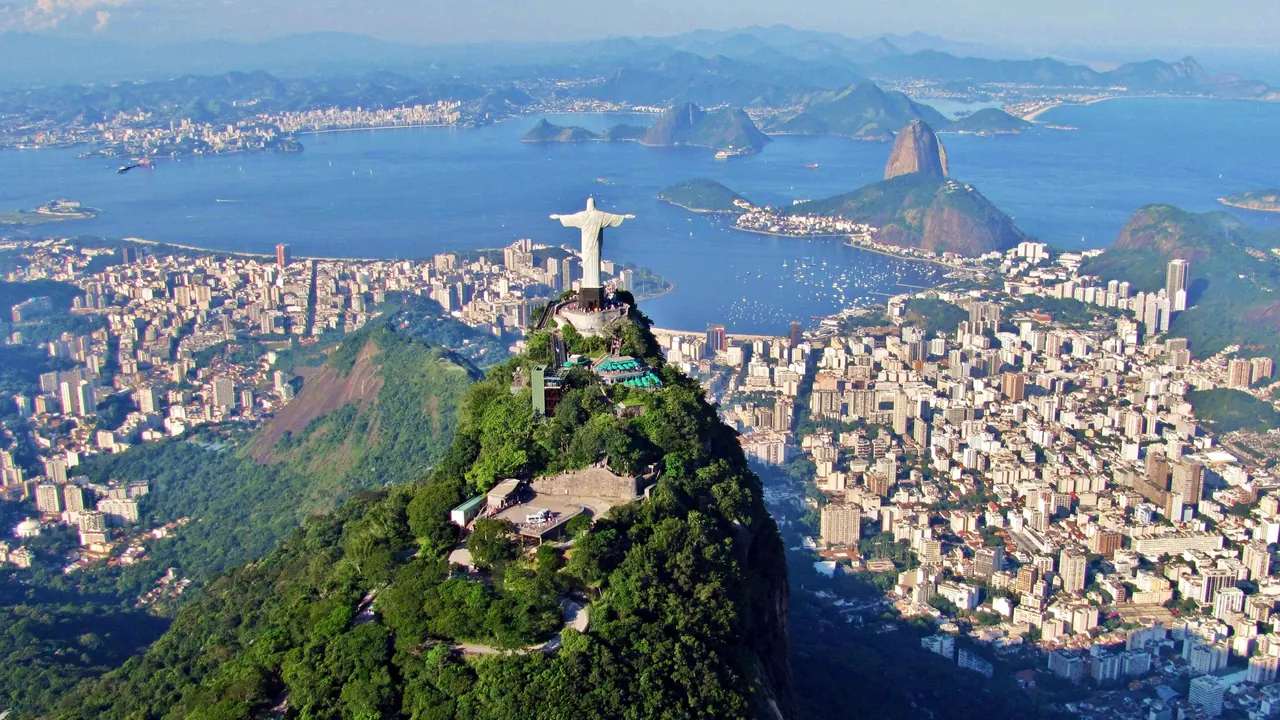
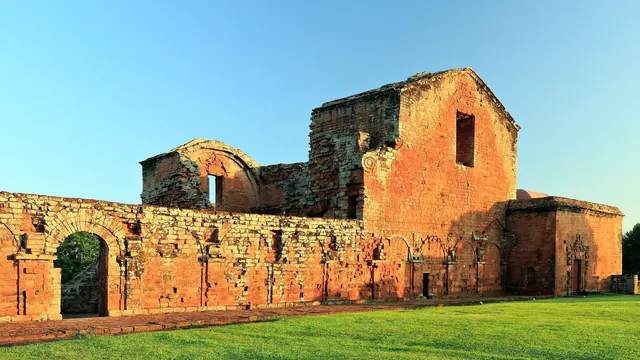
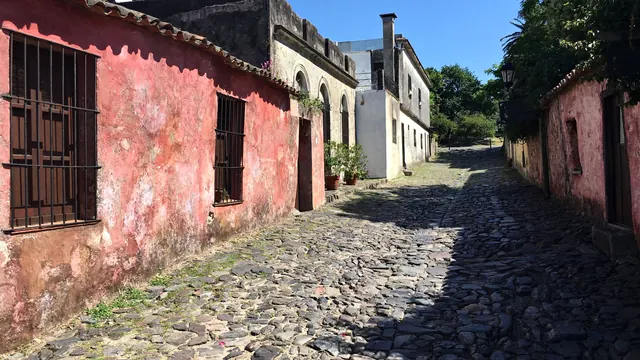
Photos: Uruguay by Fredlyfish4, CC BY-SA 4.0, cropped; Brazil by Rafael Rabello de Barros, CC BY-SA 3.0, cropped.
Uruguay or Brazil?
Our verdict in twelve categories, each scored against the same fixed benchmark cities, and the climate month by month, so you can choose for your trip.
Choose Uruguay for
- getting around
- wellness
Uruguay suits a traveller who wants one easy, unhurried country rather than a big expedition. Everything is a short coach ride from Montevideo, so a week can take in the grills of the Mercado del Puerto, Tannat lunches in the Canelones vineyards, the cobbled lanes of Colonia and a run of summer beach days at Punta del Este or the quieter Rocha coast, with almost no time lost in transit. It is calmer and smaller in every sense, and costs more than many expect.
Choose Brazil for
- nature and the outdoors
- nightlife
- beaches
Brazil is the choice for anyone who wants more of nearly everything: warm reef pools and famous city beaches, jaguars in the Pantanal and the falls at Iguaçu, the baroque of Salvador and Ouro Preto, samba in Lapa and nights out in São Paulo. It is also the cheaper of the two day to day. The price is distance, since the best places lie far apart and need flights, so it rewards a longer trip built around two or three regions.
Scoreboard
Twelve categories on one fixed scale from 0 to 100. The shaded stretch is the gap between the two.
Your match
Pick a travel style or drag the sliders, and both match scores follow your weighting.
Wins on getting around and wellness with your weighting.
Wins on nature and the outdoors and nightlife with your weighting.
What matters to you?
Category by category
What the scores mean for a trip.
Beaches & swimming
Uruguay's beaches are lovely and varied for a small coast, but the swimming is mild rather than warm. From December to March the sea sits in the low 20s at Montevideo and Punta del Este, pleasant for a dip but never tropical, and the ocean side brings wind and strong surf. Choose calm Playa Mansa or surfy Playa Brava at Punta del Este, polished José Ignacio, or the empty strands and car-free dunes of Cabo Polonio on the Rocha coast.
Brazil is far ahead. In the Northeast the water stays around 27°C all year, with reef pools at Porto de Galinhas and Maragogi, red cliffs above Pipa and dunes behind Jericoacoara. Rio has Ipanema and Copacabana right in the city, and Fernando de Noronha has some of the clearest water in the South Atlantic.
Where in Uruguay: Punta del Este, José Ignacio, Rocha coast, Montevideo
Where in Brazil: Porto de Galinhas, Rio de Janeiro, Pipa, Fernando de Noronha
Food & drink
Brazil eats far more widely. São Paulo's immigrant kitchens and fine dining, Salvador's moqueca and acarajé in dendê oil, Minas Gerais's slow country cooking and Belém's Amazonian fish and savoury açaí make it a country of several cuisines.
Uruguay is a single, focused tradition: wood-fired parrilla, the chivito and mate, best experienced at Montevideo's Mercado del Puerto. Where it holds its own is wine, with Tannat lunches at family wineries in Canelones, Carmelo and Garzón, something Brazil's cachaça and caipirinhas do not match. Vegetarians will find Uruguay much harder going.
Where in Uruguay: Montevideo, Canelones wine country, José Ignacio and Garzón, Carmelo
Culture & sights
Brazil has the deeper heritage by far. Salvador's Pelourinho with its gold-lined churches, the gold-rush towns of Ouro Preto and Tiradentes, Aleijadinho's prophets at Congonhas, MASP and the Pinacoteca in São Paulo and the Niemeyer capital of Brasília could fill several trips, though they lie far apart.
Uruguay's sights are modest and close together: the Portuguese lanes and lighthouse of Colonia del Sacramento, the Teatro Solís and art deco streets of Montevideo, the meat-packing works at Fray Bentos and Casapueblo near Punta del Este. They make a pleasant few days rather than a reason to travel.
Where in Uruguay: Colonia del Sacramento, Montevideo, Fray Bentos, Punta Ballena
Where in Brazil: Salvador, Ouro Preto, Rio de Janeiro, São Paulo
Nightlife
Both countries go out late, but Brazil has real depth and keeps it all year. São Paulo's Vila Madalena and Rua Augusta run to dawn, Rio's Lapa fills under its arches, and Salvador, Recife and Belo Horizonte each have their own outdoor bar culture.
Uruguay's nights are concentrated in place and season. In January and February, Punta del Este and La Barra host beach parties and clubs for a moneyed crowd, while Montevideo ticks over at a lower volume in Ciudad Vieja, Pocitos and Parque Rodó. Outside those two, and outside summer, it is quiet.
Where in Uruguay: Punta del Este and La Barra, Montevideo
Where in Brazil: São Paulo, Rio de Janeiro, Salvador, Belo Horizonte
Nature & outdoors
Brazil's wild places are on a continental scale. Jaguars and giant otters in the Pantanal, river lodges in the Amazon, the gorge of Iguaçu, the lagoon-filled dunes of Lençóis Maranhenses and the table mountains of Chapada Diamantina are each a trip of their own.
Uruguay is low, rolling grassland with no mountains, and its outdoors is gentle. The best of it lies on the Rocha coast: the sea-lion colony at Cabo Polonio, bird-filled lagoons near Santa Teresa and southern right whales close to shore in spring. Inland, Quebrada de los Cuervos and estancia horse riding round it off.
Where in Uruguay: Cabo Polonio, Santa Teresa and the Rocha lagoons, Quebrada de los Cuervos, Sierras de Minas
Where in Brazil: Pantanal, Amazon (Manaus, Belém), Iguaçu Falls, Lençóis Maranhenses
Day trips
The two are fairly level here, but they work differently. In Uruguay a single base does it all: from Montevideo the Canelones vineyards are under an hour away, Punta del Este and Colonia about two hours, and the fast ferry makes a day across the river easy.
In Brazil the outings depend on which city you choose. Belo Horizonte is the best base, with Ouro Preto, Congonhas and Inhotim in reach, while Rio has Petrópolis in the mountains and Salvador the ferry to Itaparica and the river port of Cachoeira. Beyond these, distances are too large for a day out.
Where in Uruguay: Colonia del Sacramento, Punta del Este, Canelones wine country, Carmelo
Where in Brazil: Belo Horizonte, Rio de Janeiro, Salvador, Recife
Good for families
Uruguay is simpler and calmer, but there is almost nothing built for children. What it offers is long beach days on the gentle river-side shores of Playa Mansa, Piriápolis and Atlántida, perhaps a night on an estancia, and short, easy journeys between them.
Brazil gives children more to do. The warm, shallow reef pools at Porto de Galinhas and Maragogi are ideal for small swimmers, and Fortaleza has a big water park on the beach. Rio and São Paulo have large aquariums, and the Beto Carrero World theme park near Balneário Camboriú combines well with Florianópolis's calm bay beaches further down the coast. On the other side, families face domestic flights, need care with valuables in the big cities and have strong heat to deal with in the north.
Where in Uruguay: Punta del Este, Piriápolis, Montevideo, Atlántida
Where in Brazil: Porto de Galinhas, Florianópolis, Fortaleza, Rio de Janeiro
Getting around
Uruguay is far easier to move around. Distances are short and roads good, and comfortable coaches from Montevideo's Tres Cruces terminal reach Colonia, Punta del Este and the Rocha coast without fuss. Only José Ignacio, the wineries and the estancias really call for a hired car, and Cabo Polonio is reached by open truck across the dunes.
Brazil runs on domestic flights, with almost no passenger rail and slow overnight coaches. Rio's metro makes it the easiest city to manage, but many highlights, from Jericoacoara to the Pantanal lodges, sit at the end of long transfers, so most visitors limit themselves to two or three regions.
Where in Uruguay: Montevideo, Colonia del Sacramento, Punta del Este
Where in Brazil: São Paulo, Rio de Janeiro
Shopping & style
Brazil has an actual shopping scene. São Paulo has the fashion and design boutiques of Rua Oscar Freire and Jardins and the wholesale crush of Rua 25 de Março, and Rio is the place for beachwear. The regions add gemstones and soapstone from Minas Gerais and Bahian lace and drums from Salvador's Mercado Modelo.
Uruguay is mainly about a few good souvenirs: leather, hand-dyed wool, silver-fitted mate gourds and Tannat. Montevideo's Sunday market on Tristán Narvaja is the most enjoyable outing, and there is no fashion or luxury scene to speak of.
Where in Uruguay: Montevideo, Punta del Este, Colonia del Sacramento
Where in Brazil: São Paulo, Rio de Janeiro, Minas Gerais, Salvador
Affordability
Brazil is the cheaper country day to day. Simple pousadas in the colonial towns of Minas Gerais, guesthouses in Salvador and beach hotels around Fortaleza are good value, and kilo restaurants and botecos keep meals down. The costs come with Fernando de Noronha, the Pantanal and Amazon lodges and the flights most itineraries need.
Uruguay surprises many visitors with prices closer to Southern Europe, and Punta del Este and José Ignacio in January are very expensive. Montevideo's set lunches and grills, Piriápolis and the simple Rocha villages such as Punta del Diablo are the ways to keep costs in check.
Where in Uruguay: Montevideo, Rocha coast, Piriápolis
Where in Brazil: Minas Gerais, Salvador, Fortaleza
Live music & performing arts
Brazil has more live music in more places. Rio's samba houses in Lapa play late through the week and samba school rehearsals run in the months before Carnival, São Paulo's Sala São Paulo gives a fine formal concert setting, and Salvador, Recife and Olinda have Afro-Bahian drumming, frevo and maracatu.
Uruguay's scene is almost all in Montevideo, but it is distinctive: the Teatro Solís for opera and ballet, small tango venues and candombe drumming through Barrio Sur and Palermo. Its long Carnaval of satirical murga choirs on neighbourhood stages is unlike anything in Brazil's version.
Where in Uruguay: Montevideo
Where in Brazil: Rio de Janeiro, São Paulo, Salvador, Recife and Olinda
Wellness & relaxation
The two are roughly even, and in both the hot springs are a separate journey inland. Uruguay's lie in the far northwest near Salto and Paysandú, where Termas del Daymán and Arapey are open-air family pool complexes. Brazil has the large resort area of Caldas Novas, plus the old spa towns of Poços de Caldas and São Lourenço with historic bathhouses.
Day to day, rest looks different. Uruguay offers rural calm in Garzón and on the estancias, and Rocha villages that empty after summer. Brazil's version is tropical, with hammocks, massage and yoga at the pousadas of Trancoso and the Bahia coast.
Where in Uruguay: Salto thermal springs, Paysandú thermal springs, Rocha coast, Garzón
Where in Brazil: Caldas Novas, Poços de Caldas, São Lourenço, Trancoso
When should you go?
Pick your month, and for a country the place in it. The climate figures are measured averages, not a forecast.
Where in Uruguay
Where in Brazil
Montevideo (Uruguay) in July
Rio de Janeiro (Brazil) in July
Daytime high, °C
Rainfall in the month, mm
Where the figures come from
Rio de Janeiro (Brazil) has no weather station within reach, so its figures come from a gridded climate model rather than a measured record, and read a broad area rather than one spot.
Temperature and rainfall are climate normals, averaged over the years shown. Montevideo (Uruguay): 1991-2020 (rainfall 1971-2000) normals, Carrasco (19.2 km from centre). Rio de Janeiro (Brazil): 2001-2020 normals, NASA POWER reanalysis grid, no weather station within 90 km.
Uruguay has a short, clear beach season. From December to March Montevideo and Punta del Este reach around 28°C by day and the sea is at its mildest, warm enough for a swim though never tropical. By April the water is cooling fast, and in July days drop to about 15°C, fine for walking Montevideo and Colonia in a coat but far too cold for the coast. Rain is spread fairly evenly through the year, so the deciding factor is temperature, not wet months.
Brazil is warm almost everywhere all year, and the question is rain. Rio and São Paulo have their wet season in the southern summer, with Rio taking around 232mm in December, and are drier and very pleasant from May to September, when Rio's sea is still swimmable. Salvador works the other way round: its heavy rains come from April to July, around 292mm in April, while from September to March it is sunny with a sea near 28°C. Florianópolis matches Uruguay's summer season, Manaus is driest from July to September, and Foz do Iguaçu is hottest from November to February. So Uruguay's best months fall in Rio's wettest season, while Brazil's Northeast is good for most of the year.
Which traveller are you?
For a beach and sun trip, Brazil is the clear pick. The Northeast has warm sea all year, sheltered reef pools at Porto de Galinhas and cliff bays at Pipa, while Uruguay's Atlantic is cool and only swimmable for a few summer months.
On an outdoors trip, Brazil again, by a wide margin. The Pantanal's wildlife, Amazon river lodges, Iguaçu's falls and the dunes of Lençóis Maranhenses are journeys in their own right. Uruguay offers gentle walks, horse riding and sea lions at Cabo Polonio.
For a relaxing and wellness trip, Uruguay has the edge in ease. Quiet Rocha beach villages, the hill village of Garzón and farm estancias sit a short drive apart, so rest is not eaten up by flights and long road transfers between regions.
More comparisons
Each shares a side with Uruguay or Brazil.

Where else could you go?
Set Uruguay or Brazil against any other country.