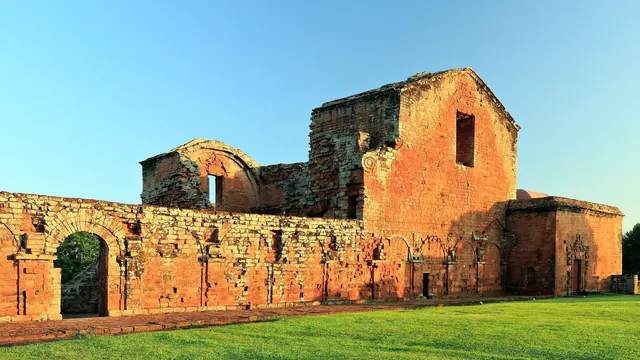
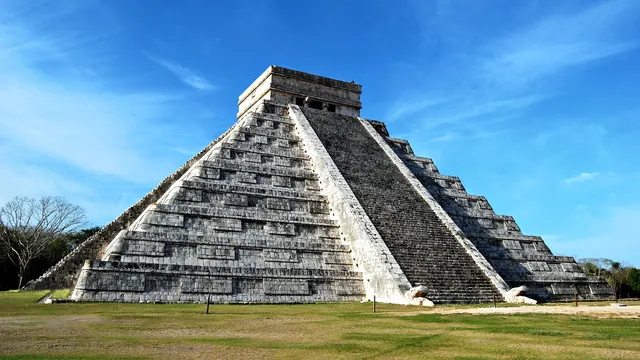
Photos: Bolivia by João Aguiar, Pexels License; Peru by WANG Jared, Pexels License.
Bolivia or Peru?
Our verdict in twelve categories, each scored against the same fixed benchmark cities, and the climate month by month, so you can choose for your trip.
Choose Bolivia for
- prices
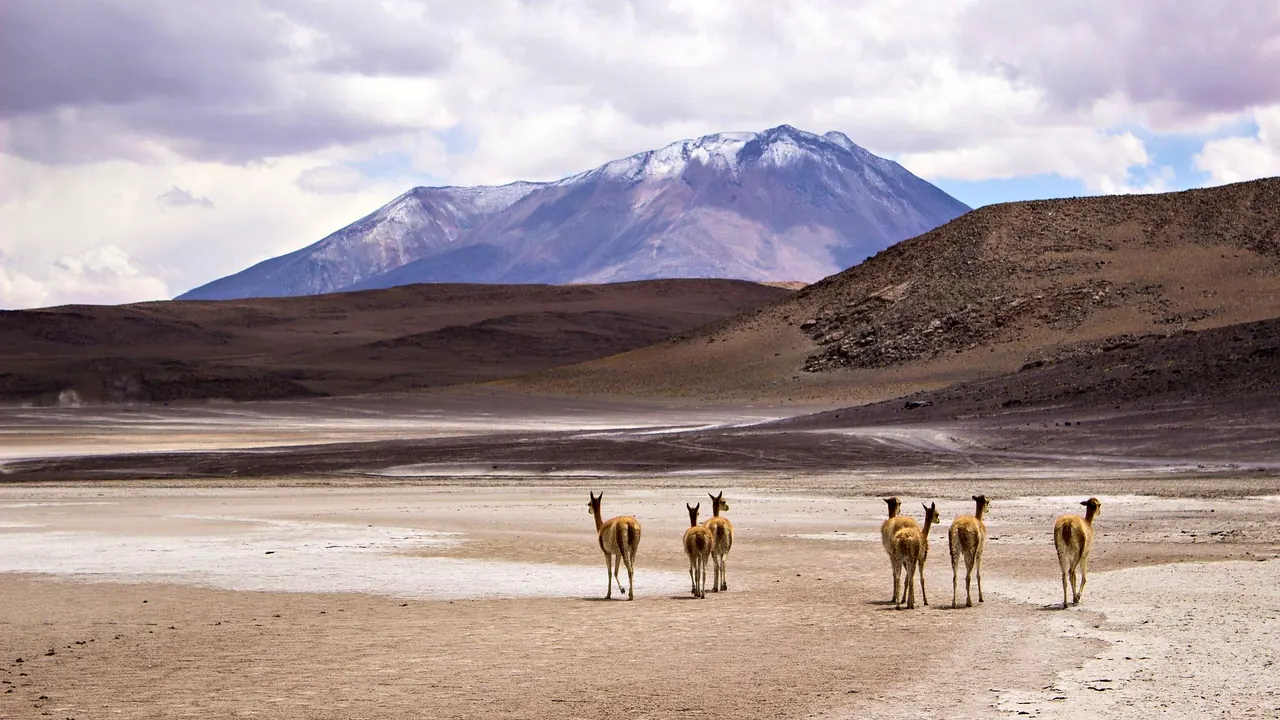
Bolivia suits the traveller who wants raw high-altitude landscape and wants it on a small budget. The Salar de Uyuni and the coloured lagoons to its south are the trip, with colonial Sucre and Potosí as the cultural stops. Prices are low almost everywhere, and the Andean route sees fewer visitors. You need to accept rough roads, long transfers and little comfort around the edges.
Choose Peru for
- food and drink
- beaches
- day trips
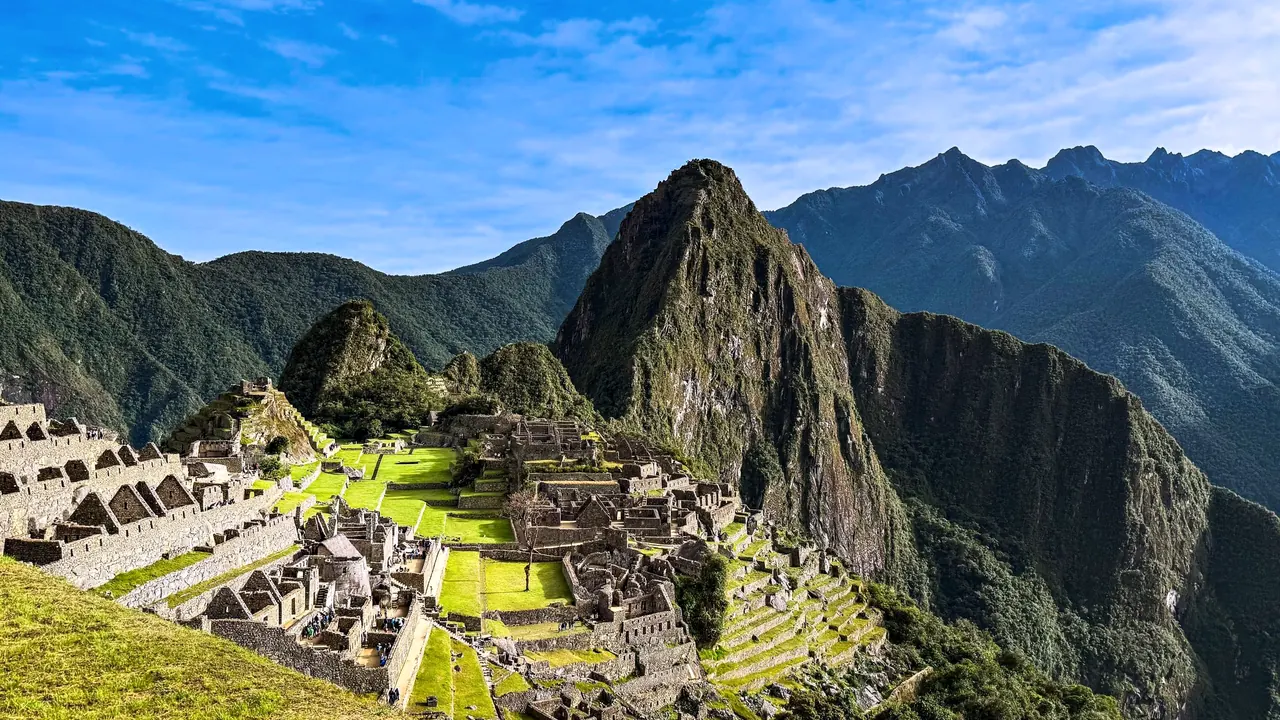
Peru is the better choice for a first trip to the Andes, or for anyone who wants more from one journey. Machu Picchu and Cusco are world-class sights, Lima is a city worth travelling to just to eat, and the Sacred Valley, Arequipa and the warm northern beaches add variety. It costs more and still takes planning, but day trips, families and slower days are all easier to arrange.
Scoreboard
Twelve categories on one fixed scale from 0 to 100. The shaded stretch is the gap between the two.
Your match
Pick a travel style or drag the sliders, and both match scores follow your weighting.
Wins on prices with your weighting.
Wins on food and drink and beaches with your weighting.
What matters to you?
Category by category
What the scores mean for a trip.
Beaches & swimming
Bolivia has no coast. The sandy strip at Copacabana sits beside a high-altitude lake far too cold for more than a brave dip, and river swims in the Amazon lowlands are part of a jungle trip, not a beach stay.
Peru has the Pacific, though much of it is cold, grey and better for surfing than swimming. The real beach option is the far north, where Máncora, Punta Sal, Vichayito and Zorritos have warm water, steady sun and easy-going surf towns. It is a separate flight from the Andean route, but it means a Peru trip can end on the sand.
Where in Peru: Mancora, Punta Sal, Zorritos, Punta Hermosa
Food & drink
Bolivia eats well in a simple way: salteñas in the morning, anticuchos at night, and set lunches at the market counters of La Paz, Sucre and Cochabamba. La Paz has a small modern Andean dining scene, and Tarija adds wine and singani, but choice thins out quickly beyond the cities.
Peru is in another class. Lima alone could fill a trip, with lunchtime cevicherías, Nikkei and chifa kitchens and a fine-dining tier drawing on coast, mountains and jungle. Regional cooking adds more, from Arequipa's long picantería lunches to the duck and goat stews of Chiclayo, and pisco sours tie it together.
Culture & sights
Bolivia's heritage is impressive but smaller in scale. Potosí's mint and silver mines, Sucre's whitewashed colonial centre, the pre-Inca stonework of Tiwanaku and the painted Jesuit churches of Chiquitos make a rewarding circuit, though the museums are modest.
Peru has one of the world's great sights in Machu Picchu. Cusco is built on fitted Inca walls, and the Sacred Valley ruins, Arequipa's Santa Catalina convent and the adobe city of Chan Chan near Trujillo all lie within reach. The depth is such that most visitors have to choose between regions.
Where in Bolivia: Potosí, Sucre, La Paz and Tiwanaku, Chiquitos missions
Nightlife
Neither country is a nightlife destination, but Peru's scene is livelier. Lima's Barranco has bars in old colonial houses and clubs that go late, Miraflores adds cocktail bars, and Cusco and Máncora have backpacker scenes in season.
In Bolivia, nights out are mostly in Santa Cruz's Equipetrol clubs, with smaller bar districts in La Paz's Sopocachi and around Sucre's student bars. At La Paz's altitude, a heavy night hits harder.
Nature & outdoors
Both are among the great outdoor countries, and the difference is in kind. Bolivia offers stranger, emptier landscapes: the white expanse of the Salar de Uyuni, the flamingo lagoons and geysers of Eduardo Avaroa, the Death Road ride down to the Yungas, and Madidi's rainforest and pampas wildlife reached from Rurrenabaque.
Peru wins on variety and on classic trekking. There are the Inca Trail and Salkantay routes to Machu Picchu, the glacial lakes of the Cordillera Blanca, condors over the Colca Canyon, Tambopata's river lodges, and the sea lions and seabirds of Paracas, which Bolivia cannot match.
Where in Bolivia: Salar de Uyuni, Eduardo Avaroa Reserve, Cordillera Real, Madidi National Park
Where in Peru: Cusco and the Sacred Valley, Cordillera Blanca, Tambopata and Manu, Colca Canyon
Day trips
From Cusco you could spend several days on easy outings alone: Pisac, Ollantaytambo, Chinchero, Moray and the Maras salt pans. Puno, Trujillo and Chiclayo each have a cluster of ruins and villages nearby, which gives Peru far more to do from a single base.
Bolivia has a handful of good outings, such as Tiwanaku from La Paz, Tarabuco's Sunday market from Sucre and the vineyards around Tarija. Beyond these, distances are long and most trips turn into overnights.
Good for families
Both are tough with small children because of altitude and long journeys, but Peru gives families more ways round it. Lima's fountain park and clifftop playgrounds, boat trips to penguins at Paracas, a Tambopata jungle lodge and the gentler Sacred Valley base make a workable low-altitude plan.
Bolivia offers less. Santa Cruz and calm Samaipata are the easy low-lying bases, and the pampas trips from Rurrenabaque are the highlight. The Uyuni jeep tour is really only for sturdy teenagers.
Where in Bolivia: Santa Cruz, Samaipata, Rurrenabaque, Salar de Uyuni
Where in Peru: Tambopata, Paracas, Lima, Sacred Valley
Getting around
Neither is quick to cross. Peru's long-distance coaches are more comfortable, flights connect through Lima, and tourist trains run to Machu Picchu and Puno. Compact Cusco and flat Arequipa are easy on foot once you arrive, though Lima's traffic means taxis.
Bolivia is slower and less predictable. Roads vary from tarmac to rough track, blockades can close routes, and the salt flats are reached only on organised 4x4 tours, so domestic flights are almost essential on a short trip. La Paz's cable cars are the one real pleasure.
Where in Bolivia: La Paz, Sucre, Santa Cruz
Where in Peru: Cusco, Arequipa, Sacred Valley
Shopping & style
Both countries are about Andean craft rather than fashion. Peru has more of it and at a finer level: baby alpaca and vicuña knitwear, cooperative weavings from Chinchero, Cusco's San Blas workshops and Lima's markets gathering ceramics and retablos from every region.
Bolivia's buys are fewer but distinctive. There are the Jalq'a and Tarabuco weavings around Sucre, Potosí silver, and the masks and ritual offerings of the Witches' Market in La Paz.
Where in Bolivia: La Paz, Sucre and Tarabuco, Cochabamba, Potosí
Where in Peru: Cusco, Sacred Valley, Lima, Arequipa
Affordability
Bolivia is the cheaper country throughout. Comfortable hotels in La Paz, Sucre's colonial guesthouses and Potosí's basic rooms all cost little, and even the Uyuni and Amazon tours give good value.
Peru is affordable if you travel by bus and eat at markets, especially in Arequipa, Puno and Trujillo. Its signature experiences add up, though: Machu Picchu trains and entry, a licensed Inca Trail operator and all-inclusive jungle lodges.
Live music & performing arts
Bolivia's music is at its best on a few big festival days. These are the Carnival of Oruro before Lent, with its devil dances and brass bands, the Gran Poder parade in La Paz, and the baroque music played in the Chiquitos mission churches. Outside those dates, the offer comes down to Andean folk evenings in the peñas of La Paz and Sucre.
Peru gives you more to catch in an ordinary week. In Lima, the peñas of Barranco play música criolla and Afro-Peruvian music, and the audience joins in the dancing. The Gran Teatro Nacional stages ballet and the national symphony, and Cusco has evening shows of regional dance. Its festivals, Inti Raymi in Cusco and the Candelaria in Puno, are as big as anything in Bolivia.
Wellness & relaxation
Peru is the easier place to slow down. The Sacred Valley's lodges around Urubamba and Pisac offer yoga and massage between maize fields, and its hot springs, from La Calera at Chivay to the Baños del Inca at Cajamarca, sit naturally on a route.
Bolivia's versions are simpler: a dawn soak at Polques on the Uyuni circuit, Potosí's warm crater lake at Tarapaya, and quiet days in Sucre or among Samaipata's retreats.
Where in Bolivia: Sucre, Samaipata, Uyuni southern route, Potosí
Where in Peru: Sacred Valley, Colca Canyon, Cajamarca
When should you go?
Pick your month, and for a country the place in it. The climate figures are measured averages, not a forecast.
Where in Bolivia
Where in Peru
La Paz (Bolivia) in July
Cusco (Peru) in July
Daytime high, °C
Rainfall in the month, mm
Where the figures come from
La Paz (Bolivia) has no weather station within reach, so its figures come from a gridded climate model rather than a measured record, and read a broad area rather than one spot.
Cusco (Peru)'s station stands 151 m below the city centre, so the centre is likely a little cooler than the figures say.
Temperature and rainfall are climate normals, averaged over the years shown. La Paz (Bolivia): 2001-2020 normals, NASA POWER reanalysis grid, no weather station within 90 km. Cusco (Peru): 1991-2020 normals, Cuzco (3.7 km from centre).
Both countries follow the same Andean rhythm. The highlands are dry and sunny from May to September, with cold nights, and wet from December to March, when La Paz gets about 136mm in January and Cusco about 159mm. La Paz stays cool all year. Sucre, Cusco and Arequipa are mild enough for walking in any month. In Bolivia the rains have one reward: from January to March the Salar de Uyuni can flood into its famous mirror.
Peru's coast runs on a different calendar. Lima is almost rainless. It is warm from January to March, around 27°C, with the sea reaching about 22°C and the most sunshine of the year. From June to September it turns grey and cool, with very little sun. In the Amazon around Puerto Maldonado it is hot all year, and the dry months of June to August are far easier than the 315mm deluges of January and February.
Which traveller are you?
For a trip on a tight budget, Bolivia stretches money furthest. Market lunches, buses and guesthouses cost very little, Sucre suits weeks of cheap living, and even the Uyuni jeep tours are fair value. Peru's headline sights cost far more.
On a beach and sun trip, only Peru works. Its far north around Máncora and Punta Sal has warm water and reliable sun. Landlocked Bolivia offers only the sand at Copacabana, where cold Lake Titicaca allows a bracing dip at most.
More comparisons
Each shares a side with Bolivia or Peru.
Where else could you go?
Set Bolivia or Peru against any other country.