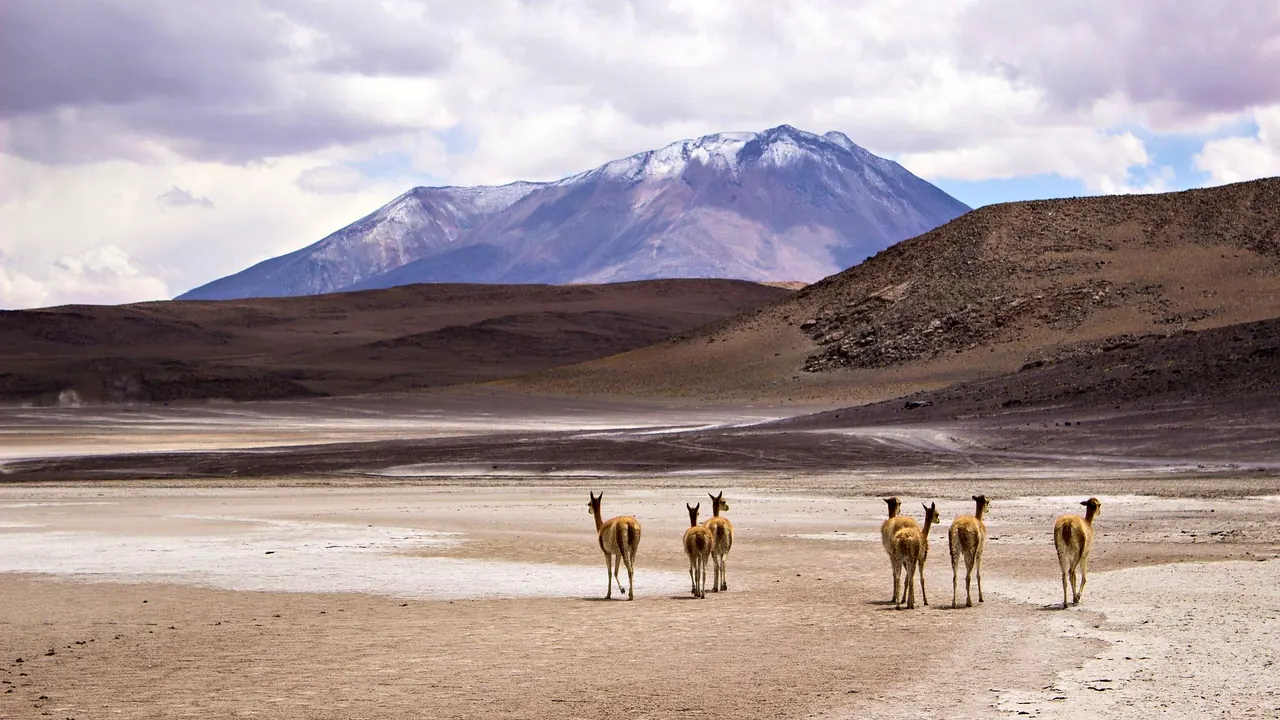
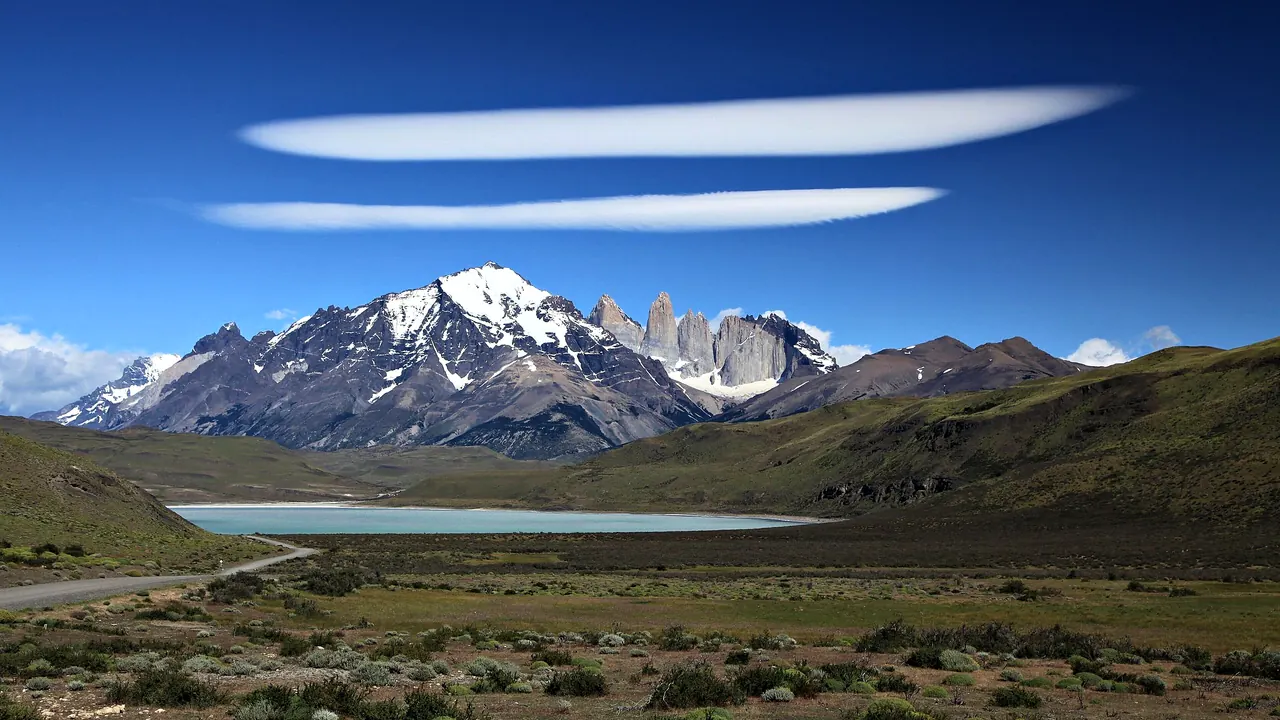
Photos: Bolivia by João Aguiar, Pexels License; Chile by Liam Quinn, CC BY-SA 2.0, cropped.
Bolivia or Chile?
Our verdict in twelve categories, each scored against the same fixed benchmark cities, and the climate month by month, so you can choose for your trip.
Choose Bolivia for
- prices
- culture and sights
Bolivia suits travellers who want raw high-altitude adventure and can live with rough roads. The Salar de Uyuni, the flamingo lagoons of the far south, the silver city of Potosí and white colonial Sucre make a route that feels remote and very old, and it costs remarkably little. The trade-off is altitude, long journeys and few comforts, so it rewards fit, flexible adults more than anyone in a hurry.
Choose Chile for
- wellness
- beaches
- families
Chile is the easier and more varied trip, at a noticeably higher cost. It pairs landscapes on the same scale, from the Atacama to the glaciers of Torres del Paine, with wine valleys, Pacific seafood, hot springs in the Lake District and a capital with a metro and real nightlife. Families, first-timers in South America and anyone who wants comfort between the big sights will find it far simpler to plan.
Scoreboard
Twelve categories on one fixed scale from 0 to 100. The shaded stretch is the gap between the two.
Your match
Pick a travel style or drag the sliders, and both match scores follow your weighting.
Wins on prices and culture and sights with your weighting.
Wins on wellness and beaches with your weighting.
What matters to you?
Category by category
What the scores mean for a trip.
Beaches & swimming
Bolivia has no coast at all. The nearest thing to a beach is the strip of sand at Copacabana on Lake Titicaca, where the water is far too cold for more than a gasp.
Chile has a whole Pacific shoreline, though the Humboldt Current keeps the resorts near Santiago chilly. For proper swimming, head north to Arica and Iquique, or fly out to Anakena's coral sand on Rapa Nui. It is a coast for scenery more than swimming, but it still gives a beach day Bolivia cannot.
Where in Chile: Arica, Iquique, La Serena, Rapa Nui
Food & drink
Chile eats better, mainly because of the sea and the vineyards. King crab, sea urchin and paila marina at the market halls of Santiago and Valparaíso, curanto on Chiloé and easy tastings in the Maipo and Colchagua valleys give it more range than Bolivia can offer.
Bolivia's cooking is heartier and tied to the highlands: potatoes in many varieties, quinoa, llama and Titicaca trout, with salteñas as the mid-morning ritual. La Paz has a serious modern Andean tier, Cochabamba is the home cooks' favourite, and Tarija makes its own wine and singani. Away from those cities, though, menus thin out fast.
Where in Bolivia: La Paz, Cochabamba, Tarija, Sucre
Where in Chile: Santiago, Valparaíso, Colchagua Valley, Chiloé
Culture & sights
Bolivia has the deeper run of history on the ground. Potosí's mint and the mines of Cerro Rico, Sucre's intact white colonial centre, the pre-Inca stones of Tiwanaku and the painted Jesuit churches of Chiquitos make a heritage route that ties together colonial silver and older Andean civilisations.
Chile's single greatest sight, the moai of Rapa Nui, outranks anything in either country, but it needs a separate long flight. On the mainland there are Valparaíso's painted hills, Chiloé's wooden churches and Santiago's pre-Columbian art museum, all excellent but spread thin across a very long country.
Where in Bolivia: Potosí, Sucre, La Paz and Tiwanaku, Chiquitos missions
Where in Chile: Rapa Nui, Valparaíso, Santiago, Chiloé
Nightlife
Chile gives you more nights out, nearly all of them in Santiago. Bellavista has the loud, young scene, Lastarria and Barrio Italia have wine and cocktail bars, and Valparaíso adds scruffy bohemian bars on the hills above the port.
Bolivia's late scene is in lowland Santa Cruz, with big clubs around Equipetrol. La Paz has bars in Sopocachi, but at that altitude a heavy night hits harder, and on the Uyuni circuit evenings end early before dawn starts.
Where in Bolivia: Santa Cruz, La Paz, Sucre
Where in Chile: Santiago, Valparaíso, Viña del Mar
Nature & outdoors
Both countries are among the great landscape destinations, so the choice is about what kind of wild you want. Bolivia's signature is the Salar de Uyuni and the coloured lagoons and geysers beyond it. It adds glaciated trekking in the Cordillera Real, the Death Road ride and something Chile lacks, true Amazon rainforest in Madidi, with caimans and pink river dolphins.
Chile has its own high desert in the Atacama, but its strength lies further south. There are the granite towers and glaciers of Torres del Paine, volcanoes over lakes around Pucón and Puerto Varas, the fjords of the Carretera Austral, and ski slopes within reach of Santiago.
Where in Bolivia: Salar de Uyuni, Eduardo Avaroa Reserve, Cordillera Real, Madidi National Park
Where in Chile: Torres del Paine, Atacama Desert, Lake District, Carretera Austral
Day trips
Chile is better set up for days out from a fixed base. From Santiago, Valparaíso and Viña del Mar are about an hour and a half away, and the Casablanca and Maipo vineyards are closer still. Puerto Varas reaches German-settler Frutillar, the Puerto Montt fish market and Chiloé's stilt houses.
Bolivia has a few classic outings, such as Tiwanaku from La Paz, Tarabuco's Sunday market from Sucre and the vineyards around Tarija. Beyond those the distances are long and the roads slow, so most trips turn into overnights.
Where in Bolivia: La Paz, Sucre, Tarija, Santa Cruz
Where in Chile: Santiago, Puerto Varas, Valparaíso
Good for families
Chile is much the easier country with children. Santiago has the Buin zoo, the MIM science museum and the Cerro San Cristóbal funicular, the Lake District has calm lakeshores and gentle boat trips, and La Serena combines a sandy bay with stargazing in the Elqui Valley.
Bolivia's main route runs high enough for altitude sickness to be a real concern for young children, and little is built for them. Families do best staying low, in Santa Cruz and Samaipata or on the pampas river trips from Rurrenabaque. The Uyuni jeep tour suits hardy teenagers.
Where in Bolivia: Santa Cruz, Samaipata, Rurrenabaque, Salar de Uyuni
Where in Chile: Lake District, Santiago, La Serena
Getting around
Chile is long but well organised. Flights hop between Santiago, Calama, Puerto Montt and Punta Arenas, overnight buses are comfortable, and Santiago has a clean metro. A hire car helps in the Lake District, and the Carretera Austral is slow going.
In Bolivia every journey takes longer. Rough mountain roads and sudden blockades make domestic flights the sensible way to save days, and Uyuni is reached only by 4x4 tour. La Paz's cable cars are a pleasure to ride.
Where in Bolivia: La Paz, Sucre, Santa Cruz
Where in Chile: Santiago, Lake District, Atacama Desert
Shopping & style
Neither country is a shopping trip, and both are best for crafts. In Bolivia that means markets: alpaca knitwear and ritual offerings around La Paz's Witches' Market, Jalq'a and Tarabuco weavings in Sucre, silver in Potosí and the huge Cancha in Cochabamba.
Chile adds a modern layer Bolivia lacks, with Santiago's malls, a short luxury strip in Vitacura and design boutiques in Lastarria. Its crafts include lapis lazuli jewellery, Chiloé wool, Pomaire pottery and Mapuche silver, and a bottle of wine or pisco is the obvious souvenir.
Where in Bolivia: La Paz, Sucre and Tarabuco, Cochabamba, Potosí
Where in Chile: Santiago, Chiloé, Pomaire, Temuco
Affordability
Bolivia is a far cheaper trip. Market meals, buses and guesthouses cost very little everywhere, Sucre lets you live well for weeks on a small budget, and even the Uyuni jeep tours and Amazon lodges are reasonable for what they include.
Chile's mid-range hotels and restaurants are closer to Southern European levels, though the set lunch and Santiago's metro help. The headline places push costs up: Atacama tours, Torres del Paine lodges and anything on Rapa Nui.
Where in Bolivia: Sucre, La Paz, Potosí, Cochabamba
Where in Chile: Santiago, Valparaíso, Lake District
Live music & performing arts
Chile has more to attend through the year. Santiago's Teatro Municipal stages opera and ballet, GAM and small theatres show Chilean drama, and Frutillar's Teatro del Lago hosts a respected summer festival on the lakeshore.
Bolivia's performance life comes through festivals and folk music. The Carnival of Oruro, with its devil dances and brass bands, is spectacular if your dates fit, and the Chiquitos baroque festival is unusual. Otherwise the steady option is a peña evening of panpipes and charango in La Paz or Sucre.
Where in Bolivia: Oruro, La Paz, Chiquitos missions, Sucre
Where in Chile: Santiago, Frutillar, Valparaíso
Wellness & relaxation
Chile is the place to unwind, thanks to its volcanoes. There are hot pools in rainforest gorges around Pucón and Puyehue, the Puritama springs in a desert canyon above San Pedro, and slopeside pools on Nevados de Chillán. The Elqui Valley adds yoga retreats and quiet guesthouses.
In Bolivia, rest is mostly a matter of pace. A dawn soak at Polques on the Uyuni route is memorable, but it is a pause on a jeep tour, and Sucre's quiet plazas and Samaipata's retreats are the calmest stops.
Where in Bolivia: Sucre, Samaipata, Uyuni southern route, Potosí
Where in Chile: Lake District, Elqui Valley, San Pedro de Atacama, Nevados de Chillán
When should you go?
Pick your month, and for a country the place in it. The climate figures are measured averages, not a forecast.
Where in Bolivia
Where in Chile
La Paz (Bolivia) in July
Santiago (Chile) in July
Daytime high, °C
Rainfall in the month, mm
Where the figures come from
La Paz (Bolivia) has no weather station within reach, so its figures come from a gridded climate model rather than a measured record, and read a broad area rather than one spot.
Temperature and rainfall are climate normals, averaged over the years shown. La Paz (Bolivia): 2001-2020 normals, NASA POWER reanalysis grid, no weather station within 90 km. Santiago (Chile): 1991-2020 normals, Santiago Q. Normal (3.1 km from centre).
Bolivia is at its best in the dry months from May to September, when La Paz sees very little rain and the skies over the altiplano are clear. La Paz stays cool all year, around 14°C by day with cold nights, while Sucre is milder and comfortable for walking in any month. Showers return in October, and the real rains run from December to March, with La Paz at 136mm in January. Roads suffer then, but this is also when the Salar de Uyuni floods into its famous mirror.
Chile's seasons depend on the region. Santiago is hot and nearly rainless in summer, around 28°C in January, and turns cool and wet from May to August, with the most rain, 87mm, in June. Patagonia and the Lake District are for November to March, when Puerto Natales is mild and Puerto Varas has its sunniest days and least rain. San Pedro de Atacama is dry and warm by day all year, and on Easter Island the sea reaches 25°C in February and March. If you are combining the two countries in Bolivia's dry season, the Atacama fits best. Santiago works from September, once its rains ease. Chile's southern summer, by contrast, falls in Bolivia's wet season.
Which traveller are you?
On a trip with a tight budget, Bolivia wins clearly. Market lunches, salteñas, buses and colonial guesthouses in Sucre and Potosí cost very little, while Chile runs closer to European prices, and Patagonia and Rapa Nui push a budget hard.
On a family trip with children, Chile is far easier. The Lake District around Pucón and Puerto Varas, the sandy bay at La Serena and Santiago's zoo and science museum all sit at low altitude, while Bolivia's classic route climbs above 3,600m on long, cold journeys.
For a relaxing and wellness trip, Chile has much more to offer. Hot springs run along its volcanic spine, from fern-lined gorges near Pucón to the Puritama canyon, and the Elqui Valley is made for slowing down. Bolivia offers little beyond Samaipata and a few simple pools.
More comparisons
Each shares a side with Bolivia or Chile.
Where else could you go?
Set Bolivia or Chile against any other country.