Poland
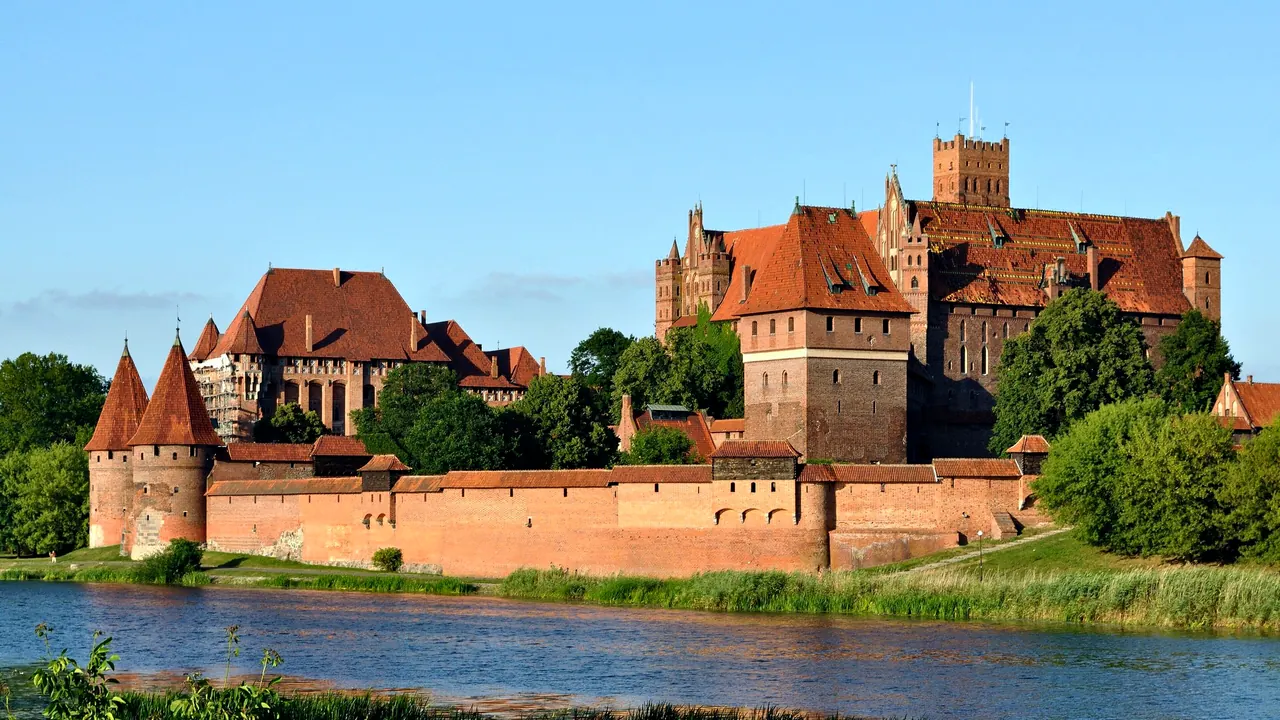
Malbork Castle on the river Nogat
- Culture & sights79
- Nature & outdoors74
- Day trips73
Photo: DerHexer, derivative work by Carschten, CC BY-SA 3.0, cropped
Match
62
Every category weighted equally
- Beach & sun59
- Culture & arts66
- Food & nightlife62
- Family trip62
- Outdoors64
- Relax & unwind60
- Shopping & style61
- On a budget63
Poland in twelve categories
Our verdict on the country as a whole, scored 0 to 100 against the same fixed benchmark cities as every destination, so a score means the same thing on every page.
Beaches & swimming. Scores 34 out of 100.
Food & drink. Scores 57 out of 100.
Culture & sights. Scores 79 out of 100.
Nightlife. Scores 65 out of 100.
Nature & outdoors. Scores 74 out of 100.
Day trips. Scores 73 out of 100.
Good for families. Scores 63 out of 100.
Getting around. Scores 70 out of 100.
Shopping & style. Scores 45 out of 100.
Affordability. Scores 71 out of 100.
Live music & performing arts. Scores 62 out of 100.
Wellness & relaxation. Scores 54 out of 100.
Poland category by category
Under each: where in Poland it is best, and our destinations in Poland that score highest on it.
Beaches & swimming
34Poland's coast is a 500km ribbon of pale, fine sand backed by dunes and pine forest, and it is genuinely lovely to look at. The catch is the Baltic itself: in July and August the water usually sits around 17°C to 20°C, the season is short, and cool, windy days are common even in high summer. The Hel Peninsula, a thin sandy spit with open sea on one side and a sheltered bay on the other, is the most characterful stretch, while Leba and the Slowinski coast have wide, empty beaches beside moving dunes. Sopot is the classic resort, with a long wooden pier and a busy town beach.
Inland, the Masurian Lakes in the north-east are often warmer than the sea and make for easy swimming from jetties and small lakeside beaches. Beaches here suit a relaxed summer week with Polish families, not a trip built around warm water.
Where: Hel Peninsula, Leba and the Slowinski coast, Sopot, Masurian Lakes
Food & drink
57Polish food is hearty and seasonal: pierogi in endless fillings, sour rye zurek, beetroot barszcz, smoked mountain cheese, wild mushrooms in autumn and pickles with everything. The milk bars, plain canteens serving home cooking, are an institution in every city and the most direct way into the everyday cuisine. Vodka, and the flavoured kinds especially, has a serious tasting culture, and craft beer is well rooted.
Warsaw has the widest range, from modern Polish tasting menus to Vietnamese food left by a long-settled community. Krakow's Kazimierz district is full of cellar restaurants and late food stands, and Wroclaw and Gdansk each have good dining around their market squares. It is solid, satisfying eating at fair prices, though few come to Poland mainly to eat.
Where: Warsaw, Krakow, Wroclaw, Gdansk
Our top destinations in Poland
Culture & sights
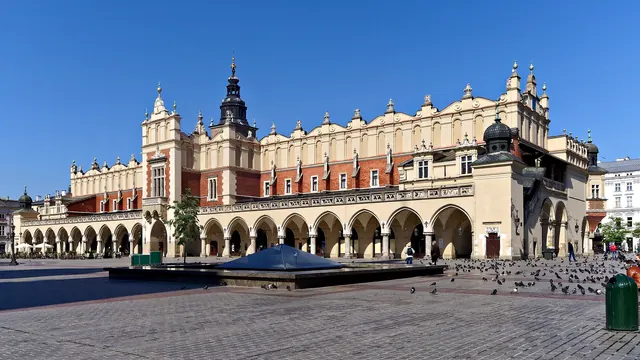
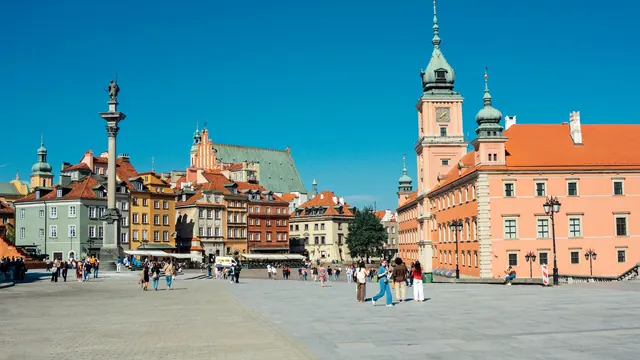
79Krakow is the heart of it: the Main Market Square with the Cloth Hall and St Mary's Basilica, Wawel Castle and Cathedral above the river, and the Jewish quarter of Kazimierz, all within walking distance. Warsaw tells a harder story. Its Old Town was rebuilt from rubble after 1944, and the Warsaw Rising Museum and POLIN, the museum of Polish Jewish history, are among the most affecting museums in Europe, alongside the Royal Castle and the Wilanow palace.
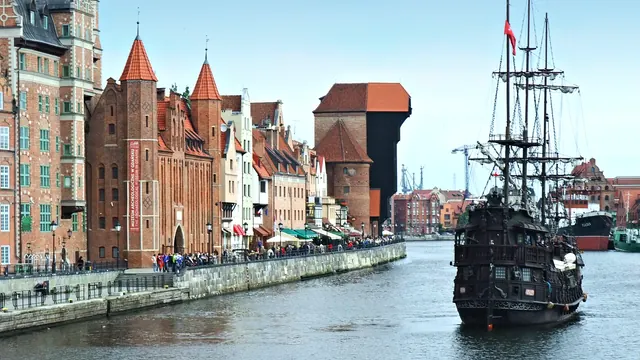
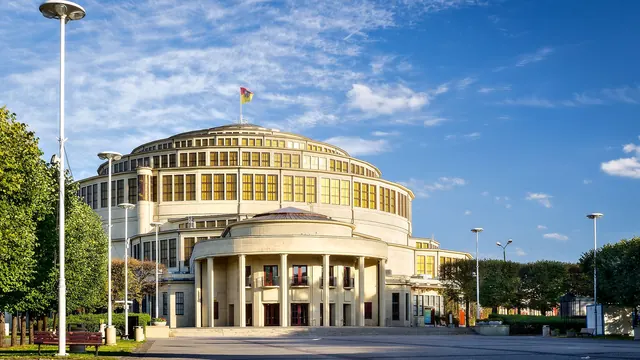
The breadth goes further. Gdansk has a Hanseatic main street of tall merchant houses and a striking museum of the Second World War. Wroclaw has a vast Gothic square and an island full of churches, Torun is an intact Gothic brick town, and Zamosc is a planned Renaissance town in the far east.
Where: Krakow, Warsaw, Gdansk, Wroclaw
Our top destinations in Poland
Nightlife
65Going out in Poland is spread across its big student cities, and it runs late. Krakow is the best known: hundreds of bars in vaulted cellars under the Old Town, and a looser, more bohemian scene of small bars and late courtyards in Kazimierz. Warsaw has the most serious club scene, with electronic nights in post-industrial spaces, plus summer bars along the Vistula embankments and a dense bar strip around Nowy Swiat.
Wroclaw's market square and side streets stay busy until late, Gdansk and neighbouring Sopot fill up through the summer, and Lodz has a lively strip in its old factory courtyards. Shot bars and vodka culture give nights a particular rhythm. Krakow's Old Town draws stag groups at weekends, which suits some visitors more than others.
Where: Krakow, Warsaw, Wroclaw, Gdansk and Sopot
Our top destinations in Poland
Nature & outdoors
74Poland's best landscape lies along its southern edge. The Tatras above Zakopane are a compact granite range with real alpine hiking: glacial lakes such as Morskie Oko, exposed ridge routes, and winter skiing. Nearby, the Pieniny gorge is run by traditional raft, and further east the Bieszczady are wilder, emptier hills with long ridge walks across open meadows.
The lowlands offer something different. Bialowieza Forest on the eastern border is one of the last primeval forests in Europe and home to wild European bison. The Masurian Lakes form a chain of connected waters for sailing and canoeing all summer, and the Biebrza marshes draw birdwatchers in spring. On the Baltic, the shifting dunes of Slowinski National Park are a landscape of their own. Summer and early autumn are the seasons.
Where: Tatra Mountains, Masurian Lakes, Bialowieza Forest, Bieszczady
Our top destinations in Poland
Day trips
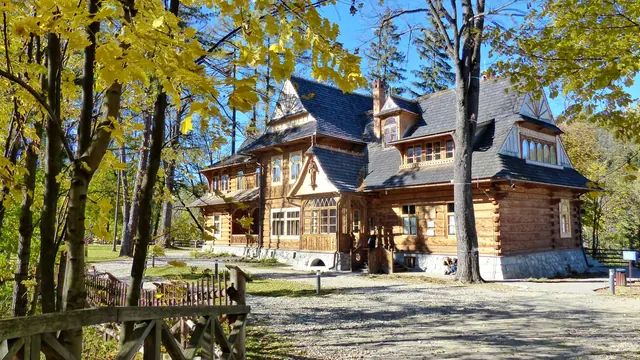
73Krakow is the strongest base. The Auschwitz-Birkenau memorial and museum is about an hour and a half away and is the trip most visitors feel they must make. The Wieliczka salt mine, with chapels carved entirely from salt, is on the city's edge, and the mountain town of Zakopane, with its wooden villas and carved highland style, is a couple of hours south.
From Gdansk, Malbork, the largest brick castle in the world, is under an hour by train, and the resort of Sopot and the port of Gdynia are a short local ride. Wroclaw has the timber Peace Churches of Swidnica and Jawor and the hilltop Ksiaz castle within reach. From Warsaw the choices are thinner: Lodz, Chopin's birthplace at Zelazowa Wola and, at a stretch, the riverside town of Kazimierz Dolny.
Where: Krakow, Gdansk, Wroclaw, Warsaw
Our top destinations in Poland
Good for families
63Poland works well with children, and costs stay low enough for long family trips. Near Krakow, in the village of Zator, is one of the largest theme parks in Europe, with rides for every age. Warsaw's Copernicus Science Centre on the Vistula is an excellent hands-on museum, and Wroclaw's zoo has a large Africa-themed aquarium. In Wroclaw children also enjoy hunting for the hundreds of small bronze dwarfs hidden around the old town.
The Wieliczka salt mine fascinates older children, and summers on the Baltic sand or at a Masurian lake house are a classic Polish family pattern. The cities are safe and easy, trams take buggies, and restaurants welcome children. Cobbled old towns and long distances between highlights are the main effort.
Where: Krakow, Warsaw, Wroclaw, Baltic coast
Our top destinations in Poland
Getting around
70The main cities are linked by a good intercity rail network. Warsaw to Krakow takes about two and a half hours on fast trains and Warsaw to Gdansk a little under three, with coaches filling the gaps. Within the cities, the historic centres are compact and walkable, Warsaw, Krakow, Wroclaw and Gdansk all have dense tram networks, and Warsaw adds a metro.
Longer crossings take more time. Gdansk to Krakow is about five hours by direct express train, a long half-day, so north-to-south routes are worth breaking in Warsaw or Torun. The Masurian Lakes, the Bieszczady and Bialowieza Forest are much easier with a car, because rural buses are sparse. A trip built around two or three cities is easy, while one built around nature takes planning.
Where: Krakow, Warsaw, Gdansk, Wroclaw
Our top destinations in Poland
Shopping & style
45Shopping in Poland is mostly about crafts. Baltic amber is the classic buy, set in silver along Mariacka Street in Gdansk and in the stalls of Krakow's Cloth Hall. Boleslawiec stoneware, with its blue stamped patterns, comes from Lower Silesia, and highland wool, carved wood and painted folk items are sold around Zakopane.
Warsaw has the country's international brands, large malls and a small cluster of luxury labels, and Krakow and Wroclaw have a scattering of independent design shops. Beyond that the range is modest: few come to Poland to shop for fashion.
Where: Gdansk, Krakow, Warsaw, Boleslawiec
Our top destinations in Poland
Affordability
71Poland is one of the more affordable countries in the European Union for a visitor. Milk bars and simple restaurants feed you well for little, beer and local trains are cheap, and comfortable city hotels cost well below Western European levels. Krakow, Wroclaw, Torun and Lublin are the easiest on the budget.
Warsaw is the most expensive city, especially for business-style hotels and fine dining, and the Baltic resorts and Zakopane charge more in their short peak seasons. Museums and sights are generally modestly priced.
Where: Krakow, Wroclaw, Lublin, Torun
Our top destinations in Poland
Live music & performing arts
62Music is the visitor's way in. Warsaw has the Grand Theatre, one of the largest opera houses in Europe, the National Philharmonic and Chopin recitals through the summer in Lazienki Park and smaller halls, and it hosts the famous Chopin Piano Competition every five years. Katowice and Wroclaw each have modern concert halls with excellent acoustics and strong orchestras.
Jazz runs deep: Krakow has small cellar jazz clubs in the Old Town and Kazimierz, and Warsaw a long jazz tradition. Polish theatre has a strong reputation, but almost all of it is performed in Polish. Krakow also hosts a well-known Jewish culture festival each summer.
Where: Warsaw, Krakow, Katowice, Wroclaw
Our top destinations in Poland
Wellness & relaxation
54Poland has a long tradition of spa towns, known as uzdrowiska, where people go to take the waters and rest. Krynica-Zdroj in the southern hills, Polanica and Kudowa in Lower Silesia, and Ciechocinek, with its huge wooden graduation towers for breathing in salt mist, all have pump rooms, parks and a slow pace. Many still feel more like sanatoria than leisure spas.
The most enjoyable bathing is in Podhale, around Zakopane, where several thermal pool complexes fed by hot springs let you soak outdoors with views of the Tatras, best on a snowy winter evening. The Baltic resorts of Kolobrzeg and Sopot add spa hotels. City breaks offer little beyond hotel spas.
Where: Podhale and Zakopane, Krynica-Zdroj, Ciechocinek, Kolobrzeg
Our top destinations in Poland
Where to go in Poland
For a first visit, Krakow is the natural base. Wawel, the Main Market Square and Kazimierz are all within walking distance, the cellar bars and jazz clubs run late, and Auschwitz-Birkenau and the Wieliczka salt mine are easy day trips. Warsaw is two and a half hours away by fast train and fits well into the same trip. It brings the country's most affecting history museums, Chopin recitals, the widest choice of restaurants and the most serious club scene. Wroclaw makes an easygoing, good-value city break of its own, with its great Gothic square, an island of churches and the bronze dwarfs that keep children busy.
The north is a summer trip. Gdansk has a street of tall merchant houses and amber shops, Malbork castle is under an hour away by train, and Sopot adds a pier, a town beach and lively summer nights. Further along the coast, the Hel Peninsula and the moving dunes around Leba suit a relaxed family week, as long as you don't expect warm water. Gdansk is about five hours from Krakow, so most people break the journey in Warsaw or in Torun, an intact Gothic brick town.
For mountains, head south. Zakopane is a couple of hours from Krakow. It is the base for alpine hiking in the Tatras in summer and for skiing and outdoor thermal pools in winter. The Pieniny gorge, run by raft, is close by. The Bieszczady in the far south-east are emptier hills for long ridge walks, and they make a separate trip.
The north-east suits a quiet stay outdoors. You can sail and canoe the Masurian Lakes, look for bison in Bialowieza Forest or watch birds in the Biebrza marshes. All of these are much easier with a car. Lublin and the Renaissance town of Zamosc reward a slower, cheaper trip through the east.
When should you go?
Poland has no single climate. Its months are measured at Warsaw, Krakow, Gdansk and Zakopane; pick one to see it. The figures are measured averages, not a forecast.
Where in Poland
Warsaw in July
Daytime high, °C
Rainfall in the month, mm
Temperature and rainfall are climate normals, averaged over the years shown. Warsaw: 1991-2020 normals, Warszawa-Okecie (7.7 km from centre).
Compare Poland with
Every comparison with a written verdict behind it, and any other country below.
Our destinations in Poland
Every place in Poland with its own page: its twelve scores, its texts and its months.