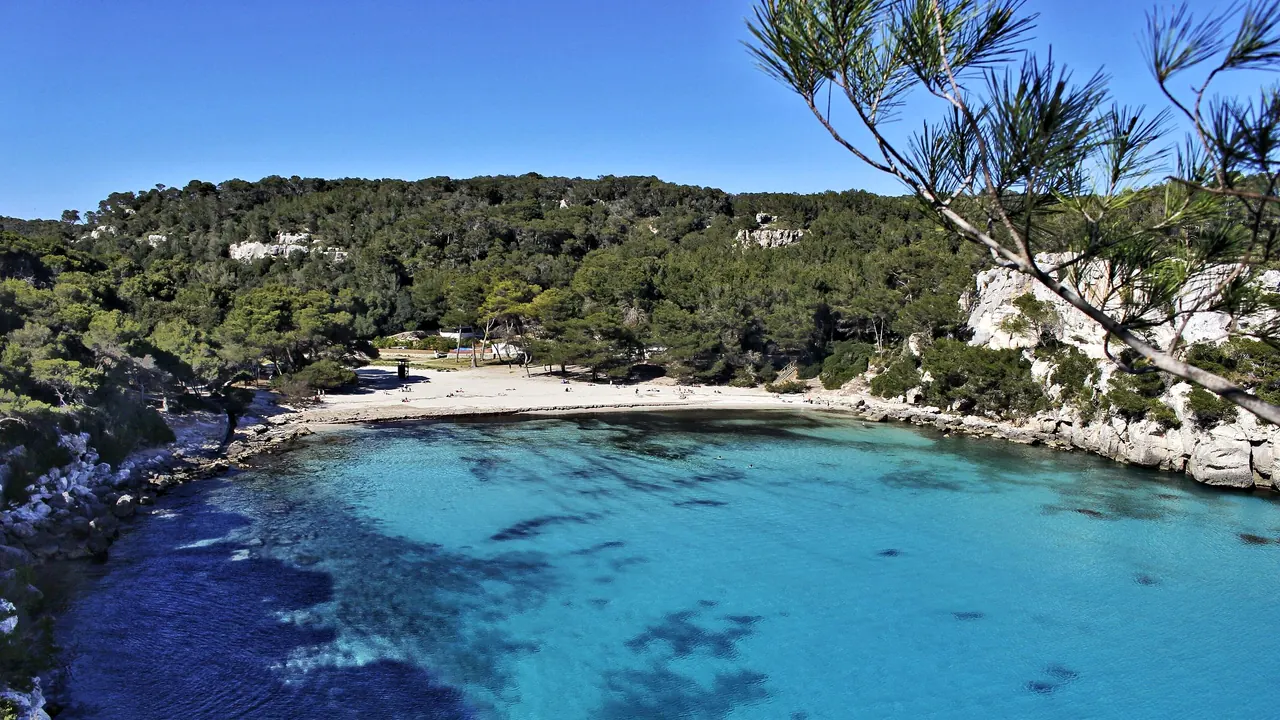
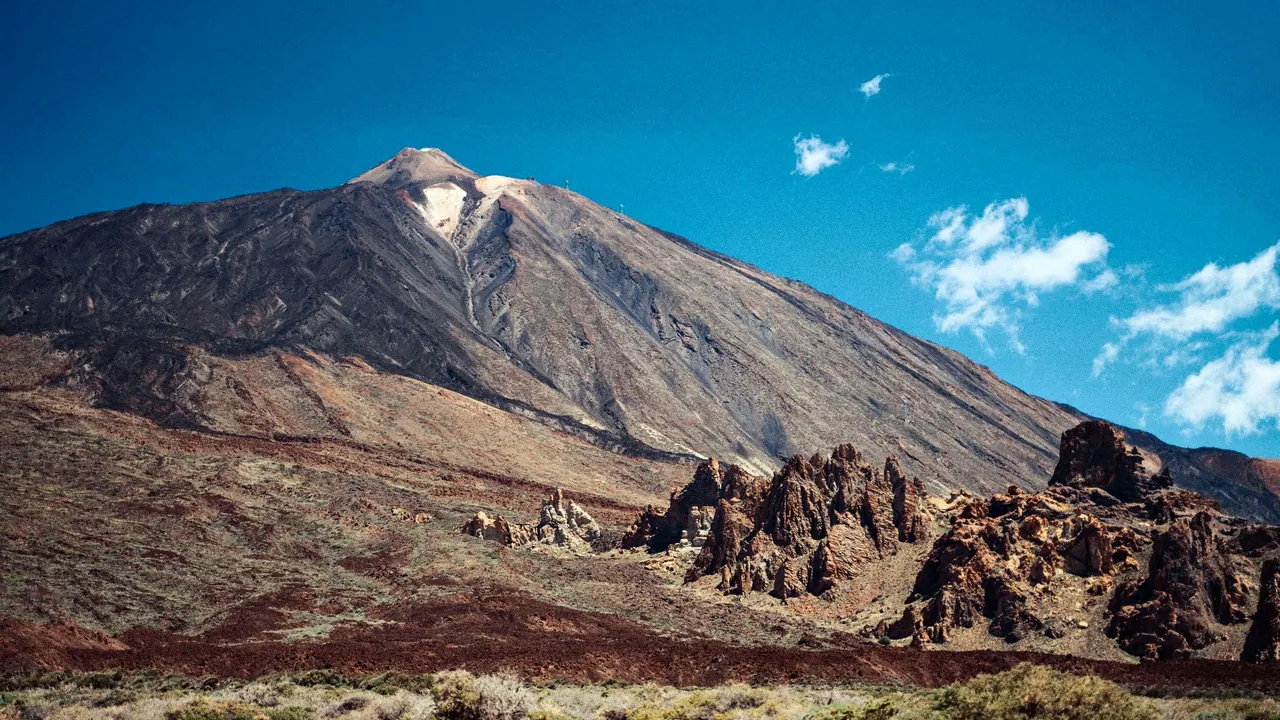
Photos: Balearic Islands by Travelinho, CC BY-SA 3.0, cropped; Canary Islands by Benni Fish, Pexels License.
Balearic Islands or Canary Islands?
Our verdict in twelve categories, each scored against the same fixed benchmark cities, and the climate month by month, so you can choose for your trip.
Choose Balearic Islands for
- nightlife
- shopping
- beaches
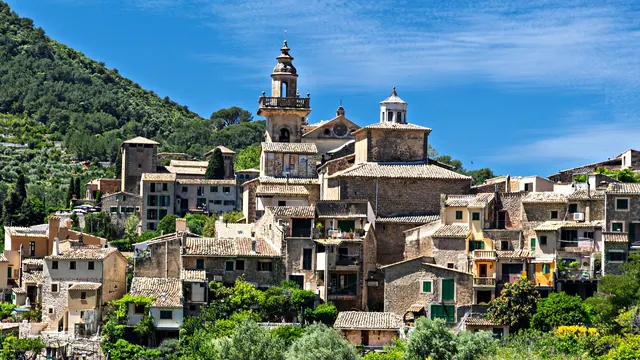
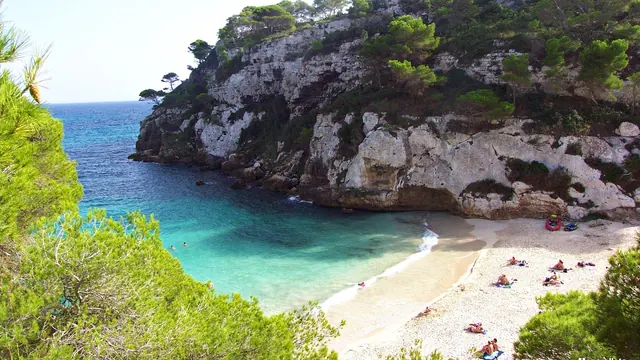
Choose the Balearics for a Mediterranean summer. The coves are finer and the water clearer and warmer, Ibiza's clubs are world famous, and Palma puts a cathedral, good restaurants and real shopping within reach of the beach. In return you pay high-season prices, and in winter the islands largely close down.
Choose Canary Islands for
- prices
- live music and the arts
- nature and the outdoors
The Canaries make more sense when you want sun in January as much as in July, or when money is tighter. Teide, the laurel forests and the lava fields give walkers far more to explore, and prices stay moderate. The resorts are also set up for families right through the winter. What you give up is Atlantic water that never gets truly warm, and evenings that are mostly resort entertainment.
Scoreboard
Twelve categories on one fixed scale from 0 to 100. The shaded stretch is the gap between the two.
Your match
Pick a travel style or drag the sliders, and both match scores follow your weighting.
Wins on nightlife and shopping with your weighting.
Wins on prices and live music and the arts with your weighting.
What matters to you?
Category by category
What the scores mean for a trip.
Beaches & swimming
Both are beach destinations first, but the Balearics have the finer water. Menorca's pine-backed coves, Formentera's Ses Illetes and Mallorca's dunes at Es Trenc give white sand and sea clear enough to see the bottom from a boat. The swimming season, though, runs only from June to October.
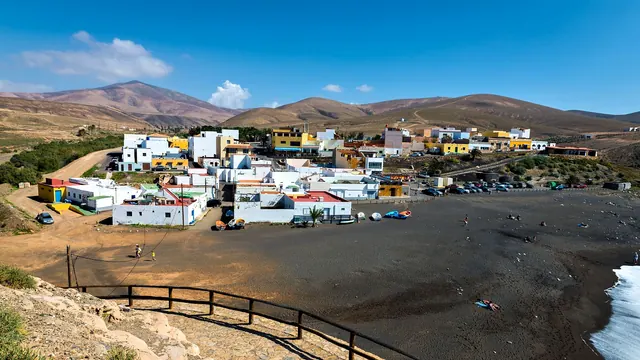
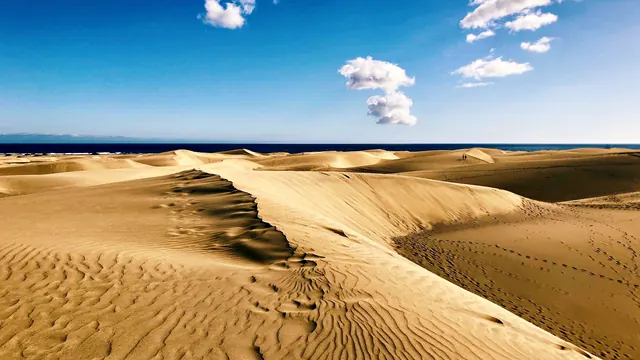
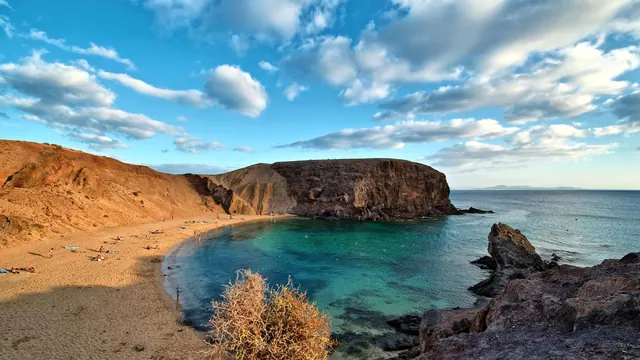
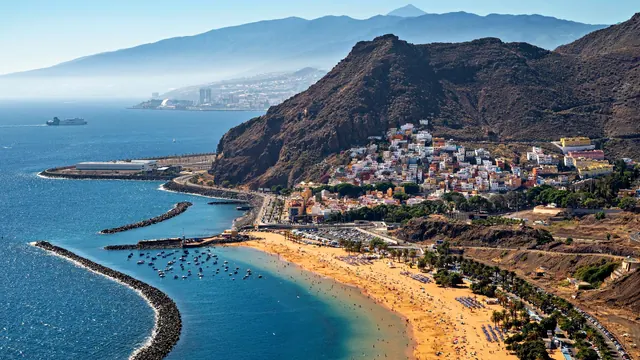
The Canaries offer swimming all year in cooler Atlantic water. Their best sand is on the eastern islands, at Corralejo, Sotavento and Papagayo, and in the dunes of Maspalomas. Tenerife's south coast is mostly small resort beaches of dark sand behind breakwaters, and the wind and swell can spoil the north coasts.
Food & drink
Both kitchens are rustic and island-grown, and on both archipelagos the resort strips serve generic menus. The Balearics come out a little ahead because Palma has a proper city food scene, with the Olivar market, tapas in Santa Catalina and ambitious fine dining. Sobrasada, ensaïmadas and Menorca's lobster stew add to it.
Canarian cooking is plainer: wrinkled potatoes with mojo, gofio and goat stew. Its best moments are rural, such as the wines grown in volcanic ash at La Geria and the home cooking of northern Tenerife's autumn guachinches.
Culture & sights
The Balearics have more to see, and most of it is in Palma. La Seu, the Almudaina and Bellver Castle are close together, and the Miró foundation is nearby. Beyond Palma there is Ibiza's walled Dalt Vila and Menorca's Bronze Age taulas and navetas.
The Canaries have less heritage, and it is spread across several islands: the colonial streets of La Laguna on Tenerife, the Vegueta quarter of Las Palmas and, most original of all, César Manrique's buildings shaped into the lava on Lanzarote. Each makes a good half-day, but none is a reason to plan the trip.
Nightlife
This is the widest gap between the two. Ibiza is one of the world capitals of dance music. From late spring to early October its superclubs around Playa d'en Bossa and Sant Antoni stay open until well after sunrise, and Palma adds cocktail bars in La Lonja. Out of season it goes almost silent.
The Canaries go out all year, but mostly in resort style, in Playa de las Américas and in Playa del Inglés with its large gay scene. Their real nights out come at carnival, when Santa Cruz and Las Palmas party in the streets for weeks.
Nature & outdoors
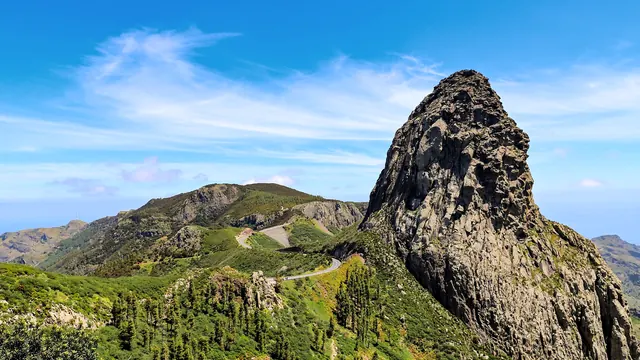
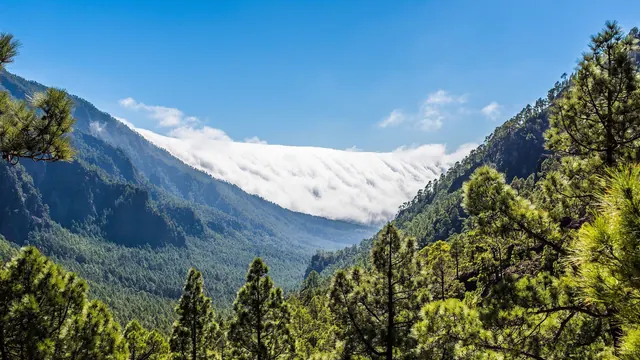
The Canaries have the more dramatic landscapes. Teide rises 3,715m above a caldera of lava. Add the laurel forest of Anaga, the lava fields of Timanfaya, La Gomera's Garajonay and the whales and dolphins living off Tenerife, and the islands look like nowhere else in Europe. Walking is good from autumn to spring.
The Balearics are gentler: the terraced limestone of the Tramuntana and its GR221 trail, Menorca's Camí de Cavalls and mountain roads loved by cyclists. Their real strength is on the water, with clear seagrass shallows for snorkelling and fine sailing.
Day trips
Mallorca has the better outings, and all are easy from Palma: the wooden train to Sóller, the stone villages of Valldemossa and Deià, walled Alcúdia and wine tastings around Binissalem. In the Canaries a day out usually means a ferry, to La Gomera from Tenerife or to La Graciosa from Lanzarote. The towns there are pleasant, but they do not fill many days.
Good for families
For families the two are about even, and the difference lies in what fills the days. In the Balearics the beach does most of the work. Mallorca's northern bays are long and shallow enough for toddlers to paddle in safely, Menorca's small coves give a quieter alternative, and the Caves of Drach make the classic outing away from the sand.
The Canaries have more to do away from the beach. Between them, Tenerife and Gran Canaria have zoos, water parks and an aquarium, and whale-watching boats or the cable car up Teide will hold older children's attention. For the youngest, Fuerteventura's lagoon beaches are as gentle as anything on Mallorca, but the water is cooler and the drives inland are long.
Getting around
On either archipelago you settle on one island and hire a car, because changing islands means a ferry or a short flight. In the Balearics, Palma's old town is easy on foot and buses run along its bay. Mallorca's mountain roads are slow and narrow, and beach parking is hard in July and August. Ibiza, Menorca and Formentera can each be crossed in under an hour, and on Formentera scooters and bikes do the job.
In the Canaries, the coastal motorways on Tenerife and Gran Canaria are quick but clog near Santa Cruz and Las Palmas. Inland, the hairpin roads can turn a short distance into an hour's drive. Buses reach most resorts on the two big islands, and a tram runs from Santa Cruz to La Laguna. Flat Lanzarote and Fuerteventura are the easiest islands to drive.
Shopping & style
The Balearics give a shopper more reason to go. Palma's Passeig des Born has the fashion, Inca makes Mallorcan leather, Menorca has its avarca sandals and Ibiza has white Adlib cotton and hippy markets. Shopping in the Canaries is more practical: Triana and Mesa y López in Las Palmas, and perfume and spirits made cheaper by low tax. Local crafts such as pottery made without a wheel are best found at Teguise's Sunday market.
Affordability
The Canaries are the easier place to stretch a budget. Lower sales tax keeps drinks and fuel cheap, and car hire costs little. Only the luxury enclaves of Costa Adeje and Meloneras match Mediterranean prices, and costs peak at Christmas, carnival and Easter.
The Balearics in summer are expensive, Ibiza and Formentera especially. Package resorts in Mallorca's big bays soften this, and prices fall noticeably in spring and autumn.
Live music & performing arts
Neither is a destination for the stage, but the Canaries have more of a regular season. Symphony orchestras play at the Auditorio de Tenerife in Santa Cruz and the Alfredo Kraus Auditorium in Las Palmas, alongside an opera season and a winter music festival. The Balearics are at their best with summer concerts in cloisters at Pollença, Deià and Valldemossa, and Palma's Teatre Principal stages opera.
Wellness & relaxation
Neither has a bathing tradition, so the calm comes from where you stay. In the Balearics that means agroturismos among the almond trees, spa hotels in the Tramuntana villages and the yoga culture of northern Ibiza, best in May, June or September. The Canaries rely on hotel spas, some with seawater thalassotherapy, and on the slow pace of La Gomera and El Hierro, with mild winters as a bonus.
When should you go?
Pick your month. The climate figures are measured averages, not a forecast.
Balearic Islands in July
Canary Islands in July
Daytime high, °C
Rainfall in the month, mm
Temperature and rainfall are climate normals, averaged over the years shown. Balearic Islands: 1991-2020 normals, Palma De Mallorca / Son San Juan (0.3 km from centre). Canary Islands: 1991-2020 normals, Tenerife Sur (16.1 km from centre).
Around the main resorts, the Balearics are a summer destination. The sea becomes warm enough for swimming in June, reaches about 26°C in August and stays pleasant into early October. July and August are long, dry and very sunny, but at around 31°C they are too hot for walking the Tramuntana or touring Palma at midday. May, June and September are better for that. The rain comes in autumn, and October is the wettest month at about 67mm. From November to March the days are cool and the sea is too cold for most swimmers.
The Canaries change very little through the year. Daytime highs go from the low twenties in winter to the high twenties in August, and there is little rain even in December. The sea stays between about 19°C and 24°C, which is fresh rather than warm. That makes them the choice from November to April, when the Balearics are out of season. In high summer both are sunny, and the Mediterranean is the warmer sea.
Which traveller are you?
For a food and nightlife trip, the Balearics win easily. Ibiza has its superclubs and the sunset bars of Sant Antoni, and Palma has late bars in La Lonja and tapas in Santa Catalina. The Canaries' resort strips cannot match that between late spring and October.
On a beach and sun trip, it depends on the month. From June to September the Balearics' clear coves and warmer sea give the better swimming. From November to April only the Canaries, with their eastern dunes and mild Atlantic water, still promise reliable beach days.
On a tight budget, your money goes further in the Canaries. Lower sales tax, cheap car hire, self-catering apartments and fair village restaurants keep a week moderate. The Balearics in season, Ibiza above all, are among the costlier corners of the Mediterranean.
Before you go
| Measure | Balearic Islands | Canary Islands |
|---|---|---|
| Official language | Spanish | Spanish |
| Currency | Euro (EUR) | Euro (EUR) |
| Sockets | CF230 V, 50 Hz | CF230 V, 50 Hz |
| Driving side | Right | Right |
| Time zone | UTC+1, UTC+2 in summer | UTC, UTC+1 in summer |
| Emergency number | 112 | 112 |
| Main airport | Palma de Mallorca Airport (PMI)201 non-stop destinations | Tenerife Sur Airport (TFS)111 non-stop destinations |
| Public holidays this year | 13 days | 12 days |
By the numbers
| Measure | Balearic Islands | Canary Islands |
|---|---|---|
| Population | 1,221,403 | 2,228,862 |
| People per km² | 245 | 299 |
| Swim season, months above 21 °C | 5 months | 7 months |
Where else could you go?
Every comparison below shares a destination with this one, so you can follow Balearic Islands or Canary Islands somewhere new.
- Costa Bravavs Balearic Islands
- Costa Blancavs Balearic Islands
- Madeiravs Canary Islands
- Basque Countryvs Balearic Islands
- Costa del Solvs Balearic Islands
- Andalusiavs Balearic Islands