Photos: Ireland by Joe King, CC BY-SA 3.0, cropped; Wales by Nilfanion, CC BY-SA 4.0, cropped.
Ireland or Wales?
Our verdict in twelve categories, each scored against the same fixed benchmark cities, and the climate month by month, so you can choose for your trip.
Choose Ireland for
- nightlife
- live music and the arts
- getting around
Ireland suits a trip where the evenings matter as much as the days. The pub is the centre of life in every town, not only in Dublin, and traditional music sessions fill the bars of Clare, Galway and Dingle most nights. The eating is better too. It is built on excellent produce rather than an elaborate cuisine, at Cork's English Market, in Kinsale and around West Cork, and in Galway's oysters, with stout and Irish whiskey alongside. Trains and express coaches link Dublin with Cork, Galway and Killarney, so moving between cities is simpler. The western peninsulas still need a car, just as the Welsh hills do. Seaweed baths in Sligo and the slow pace of Connemara round it off. The catch is the cost, which runs noticeably higher throughout.
Choose Wales for
- prices
- beaches
- families
For a family vacation or a trip that has to watch its spending, Wales has the edge. The beaches on the Gower and in Pembrokeshire are better for a whole day on the sand, and castles and steam railways keep children busy. Free museums, the coast path and cheaper inland towns make the money go further. The mountains of Eryri are as good for walking as Ireland's west, but a night out mostly means Cardiff, and the evenings elsewhere are quiet.
Scoreboard
Twelve categories on one fixed scale from 0 to 100. The shaded stretch is the gap between the two.
Your match
Pick a travel style or drag the sliders, and both match scores follow your weighting.
Wins on nightlife and live music and the arts with your weighting.
Wins on prices and beaches with your weighting.
What matters to you?
Category by category
What the scores mean for a trip.
Beaches & swimming
Neither country is a warm-water beach destination, but Wales comes out ahead. Rhossili and Three Cliffs Bay on the Gower, and Barafundle and Tenby in Pembrokeshire, are beaches families really do spend the day on in July and August, and Whitesands near St Davids has surf.
Ireland's strands are just as beautiful, especially Keem Bay on Achill and the long sands of Inch and Donegal. They are wilder and emptier, though, and better for a walk or a quick plunge. Year-round dipping at spots like the Forty Foot near Dublin is the Irish way with the sea.
Where in Ireland: Achill Island, Dingle Peninsula, Donegal, County Wexford
Where in Wales: Pembrokeshire, Gower Peninsula, Llyn Peninsula, Anglesey
Food & drink
Both countries cook from good produce rather than a deep cuisine, but Ireland has the stronger places to eat. West Cork and Kinsale, Cork's English Market and Galway's oysters are real food destinations. Stout and Irish whiskey are also reasons to come in their own right.
Wales has fine ingredients too: salt-marsh lamb, Menai mussels, Penclawdd cockles and laverbread. Its best eating is thinner on the ground, though, and gathers around Abergavenny on the Monmouthshire border and the crab and lobster harbours of Pembrokeshire.
Where in Ireland: West Cork, Cork, Galway, Dublin
Where in Wales: Monmouthshire, Cardiff, Pembrokeshire
Culture & sights
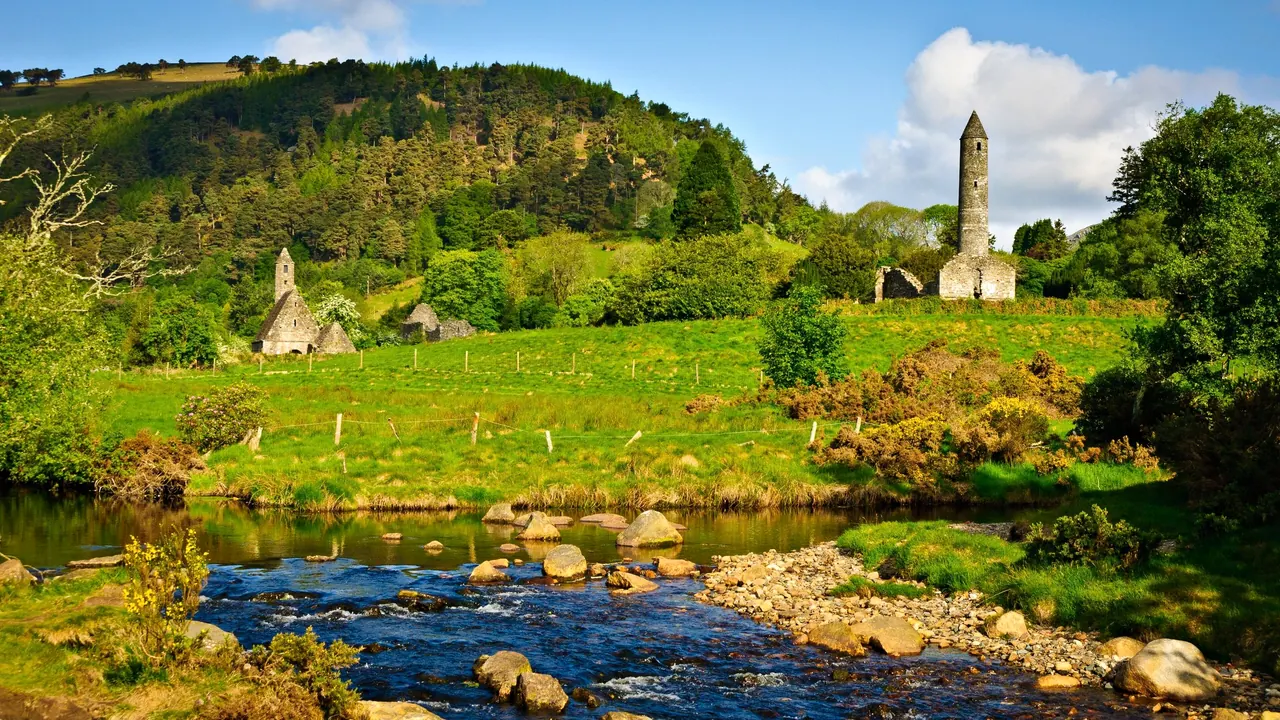
Both countries have deep heritage spread thinly across the land. The difference is its age and kind. Ireland's is prehistoric and monastic: the Newgrange passage tomb in the Boyne Valley, the round towers of Glendalough and Clonmacnoise, and the Rock of Cashel, with the Book of Kells and Celtic gold in Dublin.
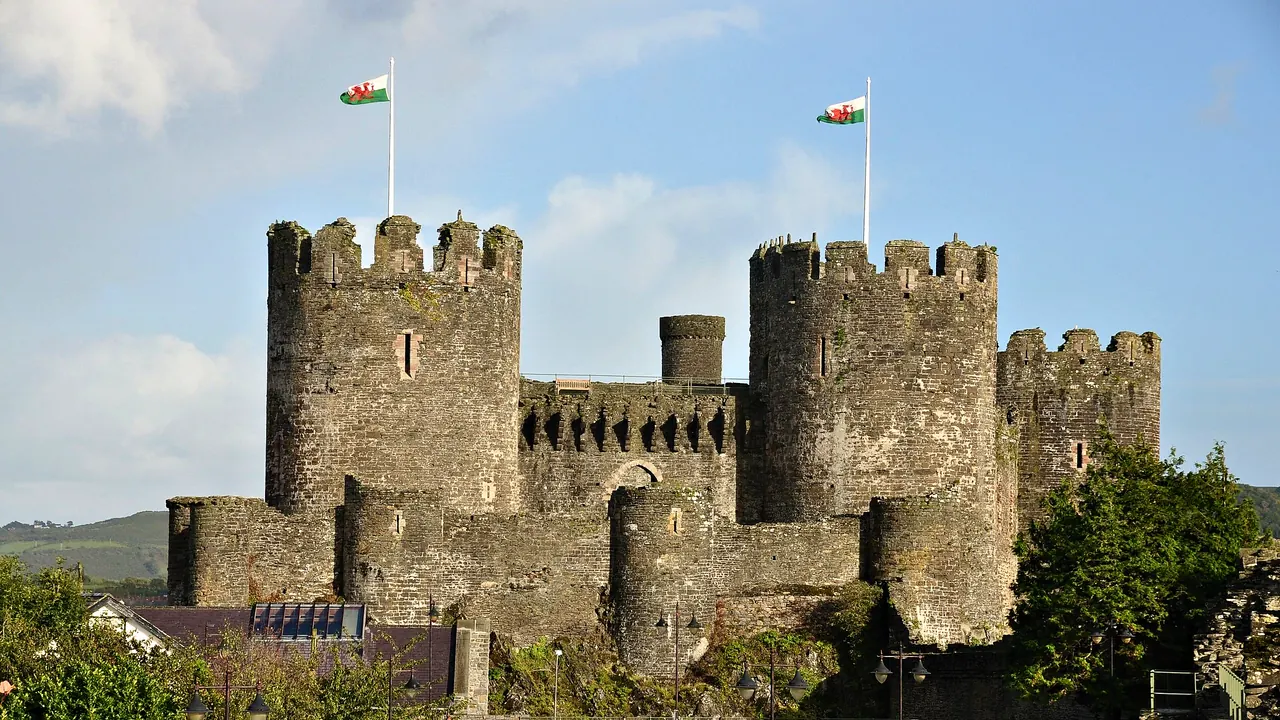
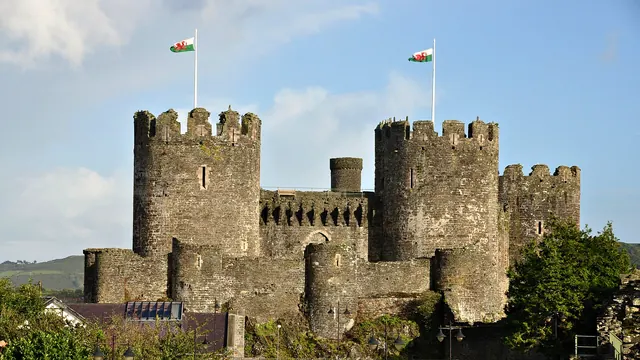
Wales is a country of medieval castles, with Conwy, Caernarfon, Harlech and Beaumaris in the north and Caerphilly and Pembroke in the south. It adds industrial heritage at Blaenavon and the Pontcysyllte Aqueduct, and Cardiff's National Museum and St Fagans tell the story of the nation.
Where in Ireland: Dublin, Boyne Valley, Kilkenny, Rock of Cashel
Where in Wales: Conwy and Caernarfon, Cardiff, St Davids and Pembrokeshire, Blaenavon and the South Wales Valleys
Nightlife
Ireland is the better country for a night out, because its pub culture runs well beyond the capital. Dublin's old pubs, Galway's student-filled Latin Quarter, Cork and the many small bars of Dingle all make for a full evening, even though late clubs are scarce.
Wales is the other way round. Cardiff, around St Mary Street, and Swansea's Wind Street have clubs that stay open late, but beyond those two cities the evening is a quiet pint by the fire that ends well before midnight.
Where in Ireland: Dublin, Galway, Cork, Dingle
Where in Wales: Cardiff, Swansea
Nature & outdoors
Both countries are at their best outdoors, with different landscapes. Ireland's is the Atlantic west: the Kerry peninsulas under the MacGillycuddy's Reeks, the Cliffs of Moher, the limestone of the Burren and Connemara's bogs and lakes, with surfing at Lahinch and Bundoran.
Wales has higher and more serious mountains. Yr Wyddfa and Tryfan in Eryri offer real scrambles, and the Brecon Beacons have broad ridges and waterfalls. The Pembrokeshire Coast Path leads to boats for Skomer's puffins, and Coed y Brenin is among Britain's best mountain-biking terrain.
Where in Ireland: Kerry, Connemara, The Burren, Donegal
Where in Wales: Eryri (Snowdonia), Pembrokeshire Coast, Bannau Brycheiniog (Brecon Beacons), Gower Peninsula
Day trips
Both countries work best as a few bases with outings from each, and the difference is where the outings take you. Ireland's include islands and harbour towns: the Aran Islands from Galway, Cobh and Kinsale from Cork, Glendalough and Kilkenny from Dublin, and Belfast by train.
The Welsh outings are mostly castles and small towns. From Cardiff you can reach Castell Coch and Hay-on-Wye, and from Conwy, Portmeirion and Caernarfon. Bath, Bristol and Chester are also within reach just over the English border.
Where in Ireland: Dublin, Galway, Cork, Killarney
Where in Wales: Cardiff, Conwy and Llandudno, Tenby, Wye Valley
Good for families
Wales is the better family country, built around outdoor days. It has castles to explore, Tenby's resort beaches, steam railways in Eryri and zip lines in the slate quarries for older children, and cottages and caravan parks make easy bases.
Ireland is safe and welcoming and everything happens in English. It has Dublin Zoo, Fota Wildlife Park near Cork and pony-and-trap rides in Killarney, but these are further apart, and long rural drives can tire young children.
Where in Ireland: Dublin, Cork, Kerry
Where in Wales: Pembrokeshire, Eryri (Snowdonia), Gower Peninsula, Cardiff
Getting around
Ireland is the easier of the two to cover without a car between its main cities. Trains and express coaches link Dublin with Cork, Galway and Killarney, and Dublin has the Luas trams and the DART. The scenic west still calls for a hire car or a coach tour.
Wales is slower to cross. Its railways run along the north and south coasts, a train from Cardiff to the north usually goes through England, and the trailheads of Eryri and the coves of Pembrokeshire need a car. It makes sense to settle on one or two regions.
Where in Ireland: Dublin, Galway, Cork
Where in Wales: Cardiff, North Wales coast, Eryri (Snowdonia)
Shopping & style
Both are craft countries with only one real shopping city each, and Ireland has a little more to offer. The streets around Grafton Street in Dublin have more fashion stores, and Aran knitwear, Donegal tweed, Waterford crystal and Kilkenny's design shops give you more to take home.
Wales answers with Cardiff's Victorian arcades and covered market, lovespoons, tapestry blankets and slate homeware. Above all it has Hay-on-Wye, whose second-hand bookshops make the most distinctive shopping day in either country.
Where in Ireland: Dublin, Kilkenny, Galway, Donegal
Where in Wales: Cardiff, Hay-on-Wye, Pembrokeshire, Abergavenny
Affordability
Wales is clearly the cheaper of the two. Cardiff hotels are moderate for a capital, inland B&Bs and pub rooms are fair value outside summer, and mid Wales and the Valleys cost less again. The expensive places are Pembrokeshire, the Gower and Abersoch during the summer school weeks.
Ireland is dear almost everywhere. Dublin's hotel rooms are among the most expensive in Europe, and eating out and car hire cost a lot throughout. The farmhouse guesthouses of Donegal, Connemara and Mayo, with their big cooked breakfasts, are the way to soften the bill.
Where in Ireland: Donegal, Connemara, County Mayo
Where in Wales: Mid Wales, South Wales Valleys, Cardiff
Live music & performing arts
Ireland has the richer live scene, because traditional music is played nightly and everywhere. Anyone can sit in on the pub sessions in Doolin and Ennis, Galway and Dingle, and Dublin adds Irish drama at the Abbey and the Gate.
The Welsh scene is more formal and more tied to the calendar. Welsh National Opera at the Wales Millennium Centre and the BBC National Orchestra of Wales anchor Cardiff. The truly Welsh experience is choral singing, from male voice choir rehearsals to the International Eisteddfod in Llangollen.
Where in Ireland: County Clare, Galway, Dublin, Dingle
Where in Wales: Cardiff, Llangollen, Swansea
Wellness & relaxation
Neither country has thermal springs, but Ireland has a bathing tradition still in use, which Wales lacks. You can take hot seaweed baths at Enniscrone and Strandhill in Sligo and at Kilkee in Clare, or follow a sea swim with a seaside sauna. Lisdoonvarna and Connemara's lakeside country houses add quiet.
In Wales, the Victorian spa towns of mid Wales no longer offer the waters. Rest there means a cottage in the hills or a harbour town in Ceredigion or on Anglesey, and hotel spas are the only place for treatments.
Where in Ireland: County Sligo, County Clare, Connemara
Where in Wales: Mid Wales spa towns, Ceredigion coast, Anglesey
When should you go?
Pick your month, and for a country the place in it. The climate figures are measured averages, not a forecast.
Where in Ireland
Where in Wales
Dublin (Ireland) in July
Cardiff (Wales) in July
Daytime high, °C
Rainfall in the month, mm
Temperature and rainfall are climate normals, averaged over the years shown. Dublin (Ireland): 1991-2020 normals, Dublin Airport (9.3 km from centre). Cardiff (Wales): 1991-2020 (sunshine 1981-2010, rainfall 1981-2010) normals, Cardiff-Wales Airport (14.9 km from centre).
Both countries are cool and changeable, and the good season is the same in each, from May to September. Dublin and Cardiff both reach about 20°C in midsummer, which is pleasant for walking but never hot. In August the Welsh sea is a little kinder: off Cardiff it reaches 18°C, while off Kerry it gets to 16°C. In both places, swimming means a short, bracing dip on a sunny day. Summer is also clearly sunnier in south Wales, with around 224 hours of sunshine in July, so the beach days on the Gower and in Pembrokeshire come more often.
In both countries the rain gets heavier from October. It is worst on Ireland's Atlantic side, where Kerry gets about 187mm in December, and in the mountains of Snowdonia. May is a good month in both: it is the driest month in Kerry, and Dublin and Snowdonia get some of their sunniest weather then. Winter is fine for Dublin, Cardiff and museums, but wet and dark for the western peninsulas and the hills.
Which traveller are you?
On a family trip with children, Wales suits slightly better. Tenby and the Gower have shallow sandy beaches and rock pools, children can run around the castles, and the Ffestiniog and Snowdon steam railways are a treat. Ireland has Dublin Zoo and Fota, but its sights involve longer drives.
More comparisons
Each shares a side with Ireland or Wales.
Where else could you go?
Set Ireland or Wales against any other country.