United Kingdom
Belfast
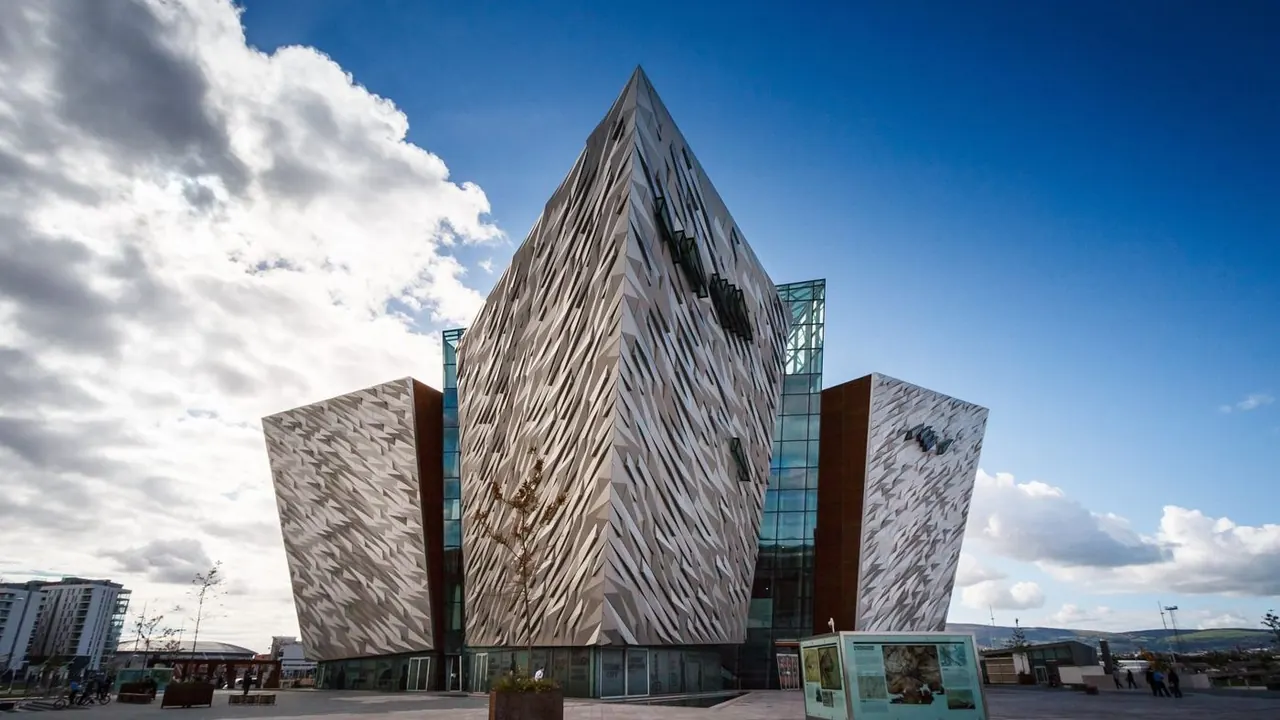
Titanic Belfast
- Nature & outdoors74
- Day trips66
- Getting around62
Photo: Nico Kaiser, CC BY 2.0, cropped
Match
51
Every category weighted equally
- Beach & sun46
- Culture & arts54
- Food & nightlife50
- Family trip52
- Outdoors54
- Relax & unwind47
- Shopping & style51
- On a budget50
Belfast in twelve categories
Our verdict on each, scored 0 to 100 against the same fixed benchmark cities, so a score means the same thing on every page.
Beaches & swimming. Scores 20 out of 100.
Food & drink. Scores 50 out of 100.
Culture & sights. Scores 55 out of 100.
Nightlife. Scores 50 out of 100.
Nature & outdoors. Scores 74 out of 100.
Day trips. Scores 66 out of 100.
Good for families. Scores 58 out of 100.
Getting around. Scores 62 out of 100.
Shopping & style. Scores 45 out of 100.
Affordability. Scores 48 out of 100.
Live music & performing arts. Scores 55 out of 100.
Wellness & relaxation. Scores 25 out of 100.
Belfast category by category
Beaches & swimming
20Belfast sits at the head of a sea lough, and the shore around it is for walking rather than swimming. The nearest sandy coves, Helen's Bay and Crawfordsburn on the County Down side, are a short train ride out, and the long strands of the north coast, Whiterocks and Portstewart, are a longer drive. The Irish Sea here stays cold, around 14°C to 15°C even in late summer, so a swim is a brisk dip for hardy locals and sea swimmers rather than an afternoon in the water. Beach time is a bracing outing, not part of the stay.
Food & drink
50Eating in Belfast is hearty and built on produce. The local signature is the Ulster fry, with soda farls and potato bread on the side. The farmland and loughs around the city supply beef, Mourne lamb, Strangford oysters and mussels. The best modern kitchens, in the city centre, the Cathedral Quarter and along the Lisburn Road, build short seasonal menus and tasting menus around them, and dry-aged beef and shellfish come with little fuss. Below that sits a layer of gastropubs and casual bistros serving the same produce more simply.
The Victorian St George's Market is the place to graze at weekends, with stalls of local cheese, fish, breads and street food. Pubs carry the drinking culture. Stout is poured carefully, and the shelves hold a deep selection of Irish whiskey, with the old Bushmills distillery a day's drive up the north coast. Beyond these strengths the range is narrow, and few visitors come mainly to eat.
Culture & sights
55Belfast's heritage is industrial and recent, and its story is told well. Titanic Belfast stands on the slipways where the liner was built, beside the Harland and Wolff drawing offices and the yellow cranes of the shipyard. In the centre, the domed City Hall and the Victorian and Edwardian banks and warehouses of the Cathedral Quarter recall the linen and shipbuilding boom.
The Ulster Museum in the Botanic Gardens covers art, natural history and the Troubles, and Crumlin Road Gaol can be toured. For many visitors the defining experience is the political murals and peace walls of the Falls and Shankill roads, best seen with a local guide. It is a city of a few strong sights rather than a dense historic core.
Nightlife
50Going out in Belfast means pubs first. The Cathedral Quarter, with its cobbled entries and old bars around Hill Street, is the liveliest area, and the Crown Liquor Saloon, a Victorian gin palace of carved wood and snugs, is an institution in its own right. The university area around Botanic Avenue fills with students in term time.
The crowd is friendly and talkative, and weekend nights are lively, but the club scene is small and most places close earlier than in bigger cities. It suits a long evening of pub rounds more than a night that runs until dawn.
Nature & outdoors
74Green hills rise behind the city: Cave Hill, with its basalt cliffs over the lough, and Divis and the Black Mountain give big views within a short bus ride. The Lagan towpath runs south from the centre for walking and cycling through the Lagan Valley regional park.
About an hour south, the Mourne Mountains offer the best hill walking in Northern Ireland, granite peaks dropping to the sea. North, the Causeway Coast is one of the great coastal landscapes of these islands: the hexagonal columns of the Giant's Causeway, the Carrick-a-Rede rope bridge and cliff paths, with the green Glens of Antrim on the way. Strangford Lough adds birdlife and kayaking. Expect wind, rain and long summer evenings.
Day trips
66The broadest day out is Dublin, about two hours away by the cross-border train. Closer in, Carrickfergus has one of the best-kept Norman castles in Ireland, and the Ulster Folk Museum at Cultra rebuilds rural and town life of the past. Armagh, the ecclesiastical capital with its two cathedrals, and Downpatrick, linked to Saint Patrick, are an easy hour away.
A run up the Antrim coast combines the ruins of Dunluce Castle, the old distillery village of Bushmills and the seaside towns of Portrush and Ballycastle, and fans of the fantasy series filmed here can follow its locations. Derry, with its complete city walls, takes most of a day. The grand gardens of Mount Stewart sit on Strangford Lough.
Good for families
58Belfast is a manageable city with children, compact, English-speaking and friendly. W5, the hands-on science centre in the Titanic Quarter, is the main draw for younger ones, and Titanic Belfast holds the attention of older children. Belfast Zoo sits on the slopes of Cave Hill with views over the lough, and the Ulster Folk and Transport Museum just outside the city has steam engines, trams and old farmhouses to explore.
The Botanic Gardens and the castle grounds on Cave Hill give space to run around. What it lacks is a big-ticket attraction or warm-weather beaches, and the frequent rain means planning for indoor days.
Getting around
62The centre is small and flat enough to walk, from City Hall to the Cathedral Quarter, the Titanic Quarter across the river and the university area to the south. The Glider rapid-bus lines run east to west through the city, ordinary buses fill in the rest, and suburban trains reach Holywood, Bangor and Carrickfergus along the lough.
There is no metro or tram, and buses thin out in the evening. For the Causeway Coast, the Glens or the Mournes, a hire car or a coach tour gives far more freedom than public transport, though trains and buses do reach the main towns.
Shopping & style
45Shopping centres on the streets around Donegall Place and Royal Avenue, with high-street chains, a covered mall under a glass dome at Victoria Square, and a few independents in the Cathedral Quarter and on the Lisburn Road. Irish linen, a craft the city grew rich on, is the souvenir worth seeking out, along with whiskey and local food. St George's Market adds crafts, prints and vintage stalls at weekends. There is little luxury or designer shopping, and it is not a reason to come.
Affordability
48Belfast is one of the gentler UK cities on the budget. Hotel rooms are noticeably easier to find at a fair price than in the big British capitals, outside major concert and event weekends, and the Ulster Museum, the Botanic Gardens and City Hall tours cost nothing. Pub food, buses and taxis are moderate. Restaurant meals and drinks still carry UK prices, and paid headline attractions and coast tours add up, so it is middling rather than cheap.
Live music & performing arts
55Live music is woven into an evening out in Belfast. Traditional Irish sessions run in pubs across the city centre on most nights, and local bands and singer-songwriters play the small venues of the Cathedral Quarter. The Ulster Orchestra performs at the Victorian Ulster Hall and the Waterfront Hall, which also hosts larger touring shows.
The ornate Grand Opera House stages touring musicals, opera and pantomime, the Lyric Theatre on the Lagan has a strong tradition of Irish drama, and the MAC mixes theatre and visual art. The Belfast International Arts Festival in autumn and the Cathedral Quarter Arts Festival in spring fill the calendar. The scene is lively and local rather than large.
Wellness & relaxation
25Belfast has no bathing or spa culture of its own. Wellness means the spas of the larger hotels in town and country-house hotels outside it, plus the hardy sea swimmers who take cold dips along the lough shore. The calmer moments come from a slow walk in the Botanic Gardens or along the Lagan, or an unhurried afternoon in a pub snug. Visitors looking to unwind tend to head out to the coast or the hills.
When should you go?
Pick a month to see what it is like. The climate figures are measured averages, not a forecast.
Belfast in July
Daytime high, °C
Rainfall in the month, mm
The whole year
Shaded against this city’s own year: the deepest cell is its best month for that figure and the palest its weakest.
Temperature and rainfall are climate normals, averaged over the years shown. Belfast: 1991-2020 normals, Belfast / Aldergrove Airport (19.4 km from centre).
Before you go
| Measure | Belfast |
|---|---|
| Official language | English |
| Currency | Pound Sterling (GBP) |
| Sockets | G230 V, 50 Hz |
| Driving side | Left |
| Time zone | UTC, UTC+1 in summer |
| Emergency number | 112 or 999 |
| Elevation | 3 m |
| Main airport | George Best Belfast City Airport (BHD)4 km from centre25 non-stop destinations |
| Public holidays this year | 10 days |
By the numbers
| Measure | Belfast |
|---|---|
| City population | 345,006 |
| People per km² | 3,000 |
| Museums within 10 km | 8 |
| UNESCO World Heritage sites within 50 km | 1 |
| Swim season, months above 21 °C | None |
Compare Belfast with
Every comparison with a written verdict behind it.