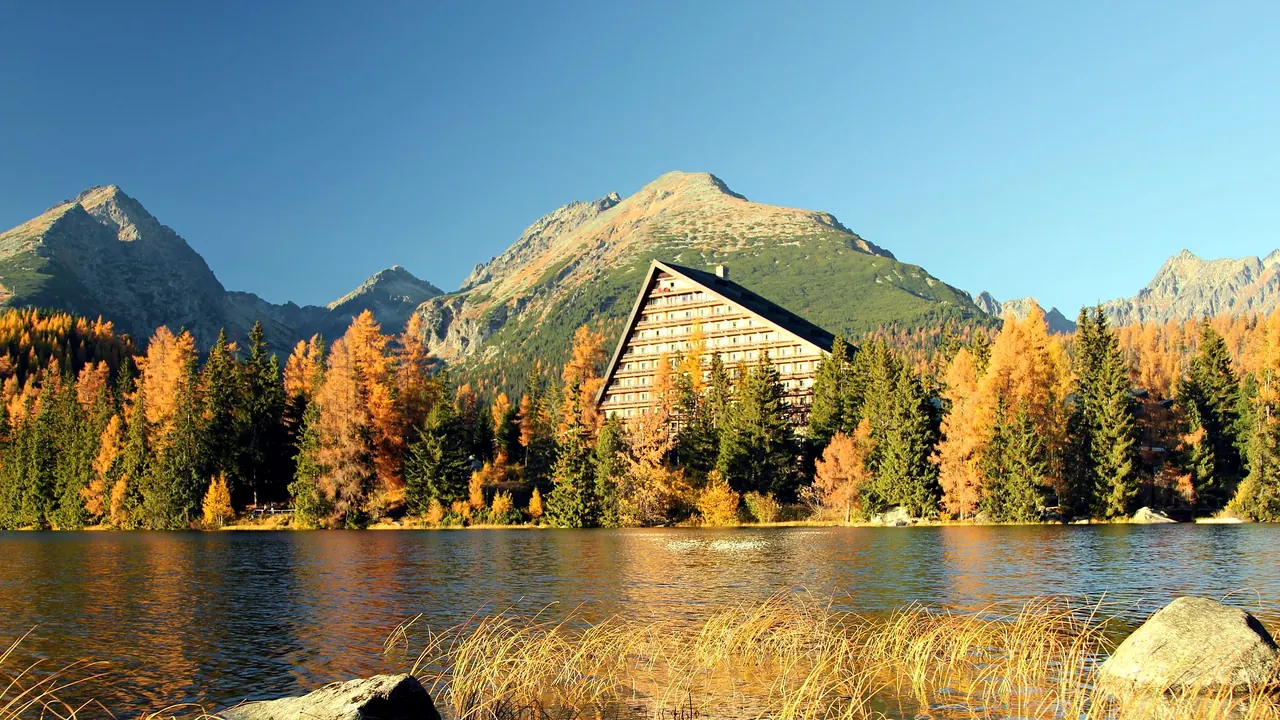
High Tatras
Štrbské Pleso and its lakeside hotel among golden larches in autumn
- Nature & outdoors90
- Day trips65
- Affordability60
Photo: Marián Moravčík, Pexels License
Match
38
Every category weighted equally
- Beach & sun39
- Culture & arts34
- Food & nightlife29
- Family trip46
- Outdoors51
- Relax & unwind43
- Shopping & style32
- On a budget41
High Tatras in twelve categories
Our verdict on each, scored 0 to 100 against the same fixed benchmark cities, so a score means the same thing on every page.
Beaches & swimming. Scores 6 out of 100.
Food & drink. Scores 27 out of 100.
Culture & sights. Scores 12 out of 100.
Nightlife. Scores 8 out of 100.
Nature & outdoors. Scores 90 out of 100.
Day trips. Scores 65 out of 100.
Good for families. Scores 58 out of 100.
Getting around. Scores 58 out of 100.
Shopping & style. Scores 9 out of 100.
Affordability. Scores 60 out of 100.
Live music & performing arts. Scores 5 out of 100.
Wellness & relaxation. Scores 60 out of 100.
High Tatras category by category
Beaches & swimming
6There is no beach here. The glacial tarns are cold, and swimming in them is not allowed inside the national park. In summer, people who want to swim go to the geothermal outdoor pools in and around Poprad, or to the larger thermal water parks in the Liptov valley, about an hour away. Treat these as a break between hikes, not a reason to come.
Food & drink
27Eating here means Slovak mountain cooking. Expect bryndzové halušky (potato dumplings with sheep's cheese), cabbage soup, game and grilled meats, served in timbered kolíba taverns and hotel dining rooms in Starý Smokovec, Tatranská Lomnica and Štrbské Pleso. The best meals often come at the mountain huts, where hikers sit down to soup, dumplings and Slovak beer after a climb. Smoked sheep's cheeses are sold along the roadsides. Beyond that, choice is thin. There are a few more ambitious hotel restaurants, and Poprad, down in the valley, has a wider spread of ordinary places.
Culture & sights
12The resorts were built for mountain air, not monuments. Most of what there is to see is the architecture of the old spa settlements: timber and Art Nouveau villas, sanatoria and grand hotels in Starý Smokovec, Tatranská Lomnica and Štrbské Pleso. The museum of the national park in Tatranská Lomnica covers the range's natural history and its highland folk culture. Within the resort area, culture ends there. The serious heritage of the region lies in the Spiš towns below the mountains.
Nightlife
8Evenings are quiet. Hikers are up early, and most people end the day over dinner and a beer or a glass of borovička. In the ski season a few après-ski bars and hotel bars in Tatranská Lomnica and Starý Smokovec stay open later, but there are no clubs and no late scene. For a night out, Poprad in the valley has a handful of pubs.
Nature & outdoors
90This is the smallest alpine range in Europe, and the resorts sit right at its foot. Granite peaks rise to 2,655m on Gerlachovský štít, glacial valleys run up from forests of spruce, and more than a hundred tarns lie among the peaks. A cable car climbs from Tatranská Lomnica to Lomnický štít at 2,634m. A funicular lifts walkers from Starý Smokovec to Hrebienok and the waterfalls of the Studená dolina. The Tatranská magistrála trail links huts and lakes along the whole range, and Rysy and the mountain lake Popradské pleso are classic hikes. Chamois and marmots live up high, and bears in the forests.
Summer and early autumn are the hiking seasons. Many high trails close from November to mid-June to protect wildlife. In winter Tatranská Lomnica and Štrbské Pleso offer compact skiing, and there is cross-country and ski touring too. Within an hour are the gorges and ladders of Slovak Paradise, the Pieniny, where visitors raft the Dunajec by traditional log raft, and the larger ski area at Jasná. Weather on the ridges turns quickly, and the most popular routes get crowded in peak summer.
Day trips
65The Spiš region below the mountains has a dense cluster of medieval heritage. Kežmarok, about twenty minutes away, has a castle and a wooden Protestant church listed by UNESCO. Levoča is a walled town with a fine Renaissance square and a Gothic altar in St James's Church, the tallest of its kind in the world. It is under an hour away, as are the vast ruins of Spiš Castle on their limestone hill, among the largest castle complexes in Central Europe. Spišská Sobota, an old quarter of Poprad, is a well-kept small town of burgher houses.
Going further, Košice, with its Gothic cathedral, is about an hour and a half by train, and Bardejov's UNESCO square lies near the two-hour limit. Across the Polish border, Zakopane and its highland wooden architecture are an easy drive. These are small places, so a car or careful use of buses makes a day of two or three of them much easier.
Good for families
58With children, the mountains work well. The funicular to Hrebienok leads to gentle forest walks and waterfalls. The flat path around the lake at Štrbské Pleso suits pushchairs, and the Belianska cave is a show cave easily visited with older children. In winter there are ski schools, nursery slopes and sledging, and in summer there are playgrounds and bobsled runs near the resorts. On wet days families head to the geothermal water parks around Poprad or the bigger ones in the Liptov valley. The resorts are calm and safe. The longer hikes are too steep for small children, and there is no theme park or zoo.
Getting around
58The resorts are strung along the foot of the range over about 30km. A narrow-gauge electric railway links them to each other and to Poprad, which has the main-line station and a small airport. A rack railway climbs from Štrba on the main line to Štrbské Pleso. Funiculars and cable cars do the rest of the lifting, and most trailheads start a short walk from a stop. Each resort is small and easy to cover on foot. Trains and buses are less frequent than in larger alpine areas, and visiting the Spiš towns and Pieniny by public transport takes planning, so many visitors hire a car.
Shopping & style
9Shopping here is outdoor gear, souvenirs, smoked sheep's cheese and bottles of local spirit, in small shops in the resort centres. For anything more, Poprad has ordinary shopping centres. Nobody comes to the Tatras to shop.
Affordability
60For a mountain vacation, the Tatras are reasonably priced. Hearty meals at taverns and huts, beer, guesthouse and apartment rooms, and the local railway all cost much less than in the western Alps. Spending rises at Štrbské Pleso and Tatranská Lomnica, where there are large spa hotels. Cable cars to the high peaks and ski passes are notable costs. July, August and the Christmas weeks are the dearest times. Staying in Poprad or the smaller villages keeps costs down.
Live music & performing arts
5There is almost no performing arts scene. Folk ensembles sometimes play in summer and around Christmas and New Year, and some taverns put on music with dinner. The resorts have no theatre, no concert hall and no regular live music venue.
Wellness & relaxation
60The Tatra resorts began as climatic spas, where people came to cure lung complaints with clean mountain air. That restful character remains. Large hotels in Štrbské Pleso, Starý Smokovec and Tatranská Lomnica keep wellness floors with pools, saunas and treatments. Poprad and nearby Vrbov have geothermal pools, and the thermal parks of the Liptov valley are about an hour away. The real appeal is the pace: forest walks, quiet evenings and long views, all best outside the July and August peak. There is no historic bathhouse tradition to seek out. The bathing is modern and practical.
When should you go?
Pick a month to see what it is like. The climate figures are measured averages, not a forecast.
High Tatras in July
Daytime high, °C
Rainfall in the month, mm
The whole year
Shaded against this destination’s own year: the deepest cell is its best month for that figure and the palest its weakest.
Where the figures come from
High Tatras's station stands 272 m below the city centre, so the centre is likely a little cooler than the figures say.
Temperature and rainfall are climate normals, averaged over the years shown. High Tatras: 1991-2020 normals, Poprad / Tatry (8.4 km from centre).
Before you go
| Measure | High Tatras |
|---|---|
| Official language | Slovak |
| Currency | Euro (EUR) |
| Sockets | CE230 V, 50 Hz |
| Driving side | Right |
| Time zone | UTC+1, UTC+2 in summer |
| Emergency number | 112 |
| Elevation | 966 m |
| Main airport | Poprad-Tatry Airport (TAT)8 km from centre4 non-stop destinations |
| Public holidays this year | 15 days |
By the numbers
| Measure | High Tatras |
|---|---|
| Population | 3,749 |
| People per km² | 10 |
| Museums within 10 km | 1 |
| UNESCO World Heritage sites within 50 km | 4 |
Compare High Tatras with
Every comparison with a written verdict behind it.
 Belgrade
 Bratislava
 Brno
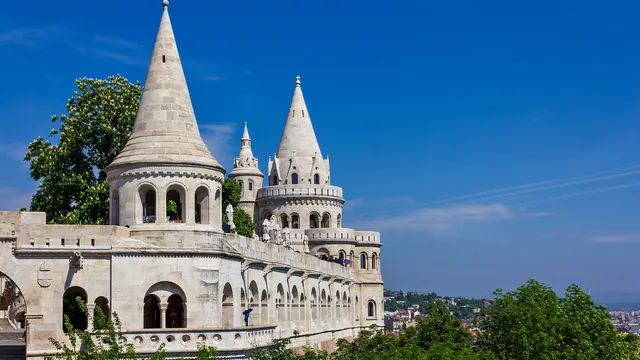 Budapest
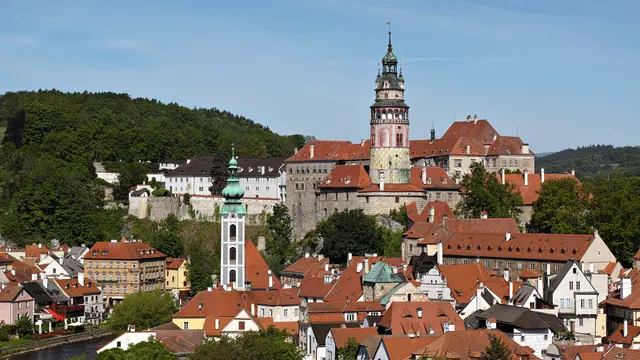 Cesky Krumlov
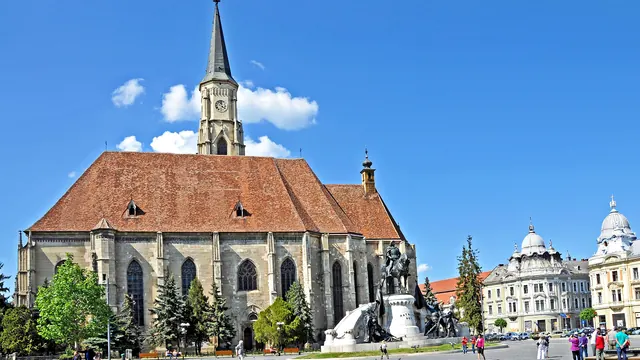 Cluj-Napoca
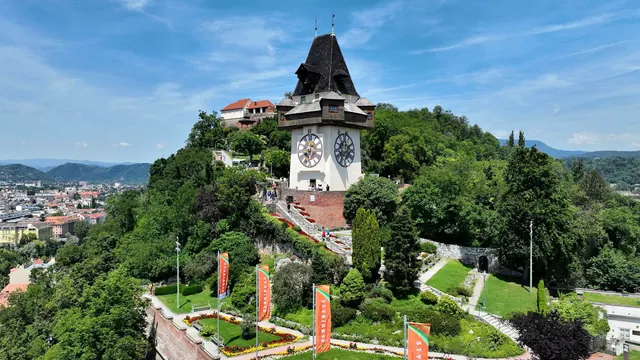 Graz
 Krakow
 Prague
 Sibiu
 Vienna
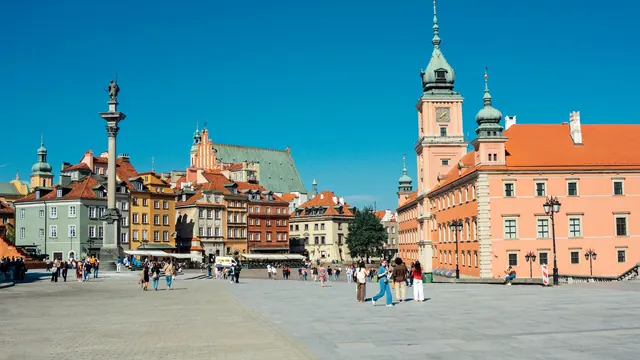 Warsaw
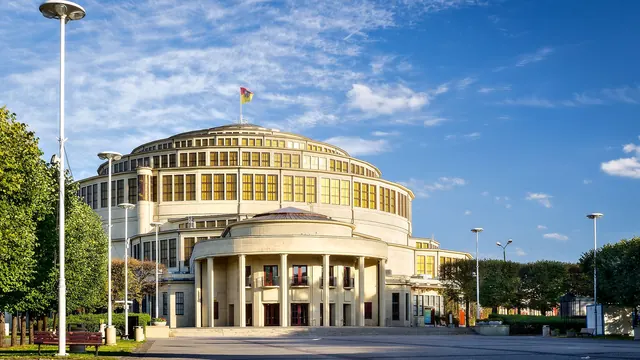 Wroclaw
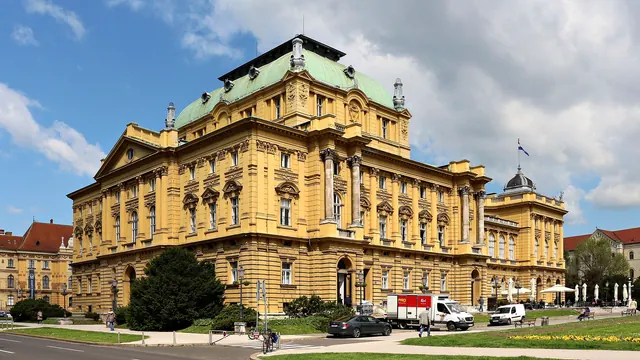 Zagreb
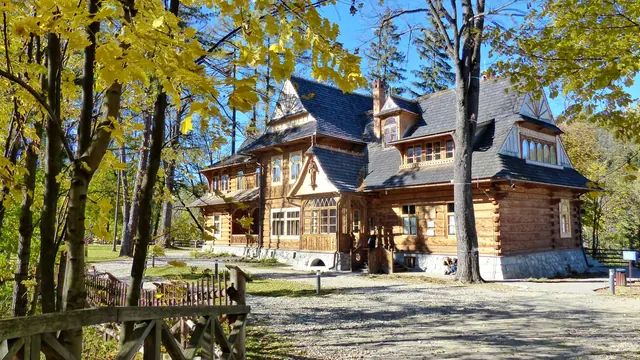 Zakopane