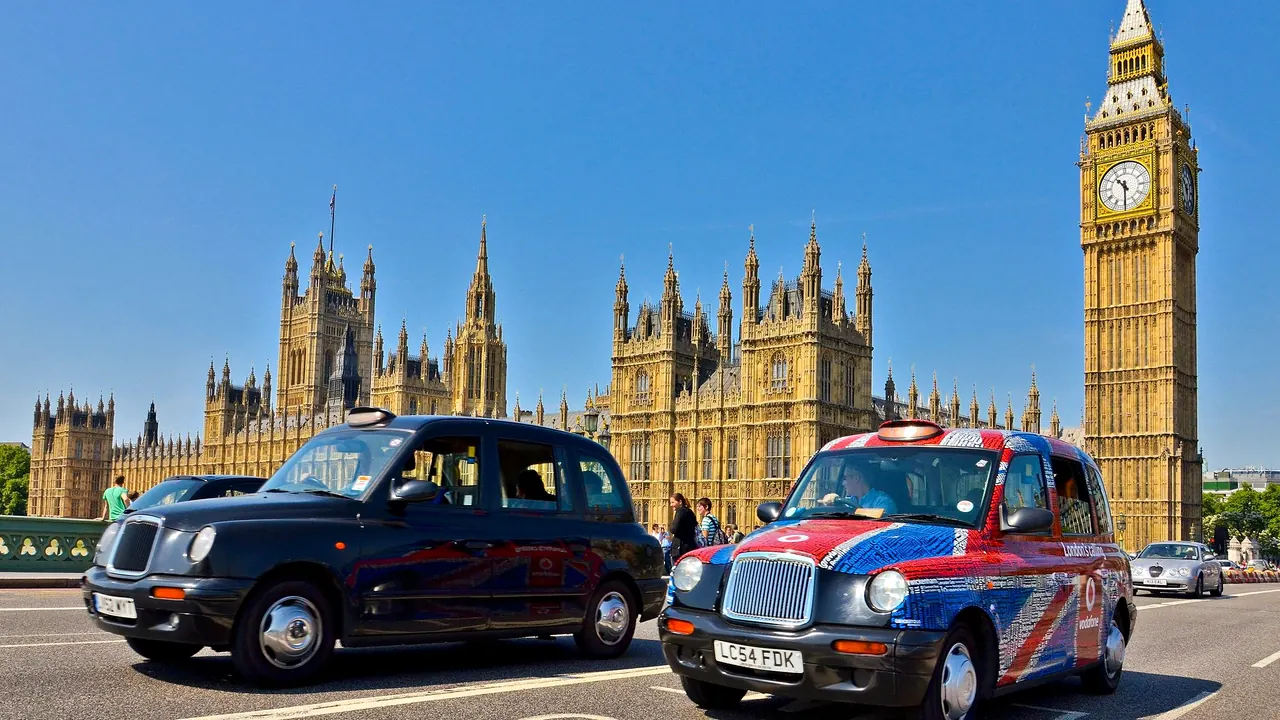
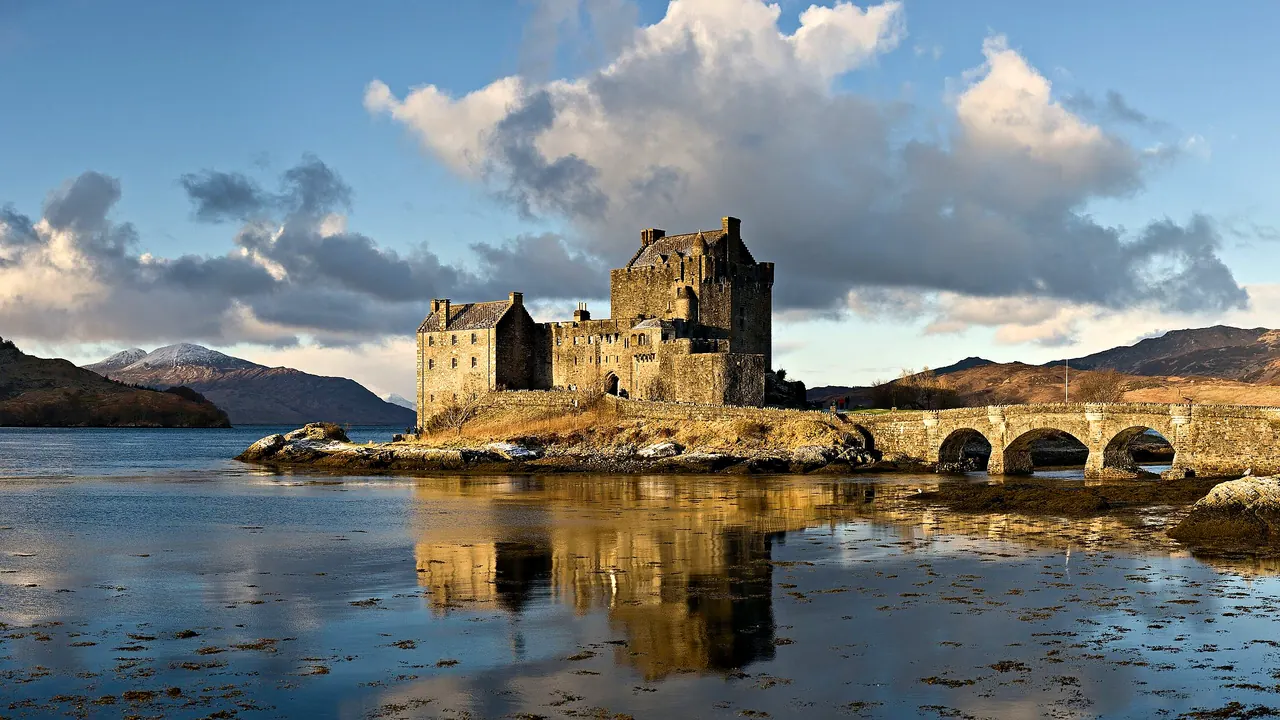
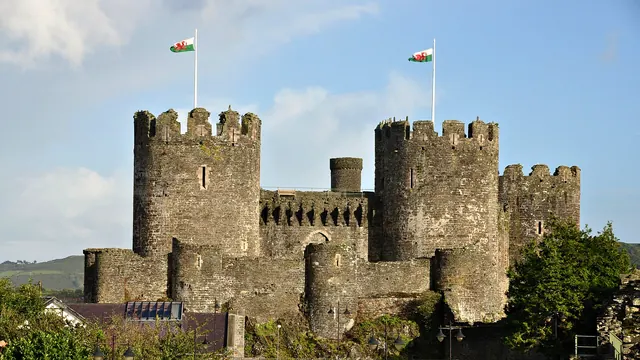
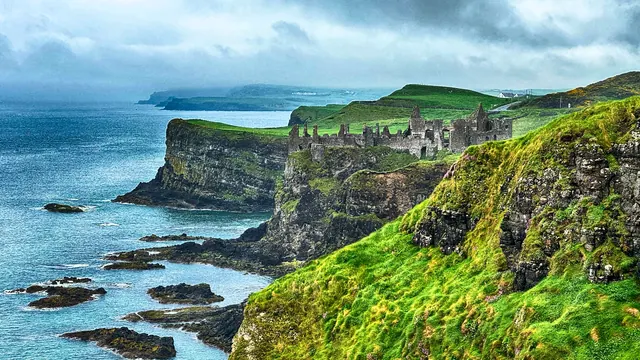
Photos: England by Pedro Lastra, CC0; Scotland by Diliff, CC BY-SA 3.0, cropped.
England or Scotland?
Our verdict in twelve categories, each scored against the same fixed benchmark cities, and the climate month by month, so you can choose for your trip.
Choose England for
- shopping
- nightlife
- families
England suits the traveller who wants a lot within easy reach: world-class museums and theatre in London, cathedral cities and Georgian Bath a train ride away, busy city nights in Manchester or Newcastle, and Cornwall's coves for a family summer. It is the better choice for a first trip, a culture-heavy itinerary or a vacation with children, because nearly everything is close together and well connected.
Choose Scotland for
- nature and the outdoors
Scotland is for those who travel mainly for landscape. The Highlands, Skye and the Hebrides offer bigger mountains, emptier coasts and more wildlife than anything in England, with Edinburgh and Glasgow as strong cities at either end. Pick it for hill walking, scenic drives and whisky country, and accept that the rewards come with long single-track roads and changeable weather.
Scoreboard
Twelve categories on one fixed scale from 0 to 100. The shaded stretch is the gap between the two.
Your match
Pick a travel style or drag the sliders, and both match scores follow your weighting.
Wins on shopping and nightlife with your weighting.
Wins on nature and the outdoors with your weighting.
What matters to you?
Category by category
What the scores mean for a trip.
Beaches & swimming
England has the better beaches for actually spending a day in the water. Cornwall's golden coves and north-coast surf beaches around Newquay and St Ives, plus the sheltered bays of South Devon, make a real seaside summer possible in July and August, even if many swimmers still reach for a wetsuit.
Scotland's sand is arguably more beautiful, with the white shell beaches of Luskentyre on Harris and the Silver Sands of Morar, but the water is colder still and the wind rarely drops. These are beaches for walking and picnics, not for swimming.
Where in England: Cornwall, South Devon, North Norfolk coast, Northumberland coast
Where in Scotland: Isle of Harris, Morar and Arisaig, Tiree, East Lothian coast
Food & drink
England eats a little better overall, mostly thanks to London's depth: Borough Market, world cuisines and serious fine dining, plus Birmingham's baltis, the curry houses of Manchester and Bradford, and Cornish crab in Padstow and Newlyn.
Scotland's strengths are more focused: langoustines and scallops eaten by the harbour in Oban or on Skye, venison and Angus beef, and above all whisky, with Speyside and Islay as places to travel for in their own right. Both countries serve some dull food in small towns.
Where in England: London, Birmingham, Manchester, Cornwall
Culture & sights
England offers far more for a sightseeing trip. London alone has the British Museum, the National Gallery and Westminster Abbey, and beyond it come York's walls and Minster, the Oxford colleges, Roman and Georgian Bath, a chain of great cathedrals, and Stonehenge.
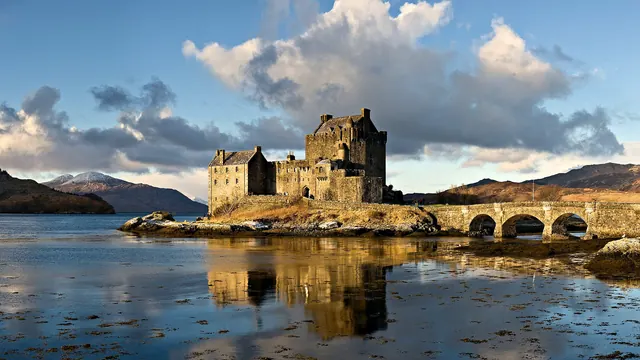
Scotland's heritage centres on Edinburgh, where the castle, the Royal Mile and the New Town are all within walking distance, and on Glasgow's Victorian grandeur and Mackintosh buildings. Elsewhere it is castles in dramatic settings, Stirling and Eilean Donan among them, and the Neolithic sites of Orkney, which are wonderful but take real effort to reach.
Nightlife
England has much more going on after dark, and in more places. London's Soho and Shoreditch, Manchester's Northern Quarter and warehouse clubs, Newcastle's Quayside, Bristol's basement venues and Brighton by the sea each make a full weekend out.
In Scotland the action is concentrated in Glasgow, whose clubs take house and techno seriously, with Edinburgh leaning towards historic pubs and only fully waking up in August. Beyond the cities, a Scottish evening means a fireside pub and an early night.
Where in England: London, Manchester, Newcastle, Bristol
Nature & outdoors
Scotland is the stronger choice for the outdoors, on a different scale. Ben Nevis and Glen Coe offer serious hill walking and winter climbing, the Cuillin ridge on Skye is the wildest in Britain, and the Cairngorms add a high granite plateau with pine forest. On top of that come sea kayaking in the Hebrides and eagles, dolphins and whales along the coast.
England is gentler walking country: the Lake District's fells, the limestone dales of Yorkshire and the Peak District, and the South West Coast Path along Cornwall's cliffs and the Jurassic Coast. It is lovely and easy to reach on foot, but it rarely feels remote.
Where in England: Lake District, Yorkshire Dales, South West Coast Path, Peak District
Where in Scotland: Isle of Skye, Glen Coe and Lochaber, Cairngorms National Park, Assynt and Wester Ross
Day trips
England is ideal for staying in one place and taking outings. From London, Oxford, Cambridge, Windsor, Canterbury and Brighton are all easy train rides, and Bath, York and Manchester each open up their own ring of cathedral cities, country houses and market towns.
Scotland works well in the Central Belt, where Edinburgh, Glasgow, Stirling, St Andrews and the East Neuk are all close together, and from Inverness or Oban for Culloden or Mull and Iona. Further north and west, the distances grow and a day out turns into a long scenic drive.
Where in England: London, Bath, York, Manchester
Good for families
England gives children more choice, and it is spread across the whole country rather than concentrated in one or two cities. Castles put on costumed events and have adventure playgrounds, steam railways and farm parks turn up almost everywhere, and the covered biomes of the Eden Project give a Cornish family summer a good fallback when the beach is grey. The main drawback is the cost: entry fees for a family add up quickly from one attraction to the next, and the rural ones are often a drive apart.
Scotland suits families who are happy outdoors in waterproofs. Edinburgh's Camera Obscura and Glasgow's Science Centre fill wet afternoons, Fife makes an easy base with the aquarium tunnel at North Queensferry and rock pools along its coast, and around Aviemore children can go on reindeer walks. There is no big theme park, though, and long Highland drives in the rain are harder on young children than England's shorter journeys.
Where in England: London, Cornwall, Devon, Staffordshire and the Midlands
Getting around
Moving between English cities is straightforward: fast trains link London with York, Manchester, Bristol and Bath, the Underground covers the capital, and the historic towns are compact enough to walk. Only the Lake District, Cornwall and the Cotswolds really push visitors into a hire car.
In Scotland, the easy part is small: Edinburgh and Glasgow are under an hour apart by train, with good links on to Stirling and Aberdeen. Beyond that, scenic but infrequent rail lines, summer ferries that fill up and single-track roads mean most visitors heading to Skye or the northwest need a car and extra time.
Shopping & style
England is far ahead for shopping, and London is the reason: Bond Street and Knightsbridge, Liberty and Selfridges, Savile Row and the markets of Portobello Road and Spitalfields. Brighton's Lanes, Bath's independent shops and York's Shambles add character outside the capital.
Scotland's best purchases are things made there: Harris Tweed bought on Harris, Borders cashmere, Shetland knits and single malts from the distillery shops. Glasgow's Buchanan Street is the main high-street centre, but there is little luxury anywhere.
Where in England: London, Brighton, Bath, Manchester
Where in Scotland: Glasgow, Edinburgh, Isle of Harris, Scottish Borders
Affordability
Neither is cheap, and the costs fall differently. In England the expense is concentrated in London hotels, rail fares bought late and entry fees at castles and country houses, while Liverpool, Newcastle and the Yorkshire Dales stretch a budget noticeably further.
In Scotland the pressure points are Edinburgh in August and the Highlands and Skye, where rooms are scarce and car hire, fuel and ferries add up. Glasgow, Dundee and weekend stays in Aberdeen are the cheaper bases, and in both countries the free national museums and pub meals help a lot.
Where in England: Liverpool, Newcastle, Yorkshire Dales, Manchester
Live music & performing arts
England offers more year-round depth: the West End, the National Theatre, the Royal Opera House and the Proms in London, the Royal Shakespeare Company at Stratford, the Hallé in Manchester and summer opera at Glyndebourne.
Scotland's highlight is the Edinburgh festivals in August, when the International Festival and the Fringe fill the city with more performances than anywhere else. For the rest of the year, Glasgow carries Scottish Opera, its orchestras and Celtic Connections, and traditional sessions in Highland and island pubs are a genuine pleasure.
Where in England: London, Manchester, Stratford-upon-Avon, Birmingham
Where in Scotland: Edinburgh, Glasgow, Highlands and Islands
Wellness & relaxation
England has the edge thanks to Bath, where visitors can bathe in the same hot springs the Romans used, in a rooftop pool overlooking the abbey. Harrogate's Turkish Baths and the country-house spas of the Cotswolds and Lake District add more.
Scotland has no thermal water, only Victorian bathhouses such as Portobello's and hotel spas in Perthshire around Gleneagles and Crieff. Its real restorative offer is quiet: a cottage on Harris or the Uists, or Tobermory's harbour on Mull.
Where in England: Bath, Harrogate, Cotswolds, Lake District
Where in Scotland: Perthshire, Edinburgh, Outer Hebrides, Isle of Mull
When should you go?
Pick your month, and for a country the place in it. The climate figures are measured averages, not a forecast.
Where in England
Where in Scotland
London (England) in July
Edinburgh (Scotland) in July
Daytime high, °C
Rainfall in the month, mm
Temperature and rainfall are climate normals, averaged over the years shown. London (England): 1992-2020 (sunshine 1991-2020, rainfall 1991-2020) normals, London Weather Centre (1.3 km from centre). Edinburgh (Scotland): 1991-2020 (sunshine 1981-2010, rainfall 1981-2010) normals, Edinburgh Airport (10 km from centre).
Both countries are at their best from May to September, and England is the warmer of the two. London reaches about 23°C in July and August, comfortable for walking the streets, while Edinburgh and Glasgow top out around 19°C. Cornwall's sea peaks at about 17°C in August, so July and August are the only real swimming months there. Scotland's sea reaches about 15°C at best on the Glasgow side, and less around Edinburgh and the Highlands, so a swim is a brief plunge.
Rain depends more on the coast than on the country. Glasgow and the west are wet all year and very wet in winter, with about 141mm in January. Cornwall and Manchester also turn wet from October. London and Edinburgh are the drier cities, so either works for a cool-season city break, though both are chilly from November to March. In the Highlands, April and May are the driest months and May is the sunniest of the year, brighter than June or July, so late spring is the best time for the hills.
Which traveller are you?
For an outdoors trip, Scotland wins clearly. The Cuillin on Skye, Glen Coe, the Cairngorms plateau and the Assynt peaks are wilder and higher than England's fells, and sea eagles, puffins and whales add a wildlife side that England cannot match.
On a food and nightlife trip, England has the edge, mostly after dark. London, Manchester, Bristol and Newcastle offer far more bars and clubs than Glasgow and Edinburgh, while England's curry houses and Cornish seafood broadly match Scotland's shellfish and whisky.
More comparisons
Each shares a side with England or Scotland.

Where else could you go?
Set England or Scotland against any other country.