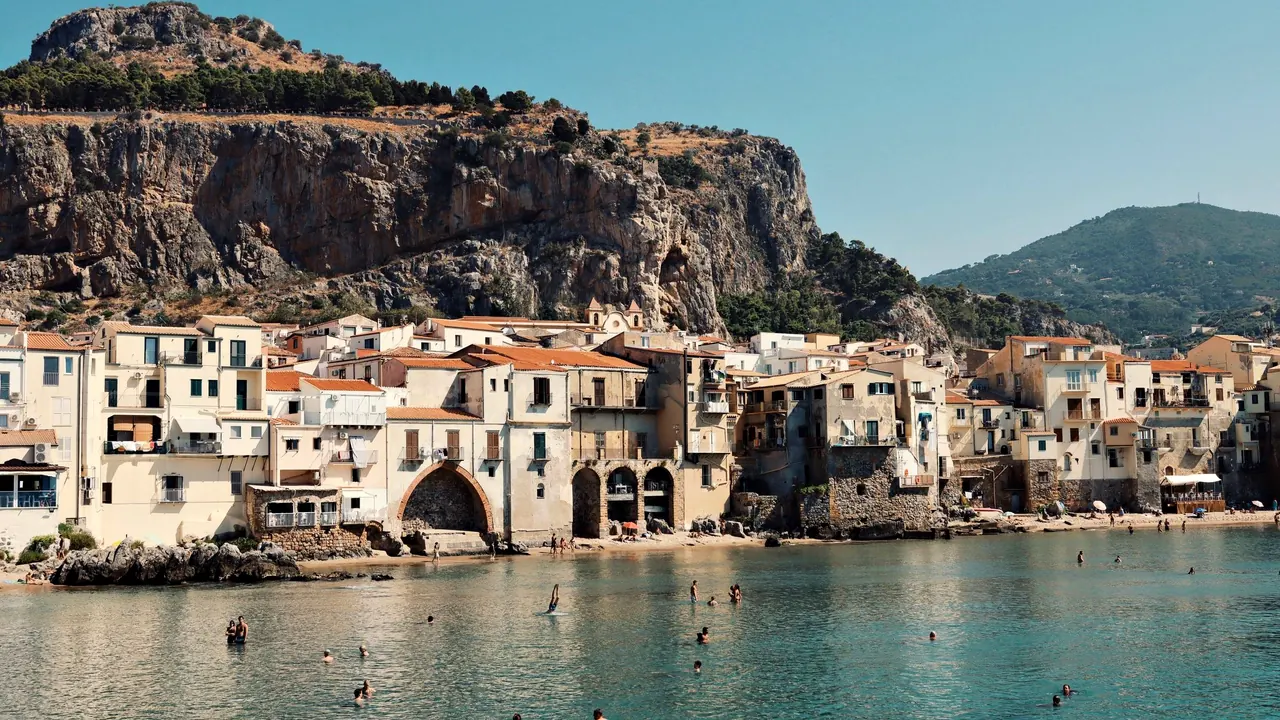
Photos: Sicily by Efrem Efre, Pexels License.
Sicily or Tuscany?
Our verdict in twelve categories, each scored against the same fixed benchmark cities, and the climate month by month, so you can choose for your trip.
Choose Sicily for
- prices
- beaches
- nightlife
Sicily suits travellers who want ruins and sea in the same trip, at a gentler price. Greek temples, Arab-Norman mosaics and baroque hill towns sit alongside some of the clearest water in the Mediterranean, around the Egadi and Aeolian Islands. The trade-off is effort: distances are long, public transport is thin, and the island works best with a hire car and two or three bases.
Choose Tuscany for
- wellness
- shopping
- getting around
For a trip built around Renaissance art, wine country and long soaks in hot springs, Tuscany is the stronger choice. Florence's galleries, Siena and a dense web of hill towns lie close together, a train line links several of them, and spa towns such as Saturnia and Bagno Vignoni make unwinding easy. Expect to pay more, especially in Florence and on the Versilia coast, and to treat the beach as a side trip.
Scoreboard
Twelve categories on one fixed scale from 0 to 100. The shaded stretch is the gap between the two.
Your match
Pick a travel style or drag the sliders, and both match scores follow your weighting.
Wins on prices and beaches with your weighting.
Wins on wellness and shopping with your weighting.
What matters to you?
Category by category
What the scores mean for a trip.
Beaches & swimming
Sicily's coastline is longer and more varied. It has sand at San Vito Lo Capo and Marina di Ragusa, the white cliffs of the Scala dei Turchi, the reserve beaches of Vendicari and the clear coves of the Egadi and Aeolian Islands. The sea runs a little warmer too, and you can swim well into October.
Tuscany's best water is on Elba and along the pine-backed Maremma and Argentario shore, while Versilia is mostly rows of beach-club umbrellas. Its main sights are inland, so from Florence the beach becomes a day out rather than the heart of the trip.
Food & drink
Both eat very well, in different ways. Sicily's cooking has Arab and Spanish roots and is at its best eaten standing up: arancine and panelle in Palermo's Ballarò market, cannoli, and granita with brioche, plus local specialities such as Trapani's fish couscous and Modica's grainy chocolate.
Tuscany is plainer and built on meat and wine: Florentine steak, ribollita and wild boar pappardelle. Its real draw is the wine route through Chianti, Montalcino and Montepulciano, with cellar visits and estate lunches all along the way. Etna has fine wineries too, but in Sicily wine is not what a trip is built around.
Culture & sights
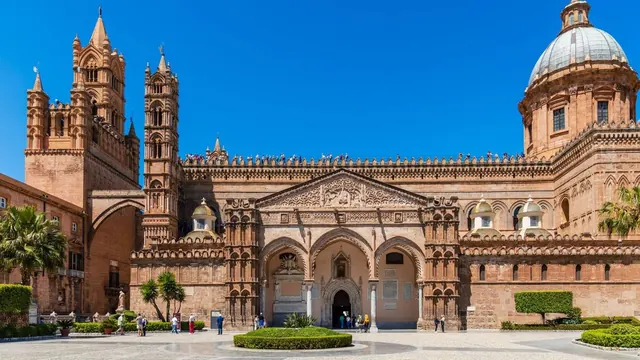
Sicily's heritage spans more civilisations, from the Greek temples of Agrigento and Segesta to Palermo's Arab-Norman mosaics and the baroque towns of the south east. These are spread across the island, though, and seeing them takes a week with several bases.
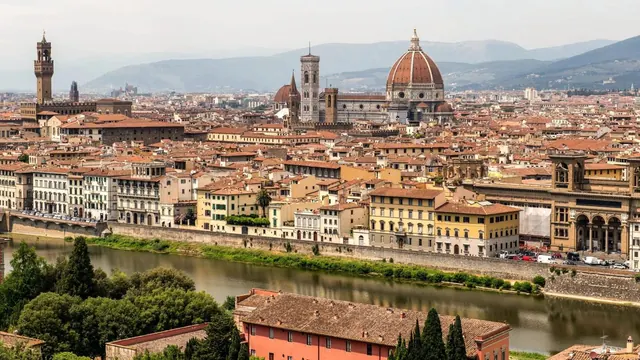
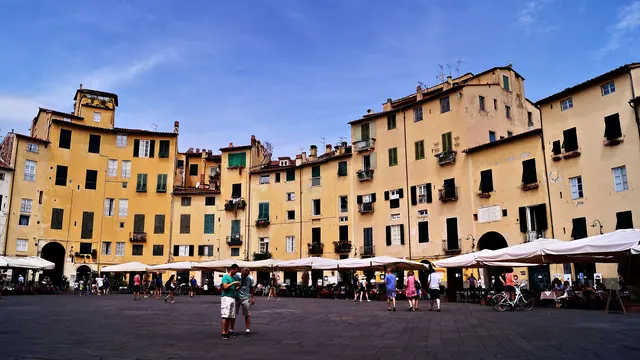
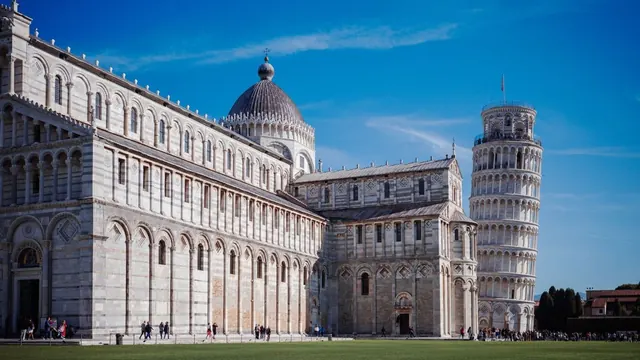
Tuscany has more masterpieces, and they are closer together. Florence alone has the Uffizi, the David and Brunelleschi's dome within a walkable centre, and Siena, Pisa, San Gimignano and Lucca are all within easy reach.
Nightlife
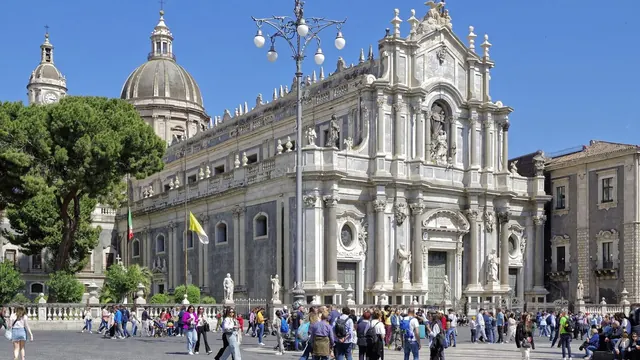
Neither island nor region is a party destination, and in both, evenings revolve around a late dinner and the piazza. Sicily's liveliest streets are in Catania's historic centre, where students fill the squares until late, and around Palermo's Vucciria.
Tuscany's evenings centre on the steps of Santo Spirito and the wine bars of Oltrarno in Florence. In summer, the Versilia coast has a long tradition of beach clubs and dance halls that stay busy until dawn, a more established clubbing scene than Sicily's seasonal open-air venues.
Nature & outdoors
The two are close for the outdoors, but the landscapes are very different. Sicily's is volcanic and wild: guided walks over Etna's lava fields, the evening climb to watch Stromboli erupt, the Zingaro cliff path and diving around the Egadi and Aeolian Islands.
Tuscany's countryside is gentler and farmed, best for cycling and walking between hill towns through Chianti and the Val d'Orcia. For rougher hiking, there are the ridges of the Apuan Alps above Carrara. Sicily's interior turns brown and is too hot for walking in high summer.
Day trips
Sicily has good outings from any base: the baroque towns around Noto, Cefalù and Erice from Palermo, and ferries to Favignana or Lipari. Distances are long, though, and a car makes most of them easier.
Tuscany fits in more, and closer together. From Florence or Chianti, Siena, Lucca, Pisa and San Gimignano are all easy outings. Beyond the border there is more again: Bologna, Assisi and Orvieto, and the Cinque Terre.
Good for families
Both welcome children warmly, and in either one they stay up for dinner. Sicily works best as a beach stay at shallow bays such as Mondello or San Vito Lo Capo, with Etna and the puppet theatre for older children. Long drives, steep towns and summer heat make moving around tiring.
Tuscany is the easier family trip. It combines a farmhouse with a pool and animals with lifeguarded sandy beaches, and adds a few things made for children, such as Collodi's Pinocchio park and cycling on Lucca's walls.
Getting around
Sicily is hard work without a car. Trains are sparse and slow, inland roads wind, and driving in Palermo and Catania is chaotic. Intercity buses are often the better choice between the main towns, and rough seas can cancel ferries to the islands.
Tuscany is easier. Florence is walkable, and regional trains link it to Pisa, Lucca and Arezzo, so a car-free trip along that line works well. For Chianti, the Val d'Orcia and the Maremma you still need a car.
Shopping & style
Tuscany is the better place to shop. Florence has leather workshops around Santa Croce, goldsmiths on the Ponte Vecchio, bookbinders in Oltrarno and the luxury houses of Via de' Tornabuoni. Elsewhere there is alabaster in Volterra and marble in Pietrasanta.
Sicily's shopping is mostly food and ceramics: majolica from Caltagirone, Modica chocolate, Bronte pistachio cream and Marsala wine. Fashion is limited to a few main streets in Palermo, Catania and Taormina.
Affordability
Sicily is clearly the cheaper of the two. Street food and pastry cost little, and B&Bs in Palermo, Catania and the baroque south east stay fairly priced even in summer. Taormina and the Aeolian Islands are the main exceptions.
Tuscany is expensive throughout its season, from central Florence hotels to Chianti villas and the beach clubs of Forte dei Marmi. Trattoria meals and wine bought at the cellar door help, and Lucca or the Maremma cost less. In both, a hire car adds noticeably to the bill.
Live music & performing arts
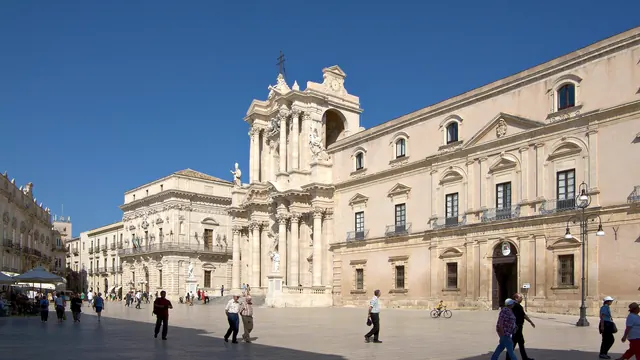
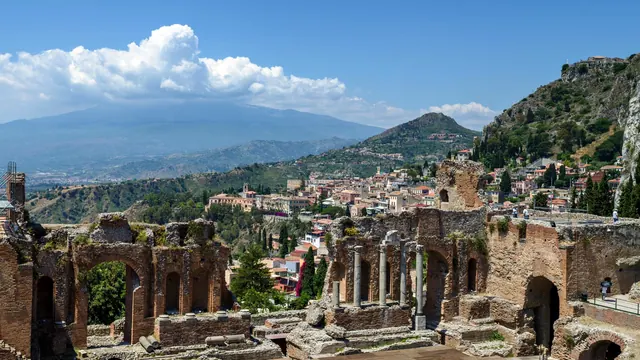
The two are evenly matched, and opera is at the heart of both. Sicily's strength is its settings: Palermo's Teatro Massimo, Greek tragedy in the ancient theatre of Syracuse, summer concerts in Taormina's theatre with Etna behind the stage, and the armoured marionette knights of the opera dei pupi.
Tuscany leans more towards music festivals. It has the Maggio Musicale Fiorentino, Puccini in Lucca and staged by the lake at Torre del Lago, and Siena's summer concerts in palaces and churches.
Wellness & relaxation
Tuscany has a real bathing tradition. There are the grand nineteenth-century pump rooms of Montecatini, the free warm cascades at Saturnia, the medieval bath in Bagno Vignoni's square and the white limestone pools of Bagni San Filippo.
Sicily has thermal water too, at Sciacca, near Segesta and in Vulcano's mud, but no bathing culture built around it, and most of its spas are in hotels. Rest there comes from slow islands such as Salina and a quiet agriturismo rather than from taking the waters.
When should you go?
Pick your month. The climate figures are measured averages, not a forecast.
Sicily in July
Tuscany in July
Daytime high, °C
Rainfall in the month, mm
Where the figures come from
Sicily's sunshine is measured 67 km from the centre, at Ustica.
Tuscany has no rain gauge within 25 km of the centre, so its rainfall comes from a gridded climate dataset read at the destination rather than from a gauge further away.
Tuscany's sunshine is measured 71 km from the centre, at Pisa / S. Giusto.
Temperature and rainfall are climate normals, averaged over the years shown. Sicily: 1991-2020 normals, Palermo / Punta Raisi (24.1 km from centre). Tuscany: 1995-2020 (sunshine 1991-2020, rainfall 1991-2020) normals, Firenze / Peretola (5.6 km from centre).
Sicily has the longer warm season. The sea is warm enough to swim from June to October and reaches about 27°C in August. Winters are mild but wet, with the rain building from October to December. July and August reach around 30°C and bring the most sunshine, but the heat is hard work at the ruins and on hill walks. May, June, September and early October are the best months to combine sightseeing with swimming.
Tuscany has hotter summers and cooler winters. August highs near 33°C make Florence's streets heavy going, and winter days stay around 11°C. Spring and September are the comfortable months for both the towns and the countryside. October and November are the wettest months, so an autumn trip is best kept early.
Which traveller are you?
On a beach and sun trip, Sicily is the better pick. Choose one stretch of coast, such as the north west near Trapani or the south east around Syracuse, and stay there rather than touring. In Tuscany, a beach week means giving up a base near Florence.
For a relaxing and wellness trip, Tuscany suits better. Stay in a farmhouse in the south of the region, where several thermal pools lie within a short drive, and keep Florence for a single day out. Sicily's warm springs are too scattered to plan a stay around.
On a trip on a tight budget, Sicily goes further. Base yourself in Palermo or Catania, eat at the markets, travel by intercity bus and avoid Taormina and the islands in August. In Tuscany, the cheaper bases are Lucca and Arezzo rather than Florence.
Before you go
| Measure | Sicily | Tuscany |
|---|---|---|
| Official language | Italian | Italian |
| Currency | Euro (EUR) | Euro (EUR) |
| Sockets | CFL230 V, 50 Hz | CFL230 V, 50 Hz |
| Driving side | Right | Right |
| Time zone | UTC+1, UTC+2 in summer | UTC+1, UTC+2 in summer |
| Emergency number | 112 | 112 |
| Main airport | Falcone–Borsellino Airport (PMO)106 non-stop destinations | Florence Airport, Peretola (FLR)46 non-stop destinations |
| Public holidays this year | 13 days | 13 days |
By the numbers
| Measure | Sicily | Tuscany |
|---|---|---|
| Population | 4,983,478 | 3,729,641 |
| Swim season, months above 21 °C | 5 months | - |
Where else could you go?
Every comparison below shares a destination with this one, so you can follow Sicily or Tuscany somewhere new.
- Umbriavs Tuscany
- Cinque Terrevs Tuscany
- Lake Gardavs Tuscany
- Caprivs Sicily
- Corsicavs Tuscany
- Lake Comovs Tuscany