Türkiye
Istanbul
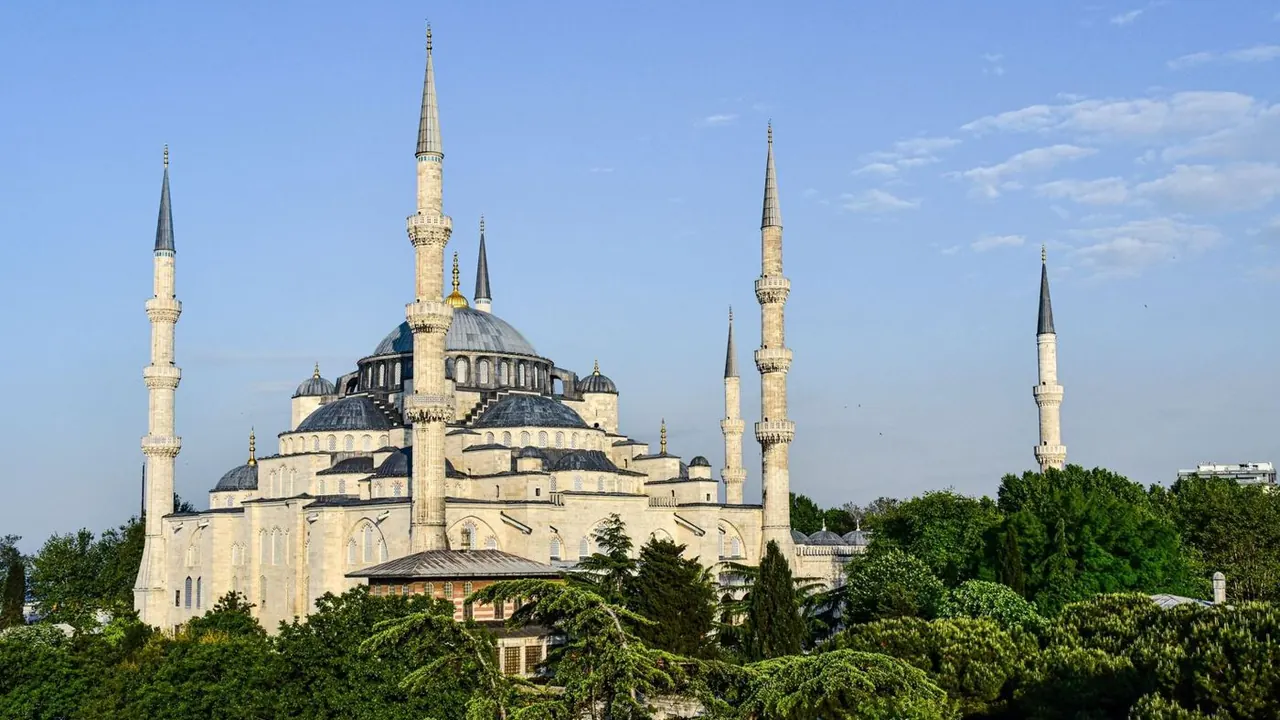
The Blue Mosque
- Culture & sights90
- Food & drink87
- Shopping86
Photo: AXP Photography, Pexels License
Match
67
Every category weighted equally
- Beach & sun65
- Culture & arts71
- Food & nightlife72
- Family trip62
- Outdoors62
- Relax & unwind66
- Shopping & style73
- On a budget66
Istanbul in twelve categories
Our verdict on each, scored 0 to 100 against the same fixed benchmark cities, so a score means the same thing on every page.
Beaches & swimming. Scores 45 out of 100.
Food & drink. Scores 87 out of 100.
Culture & sights. Scores 90 out of 100.
Nightlife. Scores 77 out of 100.
Nature & outdoors. Scores 52 out of 100.
Day trips. Scores 55 out of 100.
Good for families. Scores 55 out of 100.
Getting around. Scores 62 out of 100.
Shopping & style. Scores 86 out of 100.
Affordability. Scores 60 out of 100.
Live music & performing arts. Scores 62 out of 100.
Wellness & relaxation. Scores 75 out of 100.
Istanbul category by category
Beaches & swimming
45Istanbul is a city on the water rather than a beach city. Along the Bosphorus and the Marmara shore people sit by the sea far more than they swim in it, and the water near the centre is not where you would choose to bathe. For real beaches you head north to the Black Sea at Kilyos or Sile, about an hour away, where long sandy strands warm to around 22-24°C in July and August. Those beaches are known for strong currents and undertow, so swim only where lifeguards are on duty.
The Princes' Islands, a ferry ride from the centre, have small pebbly coves and beach clubs that make a pleasant half day. Even so, swimming is a side trip in Istanbul, never the reason for the stay.
Food & drink
87Eating is one of the main reasons to come. Turkish cooking reaches the city from every region, so one stay can take in Black Sea anchovies, south-eastern kebabs and lahmacun, Aegean olive-oil vegetables and the refined Ottoman palace dishes. Simple lokantas set out trays of the day's stews at lunch, and the streets have simit carts, grilled fish sandwiches by the Galata Bridge, stuffed mussels, kokoreç and roasted chestnuts in winter.
In the evening the meyhane is the institution: long tables of meze, grilled fish and rakı, especially around Beyoglu and Kumkapi. Kadikoy's market streets on the Asian shore are the best place to graze, while the Spice Bazaar and baklava and Turkish delight makers known for generations cover the sweet side. Tea is everywhere and Turkish coffee is a ritual. International cooking is thinner than the local depth.
Culture & sights
90Few cities have been an imperial capital for as long. The historic peninsula holds Hagia Sophia, the Blue Mosque, Topkapi Palace, the Basilica Cistern and the Hippodrome within a short walk of each other, and the Istanbul Archaeology Museums sit just below the palace walls. Further on are Sinan's Süleymaniye Mosque, the mosaics and frescoes of the Chora church, and the land walls of Theodosius running across the city.
Across the Golden Horn, Galata has its medieval tower and nineteenth-century arcades, and the Bosphorus is lined with Ottoman palaces such as Dolmabahce and Beylerbeyi, waterside mansions and fortresses. Modern art museums along the shore round it out. You can spend a week and still not see everything.
Nightlife
77Going out happens in a few districts, and they are big and they stay up late. Beyoglu is the classic centre, with rooftop bars looking over the Golden Horn and side streets off Istiklal Avenue full of small bars and late meyhanes that turn into singing and dancing. Karakoy and Cihangir are quieter and more polished, with cocktail bars and wine bars. Kadikoy and Moda on the Asian side are younger and cheaper, with packed bar streets and craft beer.
In summer the glamorous end of the city moves to clubs on the Bosphorus shore at Ortakoy and Kurucesme, and the night often goes on until dawn. Alcohol is heavily taxed, and outside these areas much of the city is sober and quiet.
Nature & outdoors
52The Bosphorus is the great natural feature: a wooded strait with hills on both sides, best seen from a ferry or on foot along the shore at Bebek, Rumeli Hisari or Kandilli. Emirgan and Yildiz parks bloom with tulips in April, and Camlica Hill gives views over both continents. To the north, Belgrad Forest has shaded walking and running trails, and the car-free Princes' Islands are good for cycling and gentle hikes among the pines.
The Black Sea coast near Sile and Kilyos has cliffs and dunes for walks. There are no mountains within easy reach, though, and the city is so large that leaving it takes time. Outdoor life here means ferries, waterfronts and parks more than wild country.
Day trips
55The easiest escape is by sea. The Princes' Islands are a ferry ride across the Marmara, car-free and lined with wooden Ottoman villas, and an upper-Bosphorus cruise to Anadolu Kavagi makes a relaxed day with a fishing-village lunch and a Genoese castle above. Bursa, the first Ottoman capital, with its Green Mosque, early imperial tombs, silk market and old covered bazaars, is about two hours away by fast ferry and bus. It is the best town outing.
Iznik, ancient Nicaea with its tile heritage, and Edirne with Sinan's Selimiye Mosque are possible but make for long days. Gallipoli and Troy really need an overnight stay. The city is big enough that just getting out of it takes time.
Good for families
55Children are made a fuss of everywhere in Istanbul. Waiters entertain babies, strangers hand out sweets, and families out late on a summer evening are normal. Ferry rides across the Bosphorus are a cheap highlight for any age, and the Rahmi M. Koç Museum, with its ships, trains and submarine on the Golden Horn, is a favourite. Miniaturk shows the country's landmarks in miniature, and there are large aquariums, a theme park on the European side and wide seaside parks along the Asian shore for running about.
The hard part is the city itself. The crowds at the main sights, steep cobbled hills, traffic and long transfers wear out small children, and pushchairs struggle on pavements and stairs.
Getting around
62For a visitor the system works better than the city's size suggests. One rechargeable card covers the metro, the T1 tram through the old city, the Marmaray rail tunnel under the Bosphorus, the funiculars and the ferries. The ferries are the best way to cross between continents, and a pleasure in themselves. The historic peninsula, Galata and Beyoglu can be walked, though the hills are steep and the pavements uneven.
The drawbacks are crowds at rush hour, particularly on the tram past the main sights, and road traffic that can make a taxi ride across town painfully slow. Bosphorus villages and far districts take a while to reach. You do not need a car, and you would not want one.
Shopping & style
86Shopping here ranges from the medieval to the very modern. The Grand Bazaar is a maze of covered streets, hans and courtyards selling carpets, kilims, leather, gold, lamps and ceramics, and the Spice Bazaar by the Golden Horn is full of spices, dried fruit and Turkish delight. The streets between them still have trades grouped by craft, from copper to textiles. Haggling is expected in the old markets.
Nisantasi is the luxury and designer district, with international houses and Turkish fashion labels, and the city's huge malls cover everything else. Cukurcuma's antique shops, the Kadikoy flea and second-hand markets, and the weekly neighbourhood street markets complete a very broad offer. Handwoven towels, Iznik-style tiles and tea glasses make classic purchases.
Affordability
60Istanbul is affordable if you eat and travel like a local, and less so if you don't. Public transport and ferry rides cost very little. Simit, fish sandwiches, pide and the set dishes in workers' lokantas are cheap, and tea costs next to nothing. Prices climb quickly in the tourist areas of Sultanahmet, Galata and the Bosphorus shore, though, where hotel rooms and restaurant menus approach Southern European levels.
Alcohol is heavily taxed, which makes nights out expensive. The major monuments charge foreign visitors substantial entry fees, so a sightseeing-heavy stay adds up. Staying in Kadikoy or the residential districts and eating where Istanbul's people eat keeps costs down a great deal.
Live music & performing arts
62The scene is wider than most visitors realise. The Ataturk Cultural Centre on Taksim Square is home to the state opera and ballet, and a handful of modern concert halls host orchestras, touring stars and big productions. In summer, the city's long-running music and jazz festivals put concerts in historic courtyards and churches.
The traditional side is easier to stumble on. Whirling dervish Sema ceremonies are performed in old dervish lodges, and the fasil musicians who go from table to table in meyhanes give a taste of Turkish classical and urban folk music. Beyoglu and Kadikoy have plenty of small venues for rock, Anatolian folk and jazz. Most theatre is in Turkish, which limits it for visitors.
Wellness & relaxation
75The hammam is the heart of it. Istanbul's historic baths, several designed by Sinan in the sixteenth century, such as the Cemberlitas, Haseki Hürrem and Kilic Ali Pasa hammams, are still working. They have marble domes pierced with star-shaped skylights, a heated central stone to lie on and an attendant to scrub and lather you. A traditional bath is one of the best things to do in the city, and neighbourhood hammams offer a plainer, more local version. Large hotels add full spa menus on top.
The city itself is hectic, noisy and crowded. The calm comes from a hammam, a long tea on a Bosphorus terrace in Kandilli or Emirgan, or a slow ferry ride.
When should you go?
Pick a month to see what it is like. The climate figures are measured averages, not a forecast.
Istanbul in July
Daytime high, °C
Rainfall in the month, mm
The whole year
Shaded against this city’s own year: the deepest cell is its best month for that figure and the palest its weakest.
Temperature and rainfall are climate normals, averaged over the years shown. Istanbul: 1991-2020 normals, Istanbul / Goztepe (9.9 km from centre).
Before you go
| Measure | Istanbul |
|---|---|
| Official language | Turkish |
| Currency | Turkish Lira (TRY) |
| Sockets | CF230 V, 50 Hz |
| Driving side | Right |
| Time zone | UTC+3 |
| Emergency number | 112 |
| Elevation | 100 m |
| Main airport | İstanbul Airport (IST)36 km from centre343 non-stop destinations |
| Public holidays this year | 14 days |
By the numbers
| Measure | Istanbul |
|---|---|
| City population | 15,655,924 |
| People per km² | 2,930 |
| Museums within 10 km | 73 |
| UNESCO World Heritage sites within 50 km | 1 |
| Swim season, months above 21 °C | 3 months |
Compare Istanbul with
Every comparison with a written verdict behind it.