Germany
- Live music & the arts92
- Wellness & relaxation92
- Day trips88
Match
75
Every category weighted equally
- Beach & sun69
- Culture & arts79
- Food & nightlife75
- Family trip72
- Outdoors74
- Relax & unwind73
- Shopping & style76
- On a budget72
Germany in twelve categories
Our verdict on the country as a whole, scored 0 to 100 against the same fixed benchmark cities as every destination, so a score means the same thing on every page.
Beaches & swimming. Scores 35 out of 100.
Food & drink. Scores 64 out of 100.
Culture & sights. Scores 86 out of 100.
Nightlife. Scores 82 out of 100.
Nature & outdoors. Scores 80 out of 100.
Day trips. Scores 88 out of 100.
Good for families. Scores 85 out of 100.
Getting around. Scores 79 out of 100.
Shopping & style. Scores 68 out of 100.
Affordability. Scores 48 out of 100.
Live music & performing arts. Scores 92 out of 100.
Wellness & relaxation. Scores 92 out of 100.
Germany category by category
Under each: where in Germany it is best, and our destinations in Germany that score highest on it.
Beaches & swimming
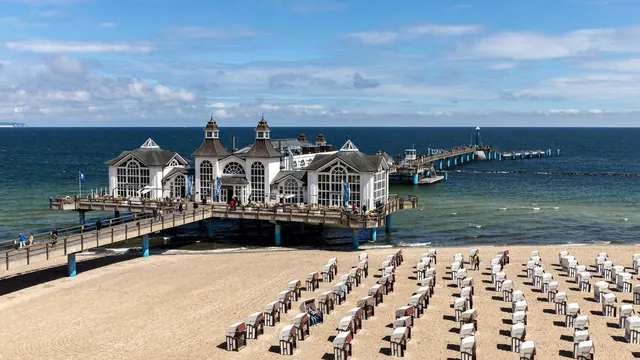
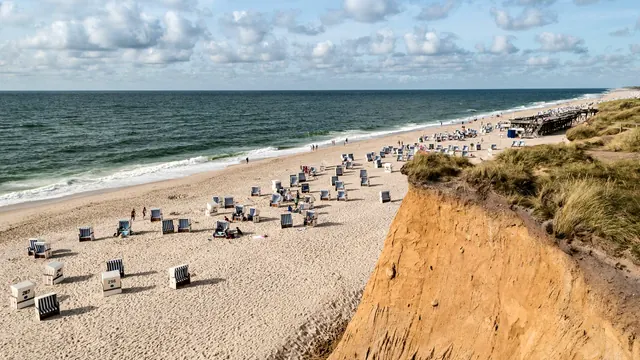
35Germany has a real beach tradition, but a northern one. The Baltic coast is the heart of it: the islands of Usedom and Rügen have long white sand beaches backed by old resort piers and villas, with wicker beach chairs lined up along the shore. The sea is calm and shallow, and in July and August it usually reaches 18°C to 20°C. The North Sea islands, Sylt above all, have wilder dune beaches, but the water is colder, the wind is stronger and the tides pull far out.
The season is short, from late June to early September, and a grey week is always possible. Inland, the lakes of Upper Bavaria and the Mecklenburg Lake District warm up faster than the sea and are lovely for a swim. Beach life is a pleasant part of a summer trip, but it is rarely the reason to come.
Food & drink
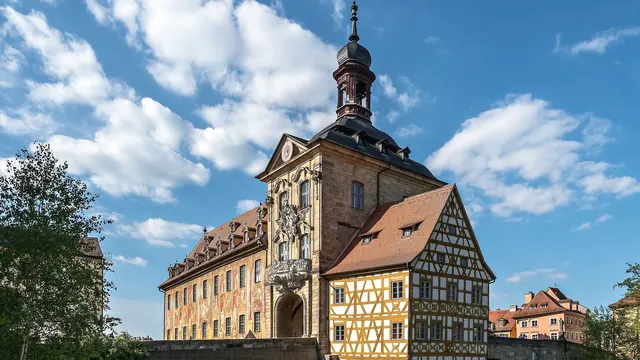
64Eating in Germany is regional more than national. Munich is the classic place for Bavarian food, with beer gardens under chestnut trees, roast pork, white sausage and pretzels, and the Viktualienmarkt for produce and quick lunches. Franconia, around Bamberg and Nuremberg, has smoked beer, small grilled sausages and dozens of family breweries in its villages. The Moselle Valley makes some of the world's best Riesling, best drunk in village wine taverns below the steep vineyards, and the bakeries everywhere, with their dark rye breads and cakes, are a daily pleasure.
Berlin is the most varied place to eat, from Turkish and Vietnamese street food to market halls and a strong fine-dining scene. Hamburg adds fish sandwiches by the harbour, and Cologne its Kölsch halls. The cooking can feel heavy and samey in tourist centres, but a visitor who follows the beer and the wine eats very well.
Where: Berlin, Munich, Moselle Valley, Franconia
Our top destinations in Germany
Culture & sights
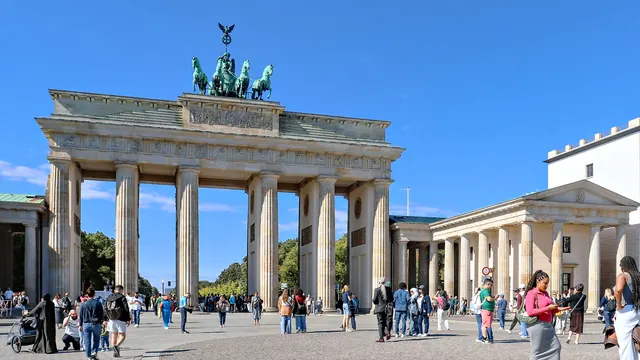
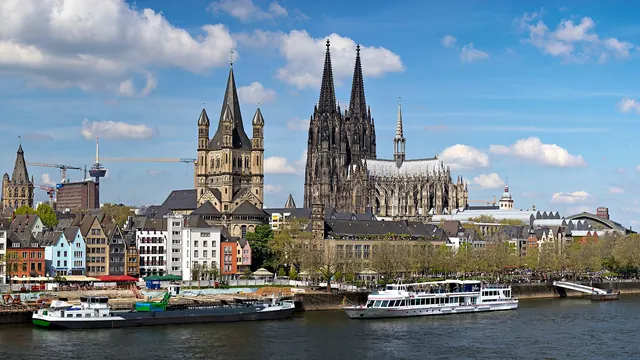
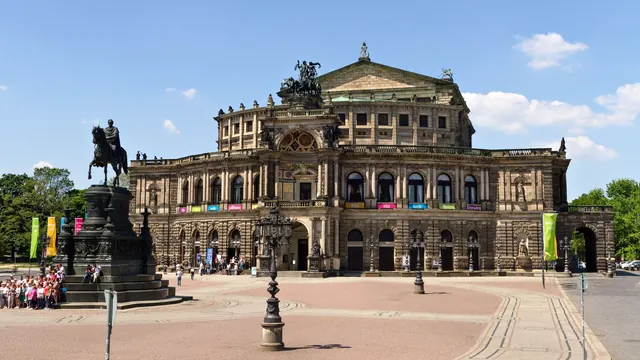
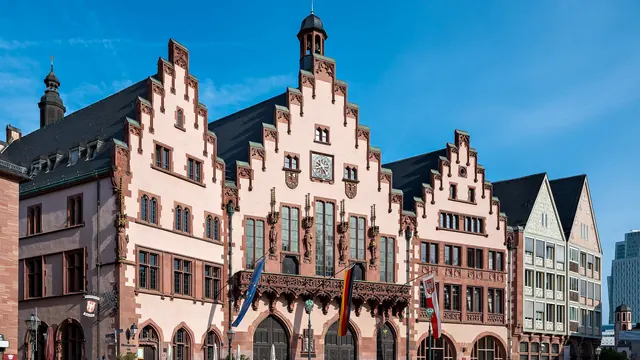
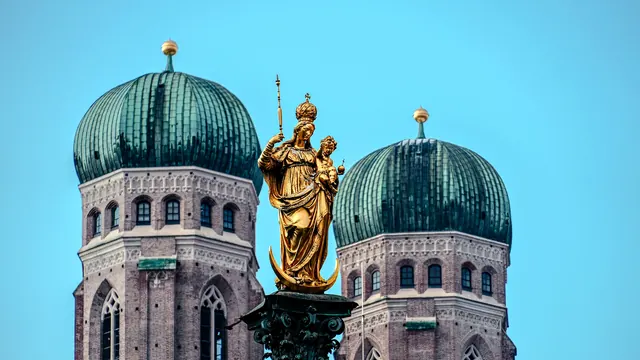
86Germany's heritage is spread across the whole country rather than gathered in one place. Berlin has Museum Island, the Brandenburg Gate, the Reichstag and the traces of the Wall, a century of history laid out in one city. Munich has its royal residences and art galleries, Dresden has the Zwinger and the Frauenkirche, and Cologne Cathedral is one of the great Gothic buildings anywhere.
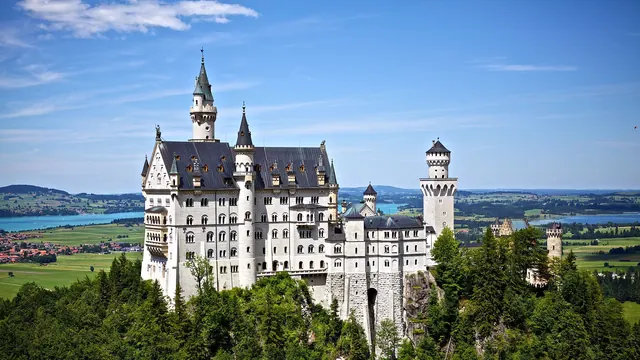
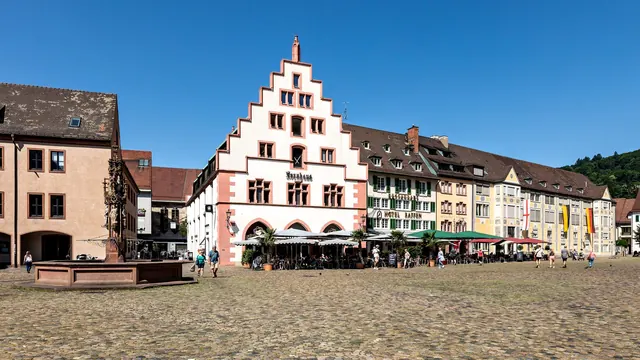
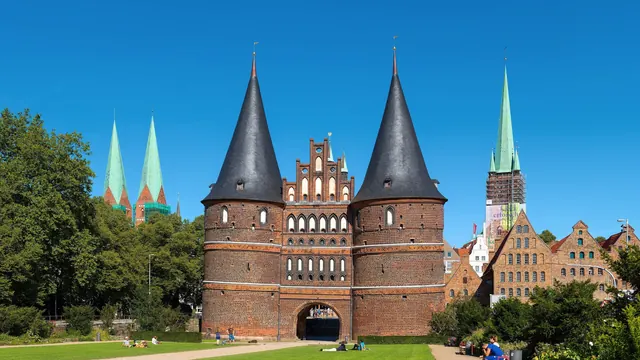
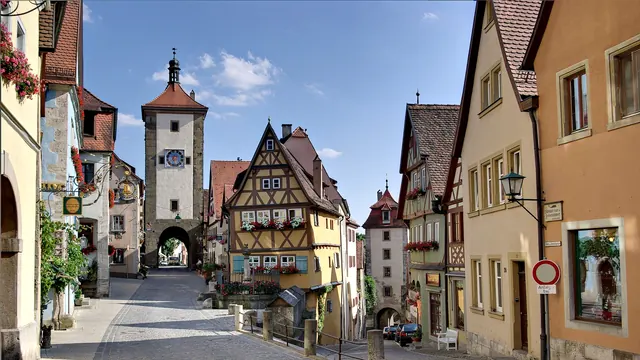
Beyond the cities, the list keeps going: the palaces of Potsdam, Charlemagne's chapel in Aachen, the medieval towns of Bamberg, Regensburg and Rothenburg, Luther's Wittenberg, the Bauhaus in Dessau and Weimar, and the fairytale castles of Bavaria. War damage left some city centres rebuilt or modern, but few countries let a visitor see so much good heritage on one rail route.
Where: Berlin, Munich, Dresden, Cologne
Our top destinations in Germany
Nightlife
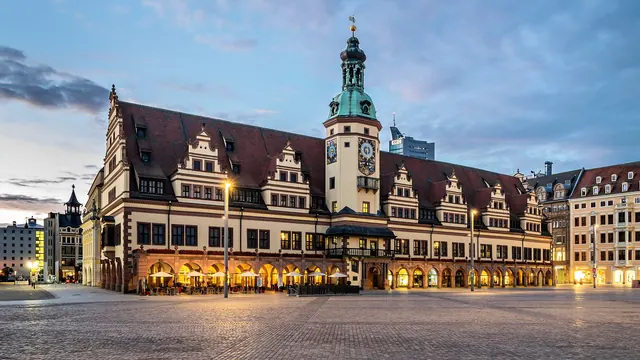
82Berlin is the centre of it: club culture is part of the city's identity, with parties running from Saturday night through to Monday, and a huge bar scene from Kreuzberg to Friedrichshain. Hamburg is the other big night out, with the Reeperbahn in St Pauli and the late bars of the Schanze. Cologne is relaxed and sociable, with crowded Kölsch pubs and a carnival that takes over the city each winter.
Leipzig has a lively student and club scene for its size, Munich has a good bar and beer hall culture, and Frankfurt has a strong techno tradition. Smaller towns are mostly quiet after dinner, apart from the wine festivals and the big beer festivals, Oktoberfest above all.
Where: Berlin, Hamburg, Cologne, Leipzig
Our top destinations in Germany
Nature & outdoors
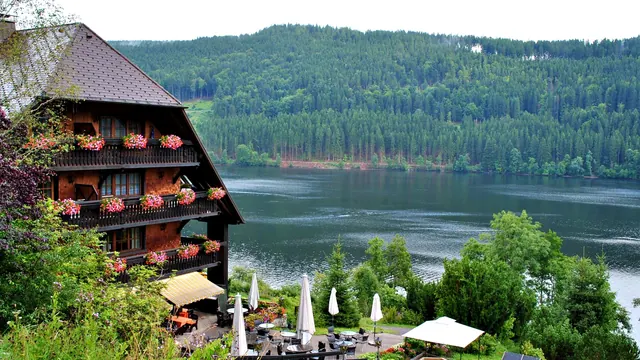
80Germany's outdoors is gentle in most places and dramatic in one. The Bavarian Alps run along the southern border, with the Zugspitze above Garmisch-Partenkirchen, the lake of Königssee near Berchtesgaden, and hut-to-hut hiking in summer and skiing in winter. The Black Forest has wooded hills and long trails, and Saxon Switzerland near Dresden has sandstone towers and gorges that suit both hikers and climbers.
The Rhine and Moselle valleys are lined with steep vineyards and castle-topped cliffs, and the long riverside cycle paths are among the best in Europe. In the north, the Wadden Sea is a national park of tidal mudflats, and Rügen has white chalk cliffs over the Baltic. Summer and early autumn are the best time to come.
Where: Bavarian Alps, Black Forest, Saxon Switzerland, Rhine and Moselle valleys
Our top destinations in Germany
Day trips
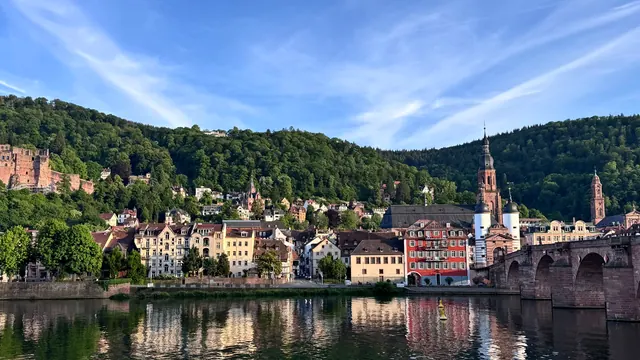
88Germany's cities are good bases for day trips. From Munich, a visitor can reach Neuschwanstein, Augsburg, Regensburg and, across the border, Salzburg. From Frankfurt, Heidelberg, Mainz, Würzburg and the castle villages of the Rhine Gorge are all close. Cologne has Aachen, Bonn and the Moselle within easy reach.
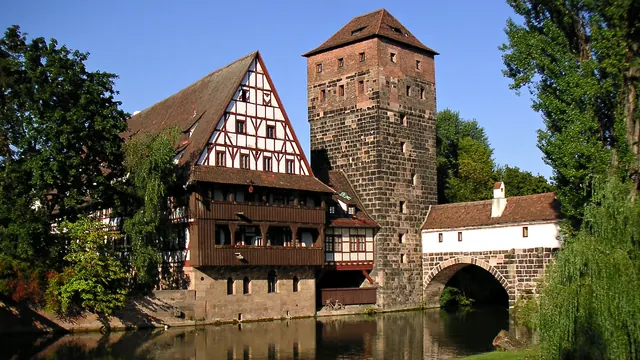
Dresden puts the porcelain town of Meissen and the palaces of Saxony nearby, and Berlin has Potsdam on its doorstep. Nuremberg links to Bamberg and Rothenburg ob der Tauber. Most of these are a train ride of an hour or two, and in autumn the wine villages of the Moselle and Pfalz add harvest festivals to the list.
Where: Munich, Frankfurt, Nuremberg, Dresden
Our top destinations in Germany
Good for families
85Germany is easy with children. Most cities have a large zoo, those in Berlin and Leipzig among the best in Europe, and there are playgrounds in every park. Restaurants, trains and hotels are used to families. Europa-Park near Freiburg is a full theme-park resort worth a few days of its own. Phantasialand near Cologne and Legoland in Bavaria add more.
Munich's Deutsches Museum is a huge hands-on science and technology museum, and Hamburg's giant model railway in the Speicherstadt delights all ages. Castles, steam railways and the safe sandy beaches of the Baltic round off a family trip. The winter Christmas markets are another highlight. The cities are clean and safe, and travelling by train is calm and simple.
Where: Black Forest and Europa-Park, Munich, Berlin, Hamburg
Our top destinations in Germany
Getting around
79Germany is easy to travel without a car. High-speed ICE trains link Berlin, Hamburg, Cologne, Frankfurt and Munich, and regional trains reach almost every town of interest. Berlin, Munich and Hamburg have dense U-Bahn and S-Bahn networks, and every city has trams or buses and a centre that is easy to walk. Long-distance trains are often late, though, and missed connections are common, so it pays to leave slack in the plan.
The Rhine Valley is one of the easiest regions to explore: railways run along both banks and river boats link the castle villages, so a visitor can hop between towns without driving. The Alps, the Black Forest and the Baltic resorts are also reachable by train and bus, but a car makes rural trips easier, and the Autobahn network is excellent. Distances are moderate, so domestic flights are rarely needed.
Where: Berlin, Munich, Hamburg, Rhine Valley
Our top destinations in Germany
Shopping & style
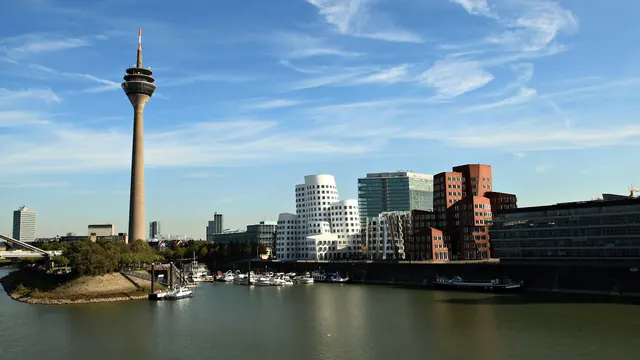
68Shopping in Germany is spread across several good cities rather than one great one. In Berlin, the Kurfürstendamm and the historic KaDeWe department store contrast with independent fashion and design shops in Mitte. Munich's Maximilianstrasse and Düsseldorf's Königsallee are the luxury streets, and Hamburg has elegant shopping arcades around the Binnenalster.
The most distinctive buys are crafts: porcelain from Meissen and Nymphenburg, wooden toys and nutcrackers from the Erzgebirge, cuckoo clocks from the Black Forest. Winter is the best time to shop, when the Christmas markets of Nuremberg, Dresden and hundreds of other towns fill the squares with crafts and stalls. Sunday closing applies across the whole country, big cities included, so apart from stations, airports and a few special shopping Sundays, plan purchases for the rest of the week.
Where: Berlin, Munich, Düsseldorf, Nuremberg
Our top destinations in Germany
Affordability
48Germany costs about what a visitor expects in Western Europe. Supermarkets, bakeries and simple beer-hall meals are reasonable, and regional transport passes make trains cheap. Restaurants and hotels are moderately priced.
Prices vary by city. Leipzig, Dresden and the eastern towns are the cheapest. Berlin is moderate for a capital. Munich, Hamburg, the Alpine resorts and North Sea islands like Sylt are clearly more expensive, as are major cities during trade fairs and Oktoberfest.
Where: Leipzig, Dresden, Berlin
Our top destinations in Germany
Live music & performing arts
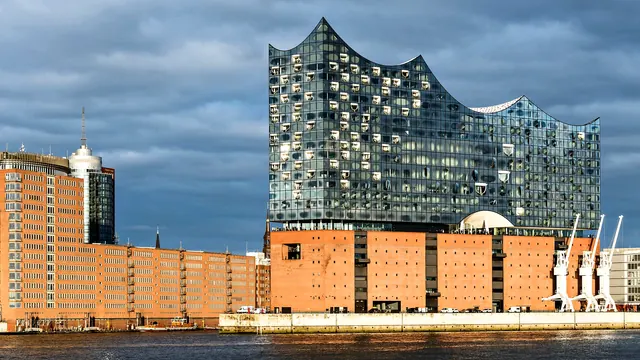
92Germany has more opera houses, orchestras and publicly funded theatres than any other country. Berlin alone has three opera houses and the Berlin Philharmonic, plus a large theatre scene. Munich's Bavarian State Opera, Dresden's Semperoper and Leipzig's Gewandhaus Orchestra, where Mendelssohn once conducted, are all world-class. Hamburg has the Elbphilharmonie concert hall and long-running musicals by the harbour.
Even medium-sized towns have their own theatres with full seasons of opera, ballet and plays, often at moderate prices. The Bayreuth Festival devoted to Wagner is the most famous event of the summer calendar. There are also strong jazz and club concert scenes in Berlin, Cologne and Hamburg. The main season runs from September to June.
Wellness & relaxation
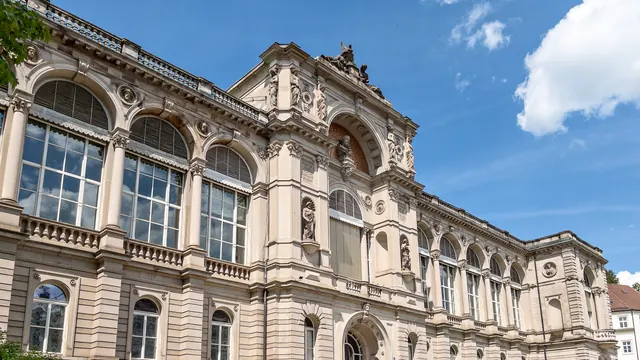
92Bathing is part of daily life in Germany. Baden-Baden is the classic spa town, with the Roman-Irish rituals of the Friedrichsbad, the Caracalla thermal baths, and a slow pace built around taking the waters. Wiesbaden has its historic Kaiser-Friedrich bath, and Aachen has been a spa town since Roman times. Bad Reichenhall, Bad Kissingen and the many other towns named Bad were built around mineral springs and quiet parks.
Every city has large thermal and sauna complexes, and the sauna culture is serious. Saunas are usually textile-free, with scheduled infusion sessions and quiet rest rooms. Many people head to Lower Bavaria's spa triangle or to Black Forest spa hotels in autumn and winter.
Where: Baden-Baden, Wiesbaden, Bad Reichenhall, Lower Bavarian spa triangle
Our top destinations in Germany
When should you go?
Germany has no single climate. Its months are measured at Berlin, Munich, Hamburg and Cologne; pick one to see it. The figures are measured averages, not a forecast.
Where in Germany
Berlin in July
Daytime high, °C
Rainfall in the month, mm
Temperature and rainfall are climate normals, averaged over the years shown. Berlin: 1991-2020 normals, Berlin / Alexanderplatz (0.9 km from centre).
Compare Germany with
Every comparison with a written verdict behind it.
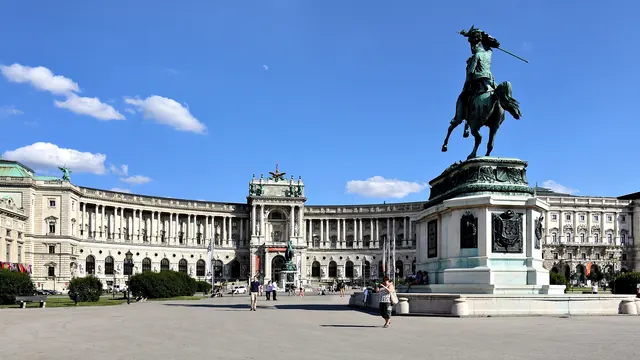
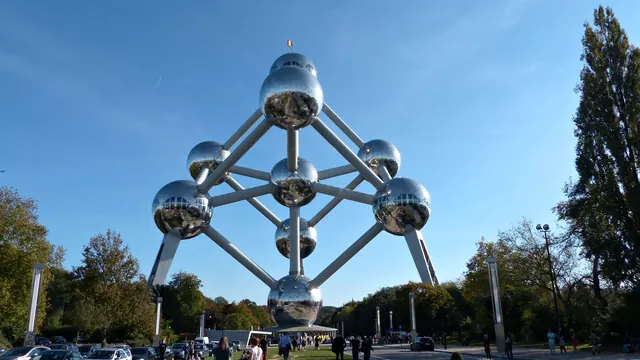
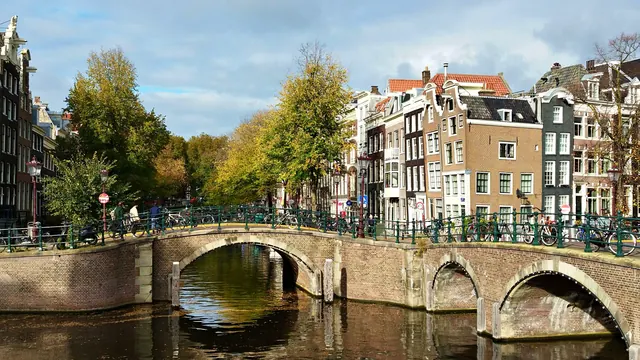
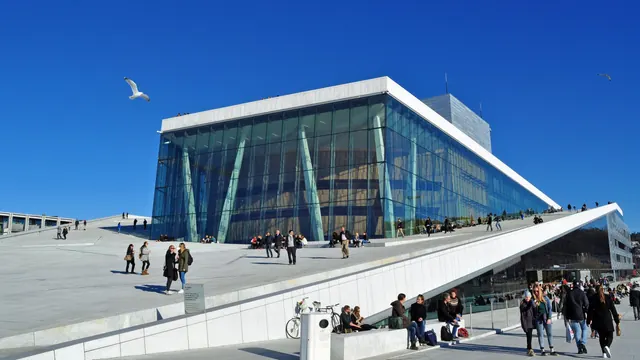
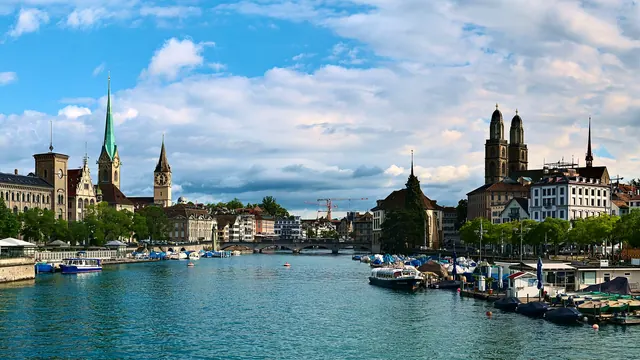
Our destinations in Germany
Every place in Germany with its own page: its twelve scores, its texts and its months.