Greece
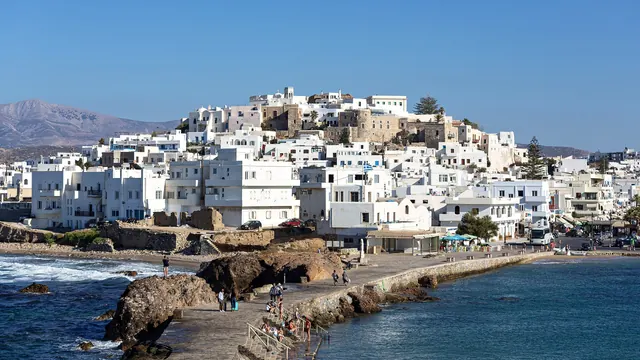
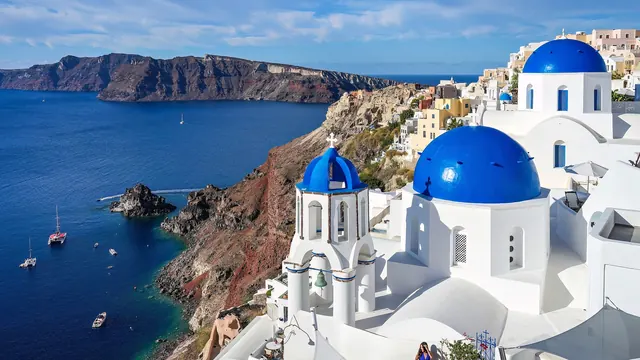
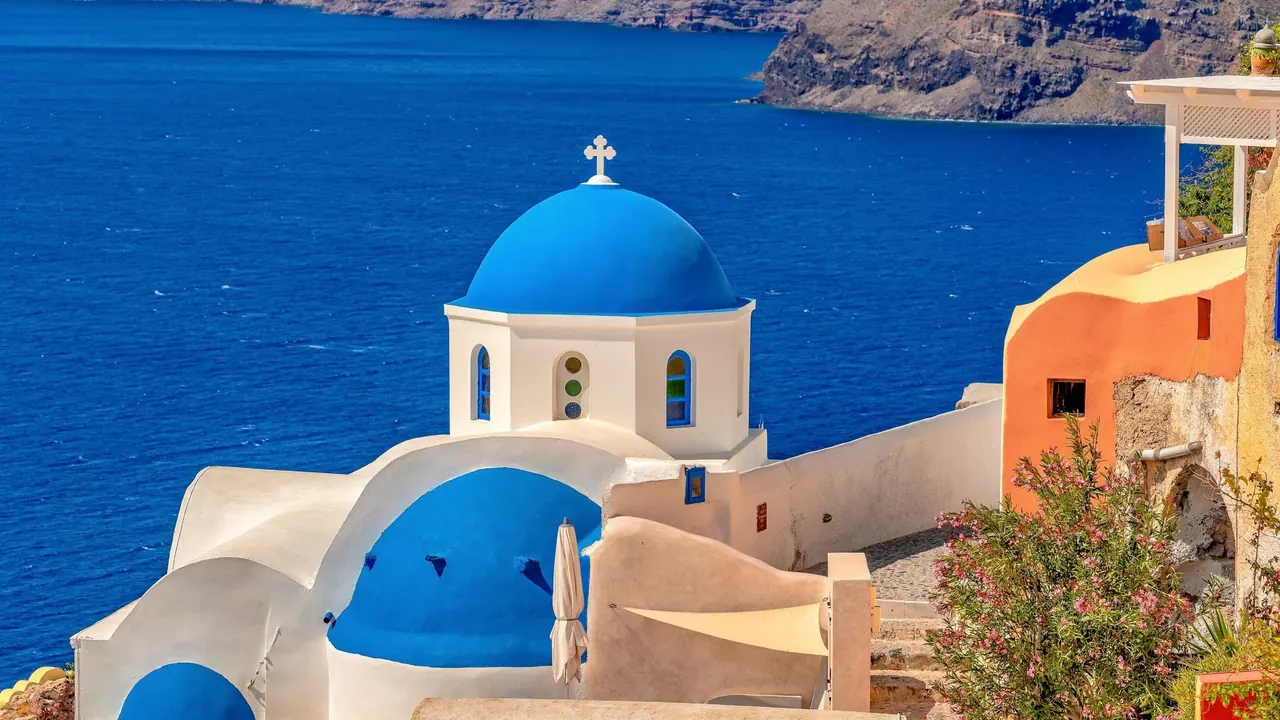
Blue domes above the Aegean in Oia, Santorini
- Culture & sights93
- Beaches92
- Nature & outdoors83
Photo: Wojciech Wyszkowski, Pexels License
Match
72
Every category weighted equally
- Beach & sun73
- Culture & arts72
- Food & nightlife71
- Family trip72
- Outdoors75
- Relax & unwind71
- Shopping & style69
- On a budget70
Greece in twelve categories
Our verdict on the country as a whole, scored 0 to 100 against the same fixed benchmark cities as every destination, so a score means the same thing on every page.
Beaches & swimming. Scores 92 out of 100.
Food & drink. Scores 80 out of 100.
Culture & sights. Scores 93 out of 100.
Nightlife. Scores 80 out of 100.
Nature & outdoors. Scores 83 out of 100.
Day trips. Scores 82 out of 100.
Good for families. Scores 70 out of 100.
Getting around. Scores 55 out of 100.
Shopping & style. Scores 55 out of 100.
Affordability. Scores 60 out of 100.
Live music & performing arts. Scores 60 out of 100.
Wellness & relaxation. Scores 50 out of 100.
Greece category by category
Under each: where in Greece it is best, and our destinations in Greece that score highest on it.
Beaches & swimming
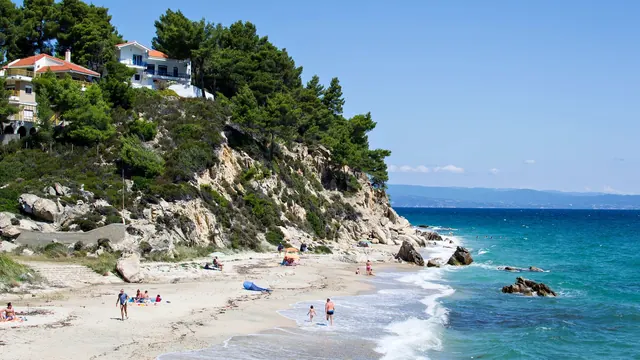
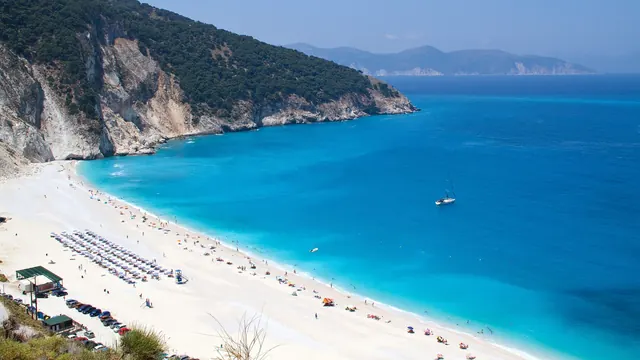
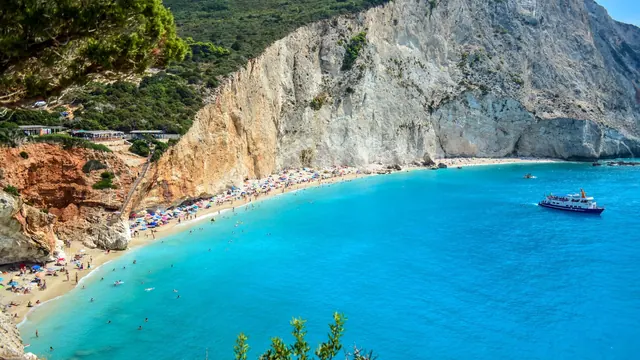
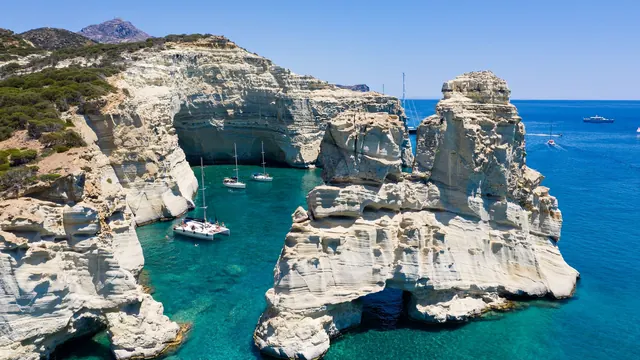
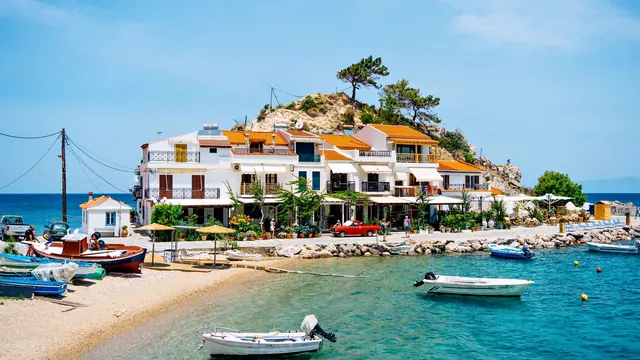
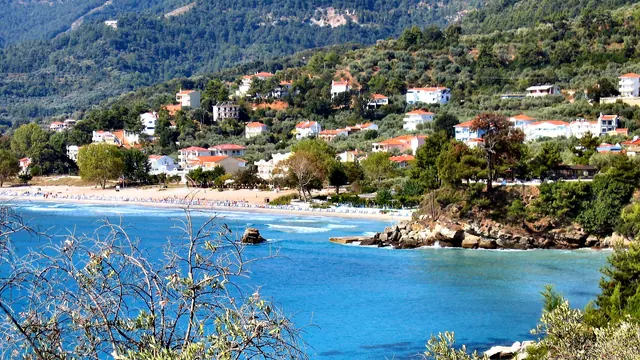
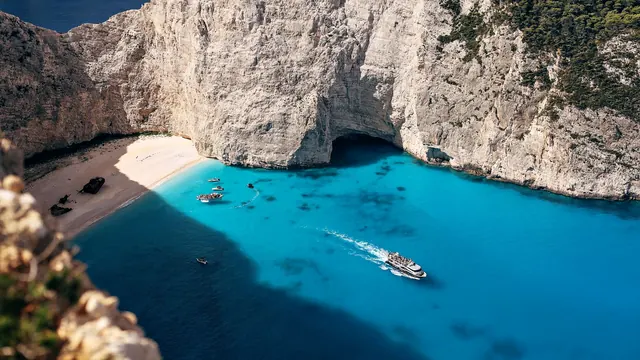
92Beaches are the backbone of most trips to Greece, and the choice is unusually wide. In the Cyclades, Milos has white volcanic coves, Naxos and Paros have long sandy bays, and Mykonos and Ios have party beaches. The Ionian Islands, above all Kefalonia, Zakynthos and Lefkada, have bright turquoise water under white cliffs. Crete has the pink-tinged sand and shallow lagoons of Elafonisi and Balos on its west coast and long resort beaches along the north. On the mainland, the three green peninsulas of Halkidiki have calm, sandy bays, and the Peloponnese adds quiet coves.
The sea is clear almost everywhere and warms to about 24-26°C by August. It is comfortable from June to October, and colder and windier in spring. Many island beaches are shingle or pebble rather than sand, and the Cycladic meltemi wind can whip up the north-facing shores in high summer. When that happens, the sheltered south coasts are the better choice.
Where: Cyclades, Ionian Islands, Crete, Halkidiki
Our top destinations in Greece
Food & drink
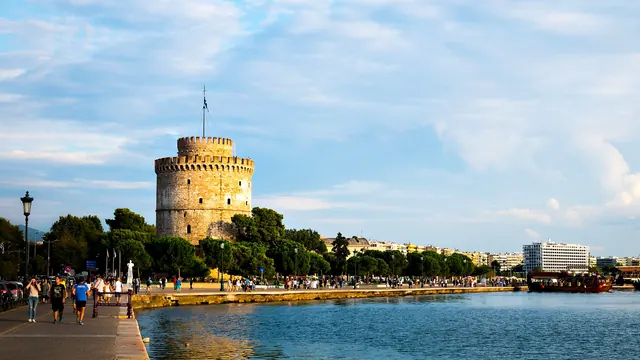
80Greek food is simple, seasonal and built on olive oil, vegetables, cheese and fish. A visitor meets it at its best in family tavernas, not in grand restaurants. Thessaloniki is the country's most serious eating city, with bougatsa for breakfast, meze bars and a strong Anatolian and Balkan streak. Athens has the widest range, from souvlaki counters and the Varvakios central market to ambitious modern Greek kitchens. Crete has its own cuisine of wild greens, snails, sheep's cheeses and raki.
On the islands, eating means grilled fish by the water, slow-cooked dishes in village tavernas and local cheeses that change from island to island. Wine is a real reason to come: Assyrtiko grown on Santorini's volcanic soil, the red wines of Nemea in the Peloponnese and Naoussa in Macedonia, and ouzo and tsipouro with small plates in the late afternoon. Menus in the busiest resorts can feel repetitive, and the best meals are usually one street back from the beach.
Where: Thessaloniki, Athens, Crete, Santorini
Our top destinations in Greece
Culture & sights
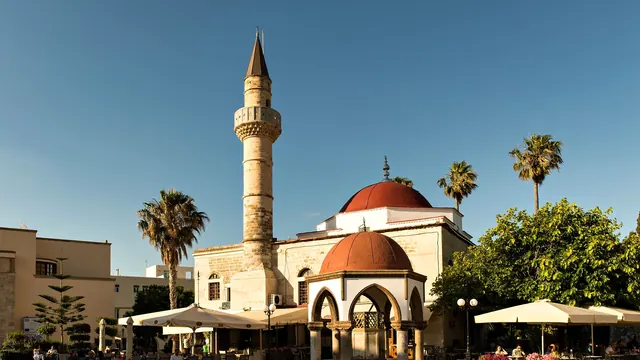
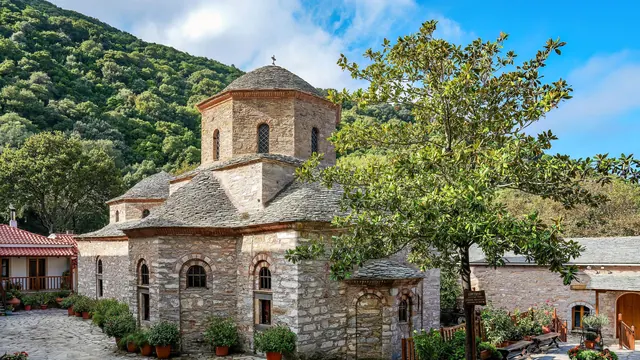
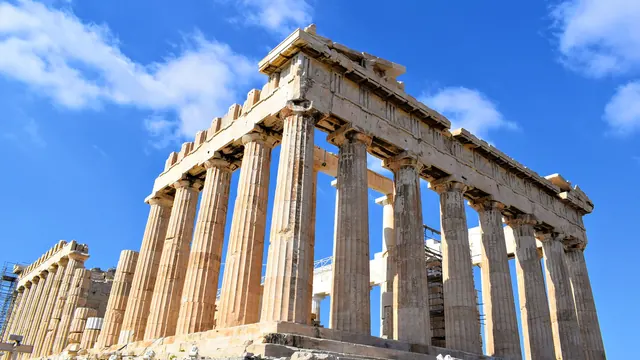
93Greece is one of the places where Western heritage began. Athens has the Acropolis and the Parthenon, the Ancient Agora, the Acropolis Museum and the National Archaeological Museum, one of the great collections of ancient art. Beyond the capital, the classical sites follow one another. The Peloponnese has Olympia in its wooded valley, Mycenae and the theatre at Epidaurus in the Argolid, and Mystras, a ruined Byzantine town on a hillside. Delphi sits on the slopes of Parnassus, Crete has the Palace of Knossos, and Delos has its sanctuary.
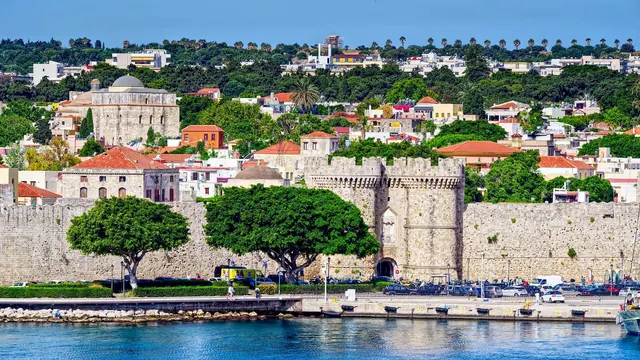
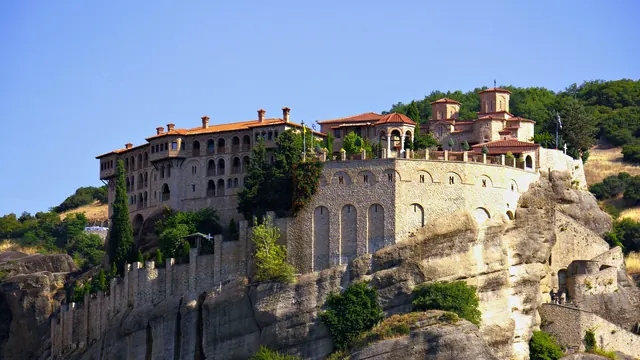
The later layers are as rich. Thessaloniki has early Christian and Byzantine churches and the Rotunda, and the Macedonian royal tombs at Vergina are nearby. The monasteries of Meteora sit on top of rock pillars. Rhodes has a walled medieval town built by the Knights, and Corfu has a Venetian old town. A visitor can easily build two weeks around heritage alone.
Where: Athens, Peloponnese, Crete, Thessaloniki
Our top destinations in Greece
Nightlife
80Greeks go out late. Dinner starts at ten, and bars fill around midnight and stay busy until near dawn. Athens has the deepest scene, with cocktail and wine bars in Psyrri, Exarchia and Koukaki, and in summer clubs move down to the coast towards Glyfada and Vouliagmeni. Thessaloniki, a large student city, has a famous going-out culture along the waterfront and in the Ladadika warehouse quarter.
On the islands, Mykonos has world-known beach clubs and late bars in Little Venice. Ios is the young backpacker party island, and Paros, Malia on Crete and Laganas on Zakynthos have their own crowds. Bouzoukia clubs, where Greek pop singers perform late into the night, are a local institution. Outside summer the islands fall almost silent, and the cities carry the night alone.
Where: Athens, Thessaloniki, Mykonos, Ios
Our top destinations in Greece
Nature & outdoors
83Greece is far more mountainous than its beach image suggests. In the northwest, the Zagori villages and the Vikos Gorge in the Pindus offer some of the best walking in southern Europe, along stone bridges and old mule paths. On Crete, the Samaria Gorge and the White Mountains are full-day hikes. Mount Olympus rises close to the sea and can be climbed over two days, and the Peloponnese has the Lousios Gorge and the Mani peninsula.
The coast suits water sports as much as walking. Sailing between the Ionian or Cycladic islands is a classic way to see the country. Kefalonia and Milos are good for sea kayaking around cliffs and caves, and Paros and Naxos are windsurfing bases in the meltemi. The best hiking season is spring and autumn, when the hills are green and the heat has eased. July and August are too hot for long walks in the south.
Where: Zagori and the Vikos Gorge, Crete, Mount Olympus, Ionian Islands
Our top destinations in Greece
Day trips
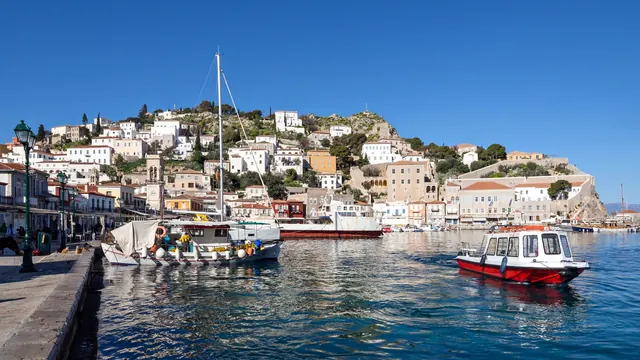
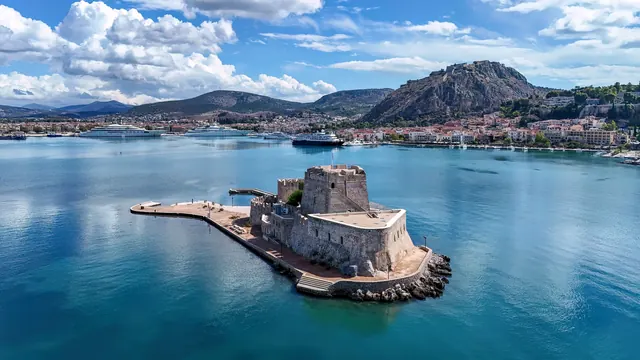
82Athens is the best base for days out. The islands of Aegina, Poros and car-free Hydra are an easy ferry ride away, Cape Sounion's temple is about an hour along the coast, and the Argolid, with ancient Corinth, Mycenae, Epidaurus and the Venetian town of Nafplio, can be reached in a long day. Delphi is a little over two hours inland. Nafplio is a good base of its own for the Argolid sites, and the Byzantine town of Mystras is within reach of it.
Thessaloniki reaches the royal tombs of Vergina, ancient Pella and the lakeside town of Kastoria. On Crete, Knossos, Heraklion and the old Venetian harbours of Chania and Rethymno are all in day range of each other. From Mykonos, boats run to Delos. Most outings outside Athens need a hire car or a tour, since rail is limited.
Where: Athens, Nafplio, Thessaloniki, Crete
Our top destinations in Greece
Good for families
70Greece works well for families on a beach trip and less well as a sightseeing tour. Children are welcome everywhere. Tavernas are relaxed about small diners, and families eat out together late into the evening. Many beaches shelve gently into calm, warm water, especially on Crete's north coast, in Halkidiki, on Rhodes and on Corfu.
Attractions made for children are fewer. Crete has a large aquarium near Heraklion and several water parks, Rhodes and Corfu also have water parks, and Athens has a zoological park and a few interactive museums. The ancient sites can be thrilling for older children, but they are shadeless and hot in July and August. Short ferry crossings and smaller islands are easier than long island-hopping with luggage.
Where: Crete, Halkidiki, Rhodes, Corfu
Our top destinations in Greece
Getting around
55Getting around Greece means ferries, buses and often a hire car. Athens is the easiest place to get around. It has a clean, simple metro that runs to the airport and the port of Piraeus, and the centre is walkable. A main rail line links Athens and Thessaloniki, but trains reach few other places a visitor wants to go. Regional buses connect towns on the mainland and the larger islands reliably, but less often than you might hope.
The ferry network is extensive, and within the Cyclades boats link neighbouring islands easily. Crossing between island groups often means going back through Piraeus, and strong summer winds sometimes stop sailings. Domestic flights help on the longer hops to Crete, Rhodes and the north. Crete has good buses along its north coast, but there, as on most islands and in the mainland mountains, a car or scooter gives the freedom that buses cannot. Narrow, winding roads make driving slow.
Where: Athens, Cyclades, Crete
Our top destinations in Greece
Shopping & style
55Shopping in Greece is mostly about crafts and good food products. Athens has the most variety: high-street chains on Ermou, designer boutiques and Greek jewellery in Kolonaki, the Monastiraki flea market, and workshops in Plaka making handmade leather sandals. Thessaloniki has its own fashion streets and a busy market.
On the islands, Mykonos and Santorini have upmarket boutiques and jewellery. Crete is good for knives, weaving and ceramics, and Sifnos for pottery. Olive oil, honey, thyme, mastic from Chios and local wines are the things most visitors take home. Away from these places, shops in the resorts sell much the same souvenirs, and the country has little luxury shopping.
Where: Athens, Thessaloniki, Mykonos, Crete
Our top destinations in Greece
Affordability
60Greece can be quite cheap or very expensive, depending on where and when you go. Taverna meals, ferries, buses and family-run rooms are moderately priced in most of the country. Thessaloniki, the Peloponnese, inland Crete and the larger, less fashionable islands such as Naxos give good value, and so does Epirus. Mykonos and Santorini sit at the other extreme, where hotels with caldera views and beach clubs charge luxury prices.
July and August push up room rates everywhere on the coast, and ferry fares add up on long island-hopping routes. May, June and September cost noticeably less, and the sea is still warm. Entry fees at the major ancient sites are significant but not extreme.
Where: Thessaloniki, Peloponnese, Crete, Naxos
Our top destinations in Greece
Live music & performing arts
60The most memorable performances in Greece take place in ancient theatres. Every summer, the Athens and Epidaurus Festival stages classical drama, opera and concerts in the Odeon of Herodes Atticus below the Acropolis and in the theatre at Epidaurus, where the acoustics carry an unamplified voice to the top row. For the rest of the year, Athens has the Greek National Opera at the Stavros Niarchos cultural centre, the Megaron concert hall and a large Greek-language theatre scene.
Live Greek music is the other draw. Rebetiko, the urban blues of the 1920s, is played in small tavernas in Athens and Thessaloniki, and traditional music fills village festivals across the islands in summer. Thessaloniki has a concert hall and its own state theatre. Away from the two big cities, there is little to attend outside the summer festivals.
Where: Athens, Epidaurus, Thessaloniki
Our top destinations in Greece
Wellness & relaxation
50Greece has a long tradition of thermal springs, but it is a modest, mostly Greek one, and few visitors plan a trip around it. The best known is Edipsos, in northern Evia, where hot mineral water has been used since Roman times. It runs down to the shore and mixes with the sea in shallow rock pools, and the town has a row of old spa hotels. On the Athens Riviera, Lake Vouliagmeni is a spring-fed lake under a limestone cliff that stays at about 22°C even in winter. In the mountains of Macedonia, the Pozar baths have warm pools and a river below a waterfall, and they are at their best in the cold months.
Ikaria is where the springs and a slow pace come together. Its hot springs at Therma include pools on the rocks by the sea, and island life runs on late, unhurried hours. Outside these places, treatments mean hotel spas in the resorts, and there is no hammam or bathing culture in daily life. Mykonos, Santorini and the big resorts in August are crowded and loud, so for rest, go in spring or autumn.
Where: Edipsos (Evia), Lake Vouliagmeni, Pozar baths (Loutra Aridaias), Ikaria
Our top destinations in Greece
When should you go?
Greece has no single climate. Its months are measured at Athens, Crete and Corfu; pick one to see it. The figures are measured averages, not a forecast.
Where in Greece
Athens in July
Daytime high, °C
Rainfall in the month, mm
Temperature and rainfall are climate normals, averaged over the years shown. Athens: 1991-2020 normals, Athens / Athenai / Pláka (2.2 km from centre).
Compare Greece with
Every comparison with a written verdict behind it.
Our destinations in Greece
Every place in Greece with its own page: its twelve scores, its texts and its months.