Saranda
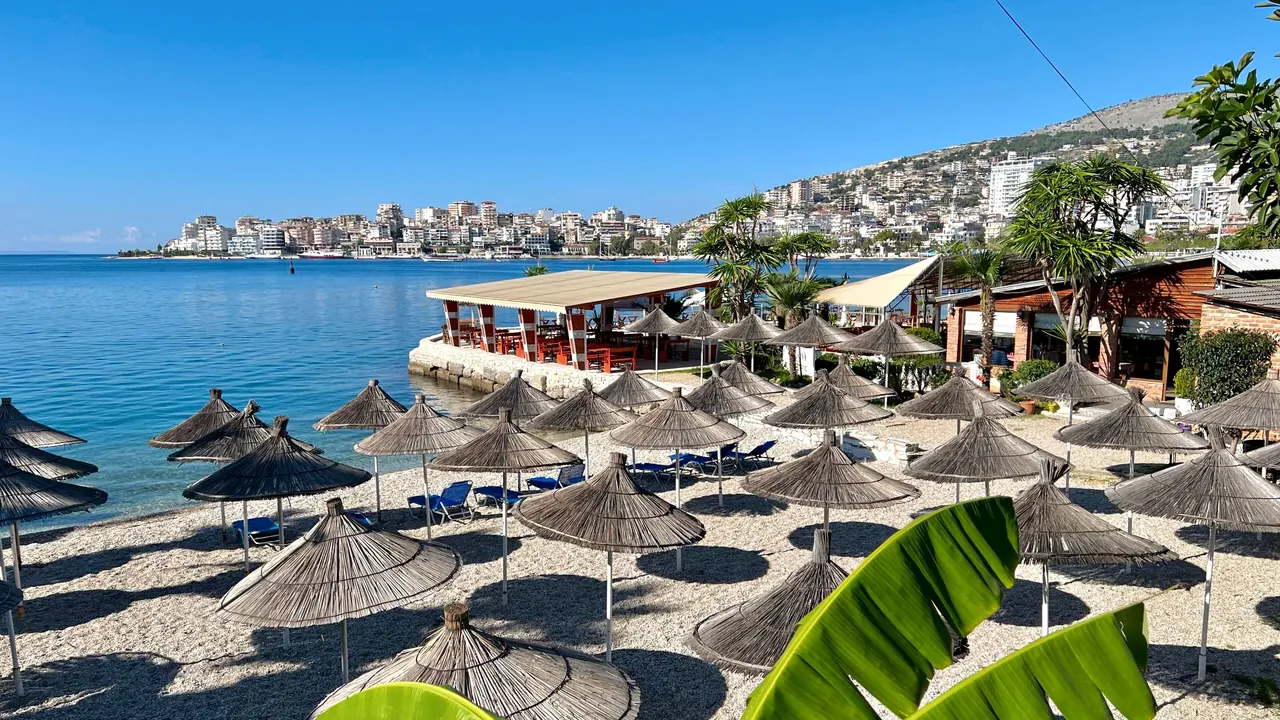
Beach parasols on Saranda's seafront with the town behind
- Beaches80
- Day trips72
- Affordability72
Photo: Sharon Hahn Darlin, CC BY 2.0, cropped
Match
43
Every category weighted equally
- Beach & sun50
- Culture & arts37
- Food & nightlife38
- Family trip50
- Outdoors52
- Relax & unwind45
- Shopping & style36
- On a budget46
Saranda in twelve categories
Our verdict on each, scored 0 to 100 against the same fixed benchmark cities, so a score means the same thing on every page.
Beaches & swimming. Scores 80 out of 100.
Food & drink. Scores 38 out of 100.
Culture & sights. Scores 22 out of 100.
Nightlife. Scores 38 out of 100.
Nature & outdoors. Scores 62 out of 100.
Day trips. Scores 72 out of 100.
Good for families. Scores 40 out of 100.
Getting around. Scores 45 out of 100.
Shopping & style. Scores 15 out of 100.
Affordability. Scores 72 out of 100.
Live music & performing arts. Scores 7 out of 100.
Wellness & relaxation. Scores 25 out of 100.
Saranda category by category
Beaches & swimming
80Beach life is the reason most people come to Saranda. The town's own shore is a string of small pebble beaches below the promenade, fine for a quick swim but busy in summer. The real draw lies about 20 minutes south at Ksamil, where pale coves and little offshore islets sit in water so clear it looks shallow even when it is not. The Ionian reaches about 25°C in August and stays swimmable from June into October.
North along the Riviera, within an hour or so by road, are longer, quieter bays such as Lukova and Borsh, mostly pebble and backed by olive groves. In July and August the nearest beaches fill with sunbeds packed close together, so travellers who want space go early, take a boat to the islets or head north.
Food & drink
38Eating in Saranda means seafood on the promenade and southern Albanian home cooking. Mussels farmed in the Butrint lagoon, grilled fish, octopus and squid turn up everywhere, alongside byrek from bakeries in the morning, grilled meats, stuffed peppers and salads drenched in local olive oil. Family-run taverns in the back streets often cook better than the seafront terraces aimed at passing trade. The range stops there: little international cooking, no serious fine dining and a thin coffee and wine culture, though Albanian raki and simple local wine are always on hand.
Culture & sights
22The town itself is modern and has few sights. In the centre, the excavated remains of an ancient synagogue that later became a church show fine mosaic floors, and stretches of old city wall survive between the apartment blocks. Above the town, Lekuresi Castle, an Ottoman fortress, is mainly visited for its views over the bay to Corfu, and the hilltop ruins of the Forty Saints monastery, which gave Saranda its name, are nearby. Anyone after history spends most of their time at the sites outside town.
Nightlife
38Saranda's nights are a summer affair. In July and August the seafront promenade fills after dark with families on the evening stroll, then with cocktail bars playing loud music until well after midnight, and a few beach clubs at Ksamil and along the shore run later with DJs. The crowd is young, many of them Albanians and Kosovars on vacation. Outside the high season the bars thin out and a night out ends with a drink on the waterfront.
Nature & outdoors
62Saranda sits on a horseshoe bay with bare limestone mountains behind it and Corfu across the strait, a setting best seen from the hills above town at sunset. To the south, Butrint National Park mixes lagoon, reed beds and oak woods, good for birdwatching and quiet walks. Inland, about 40 minutes by road, the Blue Eye is a spring of startling blue rising from a deep hole in a shaded wood.
The Riviera coast to the north brings cliff roads, sea kayaking and boat trips to caves and empty coves, and trails climb into the mountains above the villages. Hiking is largely unmarked and summer heat limits the walking season to spring and autumn.
Day trips
72Saranda has a short but excellent list of day trips. Butrint, about half an hour south, is a large ancient city in a lagoon woodland, with a Greek theatre, Roman baths, a baptistery mosaic and Venetian walls layered over each other. Gjirokaster, about an hour and a quarter inland, is an Ottoman hill town of stone-roofed tower houses below a great castle.
A ferry crosses to Corfu in under an hour, putting the island's Venetian old town and fortresses within an easy day. Up the Riviera, the old village of Himara and the small fortress at Porto Palermo combine well with a coastal drive, and the Mesopotam monastery is on the way inland.
Good for families
40Children are welcomed warmly and the calm Ionian water suits young swimmers, especially in the sheltered coves at Ksamil. The evening promenade, with ice cream, rides and street sellers, is a family scene. Beyond the sea there is nothing built for children: no zoo, aquarium or theme park. Town streets are steep, pavements are patchy, traffic is chaotic in summer and the beaches are packed in August, so families do best with a pool hotel and a slower stay in June or September.
Getting around
45The centre of Saranda is compact, and the long seafront promenade ties together most restaurants, beaches and the port on foot, though hotels on the slopes above mean steep climbs. Local buses run south to Ksamil and Butrint, and minibuses go to other towns, but there are no printed timetables and travellers ask locals. For the Blue Eye, the Riviera beaches or Gjirokaster, a hire car, taxi or organised trip is much easier. Roads are narrow and winding, and summer traffic jams the coast road.
Shopping & style
15Shopping is limited to beachwear, souvenirs and everyday goods along the promenade and the streets behind it. The best things to bring home are local: olive oil, mountain honey, raki and dried herbs from market stalls and small grocers. For crafts, such as carved stone and copperwork, the old bazaar in Gjirokaster is a better bet than anything in town.
Affordability
72Saranda is an inexpensive place for a seaside stay by European standards. Simple meals of grilled fish or byrek, local buses and taxis cost little, and Butrint's entrance fee is modest. Rooms in apartments and small family hotels off the seafront are good value for most of the year. July and August are a different picture: sunbeds at Ksamil, seafront hotels and the busier terraces cost noticeably more, and booking early matters. Late spring and September give the same sea at far lower prices.
Live music & performing arts
7There is very little to attend. In summer there may be open-air concerts on the seafront and occasional performances in the ancient theatre at Butrint, and some restaurants have live Albanian music on busy nights. Otherwise there is no theatre, concert hall or regular venue, and visitors interested in traditional polyphonic singing are better off looking inland around Gjirokaster.
Wellness & relaxation
25Saranda has no bathing tradition, and wellness means a hotel spa or a massage at a beach resort. The pace depends on the month. In July and August the town is loud, with music, traffic and crowds into the night. In May, June and late September it slows to long lunches, quiet terraces and evening walks by the bay, and that is when it suits travellers looking to unwind.
When should you go?
Pick a month to see what it is like. The climate figures are measured averages, not a forecast.
Saranda in July
Daytime high, °C
Rainfall in the month, mm
The whole year
Shaded against this destination’s own year: the deepest cell is its best month for that figure and the palest its weakest.
Where the figures come from
Saranda's temperatures are measured 30 km from the centre, at Kerkyra Airport.
Saranda has no rain gauge within 25 km of the centre, so its rainfall comes from a gridded climate dataset read at the destination rather than from a gauge further away.
Temperature and rainfall are climate normals, averaged over the years shown. Saranda: 1991-2020 normals, Kerkyra Airport (29.8 km from centre).
Before you go
| Measure | Saranda |
|---|---|
| Official language | Albanian |
| Currency | Lek (ALL) |
| Sockets | CF220 V, 50 Hz |
| Driving side | Right |
| Time zone | UTC+1, UTC+2 in summer |
| Emergency number | 112 |
| Elevation | 0 m |
| Main airport | Corfu Ioannis Kapodistrias International Airport (CFU)32 km from centre88 non-stop destinations |
| Public holidays this year | 14 days |
By the numbers
| Measure | Saranda |
|---|---|
| Population | 22,613 |
| People per km² | 383 |
| Museums within 10 km | 0 |
| UNESCO World Heritage sites within 50 km | 3 |
| Swim season, months above 21 °C | 5 months |
Compare Saranda with
Every comparison with a written verdict behind it.
 Amalfi
 Athens
 Bari
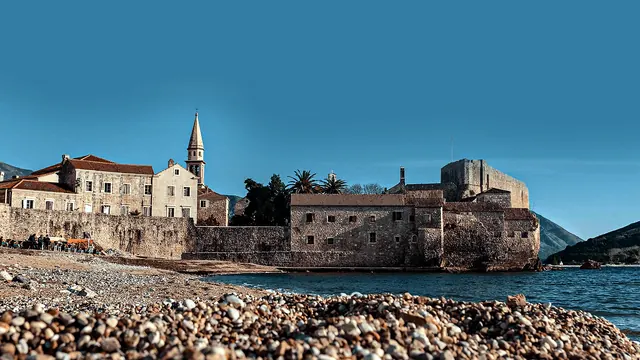 Budva
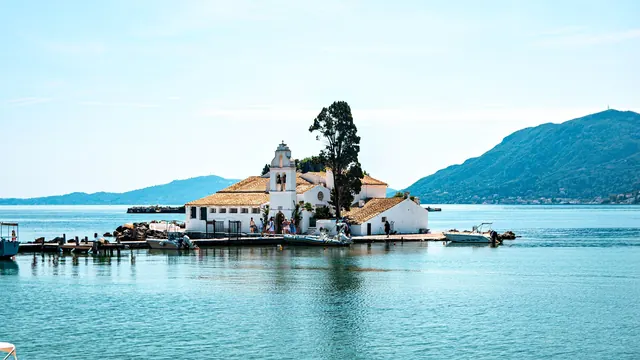 Corfu
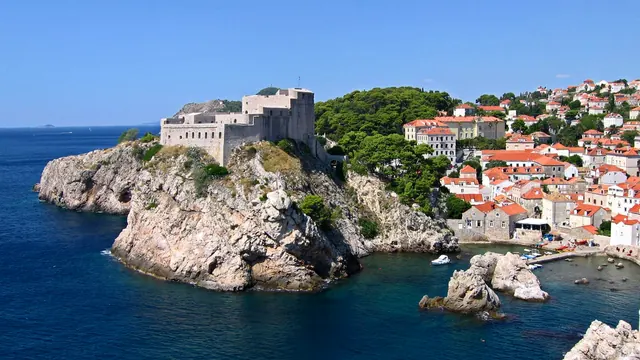 Dubrovnik
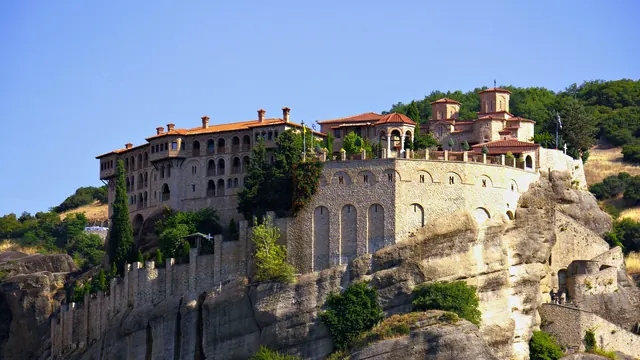 Kalambaka
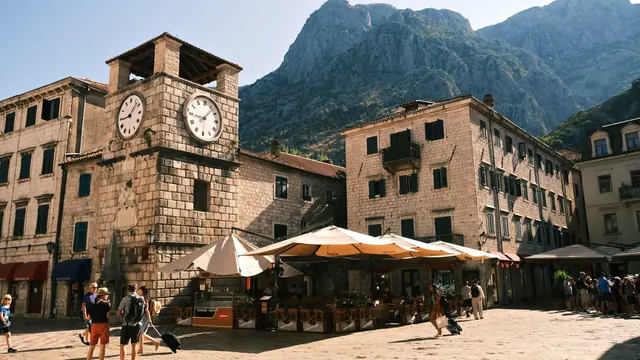 Kotor
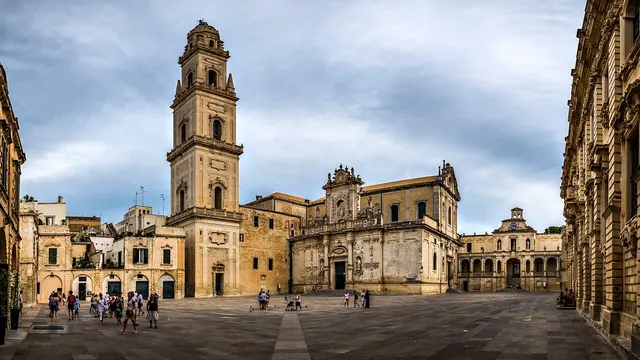 Lecce
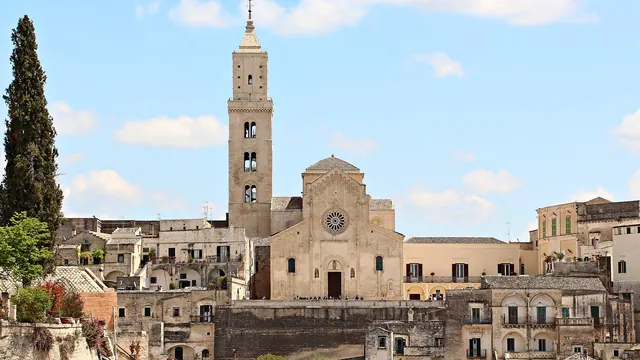 Matera
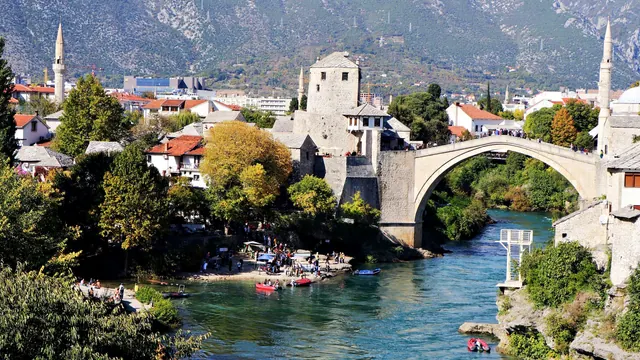 Mostar
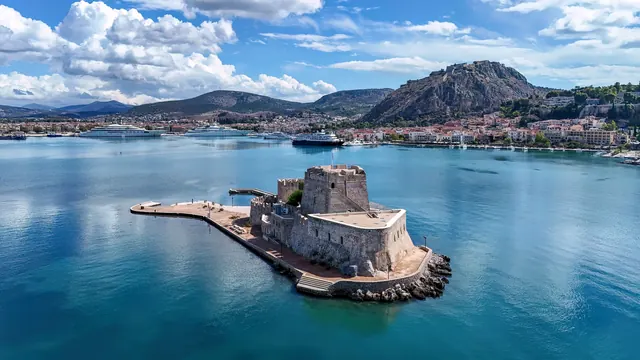 Nafplio
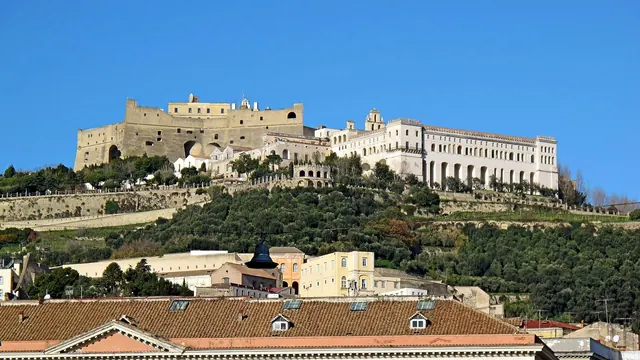 Naples
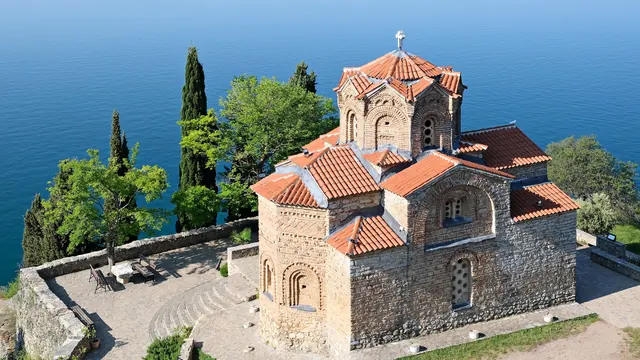 Ohrid
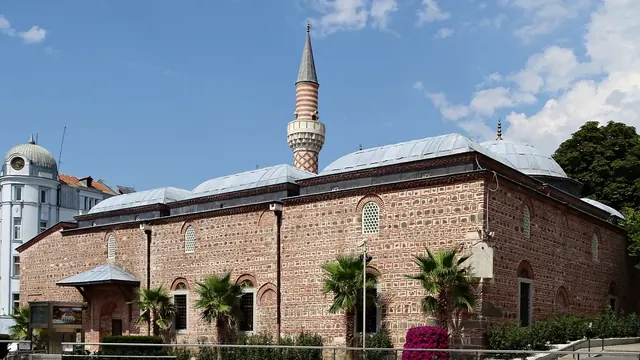 Plovdiv
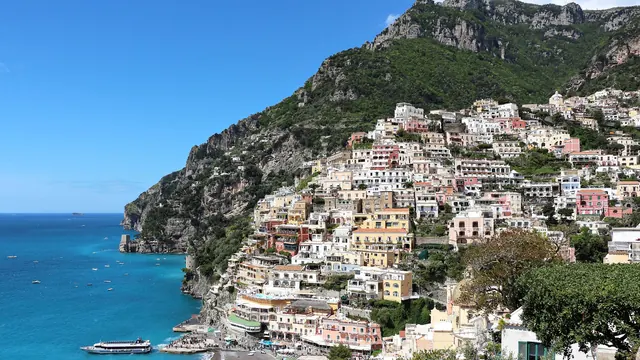 Positano
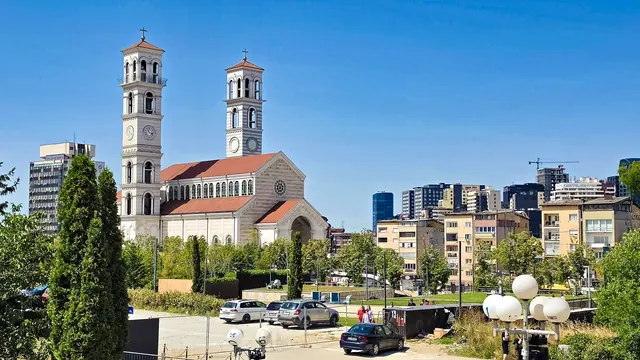 Pristina
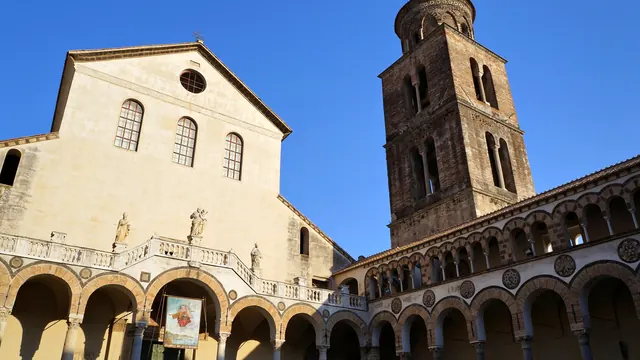 Salerno
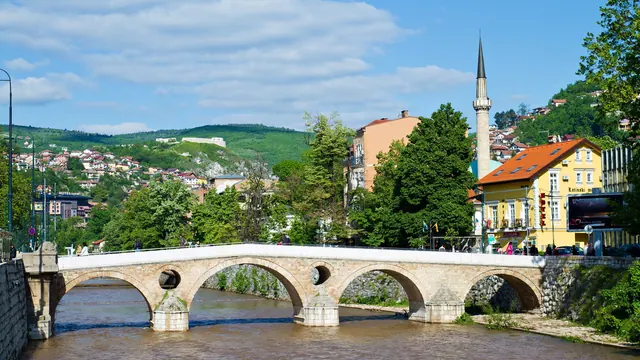 Sarajevo
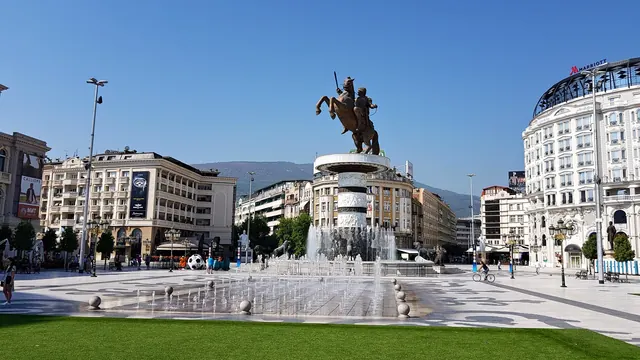 Skopje
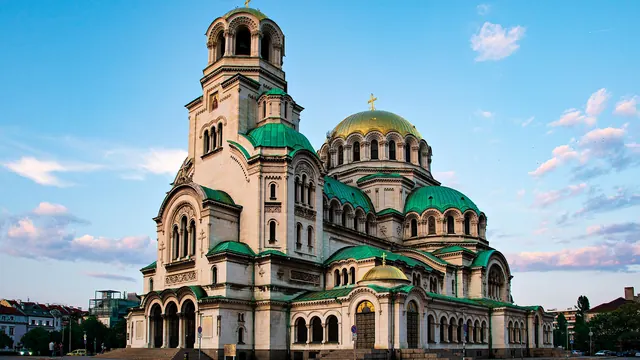 Sofia
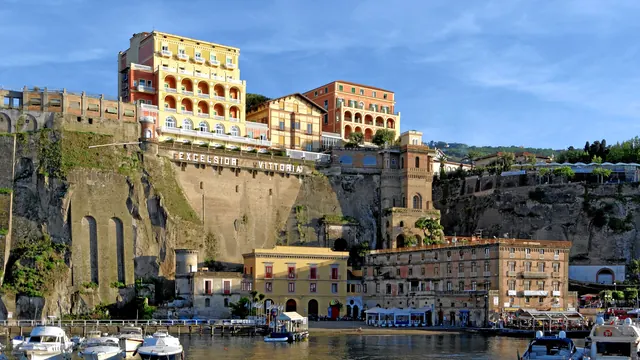 Sorrento
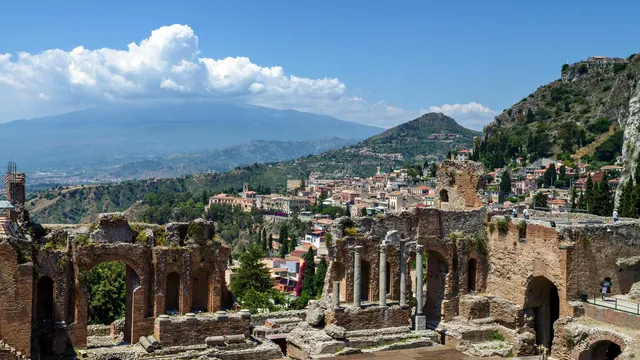 Taormina
 Thessaloniki
 Tirana