Portugal
Faro
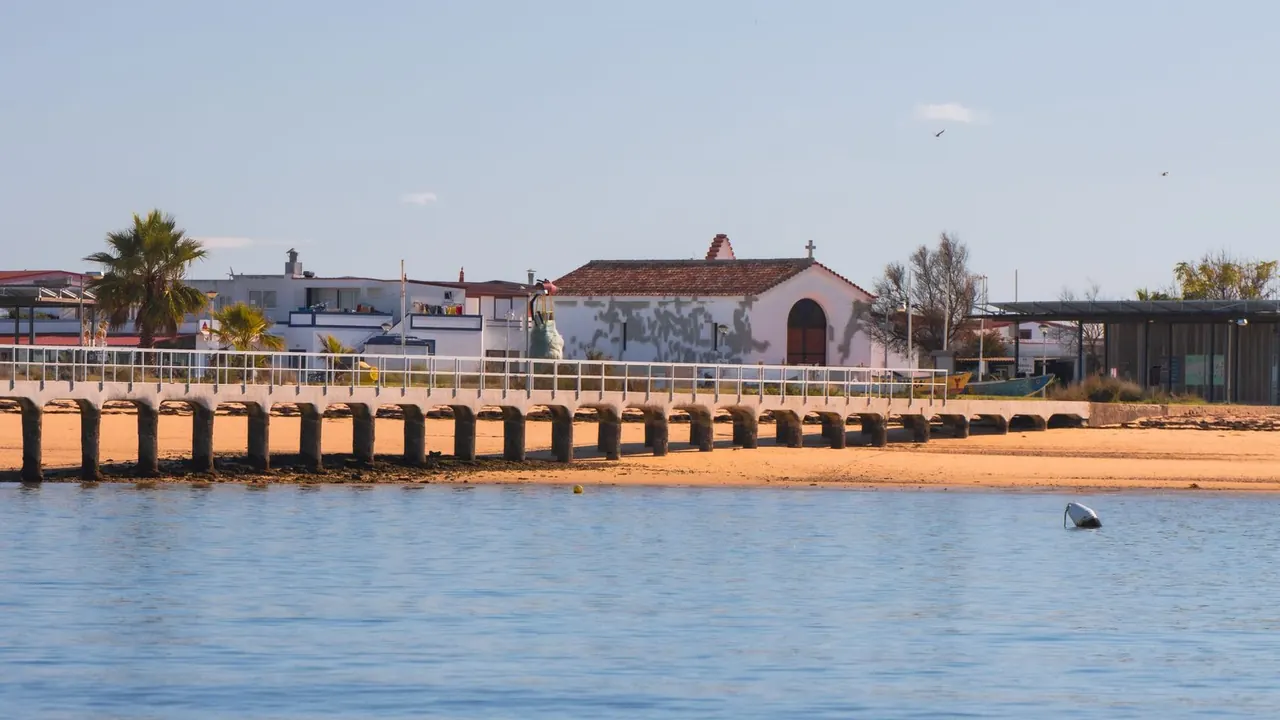
A jetty on the lagoon
- Beaches74
- Day trips64
- Nature & outdoors62
Photo: Efrem Efre, Pexels License
Match
49
Every category weighted equally
- Beach & sun53
- Culture & arts46
- Food & nightlife45
- Family trip56
- Outdoors55
- Relax & unwind51
- Shopping & style46
- On a budget51
Faro in twelve categories
Our verdict on each, scored 0 to 100 against the same fixed benchmark cities, so a score means the same thing on every page.
Beaches & swimming. Scores 74 out of 100.
Food & drink. Scores 48 out of 100.
Culture & sights. Scores 35 out of 100.
Nightlife. Scores 32 out of 100.
Nature & outdoors. Scores 62 out of 100.
Day trips. Scores 64 out of 100.
Good for families. Scores 60 out of 100.
Getting around. Scores 60 out of 100.
Shopping & style. Scores 35 out of 100.
Affordability. Scores 60 out of 100.
Live music & performing arts. Scores 30 out of 100.
Wellness & relaxation. Scores 33 out of 100.
Faro category by category
Beaches & swimming
74Faro sits behind the lagoon of the Ria Formosa, so its beaches are on the long sandy barrier islands rather than in town. Praia de Faro, on the Ilha de Faro, is reached by road over a narrow bridge, about twenty minutes by bus. In summer, ferries from the old town quay go to Ilha Deserta and the island of Culatra, where the sand runs for kilometres with little behind it but dunes. The sea on this stretch is calmer and warmer than on Portugal's west coast, around 21-23°C in late summer.
Within an hour you can also reach the island beach of Tavira, reached by boat, and the golden cliffs and coves around Albufeira and Vilamoura. The season runs from June to September, with warm days well into October. The one drawback is that the beach is always a short trip away and never outside your door.
Food & drink
48Eating here centres on the lagoon and the sea. Clams, oysters and cockles from the Ria Formosa, grilled sardines and fresh fish sold by weight, and cataplana, a seafood stew cooked in a hinged copper pan, are the dishes to look for. Simple grill houses around the old town and the marina serve them at fair prices, and the market hall is a good place to see the morning catch. Pastry shops sell Algarve sweets made with almond, fig and carob.
The range is narrow, though. Fine dining and international cooking are limited, and the stronger fish markets and seafood restaurants are in Olhão, a short train ride east. It is good, honest regional food, but not a reason to choose the town.
Culture & sights
35The heart of Faro is the Cidade Velha, a small old town inside medieval walls. You enter it through the Arco da Vila and find quiet cobbled lanes, whitewashed houses and storks nesting on the bell towers. The Sé, the cathedral, combines Gothic, Renaissance and Baroque work, and its tower looks out over the lagoon. The municipal museum is housed in a Renaissance convent cloister and holds a fine Roman mosaic.
Just outside the walls, the Baroque Igreja do Carmo has the Capela dos Ossos, a chapel lined with the bones of monks. These sights are worth a relaxed day. Beyond that, the town has little else of note, and the heritage most visitors remember lies elsewhere in the Algarve.
Nightlife
32Going out in Faro is low-key. Rua do Prior and the lanes near the marina have bar terraces and a few small clubs that stay open late. They are busiest on weekends and when the university is in term, and summer evenings bring people out to drink on the squares of the centre. Most visitors, though, end the night after a long dinner. If you want the Algarve's loud strip bars and big clubs, they are in Albufeira, about forty minutes away.
Nature & outdoors
62Faro's great natural asset is the Ria Formosa, a natural park of saltmarsh, channels, sandbanks and islands that begins at the edge of the old town. You can explore it by boat, kayak or stand-up paddleboard. It is excellent for birds: flamingos, spoonbills and herons feed in the salt pans, and Ludo, on the western side, is a favourite walk for birdwatchers. Flat lanes along the lagoon also make easy cycling.
Inland, the cork-oak hills of the Serra do Caldeirão offer quieter walking on the Via Algarviana trail. The ochre sea cliffs and the coastal path past Carvoeiro are about an hour west. The country around the town is gentle rather than dramatic, and the summer heat makes mornings and the cooler months the best time to be outdoors.
Day trips
64The Algarve's towns are easy to reach from Faro. Tavira is about half an hour east by train, with a Roman bridge, many churches and a calm riverfront. Olhão, closer still, has fishing-town lanes and big market halls. Inland, Loulé has a Moorish-style market hall and a hilltop castle, and the Roman villa ruins at Milreu, near Estói, are only a short drive away. Silves, once the Moorish capital of the region, keeps its red sandstone castle.
Further west, Lagos has a walled old town and Sagres has its fortress on the headland, both a longer but manageable day out. To the east, the whitewashed village of Cacela Velha looks over the lagoon. Seville, across the Spanish border, can be reached in about two hours by road, which makes it a long but worthwhile day.
Good for families
60For children, Faro works best as a calm base. The lagoon-side beaches are sandy and gentle, and boat trips to the islands are an adventure in themselves. There is a small hands-on science centre by the waterfront, and the old town is compact, quiet and safe for families to wander. Portuguese culture is warmly welcoming to children, who are expected at dinner even late in the evening.
The Algarve's big family attractions, a marine park with dolphin shows and several water parks, are near Albufeira and Lagoa, about thirty to forty minutes by car. Getting to them without a car is awkward, and the midsummer heat calls for early starts and a long break in the middle of the day.
Getting around
60The centre of Faro is small and largely flat, and everything from the old town to the marina, the shopping streets and the station is within a short walk. The airport is close by, and city buses run to it and out to Praia de Faro. Ferries leave from the quay below the old town walls for the lagoon islands.
Further afield, things get harder. The coastal railway links Faro with Tavira, Olhão and Lagos, but it is slow and many places lie away from it. Regional buses fill some of the gaps. Visitors who want to see much of the Algarve, or reach the inland villages and the western cliffs, usually hire a car for at least part of their stay.
Shopping & style
35Shopping in Faro is modest and practical. The pedestrian Rua de Santo António and the streets around it are lined with Portuguese chains, shoe shops and stores selling cork goods, hand-painted ceramics and tinned fish. A large shopping centre on the edge of town covers the mainstream brands. The best local buying is food and crafts: almonds, fig sweets, salt flower from the lagoon salt pans and pottery. Loulé's weekly market and its market hall, a short drive inland, offer more choice. There is no luxury or designer scene to speak of.
Affordability
60Faro is a working provincial town as well as a gateway to the Algarve, so everyday costs are moderate. Grilled fish lunches, house wine, coffee and pastries, buses and the few sights with an entry fee all come cheaply. Accommodation is where costs climb: rooms in July and August are priced for the beach season, and they are much easier on the budget in spring, autumn and winter. A hire car adds to the cost for those who want to tour the region.
Live music & performing arts
30For a small city, Faro has a steady if modest cultural calendar. The Teatro Lethes is a small, ornate nineteenth-century theatre that stages chamber music, plays and recitals. The larger modern municipal theatre, the Teatro das Figuras, hosts touring concerts, dance and the occasional opera production, and the region's classical orchestra performs there often.
Fado is not native to the Algarve. It turns up in a handful of restaurants that hold fado evenings and in occasional concerts, rather than in a quarter of fado houses with singers every night. Summer adds outdoor concerts and festivals in the squares and along the waterfront. Anyone travelling mainly for live performance will find the choice thin, and on many evenings there may be nothing on.
Wellness & relaxation
33Faro has no bathing tradition of its own, and wellness mostly means hotel and resort spas, which are concentrated along the golf coast west of town. What it does offer is pace. Long lunches, a slow walk along the lagoon at sunset and quiet winter months make it an easy place to unwind. The historic spring-water spa at Caldas de Monchique, in the western hills, is the region's one real bathing destination, but it is about an hour and a quarter away by car.
When should you go?
Pick a month to see what it is like. The climate figures are measured averages, not a forecast.
Faro in July
Daytime high, °C
Rainfall in the month, mm
The whole year
Shaded against this city’s own year: the deepest cell is its best month for that figure and the palest its weakest.
Temperature and rainfall are climate normals, averaged over the years shown. Faro: 1991-2020 normals, Faro / Aeroporto (2.8 km from centre).
Before you go
| Measure | Faro |
|---|---|
| Official language | Portuguese |
| Currency | Euro (EUR) |
| Sockets | CF230 V, 50 Hz |
| Driving side | Right |
| Time zone | UTC, UTC+1 in summer |
| Emergency number | 112 |
| Elevation | 10 m |
| Main airport | Faro - Gago Coutinho International Airport (FAO)3 km from centre91 non-stop destinations |
| Public holidays this year | 14 days |
By the numbers
| Measure | Faro |
|---|---|
| City population | 64,560 |
| People per km² | 319 |
| Museums within 10 km | 2 |
| UNESCO World Heritage sites within 50 km | 0 |
| Swim season, months above 21 °C | 3 months |
Compare Faro with
Every comparison with a written verdict behind it.