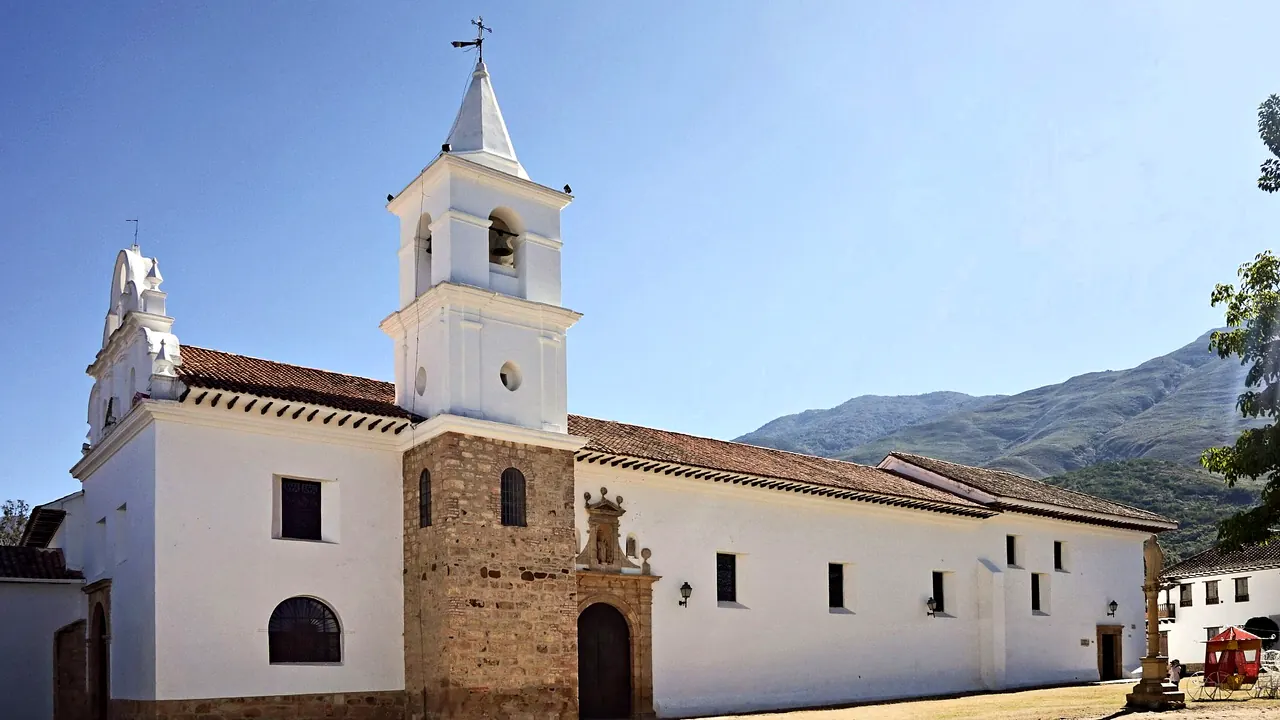
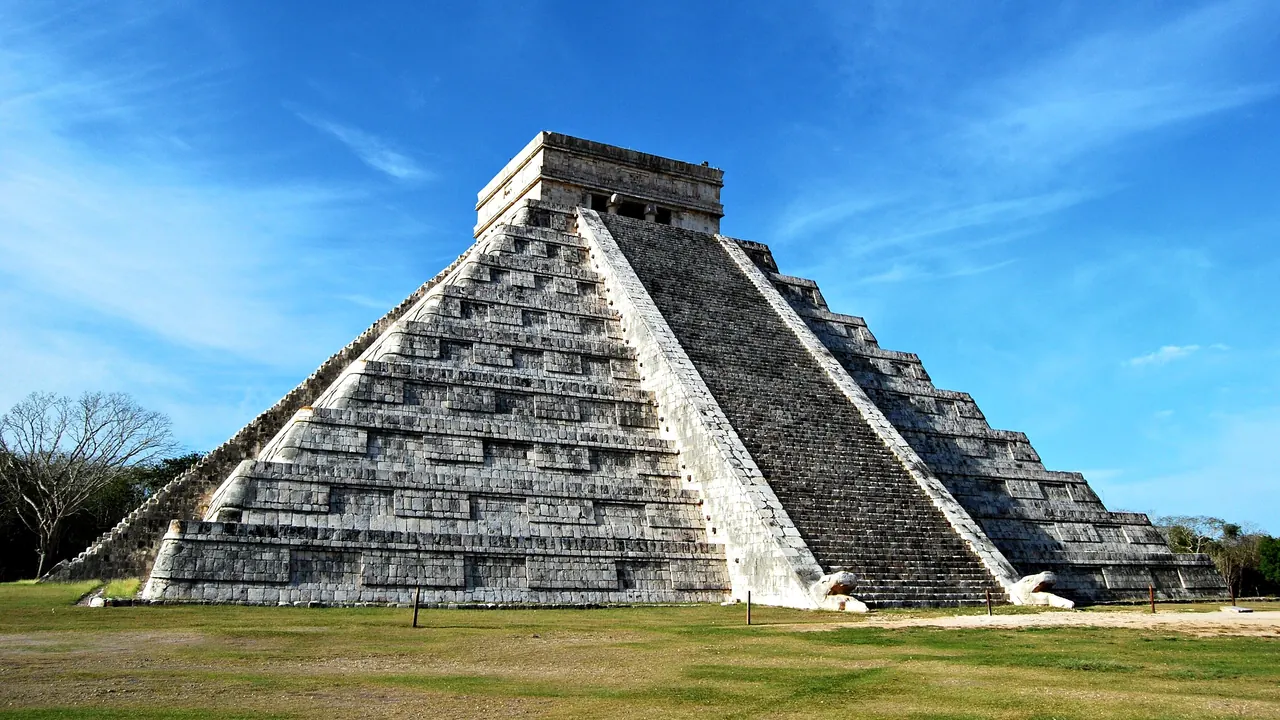
Photos: Colombia by Bernard Gagnon, CC BY-SA 4.0, cropped; Mexico by Bernard DUPONT from FRANCE, CC BY-SA 2.0, cropped.
Colombia or Mexico?
Our verdict in twelve categories, each scored against the same fixed benchmark cities, and the climate month by month, so you can choose for your trip.
Choose Colombia for
- prices
Pick Colombia if the trip is about dancing, mountains and making the money last. Its nights in Cali's salsa halls and Medellín's El Poblado are as good as any in Mexico. The Zona Cafetera, with its coffee farms, wax palms and cloud forest, makes a green and easy base. Away from Cartagena, guesthouses and set lunches cost very little. It suits independent adults who are happy to fly between regions and don't need a beach every day.
Choose Mexico for
- families
- food and drink
- beaches
Mexico is the better all-round choice, and the clear one for beaches, food and history. The Riviera Maya and the Pacific bays offer far easier swimming than Colombia's coast. Mexico City and Oaxaca are among the great places to eat anywhere, and the pyramids and colonial highland cities can fill two weeks of sightseeing. Families also get resorts, eco-parks and calm water that make travelling with children much simpler.
Scoreboard
Twelve categories on one fixed scale from 0 to 100. The shaded stretch is the gap between the two.
Your match
Pick a travel style or drag the sliders, and both match scores follow your weighting.
Wins on prices with your weighting.
Wins on families and food and drink with your weighting.
What matters to you?
Category by category
What the scores mean for a trip.
Beaches & swimming
In Colombia, a beach day usually starts with a boat. Cartagena's city sand is nothing special, so swimmers head out to the Rosario Islands and Barú. At Tayrona the currents leave only a few sheltered bays such as Cabo San Juan safe for swimming. The clearest water of all is on the reef around San Andrés and Providencia, which needs a flight and a trip of its own.
In Mexico you can walk out of your hotel and swim. The Caribbean shore from Cancun to Tulum is one long stretch of white sand and clear water, and Cozumel and Isla Mujeres are a short ferry away for calmer days. On the Pacific, Puerto Vallarta's bays are sheltered, and the coves near La Paz are some of the stillest water in the country. The drawbacks are seaweed on parts of the Caribbean shore in the warmer months, and rough open ocean at Los Cabos and on Oaxaca's surf beaches.
Where in Colombia: San Andrés and Providencia, Rosario Islands and Barú, Tayrona National Park
Where in Mexico: Riviera Maya, Puerto Vallarta and Riviera Nayarit, Oaxaca coast, La Paz
Food & drink
Mexico is one of the world's great places to eat, and it is a reason to choose it over Colombia. Mexico City alone offers taco stands, cantinas, huge markets and serious tasting menus in Roma and Polanco. Oaxaca's moles and mezcal, Puebla's chiles en nogada and Mérida's cochinita pibil mean that each region feels like a new menu.
Colombia eats heartily rather than with that much variety. Ajiaco in Bogotá, bandeja paisa in Antioquia and coconut rice with fried fish on the coast are worth trying. The markets are full of unfamiliar fruits like lulo and guanábana, and coffee straight from the farms in the Zona Cafetera is a real draw. Outside Bogotá, Medellín and Cartagena, though, the cooking doesn't change much from town to town.
Where in Colombia: Bogotá, Medellín, Cartagena, Zona Cafetera
Where in Mexico: Mexico City, Oaxaca, Mérida, Puebla
Culture & sights
Colombia has one superb walled city in Cartagena, plus Bogotá's Gold Museum and a string of colonial towns such as Villa de Leyva, Barichara and Mompox. Its big archaeological sites, San Agustín and the Ciudad Perdida, take days of travel or trekking to reach.
Mexico simply has more, and most of it is easier to reach. You can see Teotihuacan on a day out from Mexico City, which also has the National Museum of Anthropology and Rivera's murals. Chichén Itzá, Uxmal, Palenque and Monte Albán are among the great ancient cities of the Americas. Guanajuato, San Miguel de Allende and Puebla make a whole colonial circuit of their own.
Where in Colombia: Cartagena, Bogotá, Villa de Leyva and Barichara, San Agustín
Where in Mexico: Mexico City, Yucatán peninsula, Oaxaca, Guanajuato and the colonial highlands
Nightlife
Both are excellent places to go out, and the difference is in what you do. In Colombia the night is built around dancing: salsa until dawn in Cali, reggaeton clubs and rooftops in Medellín's Provenza, and party-restaurants outside Bogotá where whole tables get up to dance.
In Mexico it is more about drinking and clubs. There are mezcal and cocktail bars in Roma and Condesa, old cantinas in the centre of Mexico City, and the beach has its own scene, with Cancun's mega-clubs and Tulum's jungle parties. For LGBT travellers, both have a strong district, Chapinero in Bogotá and the Zona Romántica in Puerto Vallarta.
Where in Colombia: Cali, Medellín, Bogotá, Cartagena
Where in Mexico: Mexico City, Guadalajara, Playa del Carmen and Tulum, Puerto Vallarta
Nature & outdoors
Mexico comes out a little ahead, mostly because of what it has in and on the water. You can swim in cenotes and dive on the Cozumel reef, meet whale sharks off Holbox, and watch grey whales calving in Baja's lagoons. The Copper Canyon and the monarch butterfly forests of Michoacán add big inland sights. These places are far apart, though.
Colombia's strength is mountains and birds. It has more bird species than any other country, and the Cocora Valley's wax palms and the cloud forest around Minca are easy to reach from comfortable bases. San Gil offers rafting and paragliding over the Chicamocha Canyon. For something wilder, the glaciers of El Cocuy and the Amazon around Leticia each make a trip of their own.
Where in Colombia: Zona Cafetera, Sierra Nevada de Santa Marta, Santander, El Cocuy
Where in Mexico: Baja California Sur, Yucatán peninsula, Copper Canyon, Huasteca Potosina
Day trips
Mexico offers more good days out from more bases. From Mexico City you can reach Teotihuacan, Puebla, Taxco or Tepoztlán. Mérida has the Puuc ruins and Izamal within reach, and from Oaxaca you can visit the weaving and mezcal villages of the valley. In the Bajío, Guanajuato, San Miguel de Allende and Querétaro are close enough to visit one another.
Colombia's slow mountain roads keep each list short. Bogotá gives you the Salt Cathedral at Zipaquirá and Lake Guatavita, and Medellín gives you the giant rock at Guatapé. The Zona Cafetera is the exception, with Salento, Filandia and the coffee farms between them all close together.
Where in Colombia: Zona Cafetera, Bogotá, Medellín, Cartagena
Where in Mexico: Mexico City, Mérida, Oaxaca, Bajío
Good for families
Mexico is the much easier choice with children. The Riviera Maya has resorts built for families, mostly calm warm sea, eco-parks with snorkelling rivers and ruins like Cobá to climb. Puerto Vallarta adds gentle beaches and turtle releases, and Mexico City has Chapultepec's zoo and boat rides at Xochimilco.
Colombia can still work if you keep it simple. The Zona Cafetera has Parque del Café and farm parks with horses, and Medellín has Parque Explora with its aquarium and cable cars. Plan around the long road journeys, Bogotá's altitude and the extra care needed on city streets.
Where in Colombia: Zona Cafetera, Medellín, San Andrés, Cartagena
Where in Mexico: Riviera Maya, Mexico City, Puerto Vallarta
Getting around
Neither is effortless, but Mexico is easier. Its first-class buses are comfortable and reliable between nearby cities. The toll highways are easy to drive, and Mexico City's metro covers a huge city. The beach regions do mean renting a car or using colectivo minibuses.
In Colombia, the Andes turn short distances on the map into long bus days. It has no intercity trains, so most visitors fly between regions. Medellín's metro and cable cars work well, but in Bogotá you will rely on taxis and ride-hailing apps.
Where in Colombia: Medellín, Cartagena, Bogotá
Where in Mexico: Mexico City, Colonial highlands, Riviera Maya
Shopping & style
Both are better for crafts than for brands, and Mexico has far more of them. Oaxaca's rugs and black pottery, Talavera tiles from Puebla, silver from Taxco and Maya textiles from San Cristóbal each make a reason to visit. Mexico City adds designer boutiques in Roma and luxury flagships in Polanco.
Colombia's best buys are more specific: emeralds in Bogotá, clothes and swimwear in Medellín, Wayuu mochila bags and coffee from the farms. Cartagena's boutiques and the craft stalls in the vaults of its city walls round it off.
Where in Colombia: Bogotá, Medellín, Cartagena
Where in Mexico: Mexico City, Oaxaca, San Miguel de Allende, San Cristóbal de las Casas
Affordability
Both are inexpensive, and Colombia stretches a little further. Guesthouses in Medellín and Bogotá, farm stays around Salento and the soup-and-juice set lunch keep daily costs very low. Domestic flights are modest too. Only Cartagena's walled city and San Andrés cost much more.
Mexico's highland and Yucatán cities, like Oaxaca, Mérida and San Cristóbal, are just as kind to a budget. But Tulum, Los Cabos and Cancun's hotel zone charge close to Western resort prices, so a beach-heavy trip costs noticeably more there.
Where in Colombia: Medellín, Bogotá, Zona Cafetera, Villa de Leyva
Where in Mexico: Oaxaca, Mérida, San Cristóbal de las Casas, Oaxaca coast
Live music & performing arts
The two are evenly matched, each with traditions of its own. Colombia's live music comes out of dancing and celebration. There are salsa shows and orchestras in Cali, vallenato accordion in Valledupar and Barranquilla's huge Carnival, while Bogotá's Teatro Colón handles opera and ballet.
Mexico has the more formal showcase. The Ballet Folklórico performs at the Palacio de Bellas Artes, mariachi plays late into the night in Plaza Garibaldi, and lucha libre makes a loud night out. Guanajuato's Cervantino in October and Oaxaca's Guelaguetza in July are worth timing a trip around.
Where in Colombia: Cali, Bogotá, Barranquilla, Medellín
Where in Mexico: Mexico City, Guadalajara, Guanajuato, Oaxaca
Wellness & relaxation
Mexico is the better place to slow down. It has its own ritual, the temazcal sweat lodge, offered in Oaxaca and many Riviera Maya resorts. Tulum and the Bacalar lagoon are built around yoga and the water, and Tolantongo's warm canyon pools and big spas in Los Cabos add to the choice.
Colombia has no bathing tradition of its own, but it does have hot springs. The pools below waterfalls near Santa Rosa de Cabal are lovely, Paipa is a small spa town, and near Cartagena you can float in the mud of the Totumo volcano. For quiet, Barichara and the hammocks of Palomino are better bets than its spas.
Where in Colombia: Zona Cafetera, Paipa, Barichara, Palomino
Where in Mexico: Tulum and Bacalar, San Miguel de Allende, Oaxaca, Los Cabos
When should you go?
Pick your month, and for a country the place in it. The climate figures are measured averages, not a forecast.
Where in Colombia
Where in Mexico
Cartagena (Colombia) in July
Cancun (Mexico) in July
Daytime high, °C
Rainfall in the month, mm
Where the figures come from
Cancun (Mexico) has no weather station within reach, so its figures come from a gridded climate model rather than a measured record, and read a broad area rather than one spot.
Temperature and rainfall are climate normals, averaged over the years shown. Cartagena (Colombia): 1991-2020 normals, Cartagena / Rafael Nunez (3.1 km from centre). Cancun (Mexico): 2001-2020 normals, NASA POWER reanalysis grid, no weather station within 90 km.
Colombia's Caribbean coast is about 30°C in Cartagena all year, with warm sea in every month, so rain decides the timing. December to April is dry and sunny there. The rain then builds through the year to a soaking October with 241mm. Bogotá sits at a cool 18°C in every month, so you need a jacket rather than sun cream, and it is wettest around April and May and again in October and November. Medellín is warm and gets showers in most months, heaviest in autumn.
Most of Mexico has its dry season from November to April, which suits the Caribbean beaches, Mexico City and Oaxaca all at once. Mexico City is at its sunniest and warmest in March and April, then turns wet from June to September. Summer on the Pacific is very hot and very wet, with 298mm in September at Puerto Vallarta, and October is Cancun's wettest month. Los Cabos stays dry for most of the year, but its sea is cool in spring at about 22°C and warms up only in late summer. In both countries, winter and early spring are the best time for a vacation.
Which traveller are you?
On a family trip with young children, Mexico is far simpler. The Riviera Maya and Banderas Bay have resorts built for children, calm warm water and eco-parks, so one base can carry the whole trip. Add Mexico City only for keen travellers.
For a beach and sun trip, Mexico wins, because you can swim straight from the hotel rather than taking a boat out. Come between December and April, the dry season in both Cancun and Puerto Vallarta, and take a day inland to Chichén Itzá.
More comparisons
Each shares a side with Colombia or Mexico.
 Belize vs Mexico
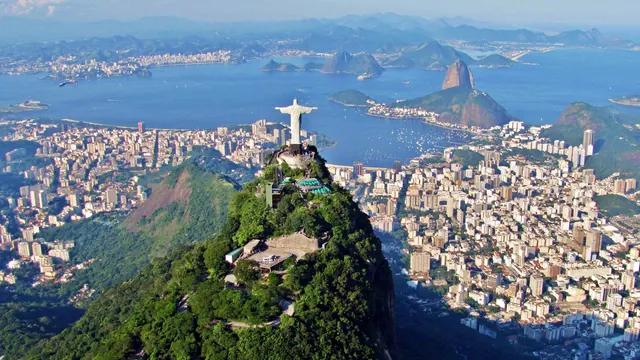
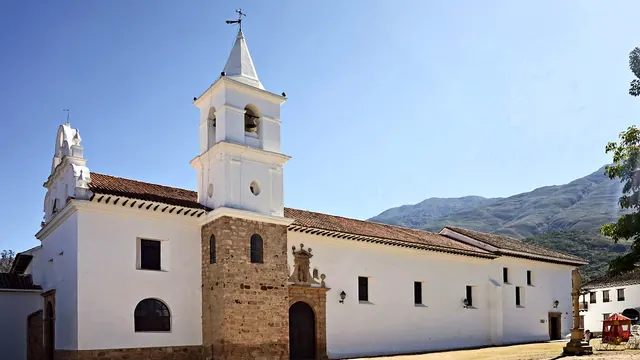 Brazil vs Colombia
- Brazil vs Mexico
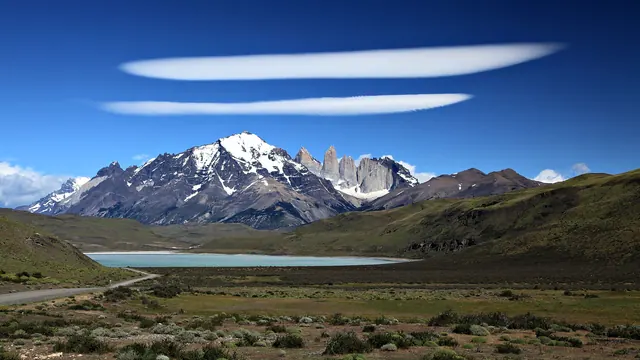 Colombia vs Chile
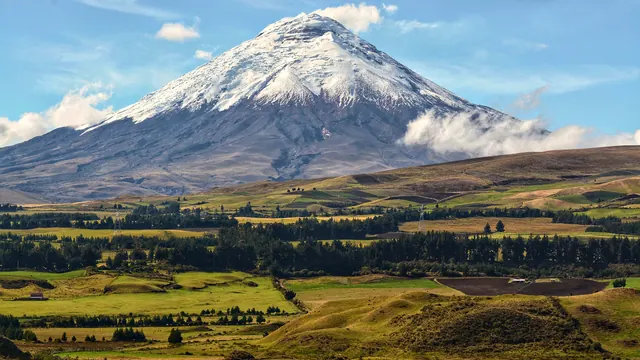 Colombia vs Ecuador
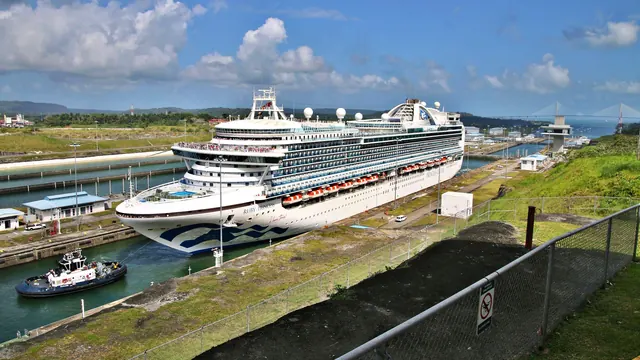 Colombia vs Panama
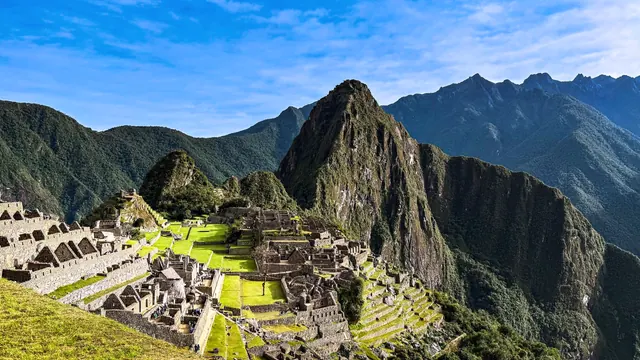 Colombia vs Peru
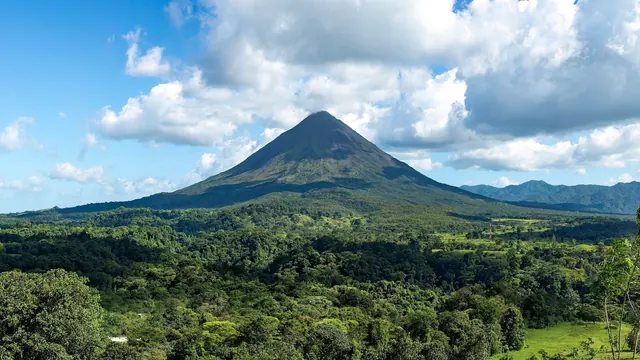 Costa Rica vs Colombia
- Costa Rica vs Mexico
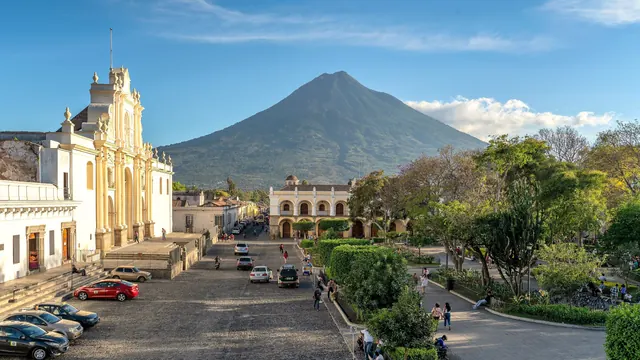 Guatemala vs Mexico
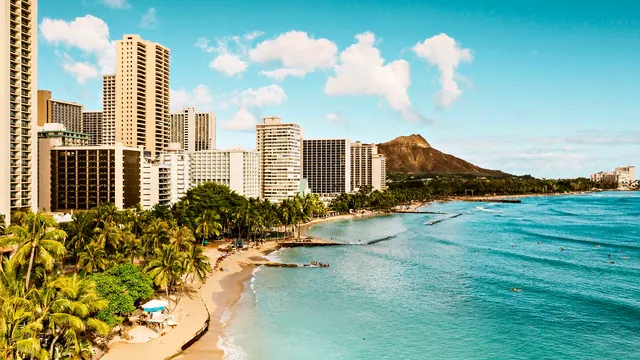 Hawaii vs Mexico
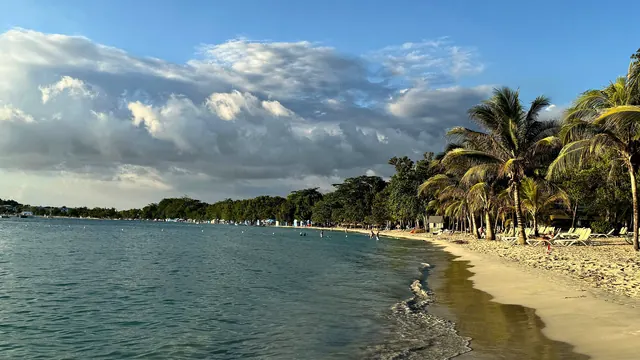 Jamaica vs Mexico
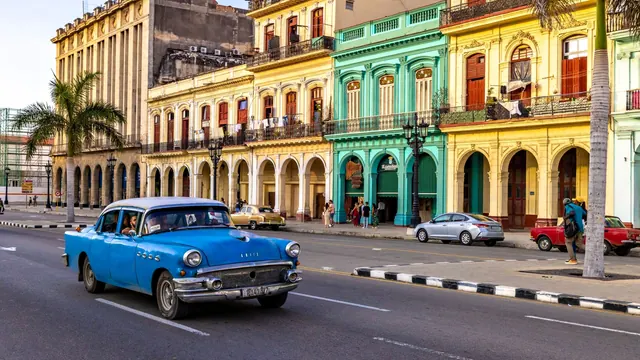 Mexico vs Cuba
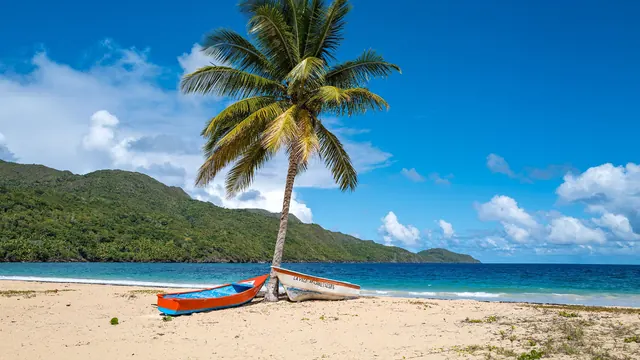 Mexico vs Dominican Republic
- Panama vs Mexico
- Peru vs Mexico
 Puerto Rico vs Mexico
 Punta Cana vs Mexico
 The Bahamas vs Mexico
 United States vs Mexico
Where else could you go?
Set Colombia or Mexico against any other country.