Spain
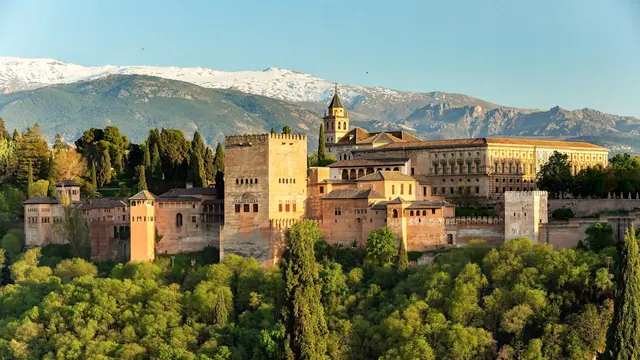
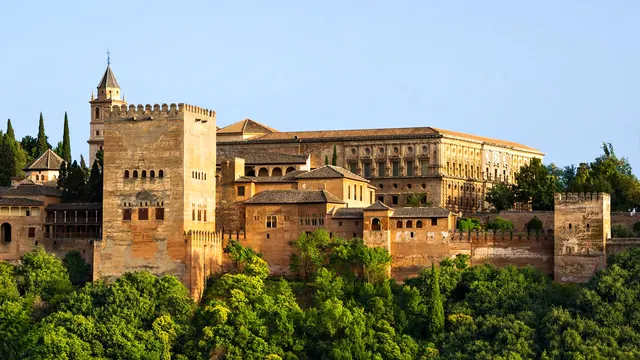
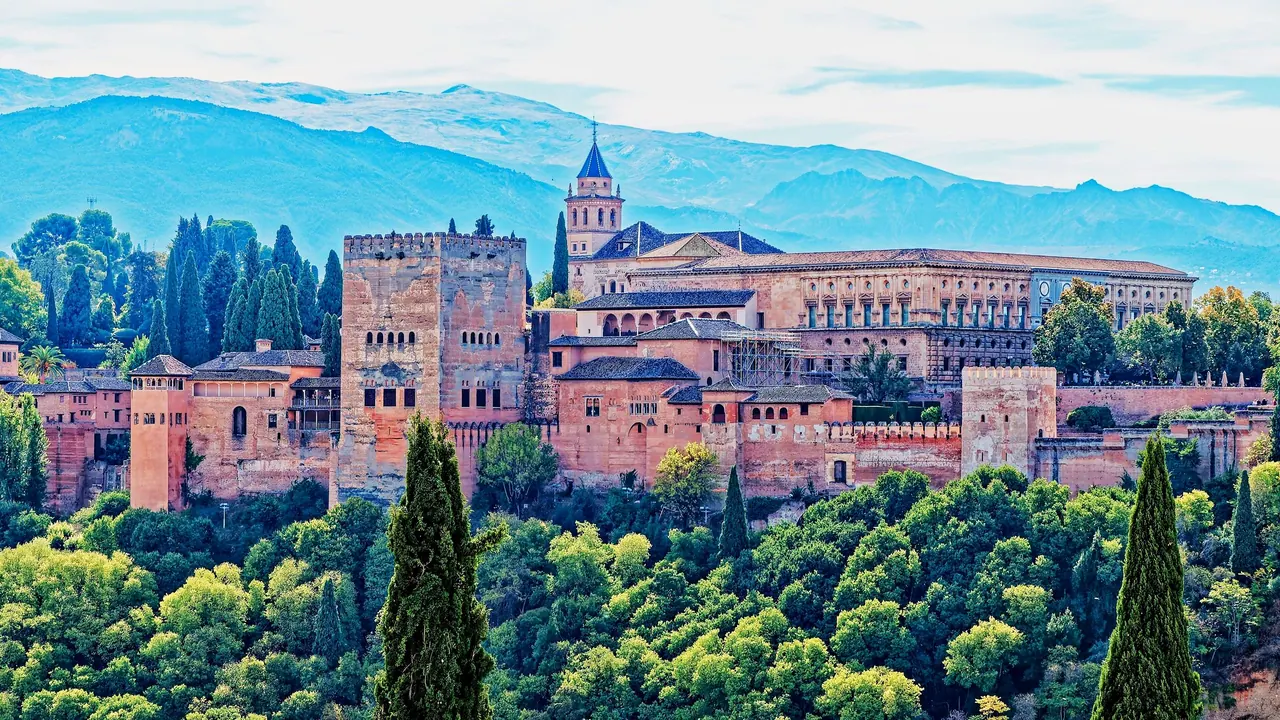
The Alhambra in Granada below the Sierra Nevada
- Food & drink90
- Culture & sights90
- Nightlife90
Photo: Holger Uwe Schmitt, CC BY-SA 4.0, cropped
Match
80
Every category weighted equally
- Beach & sun79
- Culture & arts81
- Food & nightlife81
- Family trip79
- Outdoors81
- Relax & unwind77
- Shopping & style80
- On a budget77
Spain in twelve categories
Our verdict on the country as a whole, scored 0 to 100 against the same fixed benchmark cities as every destination, so a score means the same thing on every page.
Beaches & swimming. Scores 88 out of 100.
Food & drink. Scores 90 out of 100.
Culture & sights. Scores 90 out of 100.
Nightlife. Scores 90 out of 100.
Nature & outdoors. Scores 86 out of 100.
Day trips. Scores 90 out of 100.
Good for families. Scores 80 out of 100.
Getting around. Scores 79 out of 100.
Shopping & style. Scores 75 out of 100.
Affordability. Scores 57 out of 100.
Live music & performing arts. Scores 75 out of 100.
Wellness & relaxation. Scores 55 out of 100.
Spain category by category
Under each: where in Spain it is best, and our destinations in Spain that score highest on it.
Beaches & swimming
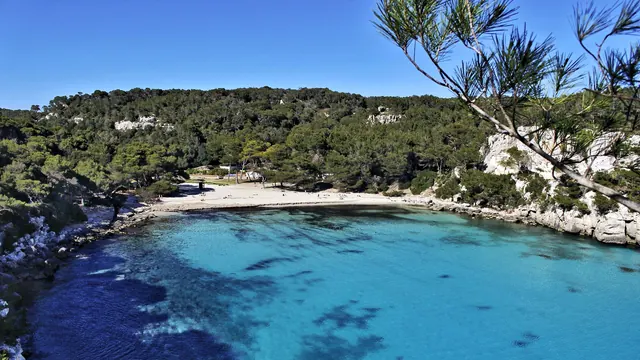
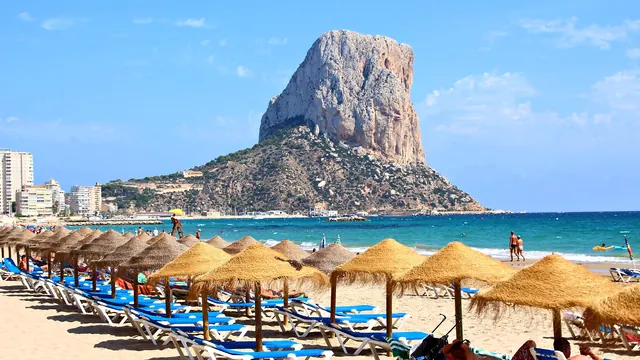
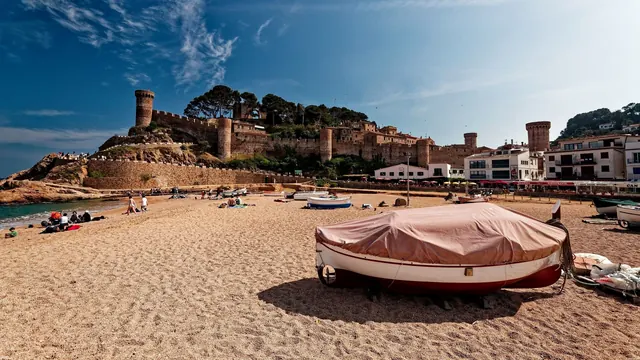
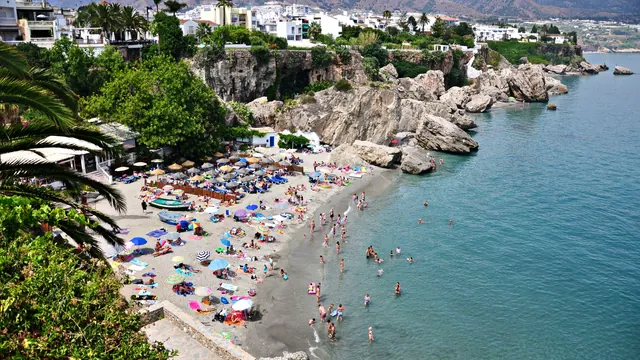
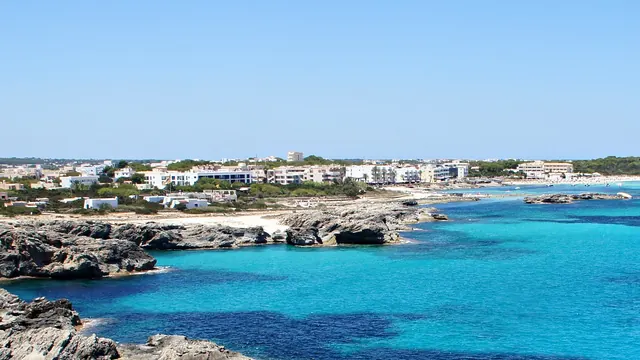
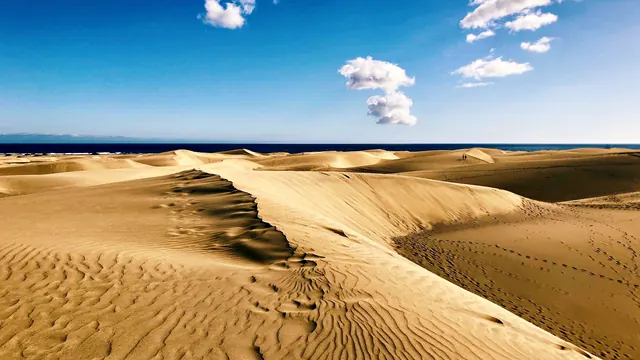
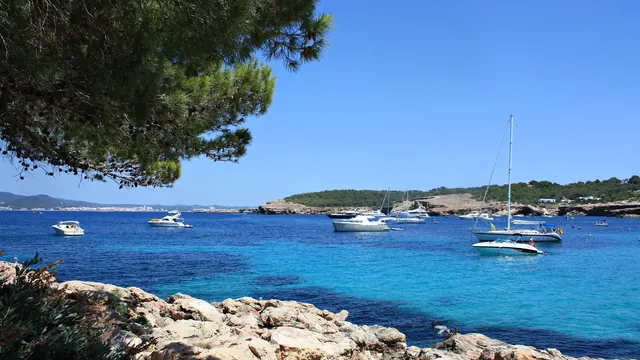
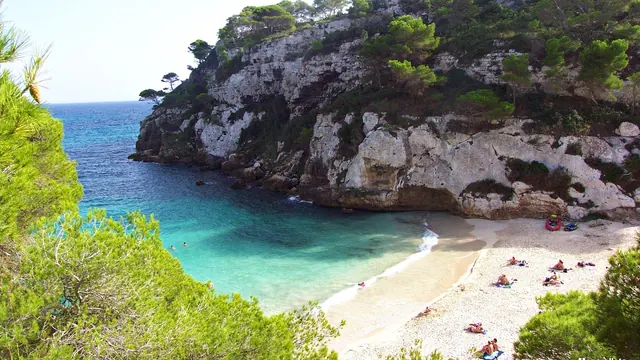
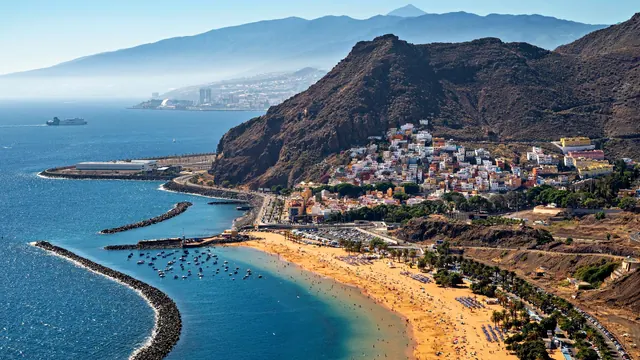
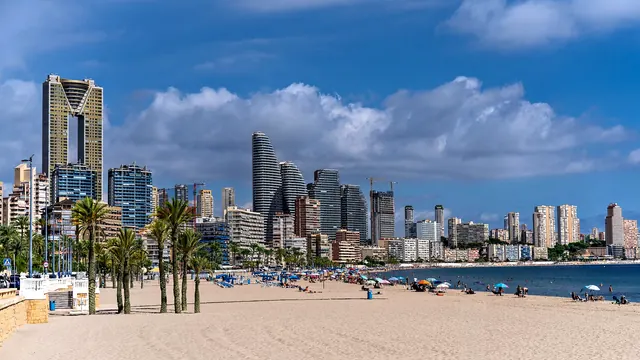
88Beach life is a central reason people come to Spain, and almost the whole Mediterranean shore can carry a summer trip. The Balearics are the best of it. Menorca and Mallorca have pine-backed coves of clear, turquoise water, and Formentera has long white beaches that look almost tropical. On the mainland, the Costa Brava has rocky inlets and small bays. The Valencian coast and the Costa Blanca have long, wide, easy sand, and the Costa de la Luz west of Cadiz has huge Atlantic beaches with dunes behind them. Those Atlantic beaches are cooler and windier, and much less built up.
The Mediterranean reaches about 25°C in August and stays warm from June into October. The Canary Islands are a separate trip, a long flight south. Their Atlantic water is cooler, but it stays swimmable all year. In the far north, Galicia and the Basque coast have beautiful beaches, but the water is cold and they suit a bracing dip more than long days in the sea. In high summer the famous costas are crowded and heavily built up.
Where: Balearic Islands, Costa Brava, Costa de la Luz, Canary Islands
Our top destinations in Spain
Food & drink
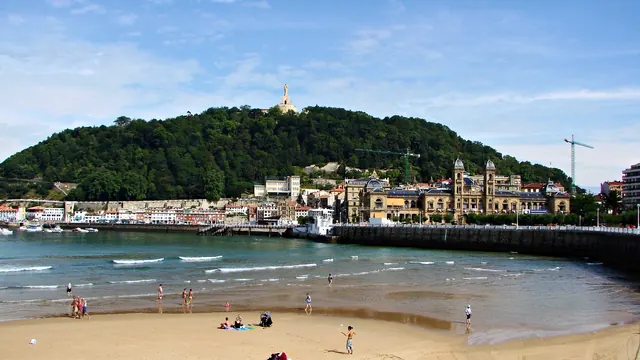
90Eating is one of the best reasons to travel in Spain, and it is good across the country, not just in one city. The Basque Country has the deepest food scene. San Sebastian is famous for its pintxo bars and for a run of serious tasting-menu kitchens, and Bilbao is close behind. Barcelona combines Catalan cooking with covered markets in every neighbourhood and inventive modern restaurants. Madrid has old taverns, long tapas crawls through La Latina and cooking from every region of Spain.
Andalusia is the home of tapas culture. In Seville, Granada, Cadiz and Malaga people eat fried fish, cured ham and small plates standing at the bar, drink chilled sherry from the bodegas of Jerez, and in Granada a free tapa often comes with each drink. Valencia is the place for paella, Galicia for octopus and shellfish, and Rioja and Ribera del Duero have wine cellars to visit. Lunch is in mid-afternoon and dinner after nine. In the busiest tourist streets the quality drops quickly.
Where: Basque Country, Barcelona, Madrid, Andalusia
Our top destinations in Spain
Culture & sights
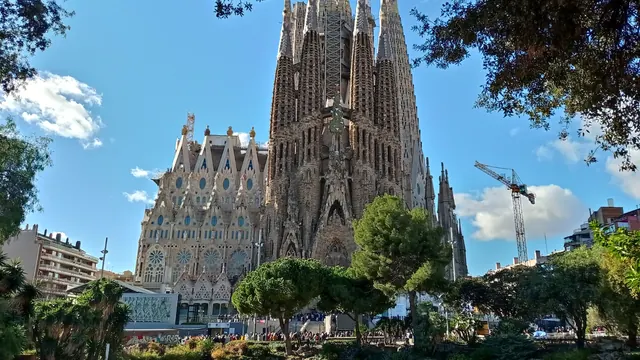
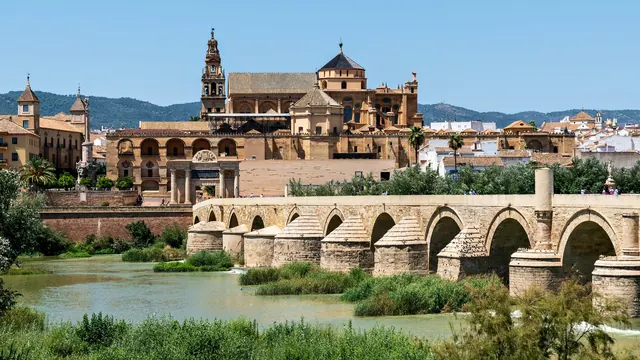
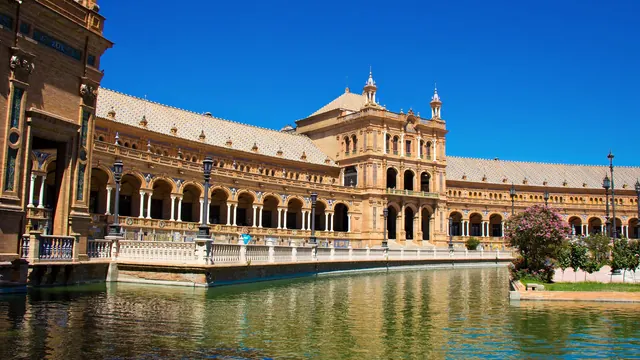
90Spain's heritage is spread across the whole country. Andalusia carries the Moorish legacy: the Alhambra above Granada, the Great Mosque-Cathedral of Cordoba with its forest of striped arches, and Seville's vast Gothic cathedral and tiled Alcazar. Madrid has the Prado, one of the great art museums anywhere, together with the Reina Sofia and the Thyssen collection. Barcelona has Gaudi's Sagrada Familia and his houses on the Eixample avenues, the medieval Gothic quarter and the Picasso Museum.
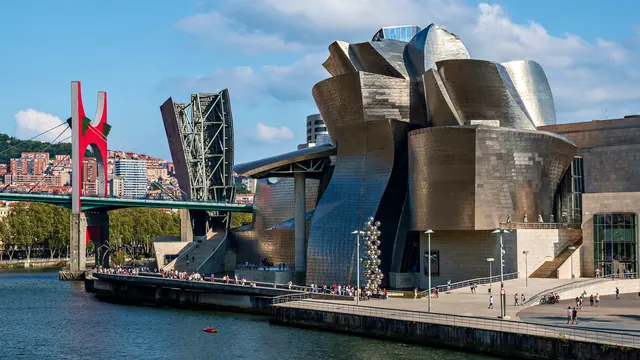
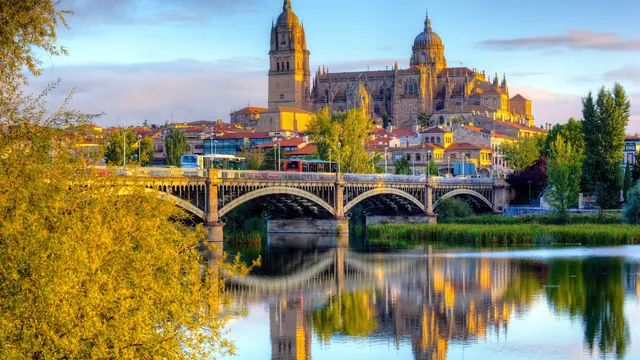
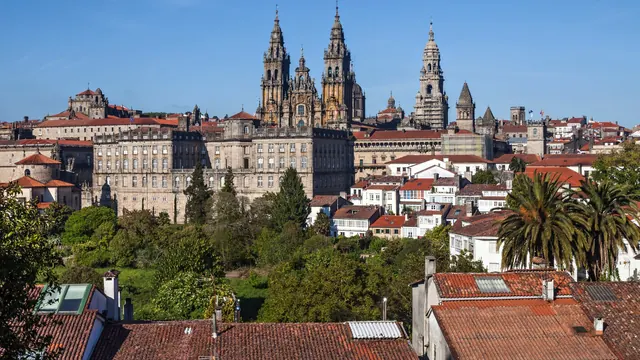
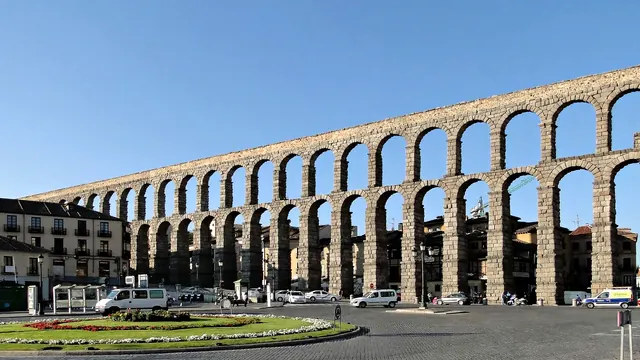
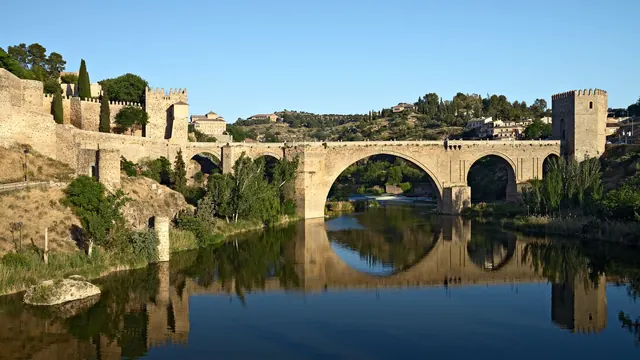
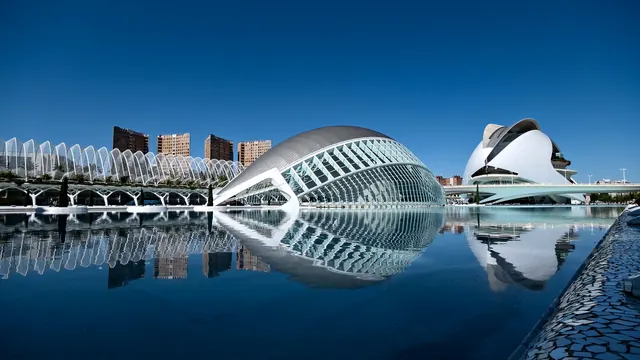
Castile and Leon is the old heart of Christian Spain and has more historic towns than any other region. Salamanca is built of golden sandstone around its university and Plaza Mayor, Segovia has its Roman aqueduct and fairy-tale Alcazar, Avila is still enclosed by its medieval walls, and Burgos and Leon have two of Europe's finest Gothic cathedrals. Beyond these, Toledo stands on a rock in a bend of the Tagus, Santiago de Compostela's cathedral marks the end of the pilgrim routes, and Bilbao has the Guggenheim. A trip can follow Roman, Moorish, Gothic or modernist Spain and still fill two weeks.
Where: Andalusia, Madrid, Barcelona, Castile and Leon
Our top destinations in Spain
Nightlife
90Going out late is part of daily life in Spain. People sit down to dinner after ten, move on to bars around midnight, and clubs fill only after two. Madrid has the most nightlife and runs the latest. Malasana and La Latina fill with terrace and tapas bars, and the clubs keep going until morning. Barcelona combines beach clubs and cocktail bars in the Born and Gracia with a large electronic music scene.
Ibiza is a separate trip with a different purpose. It is one of the world's great club islands, with huge venues and sunrise sets through the summer. Valencia and Seville are lively, and student cities such as Granada and Salamanca are busy until late. Even small towns stay out on the plaza long after dark, especially during their summer fiestas.
Where: Madrid, Ibiza, Barcelona, Valencia
Our top destinations in Spain
Nature & outdoors
86Spain is one of Europe's most mountainous countries, and walkers have a lot of choice. The Pyrenees have Ordesa's deep canyons and high trails above 3,000m. The Picos de Europa rise sharply behind the green Asturian and Cantabrian coast. The Sierra Nevada above Granada has hiking in summer and skiing in winter. Mallorca's Serra de Tramuntana gives limestone ridges and a long-distance path above the sea. Andalusia has gorges such as the Caminito del Rey and the limestone towers of El Torcal.
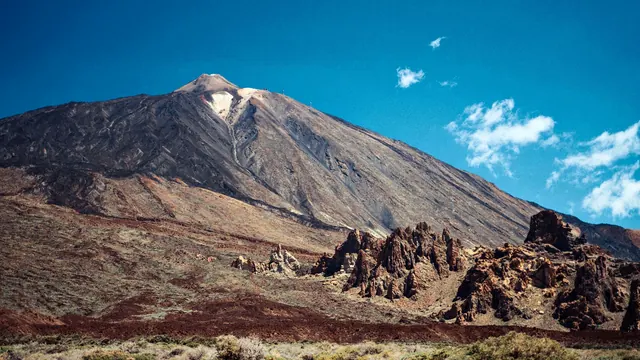
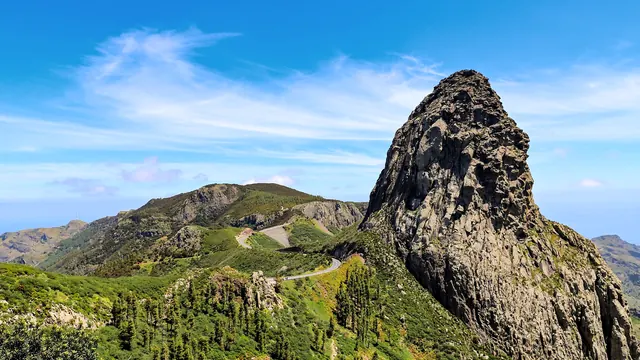
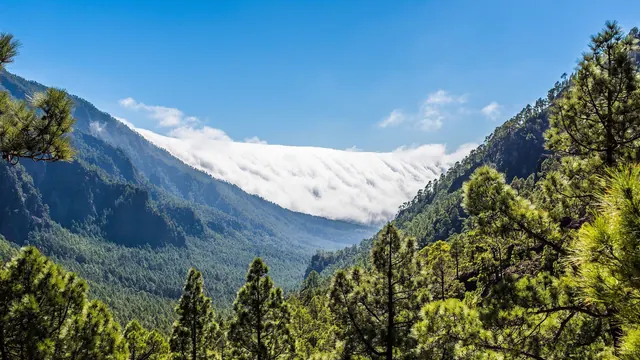
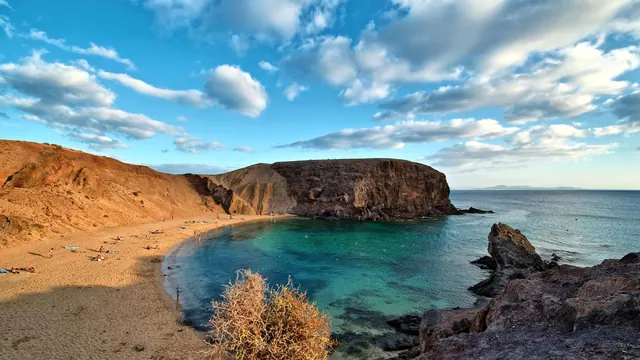
The Canary Islands are a separate trip, with volcanic scenery: Teide on Tenerife, the laurel forests of La Gomera and the lava fields of Lanzarote. Their mild climate makes them good for winter walking. The Camino de Santiago crosses the north. The Basque coast and Tarifa are known for surfing and kitesurfing. The interior is mostly dry plateau, and much of the south is too hot for hiking in July and August.
Where: Pyrenees, Picos de Europa, Canary Islands, Sierra Nevada
Our top destinations in Spain
Day trips
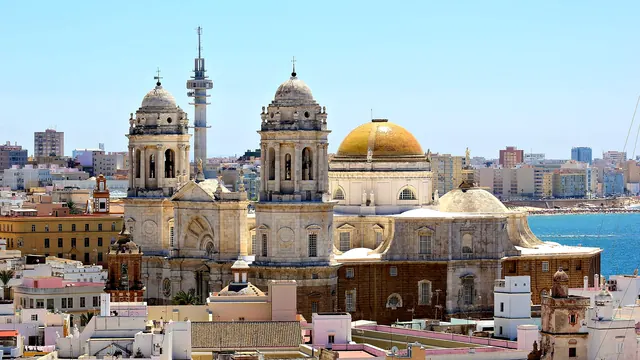
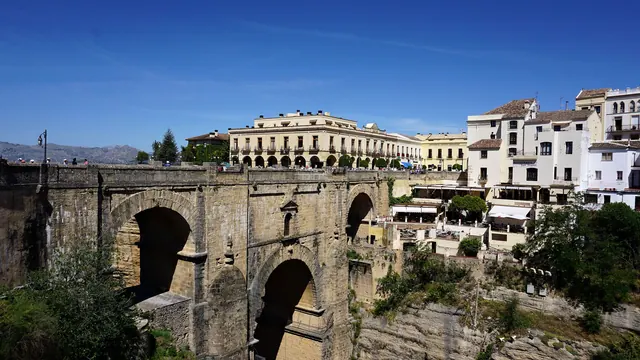
90Several Spanish cities make excellent bases, each with a full list of day trips. From Madrid, high-speed trains reach Toledo and Segovia in about half an hour, and Avila, El Escorial, Salamanca and the hill town of Cuenca are also easy. From Seville, Cordoba is under an hour by fast train. Cadiz, the sherry town of Jerez, Carmona and the cliff-top town of Ronda are also close.
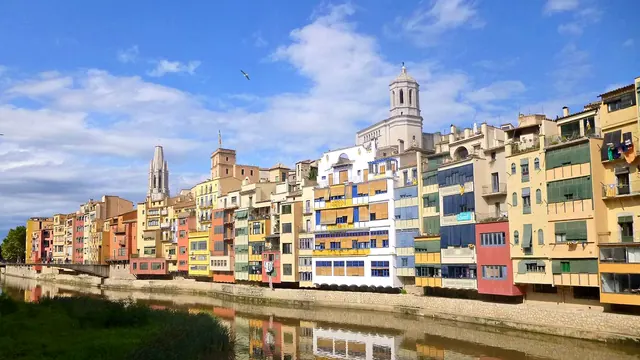
From Barcelona, you can reach medieval Girona, the mountain monastery of Montserrat, Roman Tarragona, the Dali museum at Figueres and seaside Sitges. Granada is within reach of the white villages of the Alpujarras, and Bilbao of San Sebastian and the Rioja wine towns. A visitor can stay in two or three cities and spend a different day out each time.
Where: Madrid, Seville, Barcelona, Granada
Our top destinations in Spain
Good for families
80Spain is a relaxed country to travel with children. They are welcome in restaurants late into the evening, and every plaza has a playground where local families gather. On the coast near Salou, PortAventura is a large theme park resort. Valencia has the City of Arts and Sciences, with a big aquarium and science museum. Madrid has a zoo, an amusement park and large parks such as the Retiro.
For most families, the easiest trip is the calm, shallow beaches of the Costa Dorada, the Costa Blanca or the Balearics, where the resorts are built around families. The Canary Islands are a separate trip with mild weather all year, a well-known animal park and big water parks on Tenerife and Gran Canaria. Inland, the summer heat in Andalusia and Madrid is hard on small children, and late meal times take some getting used to.
Where: Costa Dorada, Valencia, Canary Islands, Balearic Islands
Our top destinations in Spain
Getting around
79Spain has one of Europe's largest high-speed rail networks. Fast trains link Madrid with Barcelona, Seville, Cordoba, Malaga, Valencia and the north, so a trip between the big cities is simple without a car. Madrid and Barcelona have extensive metros. Old centres such as Seville, Granada and Toledo are best explored on foot, though some are hilly. Long-distance buses cover the towns the railways miss.
The gaps are in the countryside. The white villages of Andalusia, the Picos de Europa, the coves of the Costa Brava and most of rural Galicia are much easier with a hire car. The Balearics and Canaries are reached by short domestic flights or ferries, and on the islands buses only go so far.
Where: Madrid, Barcelona, Andalusia
Our top destinations in Spain
Shopping & style
75Shopping in Spain combines strong home-grown fashion with traditional crafts. Madrid's Salamanca district has the luxury streets and Spanish leather houses, the Sunday Rastro flea market fills the streets of La Latina, and Malasana has independent shops. Barcelona has its flagship avenue on Passeig de Gracia and designer boutiques in the Born and Gracia. Both cities have large food markets that are worth browsing.
Outside the big cities, crafts are the reason to shop. Seville and Granada sell painted ceramics, fans and inlaid woodwork, Toledo has damascened metalwork and swords, and Valencia makes porcelain. Espadrilles come from the Pyrenean foothills, and sherry, olive oil and saffron are good to bring home from Andalusia and La Mancha. Smaller towns have little beyond this.
Where: Madrid, Barcelona, Seville, Toledo
Our top destinations in Spain
Affordability
57Spain is moderately priced for Western Europe, and where you stay makes a big difference. Inland Andalusia, Extremadura, Castile and Galicia are the cheapest. There, lunch menus, tapas bars and small family-run hotels cost much less than in the big cities, and in Granada a tapa usually comes free with each drink.
Barcelona, San Sebastian, Marbella and above all Ibiza are expensive, and so are coastal rooms in July and August. Trains are cheaper if booked well ahead, and many museums have free hours. Staying inland in spring or autumn is the easiest way to keep a trip cheap.
Where: Andalusia, Galicia, Castile and Leon, Extremadura
Our top destinations in Spain
Live music & performing arts
75Flamenco is Spain's great performing tradition, and visitors can see it at many levels. Seville's Triana district and the city of Jerez are its heartland, with small stages and neighbourhood peñas where it is performed with real depth. In Granada, flamenco is performed in the Sacromonte caves, and Madrid has nightly tablaos of a high standard. Seville and Jerez also hold respected flamenco festivals.
The formal scene is centred on Madrid and Barcelona. Madrid has the Teatro Real for opera and a cluster of big musicals on and around the Gran Via. Barcelona has the Liceu opera house and the modernist Palau de la Musica Catalana. Valencia has a striking opera house. Summer brings outdoor concerts and the Merida classical theatre festival, held in a Roman theatre. Outside these cities, there is little to attend most of the year.
Where: Seville, Madrid, Barcelona, Jerez de la Frontera
Our top destinations in Spain
Wellness & relaxation
55Spain has more bathing culture than its beach reputation suggests, but it is scattered across the country. Galicia has the most. In Ourense, hot springs flow into open-air pools along the river Miño, and spa towns across the region and in Catalonia and Aragon keep the old tradition of taking the waters. In Andalusia, Granada, Cordoba and Seville have Arab-style bath houses that recreate the warm and hot pools of the Moorish hammam.
The Canary Islands and Mallorca have large resort spas, and the slow rhythm of the afternoon siesta and long lunches helps a visitor unwind. Still, this is a country people visit for the sun and the cities, and spa time is usually something added to a trip rather than its purpose.
Where: Ourense, Granada, Canary Islands, Mallorca
Our top destinations in Spain
When should you go?
Spain has no single climate. Its months are measured at Barcelona, Madrid, Malaga, Tenerife, Seville and Bilbao; pick one to see it. The figures are measured averages, not a forecast.
Where in Spain
Barcelona in July
Daytime high, °C
Rainfall in the month, mm
Temperature and rainfall are climate normals, averaged over the years shown. Barcelona: 1991-2020 normals, Barcelona / Aeropuerto (14.4 km from centre).
Compare Spain with
Every comparison with a written verdict behind it.
Our destinations in Spain
Every place in Spain with its own page: its twelve scores, its texts and its months.
Regions and islands